· 5 min read
Bridal Trial Dos and Don'ts: What to Ask Your Artist
A bridal trial is where your wedding look is actually made — not on the big day. Here's exactly what to prepare, ask and watch out for.
Your bridal trial is the single most important appointment of your entire wedding season — more than any shopping trip, more than any dholki. It is the one chance to test your face, your artist and your chemistry before the cameras actually roll. And yet most brides walk into a trial underprepared, leave vaguely dissatisfied, and then panic three days before the shaadi.
After years of trials with brides across Lahore — from minimalist Nikkah looks to full glam Barat faces — the patterns are clear. The brides who end up thrilled on their wedding day ask better questions at the trial. Here is exactly what to do, what to avoid, and what to ask.
Before You Book: Set the Trial Up Properly
A bridal trial is not the same as a party makeover. Treat it like a fitting.
- Book 6–10 weeks out from your first event. Enough time to retrial if needed, not so far that your skin or hair length will change dramatically.
- Do your trial in the same week of your menstrual cycle as your wedding week if possible. Skin behaves differently at different points — oilier, drier, more reactive.
- Don't get a new facial, peel, bleach or threading in the 48 hours before your trial. You want your artist to see your actual baseline skin, not freshly inflamed skin.
- Wash and blow-dry your hair the day before, not the morning of. Day-two hair holds bridal styling far better than freshly washed hair.
- Wear a white or ivory top — close to your actual dupatta tone — so you can judge the makeup against wedding colours, not a black kameez.
If you're booking a bridal package, confirm upfront whether the trial is included, discounted, or separately charged. Both are normal; you just want no surprises.
What to Bring to the Trial
Think of yourself as a mood board in human form. The more your artist can see, the sharper the final look.
- Photos of your actual outfits — front, back and close-up of the neckline and dupatta border.
- Jewellery, or clear photos of it with scale (gold vs polki vs kundan changes the whole palette).
- 5–7 inspiration images you genuinely love — and 2–3 looks you don't want. The "don't" pile is honestly more useful.
- Your usual lipstick and foundation, so the artist knows what shades you already feel like yourself in.
- Hair accessories — matha patti, passa, tikka. Styling changes completely depending on what has to sit on your head.
Questions to Actually Ask Your Makeup Artist
This is where most brides go quiet. Don't. A good artist will welcome every one of these.
About the Look Itself
- Which features are you planning to emphasise on me, and why?
- How will this translate on camera with flash versus natural light?
- Can you show me the look from all angles, including the back of the hairstyle, before we finish?
- If I want it dialled up or down by 20%, what would you change first?
About Products and Skin
- What foundation and setting system are you using, and is it suited to oily/dry/combination skin in Lahore's weather?
- Are the lashes individual or strip, and can we try a lighter pair?
- What is your waterproofing plan for the eye makeup — and the lipstick through dinner?
- If I break out before the wedding, how do you adjust?
About the Day Itself
- What time will you arrive, and how long will you need?
- Who exactly is doing my makeup — you, or an assistant? (Ask this politely but clearly.)
- Will you stay for touch-ups between events, or is that a separate booking?
- What's your policy if I want to make changes after the trial?
Red Flags vs Green Flags
You will feel these in the first thirty minutes. Trust the signals.
Green flags:
- The artist examines your skin before opening a single product.
- They ask about your events, outfits and personal style before suggesting a look.
- They swatch 2–3 foundation shades on your jawline, not your hand.
- They are comfortable adjusting mid-trial when you say something feels off.
- Their own prior bridal work (not just filtered Instagram reels) shows consistency across different skin tones.
Red flags:
- Rushed consultation, phone in hand, music loud.
- One "signature look" applied to every bride regardless of features.
- Heavy-handed with the same products no matter your skin type.
- Defensive when you give feedback. This is the biggest one.
- No clarity on who is actually doing your makeup on the wedding day.
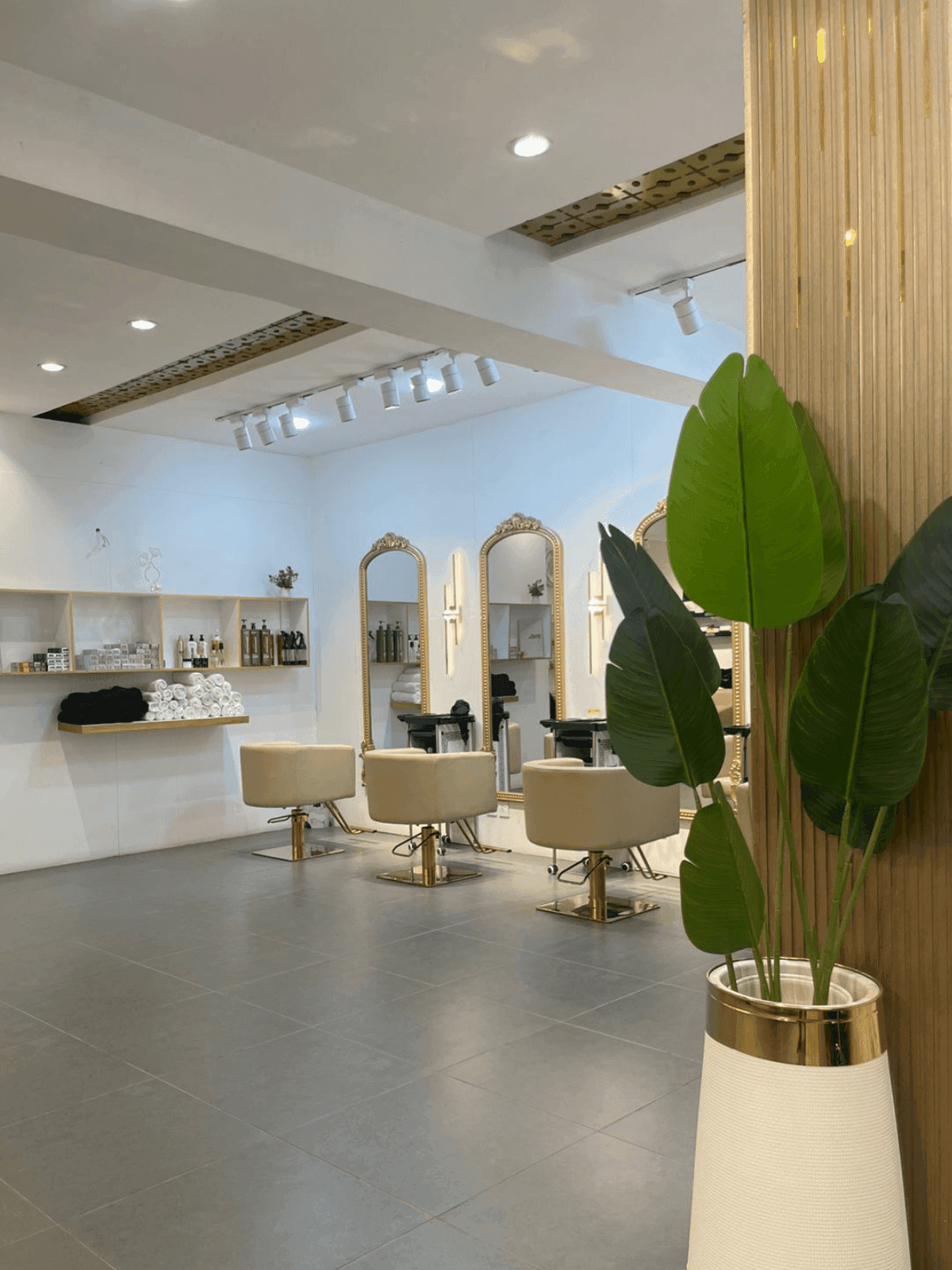
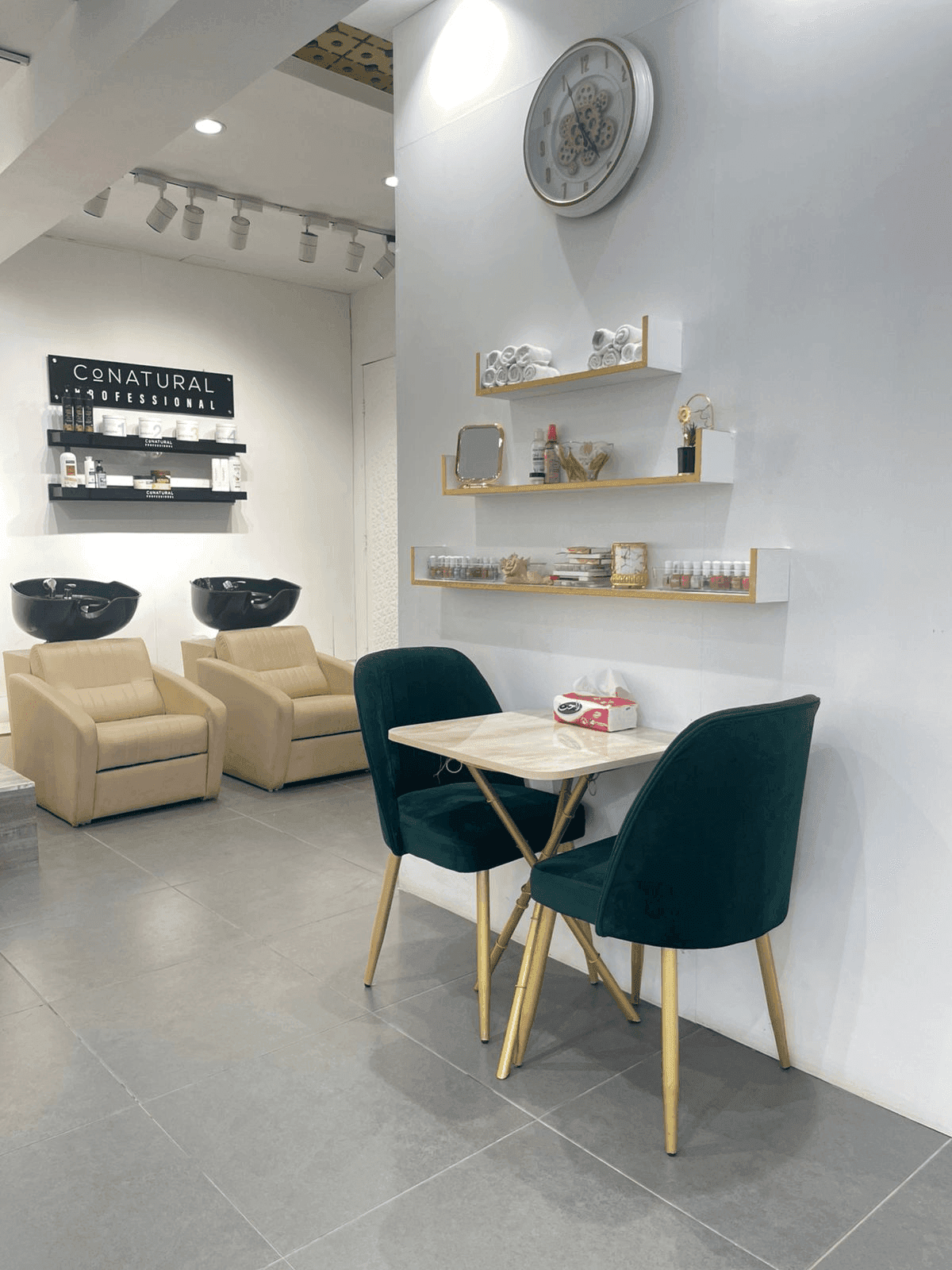
At Rabbiz Salon's signature bridal service in DHA Phase 3, the trial is built around a consultation first — because a look that suits a round face with hooded eyes is simply not the look that suits a long face with deep-set eyes, regardless of what's trending that season.
After the Trial: How to Judge Honestly
Don't make up your mind in the salon chair. Your eyes have been staring at the mirror for two hours — you have no perspective.
- Step outside in daylight. Check the foundation against your neck, chest and arms.
- Take photos with flash and without, front, 45-degree and side profile.
- Keep the makeup on for 6–8 hours. See how it behaves at hour five, which is roughly when your rukhsati will happen.
- Eat a meal and drink water in it. Watch what happens to the lipstick and the base around your mouth.
- Sleep on it, literally. Review the photos the next morning with fresh eyes.
Then write your feedback down — specifics, not vibes. "The contour under my cheekbone was too grey" is useful. "I didn't love it" is not.
Don'ts That Quietly Ruin Bridal Trials
- Don't bring six opinionated relatives. One trusted person maximum. Committees kill clarity.
- Don't ask for a completely different face — "can you make my nose smaller, eyes bigger, jaw sharper?" Makeup enhances; it doesn't reconstruct.
- Don't compare yourself mid-trial to the bride whose photo you're holding. Her bone structure is not yours, and that's a good thing.
- Don't skip the hair trial. Even if you're wearing a dupatta, the front setting, parting and volume matter enormously.
- Don't book your trial the same day as your dress fitting or mehndi shopping. You will be exhausted and cranky, and it will show in your feedback.
A great bridal look is a collaboration — your artist brings the technique, you bring the self-knowledge. Walk in prepared, ask the real questions, and your wedding-day face will feel like the most elevated, confident version of you. Not a stranger. Not a filter. You.