· 5 min read
Bridal Trial Dos and Don'ts: What to Ask Your MUA
Your bridal makeup trial is the single most important rehearsal before your wedding day. Here's exactly how to prep, what to ask, and the mistakes to avoid.
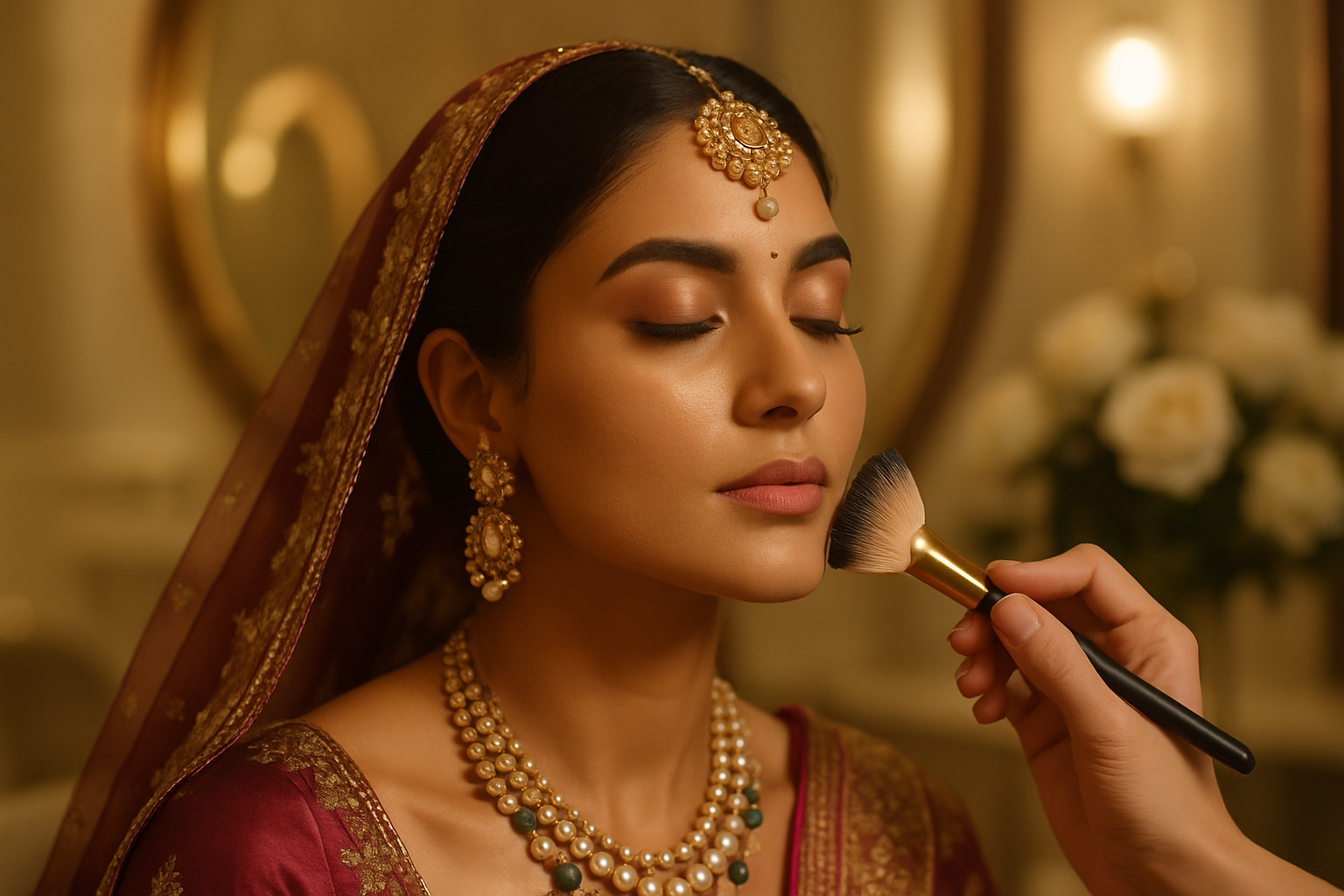
A bridal trial is not a 'practice run' you tick off a list — it's a working rehearsal where you and your artist negotiate exactly what your face will look like on the most photographed day of your life. Done well, it eliminates almost every panic moment on the actual function. Done poorly, you'll spend your mehndi morning anxious about a lipstick shade you never agreed to. After years of doing bridal trials in DHA Phase 3 for brides flying in from across Lahore, Islamabad and abroad, here is the honest, no-fluff version of how to make your trial actually count.
Why a Bridal Trial Matters More Than You Think
A wedding-day face has to survive eight to twelve hours of hugs, hot lights, cold buffets, tears at the rukhsati, and a hundred close-up phone cameras. You cannot know how your skin will behave under that pressure without a dress rehearsal. The trial is where we test:
- How your skin reacts to a long-wear base (oil break-through, dryness, patchiness)
- Whether your chosen lash style suits your eye shape on camera
- How the look photographs in daylight and under warm indoor lighting
- How comfortable the finished face feels after six hours of wear
If your artist treats the trial like a quick favour, that's your first red flag. A proper bridal trial at a serious studio is blocked out for two to three hours minimum.
Before You Book: Doing Your Homework
Vet the artist, not just the Instagram grid
Instagram is filtered, edited and shot in perfect lighting. Before you commit, ask to see:
- Unedited phone photos of recent brides — ideally taken at the end of the function
- Video clips so you can see how the skin moves and catches light
- Brides with your skin tone and undertone, not just the salon's most viral face
If you have sensitive or acne-prone skin, ask whether the artist works with a Canadian-certified senior artist or a junior. There is no shame in juniors — but you deserve to know who is holding the brush.
Time the trial intelligently
Book your trial 4 to 8 weeks before the wedding. Any earlier and your skin condition may change; any later and you have no room to adjust. Avoid scheduling it during your period week (skin behaves differently) or the day after a heavy facial or peel — your barrier needs to be at its baseline.
What to Bring to Your Trial
Walking in empty-handed is the most common mistake. Bring:
- Your actual jewellery — or very close replicas. Necklines change everything about contour and lip choice.
- A dupatta in your outfit's exact colour family
- Reference photos — five maximum, all in similar lighting. Twenty Pinterest screenshots will confuse, not clarify.
- The lipstick or blush you secretly love so the artist can match the energy
- A hair tie and a button-down shirt so nothing has to pull over your finished face
If you're planning hair extensions for the wedding, bring them to the trial too. Hair volume changes how big or soft your makeup needs to read.
Questions to Actually Ask Your Makeup Artist
This is the section most brides skip. Print it if you need to.
About the products
- Which foundation are you using and why for my skin?
- Is the base waterproof, transfer-proof, or both?
- What setting spray finishes the look — and how does it behave in humidity?
- Are the lashes individuals or a strip? Can I keep them after?
About the day-of logistics
- What time will you arrive, and how long do you need?
- Do you stay for touch-ups, and until when?
- Who is your assistant, and will they be doing any part of my face or my sisters'?
- What is your travel and overtime policy?
About changes
- If I want to soften the eye or change the lip on the day, is that included?
- What's your policy if I'm unhappy at the end of the trial?
A confident artist will answer all of this without flinching. Vague answers or 'don't worry, trust me' is a polite warning sign.
The Don'ts — Mistakes Brides Repeat Every Season
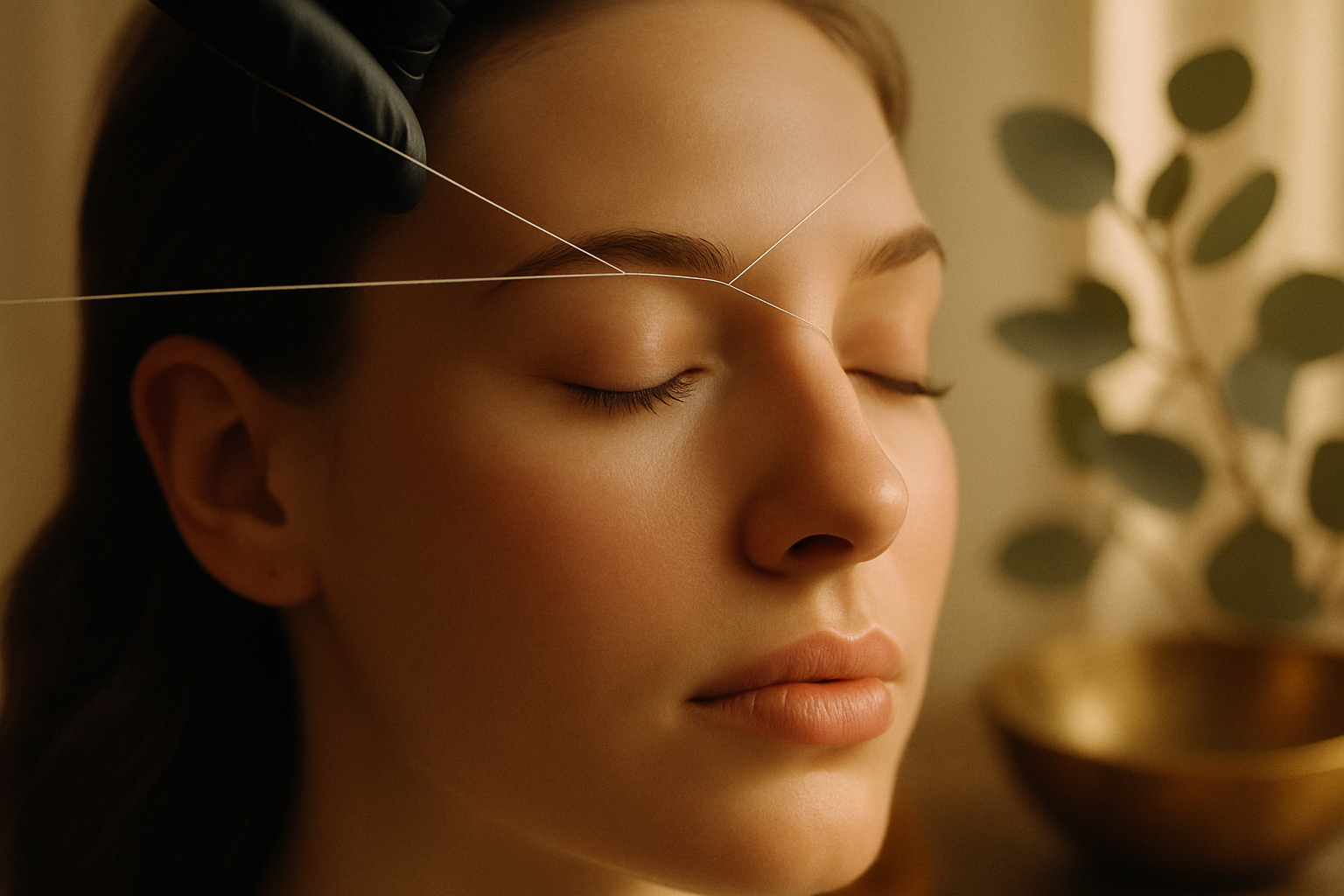
Don't get a facial or threading the day before. Freshly threaded skin can react to base products. Schedule threading and any bleach work at least 48 hours before the trial.
Don't bring six opinionated relatives. One person whose taste you trust is enough. A committee will pull the artist in five directions and you'll leave the chair looking like nobody.
Don't film the entire process and post it. Watch, ask questions, take notes. You can do a quick before/after at the end.
Don't lie about your skincare. If you've used a strong retinol or hydroquinone that week, tell the artist. It changes how the base sits.
Don't commit emotionally on day one. Sleep on the look. Look at the photos the next morning in daylight. Then decide.
After the Trial: The Conversation That Locks It In
Before you leave the chair, ask your artist to note down the exact formula — foundation shade, contour, blush, eye palette, lip combination, lash style. This becomes your wedding-day brief. If anything changes between now and the function, you both have a reference to come back to.
Then wear the look for the rest of the day. Go for coffee, sit in your car, take a selfie at sunset and another at 10 PM. Notice:
- Did the base oxidise or stay true?
- Did the under-eye crease?
- Was the lip comfortable enough to eat through?
Feed all of this back to your artist within 48 hours so refinements are fresh. Most serious studios in Lahore will happily adjust the formula based on real wear data — that's literally why the trial exists.
Final Thought
A good bridal trial should leave you calmer, not more anxious. You should walk out feeling like the decisions are made — the shade is locked, the lash is chosen, the timing is agreed. That clarity is what lets you actually enjoy your wedding morning instead of negotiating it. Choose an artist who treats your trial as seriously as the day itself, and the day itself becomes the easy part.