· 5 min read
Dandruff in Lahore: Why It Happens & How to Fix It
From dusty Lahore air to over-washing with hot water, here's why dandruff flares up in our city — and the realistic routine that actually clears it.
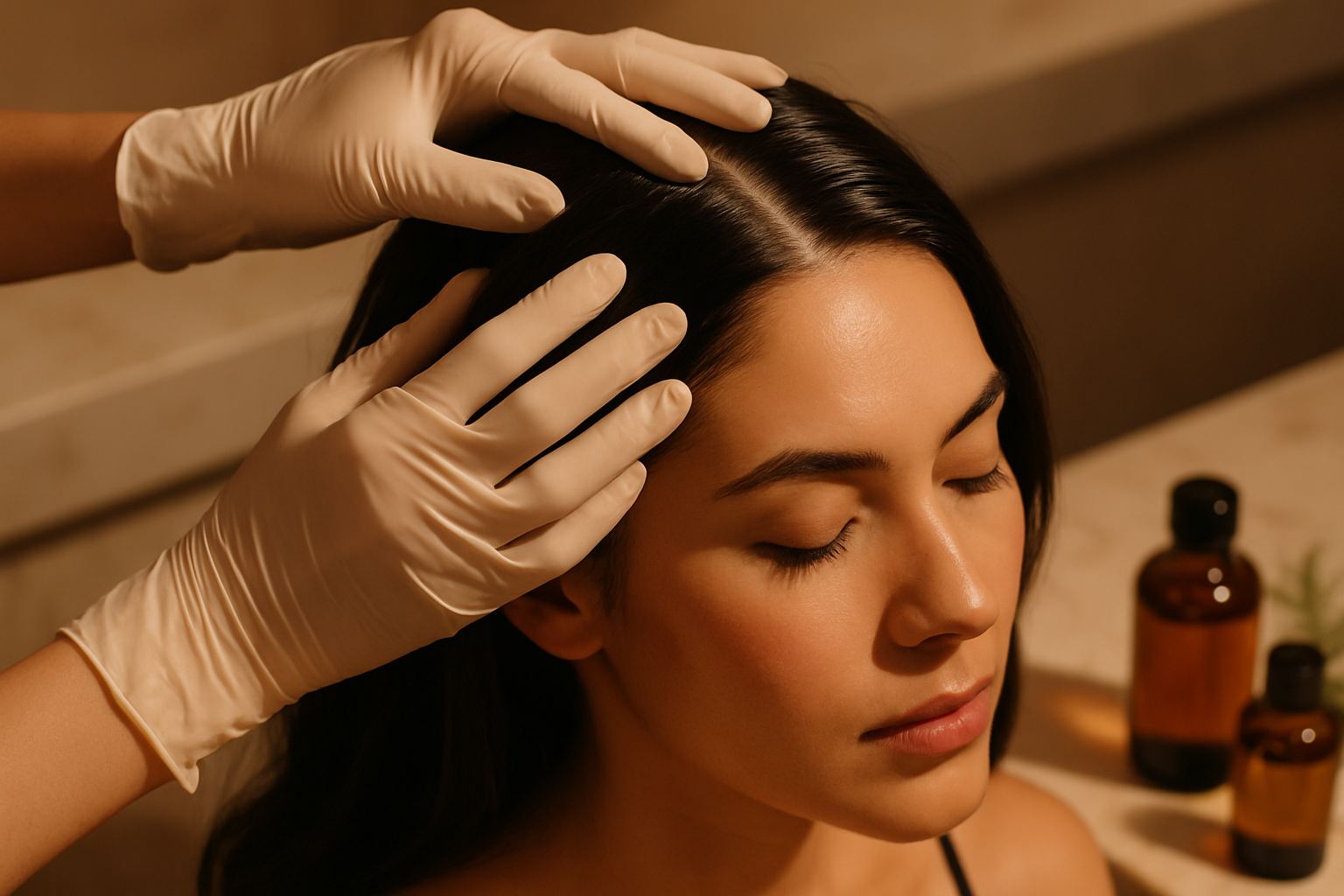
If you've ever worn black to a dinner in Lahore and spent the evening discreetly brushing your shoulders, you already know dandruff is one of the most stubborn, embarrassing scalp issues women in this city deal with. The good news: it is almost always fixable. The less good news: most of what people are doing at home — daily shampooing, hot water rinses, slathering on coconut oil overnight — is quietly making it worse.
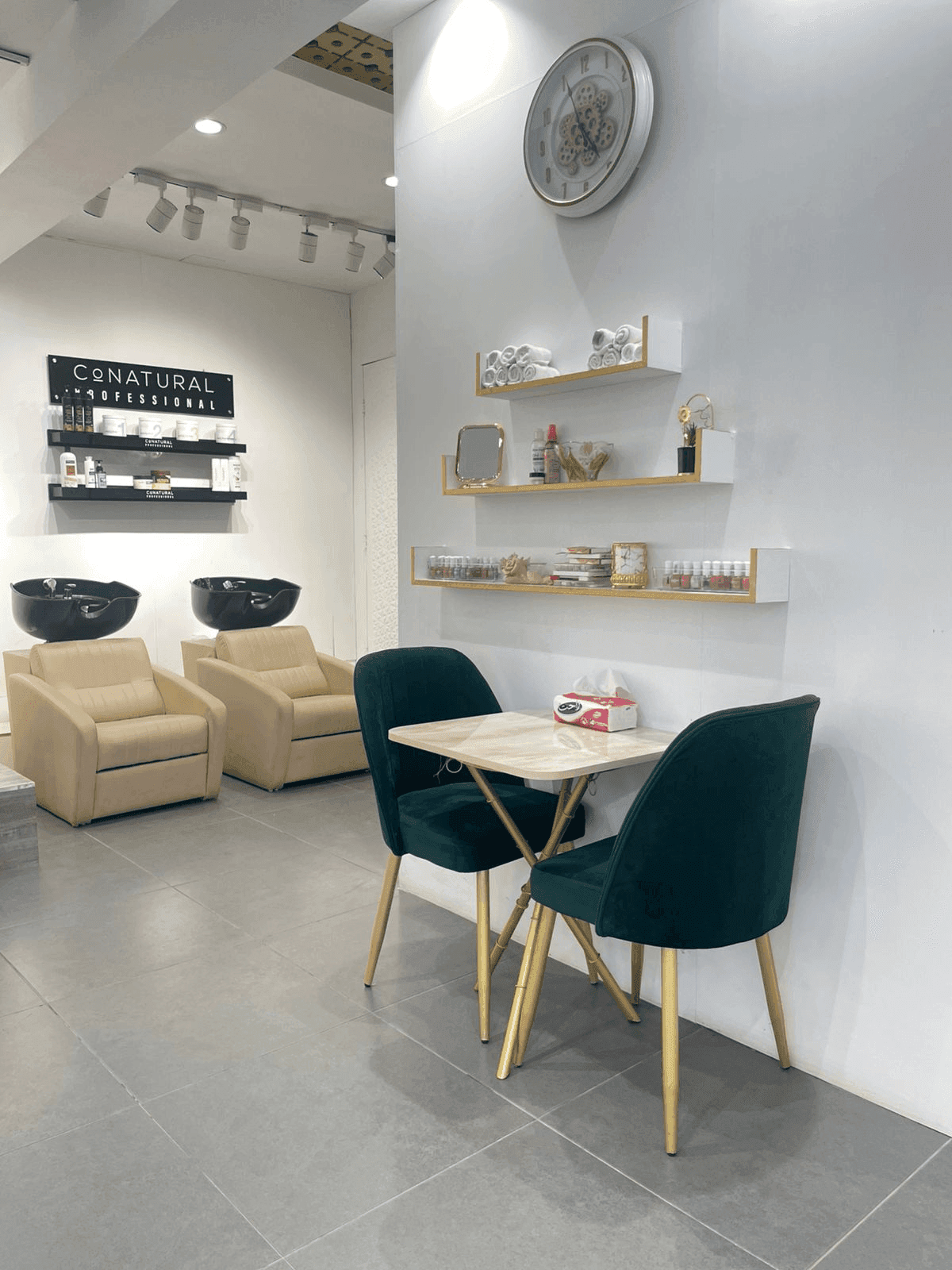
At Rabbiz Salon in DHA Phase 3, we see scalps every single day, and Lahore's specific climate and water create a very particular pattern of dandruff. Here's what's actually going on, and how to fix it properly.
Why Lahore Is a Perfect Storm for Dandruff
Dandruff isn't just "dry scalp." In most cases it's caused by Malassezia, a yeast that lives on everyone's scalp but overgrows when conditions are right — and Lahore offers it a five-star environment.
- Hard water: Lahore's tap water is heavy in calcium and minerals. It leaves a film on the scalp that traps oil, product, and dead skin.
- Pollution and dust: Smog season blankets hair in fine particulate matter that clogs follicles and irritates the scalp.
- Heat and humidity: From May to September, the scalp sweats constantly. Sweat plus sebum is exactly what Malassezia feeds on.
- Heavy oiling habits: The traditional weekly champi with thick coconut or mustard oil, left overnight, can worsen fungal dandruff dramatically.
- Over-washing with harsh shampoos: To compensate for the oiliness, women shampoo daily with strong sulphates, which strips the scalp and triggers more oil production.
If you have an itchy scalp, yellowish greasy flakes (not powdery white ones), and your hair feels limp by the afternoon — that's classic Lahore-style seborrheic dandruff.
Dry Flakes vs Oily Flakes: Know What You're Treating
Before you buy another shampoo, identify your type. The treatments are different.
Dry dandruff
Small, white, powdery flakes that fall easily. Scalp feels tight, sometimes itchy. Common in winter or after over-using clarifying shampoos. The fix is hydration and gentler cleansing.
Oily (seborrheic) dandruff
Larger, yellow-tinged, sticky flakes that cling to the scalp and hair. Scalp looks shiny, sometimes red. This is the fungal-driven kind and the most common in Lahore. The fix is antifungal, not moisture.
Using a rich oil mask on oily dandruff is like throwing fuel on a fire. Using a strong antifungal on a dry scalp will leave it irritated. This is why one-size-fits-all advice rarely works.
The At-Home Routine That Actually Works
Here's the realistic weekly plan we recommend to clients before they ever step into the salon.
- Switch to an active anti-dandruff shampoo, used correctly. Look for ketoconazole 2%, zinc pyrithione, or selenium sulphide. Apply directly to a wet scalp, massage gently with fingertips (not nails), and leave it for 4–5 minutes before rinsing. Rinsing immediately is the single biggest reason people say "medicated shampoos don't work for me."
- Alternate, don't replace. Use the anti-dandruff shampoo twice a week. On other wash days, use a gentle sulphate-free shampoo so your scalp isn't constantly being stripped.
- Condition mid-lengths to ends only. Never on the scalp.
- Rinse with lukewarm — not hot — water. Hot water inflames the scalp and worsens flaking.
- Skip overnight oiling for now. If you love oiling, do a 45-minute pre-wash treatment with a light oil like argan or jojoba, then shampoo it out the same day.
- Wash your pillowcase twice a week and clean your hairbrush weekly. Both harbour yeast and oil that re-contaminate a freshly washed scalp.
Give this routine a full four weeks before judging it. Scalps take time to recalibrate.
When to Bring It to the Salon
If you've been consistent for a month and your scalp is still flaky, itchy, or you're losing more hair than usual, it's time for professional help. A trained stylist can see what you can't — whether your scalp is inflamed, congested with product buildup, or genuinely fungal.
At Rabbiz, our hair treatments start with a proper scalp assessment. Depending on what we see, we'll usually recommend one of three routes:
- A deep clarifying scalp cleanse to lift mineral buildup from Lahore's hard water — often a game-changer on its own.
- An anti-dandruff scalp treatment with active ingredients applied directly to the scalp, followed by steam to help penetration.
- A keratin-safe nourishing mask on the lengths only, so your hair doesn't feel like straw from all the medicated washing.
Clients who come in monthly during smog season (October to February) almost always see their dandruff stay under control. It's preventative, not just corrective.
Lifestyle Habits That Quietly Make Dandruff Worse
A few things people rarely connect to their scalp:
- Sugar and dairy heavy diets can worsen seborrheic dandruff for some women. Worth a two-week experiment.
- Tight ponytails and hijab without breathability trap sweat and heat. Use a cotton or silk under-cap and let hair breathe at home.
- Skipping the dryer in winter and going to sleep with damp hair creates a humid scalp environment yeast loves.
- Stress raises cortisol, which directly affects sebum production. The scalp shows stress before the face does.
Also worth noting: if you colour your hair, the chemical process can temporarily disrupt the scalp barrier. Always pair colour services with a proper hair care plan so dandruff doesn't flare two weeks later.
A Realistic Timeline
Women often expect dandruff to clear in a week. Here's what's actually realistic:
- Week 1–2: Itch reduces, flakes still visible.
- Week 3–4: Flaking noticeably less, scalp feels calmer.
- Week 6–8: Most clients are 80–90% clear with a consistent routine plus one or two in-salon treatments.
- Ongoing: A monthly maintenance wash or scalp treatment, especially during smog and peak summer.
Dandruff isn't a character flaw or a hygiene issue — it's a scalp condition, and Lahore makes it harder than it needs to be. With the right combination of at-home consistency and the occasional professional reset, you can absolutely wear black again without thinking about it.