· 5 min read
Dandruff in Lahore: Why It Happens & How to Actually Fix It
Lahore's dust, hard water and seasonal swings make dandruff stubborn. Here's what's actually causing those flakes — and the routine that clears them for good.
If you've lived through even one Lahore winter, you already know the story: black kameez, one shoulder shake, and suddenly you look like it snowed. Dandruff in this city isn't just a hygiene issue — it's a cocktail of hard water, dust, pollution, oil-heavy diets, and a scalp that swings from sweaty to parched within weeks. The good news is that once you understand why flakes happen here specifically, fixing them becomes much more straightforward than the endless shampoo-switching most women default to.
At the salon, scalp complaints spike twice a year — once in October as the air dries out, and again in March when humidity creeps back and oil production surges. The women who clear it fastest aren't the ones using the most expensive shampoo. They're the ones treating dandruff as a scalp condition, not a hair problem.
What Dandruff Actually Is (And What It Isn't)
Dandruff is not just dry skin on your head. In most cases, it's an inflammatory response to Malassezia — a yeast that lives on everyone's scalp but overgrows when conditions suit it: excess oil, trapped sweat, product buildup, or a disrupted skin barrier. The yeast feeds on sebum, produces irritants, and your scalp sheds skin cells faster than normal to cope. That's the flake.
True dry-scalp flaking does exist, but it's less common. The quick test:
- Oily, yellowish, sticky flakes with itch → classic dandruff (seborrheic type)
- Small, white, powdery flakes with tightness → dry scalp
- Thick silvery patches with defined edges → likely psoriasis, see a dermatologist
Misdiagnosing the two is why so many women make it worse. Pouring more oil on a yeast-driven scalp is like feeding the problem dinner.
Why Lahore Makes It So Much Worse
A few local factors stack the deck against your scalp:
- Hard water. Most of Lahore runs on borewell water heavy in calcium and magnesium. These minerals bind to shampoo and conditioner, leaving a film that traps oil, dust and dead skin against the scalp.
- Dust and particulate pollution. On any given day in DHA, Gulberg or Model Town, your scalp is collecting fine particles that mix with sebum and clog follicles.
- Heavy hair oiling culture. Weekly champi is wonderful for hair length, but leaving coconut or mustard oil on an already oily scalp for 24 hours is a buffet for Malassezia.
- Dupatta and helmet friction traps heat and sweat, especially in summer.
- Chlorinated pool water in summer followed by harsh clarifying shampoos strips the barrier and triggers rebound oiliness.
Once you see the pattern, the fix becomes less about one miracle product and more about adjusting your weekly routine to this environment.
The Scalp Routine That Actually Works
Here's the framework we recommend to clients at the salon. Give it a full six weeks before judging results — scalp cycles are slow.
1. Wash more often, not less
Many Pakistani women wash twice a week to "protect" their hair. If you have dandruff, that's too long. Oil, sweat and dust feed the yeast. Aim for every other day during a flare, using a gentle sulfate-free cleanser on wash days and a medicated shampoo twice a week.
2. Rotate two active ingredients
Look for shampoos with one of these actives, and alternate between two so the scalp doesn't adapt:
- Ketoconazole 2% — the gold standard anti-fungal
- Zinc pyrithione — gentle, good for maintenance
- Salicylic acid — lifts the flake itself
- Selenium sulfide — strong, best for stubborn cases
Leave medicated shampoo on your scalp for five full minutes before rinsing. Massaging and immediately washing out does almost nothing.
3. Oil your lengths, not your scalp
For the duration of your flare, apply oil only from mid-shaft to ends. Once the flakes are gone, you can reintroduce a light scalp oil — argan or jojoba — for one hour before washing, not overnight.
4. Clarify monthly for hard-water buildup
Once a month, use a clarifying shampoo or an apple cider vinegar rinse (one tablespoon in a mug of water) to strip the mineral film that hard water leaves behind. This single step changes how every other product performs.
5. Get a professional scalp treatment
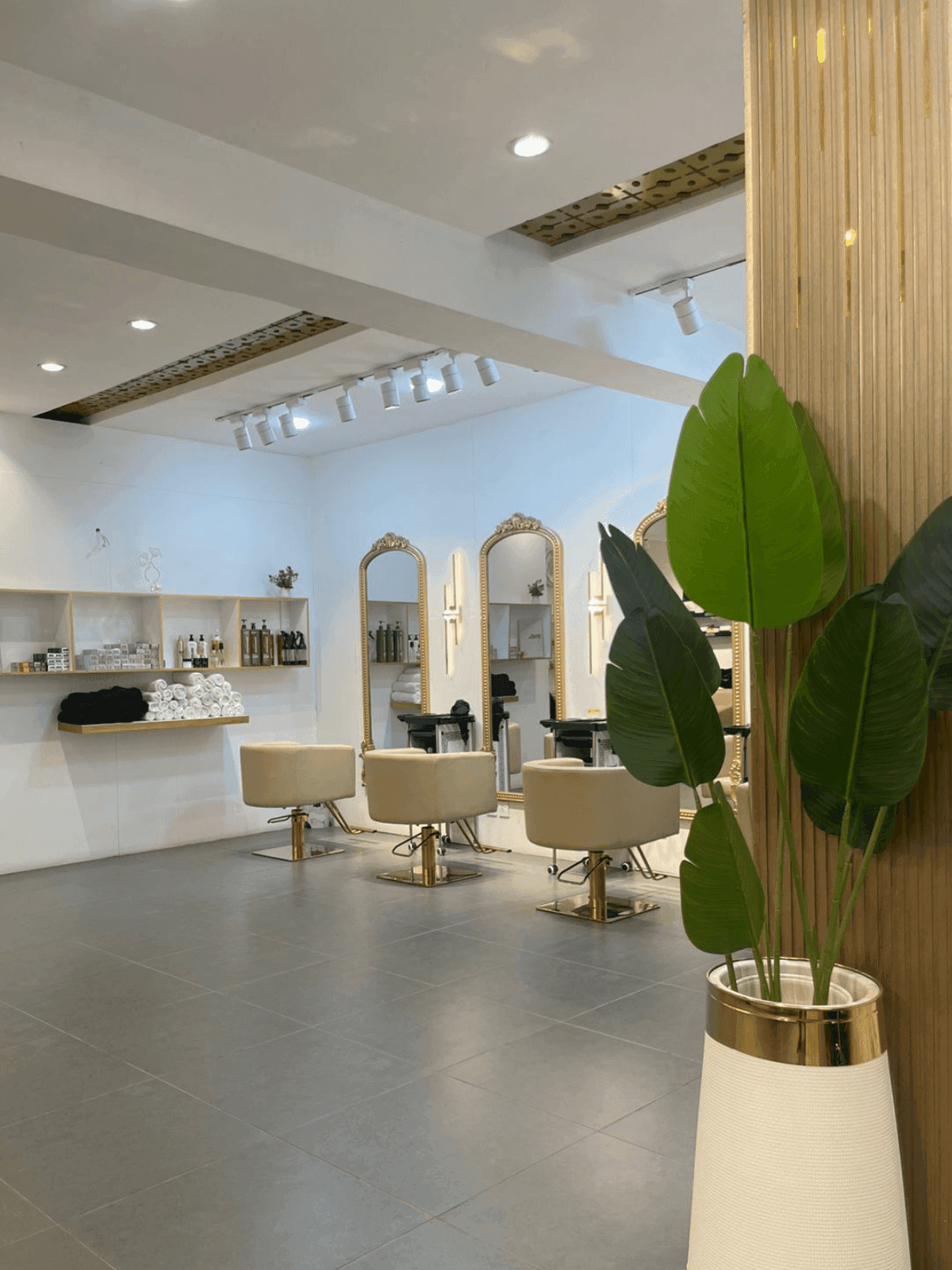
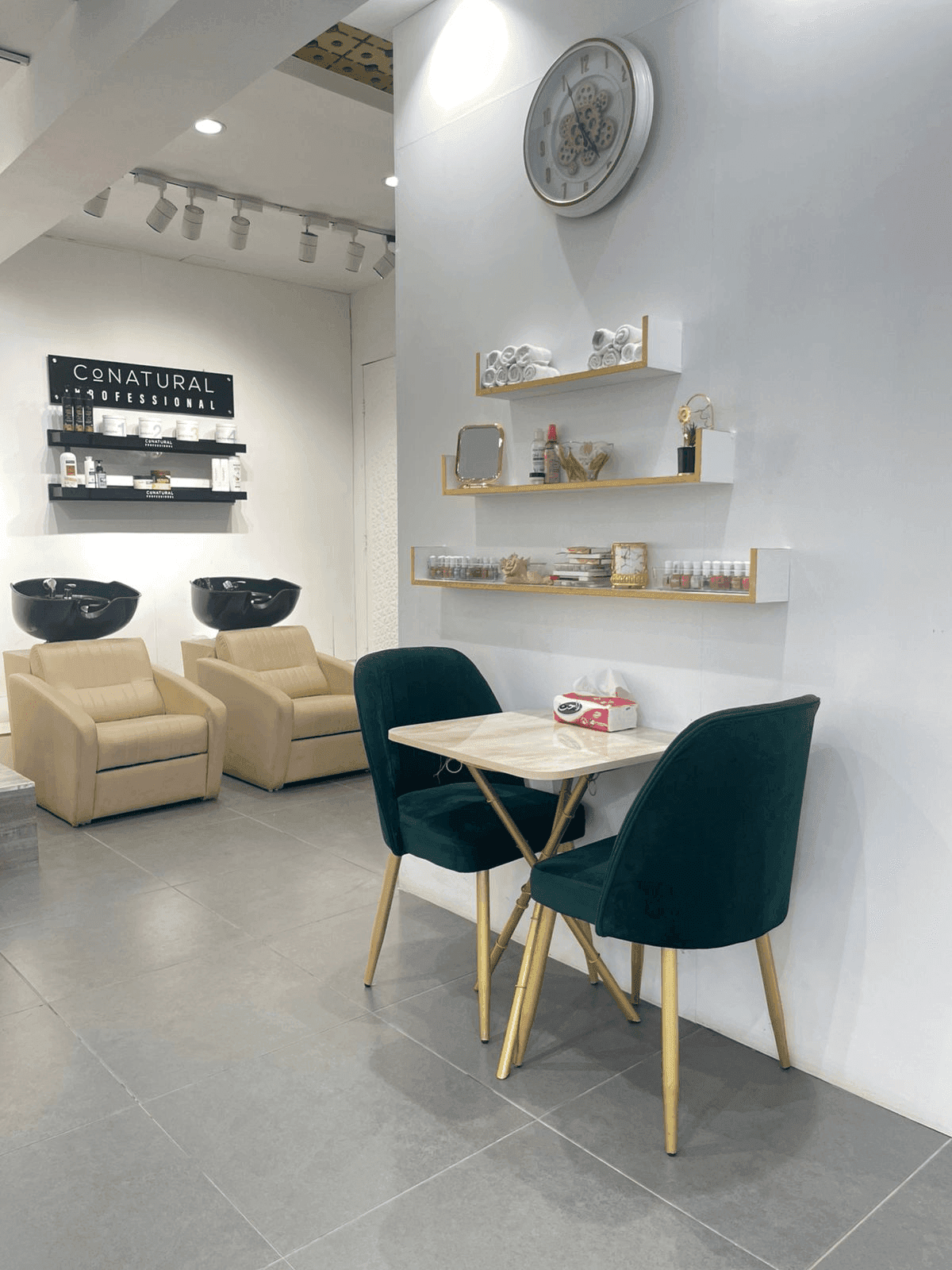
If home care has plateaued, an in-salon treatment resets things fast. Our hair treatments include scalp detox protocols that exfoliate buildup, soothe inflammation and deliver actives deeper than any shampoo can. For most clients one session a month alongside a good home routine clears things within two cycles.
Food, Stress and the Flare You Didn't See Coming
Dandruff is also an internal mirror. Three triggers we see over and over:
- Sugar and refined carbs feed yeast overgrowth. Reducing (not eliminating) desi sweets, biscuits and white bread during a flare makes a real difference.
- Deficiency in zinc, B-vitamins and omega-3 weakens the scalp barrier. If you don't eat fish, consider flaxseed or a supplement.
- Stress and poor sleep spike cortisol, which spikes oil production. Wedding season brides see this constantly.
Hydration matters too — most Lahori women are mildly dehydrated most of the year, and it shows up on the scalp before the skin.
When to Stop DIY-ing and Come In
Book a consultation if:
- You've used medicated shampoo correctly for 6 weeks with no change
- Flakes are accompanied by hair shedding or visible thinning
- Your scalp is painful, bleeding, or has defined patches
- You're approaching a wedding event and need results fast
For pre-event clearing, we often pair a scalp detox with a conditioning hair service so you leave with both a calm scalp and camera-ready hair. Brides especially benefit from starting scalp care at least eight weeks before their events — flaky partings and powdery shoulders are not what you want on your bridal day.
The Short Version
Dandruff in Lahore is almost always a scalp-ecosystem problem, not a shampoo problem. Wash more often with the right actives, strip hard-water buildup monthly, keep oil off the scalp during flares, and address the diet and stress underneath. Do that for six weeks and the black-kameez test will stop being a test. Do it alongside a monthly professional treatment and you'll likely forget you ever had the issue at all.