· 5 min read
Dry Skin Survival Guide for Lahore Winters: What Works
Lahore's smoggy, dry winter air leaves skin tight, flaky and dull. Here's a stylist-approved routine, in-salon fixes and home habits that actually restore softness.
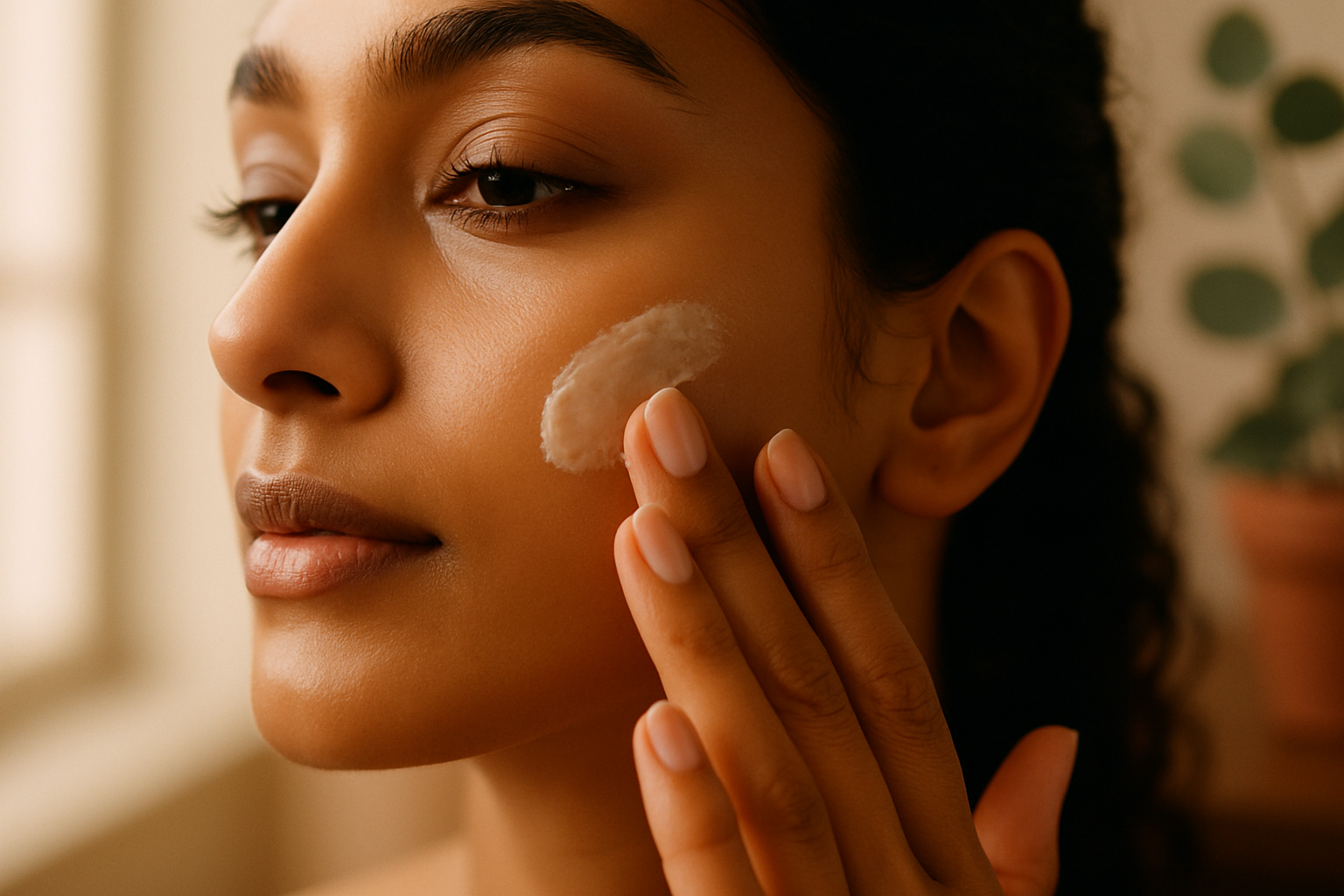
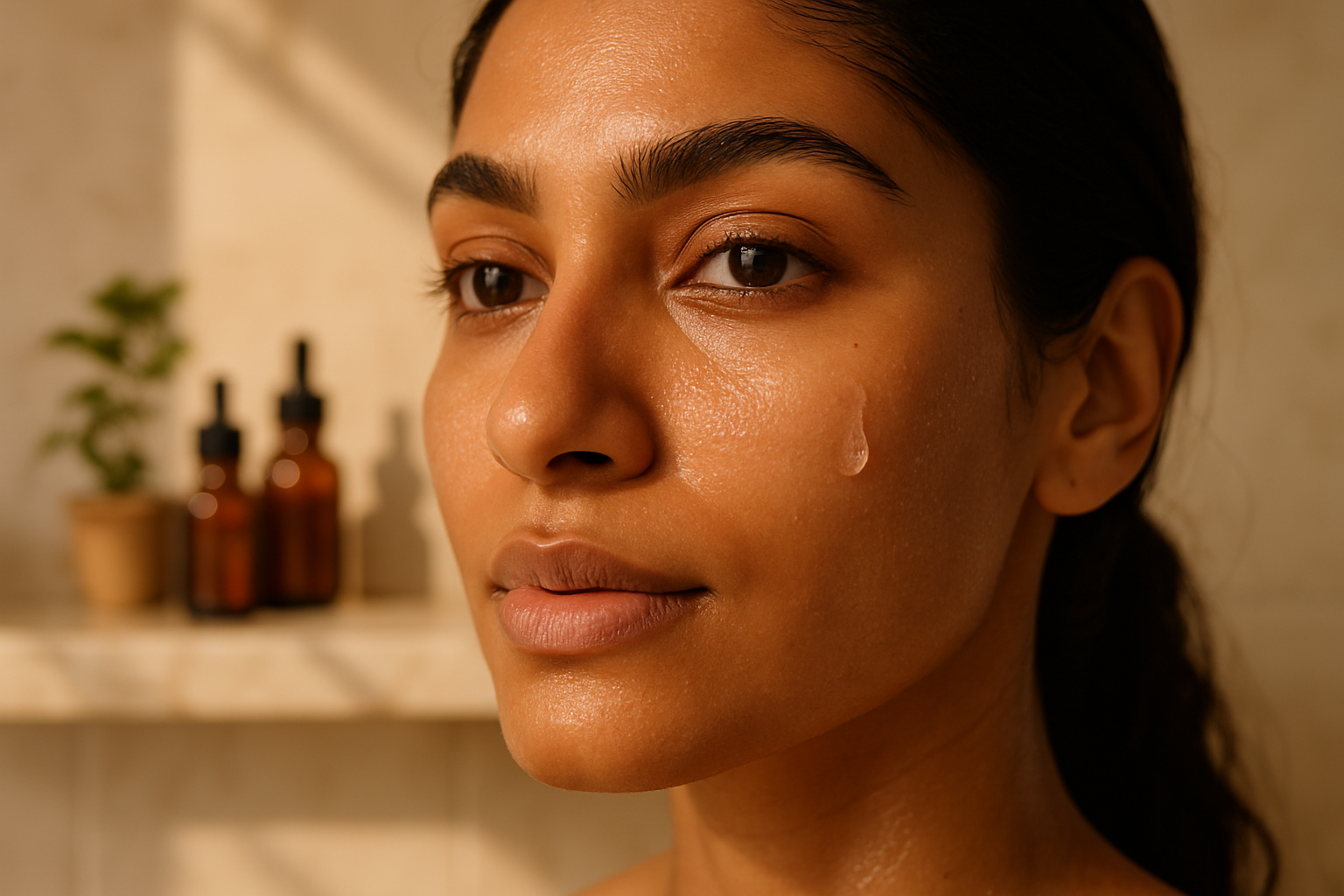
If your skin feels fine in October and then suddenly tight, itchy and powdery by mid-November, you are not imagining it. Lahore winters are a specific kind of cruel for skin: temperatures drop, humidity collapses, the smog layer thickens, indoor heaters strip the air further, and most of us swap our daily water intake for endless cups of chai. The result is a compromised skin barrier that looks dull under makeup, flakes around the nose, and reacts to products that worked perfectly in summer. The good news is that dry winter skin responds quickly once you give it the right support. Here is the routine, the ingredients and the in-salon help that genuinely move the needle between December and February.
Why Lahore Winters Dehydrate Skin Faster Than You'd Expect
Lahore sits in a dry continental winter zone. From late November through February, relative humidity often drops below 40%, and on smoggy mornings the particulate matter in the air physically clings to your skin's lipid layer and oxidises it. Add to that:
- Hot water bathing that strips sebum in minutes
- Gas heaters and blow dryers that bake moisture out of the top layer
- Wool and synthetic shawls rubbing against the jaw and neck
- Reduced water intake because nobody feels thirsty in cold weather
So even oily and combination skin types start behaving like dry skin in Lahore winter — tight after cleansing, dull by evening, and prone to little flakes that ruin foundation. The fix is not just "more moisturiser." It is smarter layering and barrier repair.
Rebuild the Routine: Morning and Night, Winter Edition
Switch your products before your skin starts complaining, ideally by the first week of November.
Morning
- Skip the foaming face wash. Rinse with lukewarm water or use a creamy, non-foaming cleanser. Save actives for night.
- Hydrating toner or essence — look for glycerin, panthenol, hyaluronic acid or sodium PCA. Press into damp skin.
- Serum — a hyaluronic acid or niacinamide serum on still-damp skin locks water in.
- Moisturiser with ceramides — this is the non-negotiable. Ceramides, cholesterol and fatty acids rebuild the barrier that winter air is tearing apart.
- Sunscreen, SPF 30 minimum. Yes, even in Lahore winter. UVA punches through smog and clouds and is the single biggest cause of winter dullness.
Night
- Double cleanse if you wore makeup or sunscreen — an oil-based cleanser first, then a gentle milky one.
- Treatment night (2–3x a week): a low-strength retinol or lactic acid, buffered with moisturiser.
- Repair night (other nights): layer a hydrating essence, a richer cream, and a drop of facial oil (squalane, rosehip or marula) as the final seal.
If your skin stings when you apply almost anything, your barrier is already broken. Stop all actives for 10 days and do only cleanse-hydrate-moisturise. It will reset faster than you think.
In-Salon Treatments That Genuinely Help Dry Winter Skin
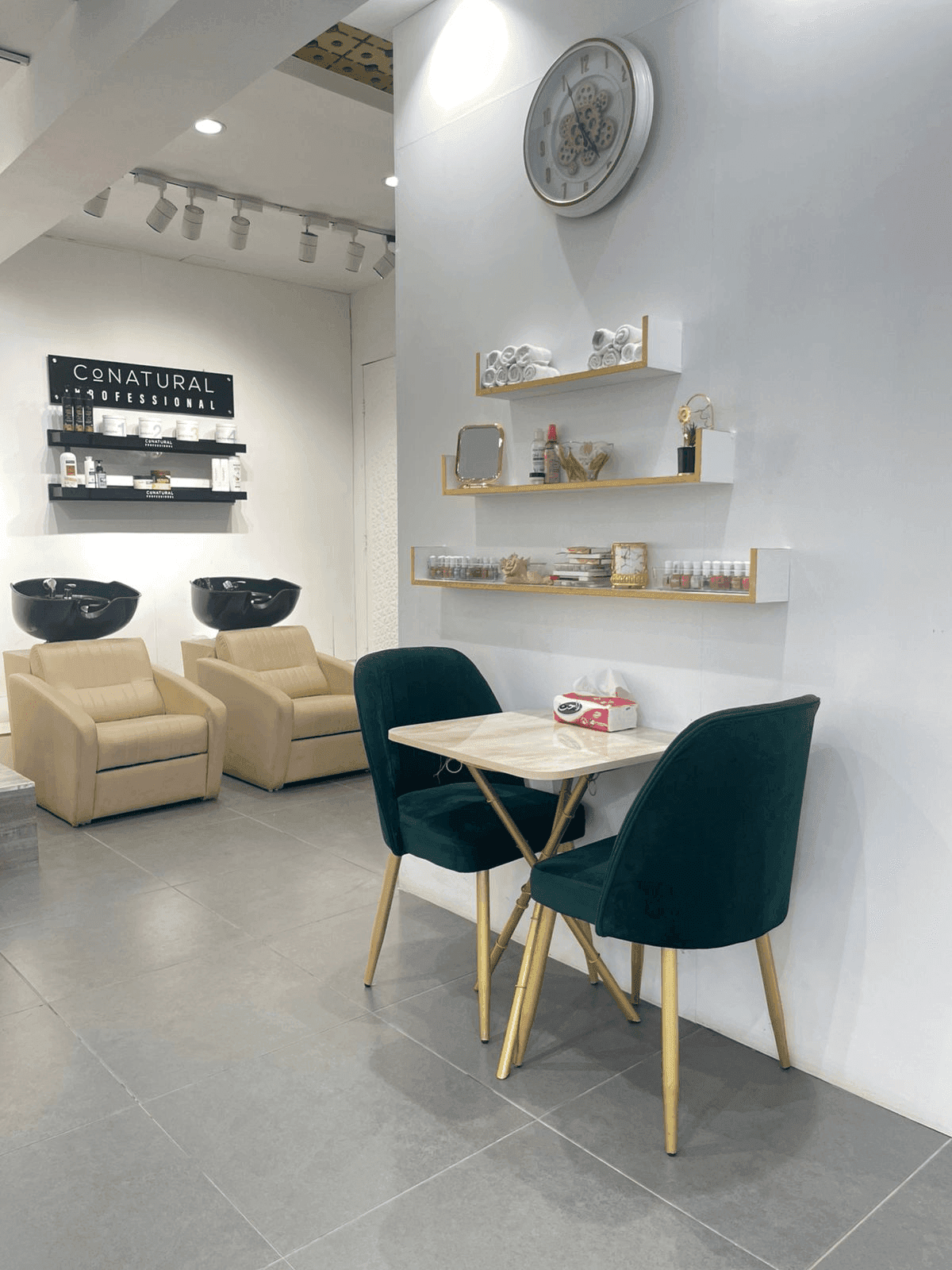
At-home routines handle maintenance, but once a month a professional treatment makes a visible difference — especially in DHA Phase 3, where ambient pollution adds another layer of stress on top of dryness.
- Hydrating facials are the backbone of winter skin. A good one uses enzyme exfoliation (not harsh scrubs), a hydrating mask with hyaluronic acid or algae, and a barrier-sealing massage. Explore the facial menu at Rabbiz Salon and ask specifically for a hydrating or barrier-repair protocol — not a brightening or deep-clean one, which can be too stripping in December.
- Deep cleansing with gentle extractions removes the oxidised sebum and smog residue that make winter skin look grey. A proper cleansing treatment once a month keeps pores clear without aggravating dryness.
- Body polishing — your face is not the only thing suffering. Arms, shins and back get ashy and rough. A monthly body polishing session with a hydrating finish keeps winter clothing from feeling scratchy against the skin.
- Body massage improves circulation, which is sluggish in cold weather and partly why skin looks dull. A warm oil body massage is one of the most underrated winter skin treatments.
Avoid aggressive peels, high-strength microdermabrasion or anything described as "deep whitening" during peak winter weeks. They almost always backfire on dehydrated Lahore skin.
Ingredient Shopping List (And What to Avoid)
Put these in your cart
- Humectants: glycerin, hyaluronic acid, panthenol, honey, urea (low %)
- Emollients: squalane, shea butter, jojoba oil, ceramides
- Occlusives: petrolatum (yes, Vaseline is excellent at night on dry patches), dimethicone, lanolin
- Barrier helpers: niacinamide, centella asiatica, oat extract
Put these away until March
- High-strength AHAs and BHAs used daily
- Clay masks more than once a week
- Alcohol-heavy toners
- Vitamin C serums at concentrations above 15% if they sting
- Hot water on the face, ever
Daily Habits That Quietly Make the Biggest Difference
Products can only do so much if your environment is working against you.
- Shower lukewarm, max 10 minutes. Apply body lotion within 60 seconds of towelling off, on still-damp skin.
- Keep a humidifier in your bedroom. If you don't have one, a wide bowl of water near the heater helps.
- Reapply hand cream after every wash. Hands age fastest in winter and give away your age before your face does.
- Lip care at night: a thick balm with lanolin or petrolatum, not a tinted gloss.
- Drink warm water with lemon through the day — you will not feel thirsty in winter, but your skin still needs 2 litres.
- Switch pillowcases to silk or satin. Cotton pulls moisture from skin and hair.
Don't Forget Hands, Feet and Scalp
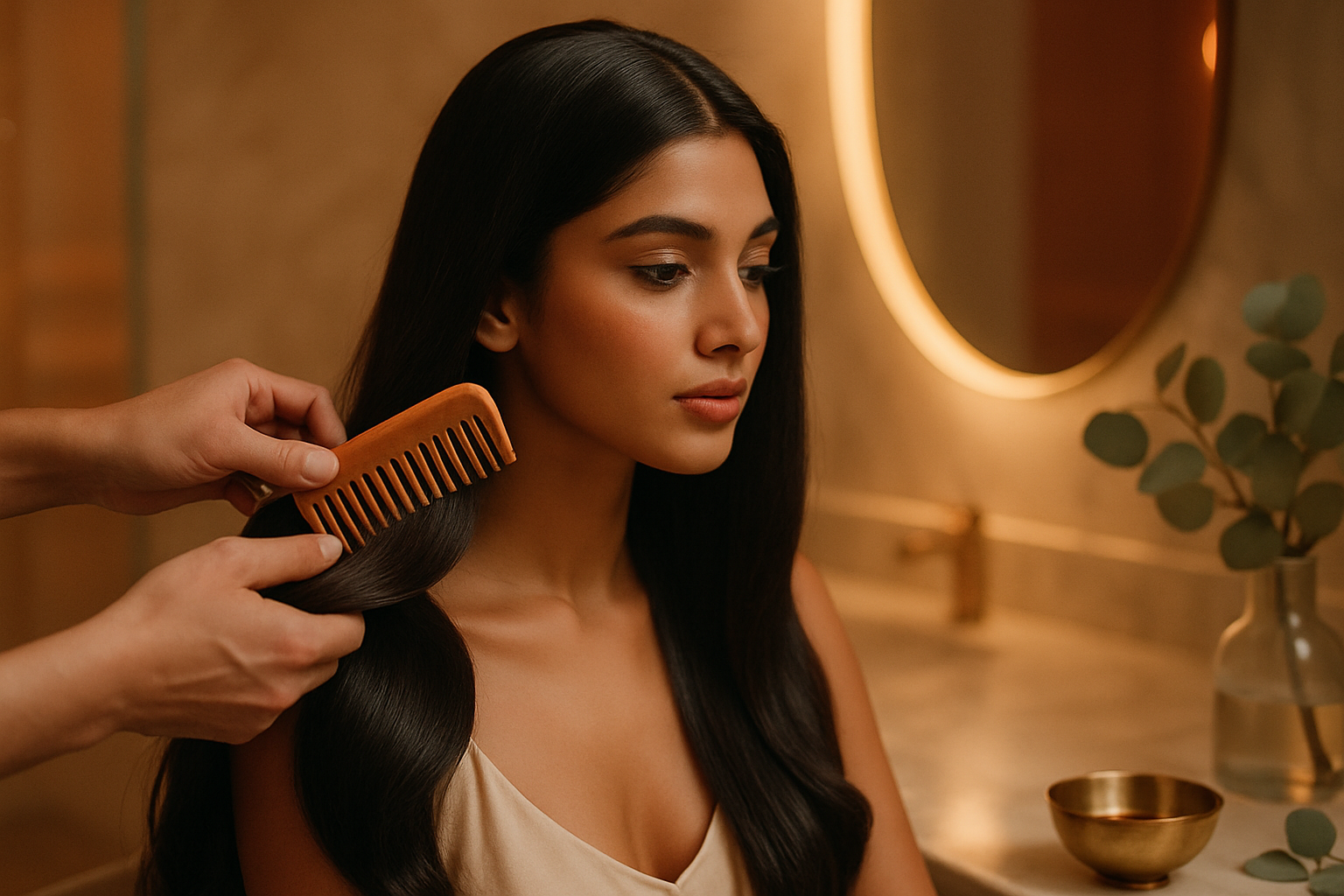
Cracked heels, peeling cuticles and a flaky scalp are winter staples in Lahore. A monthly mani-pedi with proper paraffin or hydrating treatment prevents the painful heel splits that start in January. For your scalp, a nourishing hair treatment once a month will stop the itchy, dandruff-adjacent flaking that cold weather triggers.
When to See a Professional vs Push Through at Home
Minor tightness and occasional flakes are normal and handled by the routine above. But book a consultation if you notice:
- Persistent red, stinging patches that don't settle in a week
- Skin that reacts to everything, even water
- Deep cracks around the mouth or nose
- Flaking that keeps returning no matter how much moisturiser you apply
These usually signal a damaged barrier that needs professional reset — a series of gentle hydrating facials, product edits and sometimes a dermatologist referral. Winter is not the season to experiment on your own. Give your skin the layered, calm, consistent care it is asking for, and by the time spring arrives in March, you will have the kind of soft, even skin that doesn't need much makeup to look good.