· 5 min read
Hair Care After Coloring: A Routine That Actually Works
Fresh colour fades fast in Lahore's heat and hard water. Here's a realistic post-colour hair routine that protects tone, shine and integrity for weeks.
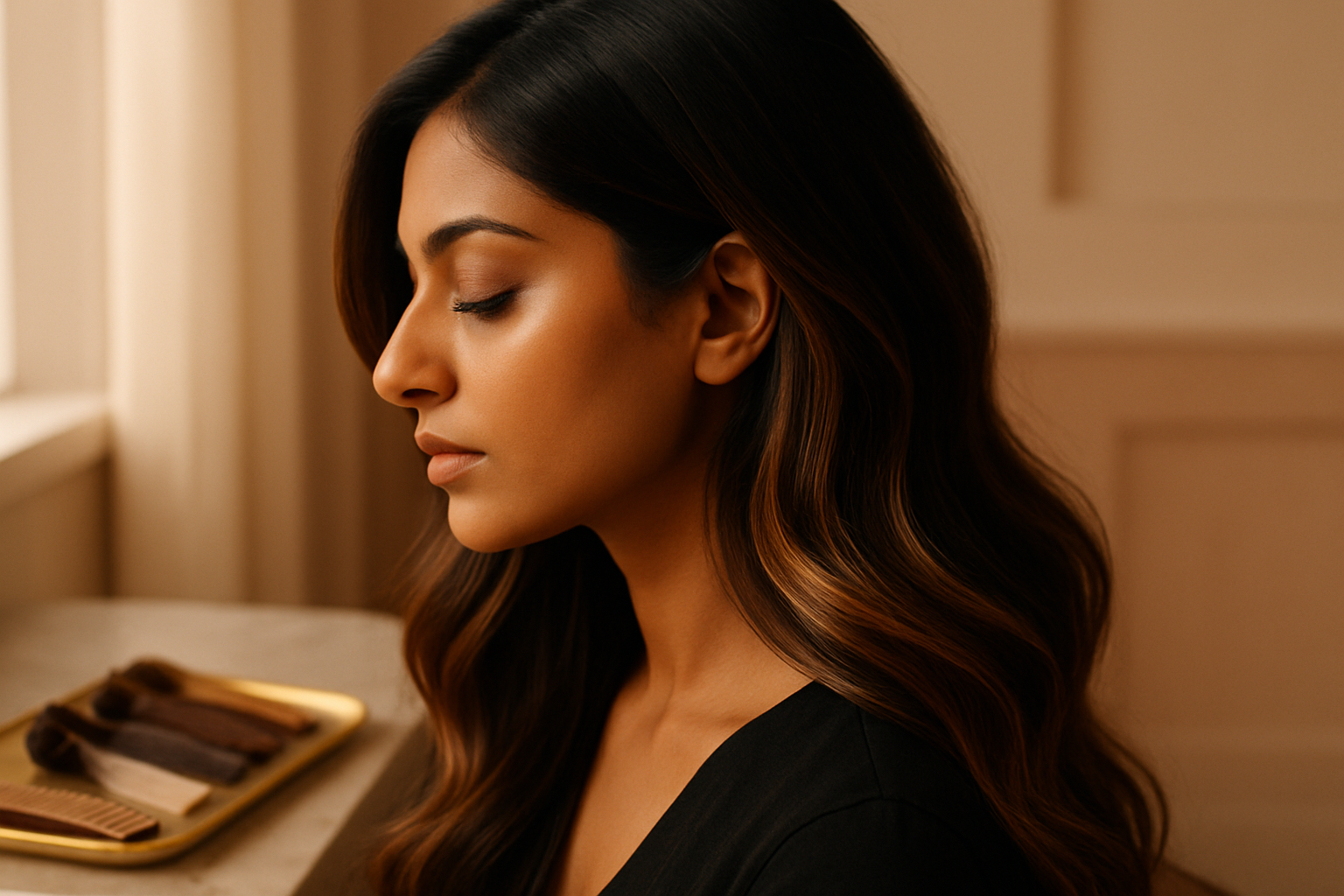
You walk out of the salon with the exact shade you wanted — that warm cinnamon balayage, a clean ash blonde, or a deep glossy espresso. Two weeks later in Lahore's sun, chlorinated pool water and mineral-heavy tap supply, it already looks duller, brassier, or stripped at the ends. This isn't bad colour. It's an aftercare gap. What you do in the first 72 hours, and then weekly for the next two months, decides whether your colour stays gallery-fresh or fades into something flat.
Here's the routine we actually recommend to clients at Rabbiz Salon — not a product haul, but a sequence of habits that protect both tone and hair integrity.
The First 72 Hours Are Non-Negotiable
When your cuticle is freshly opened by colour, the dye molecules need time to settle and bond. Wash too soon and you literally rinse pigment down the drain.
- Wait 48–72 hours before the first wash. Sleep on a silk or satin pillowcase so the colour doesn't transfer or get roughed up.
- Avoid heat styling for the first two days. Air-dry or use a cool blow-dry setting.
- No sweat-heavy workouts in the first 48 hours if you can manage it — salt from sweat lifts pigment, especially at the roots and hairline.
- Skip the pool. Chlorine is the single fastest way to turn a fresh brunette brassy or pull green tones into blonde.
If your colour was done as part of a hair treatment and dye appointment with us, we usually send you home with a sealing rinse already done — but the home rules still apply.
Rethink How You Wash Coloured Hair
Most women in Lahore wash their hair three to four times a week out of habit. Coloured hair simply doesn't need that, and over-washing is the #1 reason colour fades early.
Frequency
Twice a week is the sweet spot for most coloured hair types. If your scalp gets oily, use a gentle dry shampoo between washes, or co-wash (conditioner only) mid-week.
Water temperature
Warm-to-cool, never hot. Hot water opens the cuticle and lets pigment escape. Finish every wash with a 10-second cool rinse — it seals the cuticle and is the cheapest shine treatment you'll ever do.
Shampoo choice
Look for sulphate-free and colour-safe on the label. Sulphates (SLS, SLES) are detergents designed to strip — exactly what you don't want. For blondes, alternate a purple shampoo once a week to neutralise brass. For warm brunettes and reds, a blue or red-pigmented shampoo every 10 days refreshes tone between salon visits.
Conditioner & masks
Condition mid-lengths to ends every wash. Once a week, swap your conditioner for a deep mask and leave it on for 10–15 minutes under a warm towel.
The Lahore Water Problem (and How to Fix It)
This is the conversation we have with almost every client in DHA. Lahore's water carries high mineral content — calcium, iron, sometimes copper from old plumbing. These minerals deposit on the hair shaft and:
- Make blondes go orange or yellow
- Dull brunettes into a muddy tone
- Cause dryness that no mask can fully fix
Two practical solutions:
- Install a shower filter. Even a basic carbon-and-KDF filter cuts metals significantly. They're available online in Pakistan for very reasonable prices.
- Use a clarifying or chelating treatment once a month. This is different from a regular clarifying shampoo — it specifically binds to minerals and lifts them out. Do it the night before a salon visit so your toner or gloss applies evenly.
Heat, Sun and Styling Habits
Coloured hair is, structurally, slightly more porous than virgin hair. That means it loses moisture faster and absorbs damage faster.
- Always use a heat protectant before any tool above 150°C. Non-negotiable.
- Lower your tools. Most fine-to-medium hair styles perfectly at 160–180°C. The 220°C setting is destroying your colour and your ends.
- UV protection matters. Lahore sun fades reds and coppers especially fast. A leave-in with UV filters, a hat on long outdoor days, or even a light hair oil with SPF-friendly ingredients (argan, raspberry seed) helps.
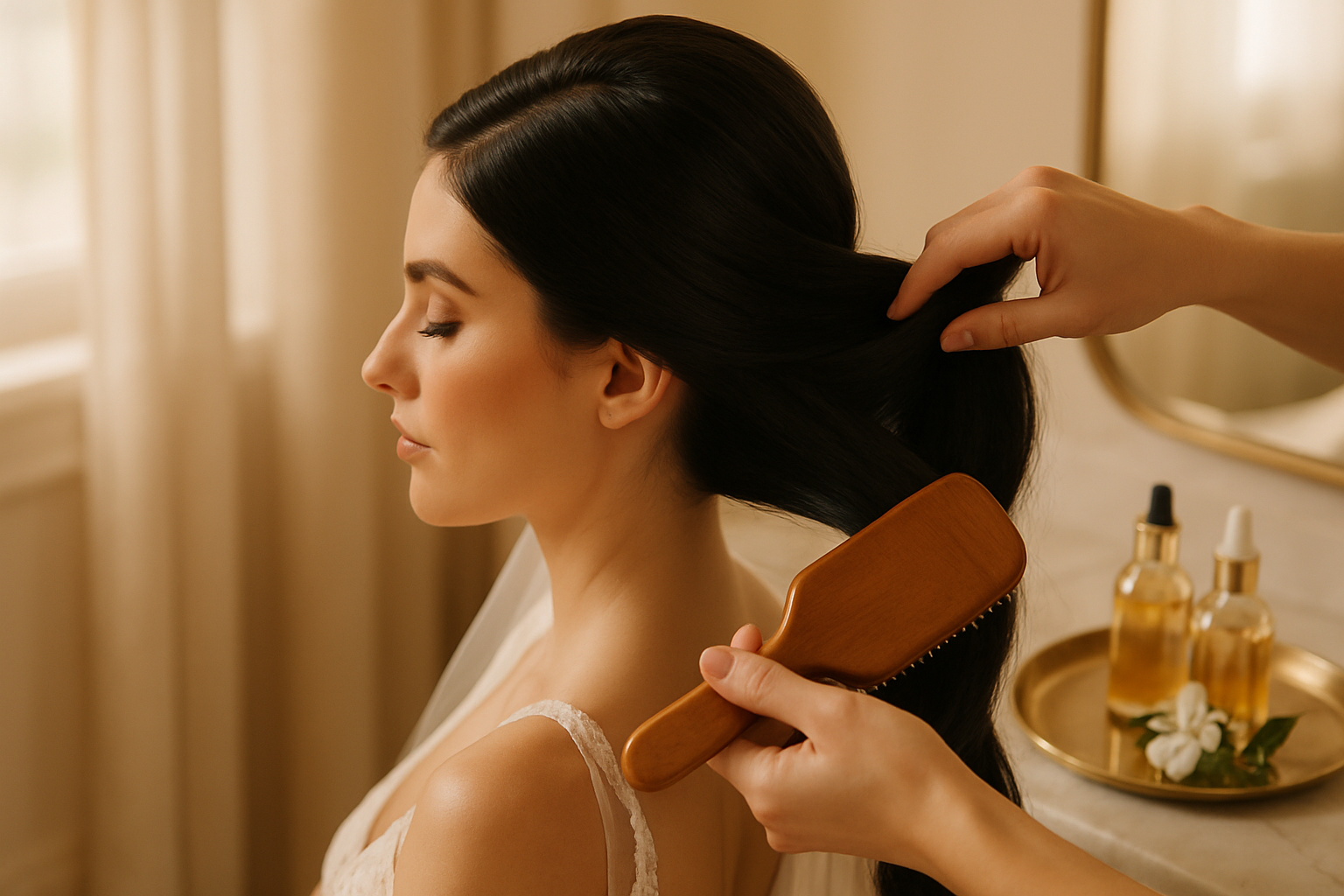
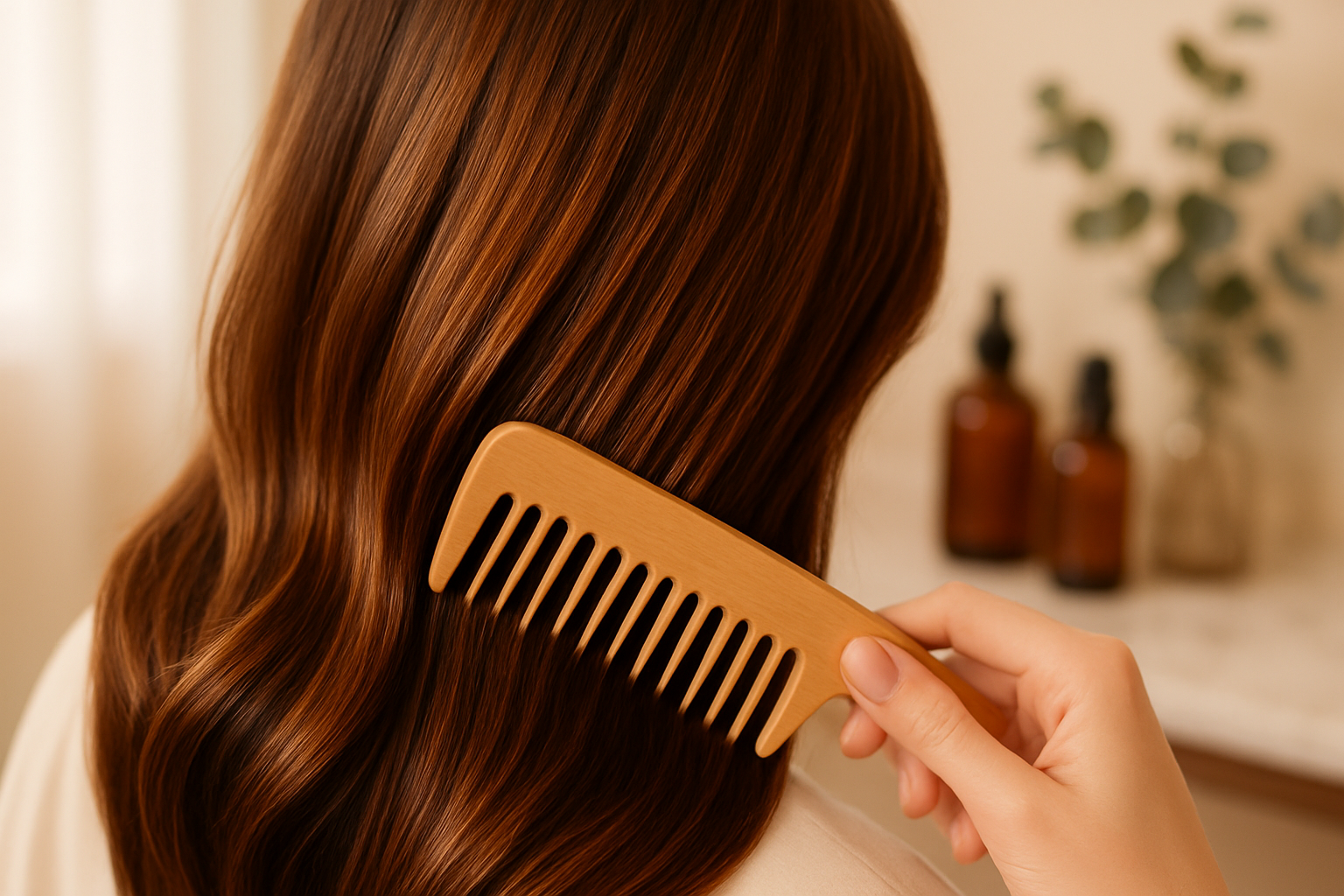
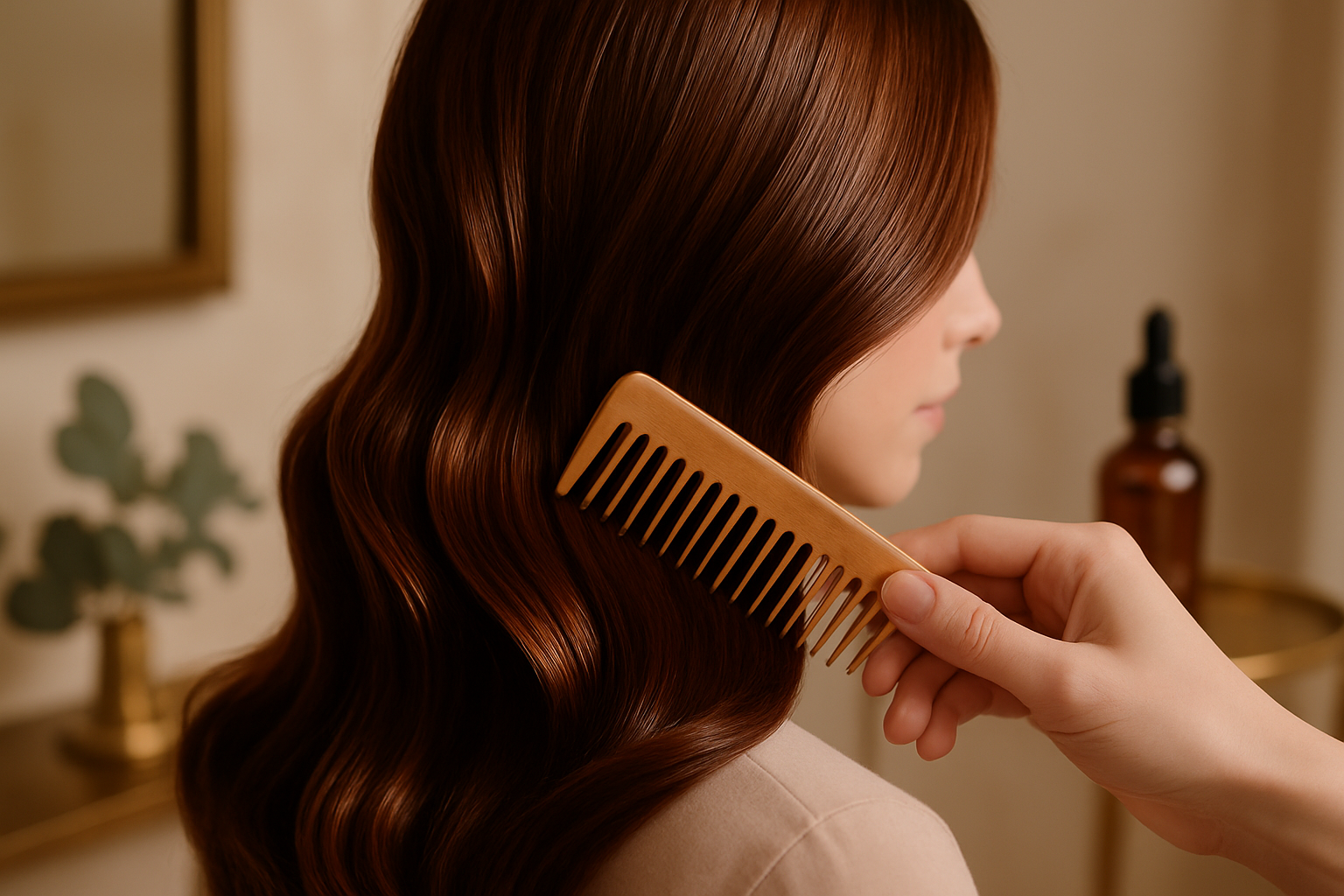
- Brush gently. Wet hair is at its weakest. Use a wide-tooth comb or a wet brush, starting from the ends.
In-Salon Maintenance: What's Actually Worth Booking
Home care extends your colour. Salon care restores it. A few treatments are genuinely worth the money:
- Gloss or toner refresh every 4–6 weeks. This is a quick, low-commitment service that revives shine and corrects any drift in tone — far gentler than re-colouring.
- Bond-building treatments (Olaplex-style) every 3–4 weeks if you're blonde, highlighted, or have done significant lift. These rebuild the internal disulphide bonds that colour processing breaks.
- **Deep conditioning hair treatments **— particularly useful in summer and again before winter, when humidity and temperature shifts stress the cuticle.
If you have extensions, your routine changes slightly — gentler shampoos, no oil on the bonds, and a check-in every 6–8 weeks. Our hair extensions clients get a tailored aftercare card on day one for exactly this reason.
Daily and Weekly Habits That Quietly Make the Biggest Difference
The glossy hair you see on clients leaving the salon isn't only product — it's accumulated small choices.
- Oil the lengths, not the scalp, twice a week. A light argan or camellia oil for fine hair; almond or a heavier blend for coarse hair. Leave it for an hour before washing.
- Sleep with hair loosely braided or in a silk scrunchie to reduce friction.
- Don't tie wet hair up — it stretches and snaps coloured strands.
- Trim every 8–10 weeks. Split ends travel up the shaft and make colour look faded even when it isn't.
- Drink water and eat protein. Hair is keratin. No serum compensates for under-eating protein.
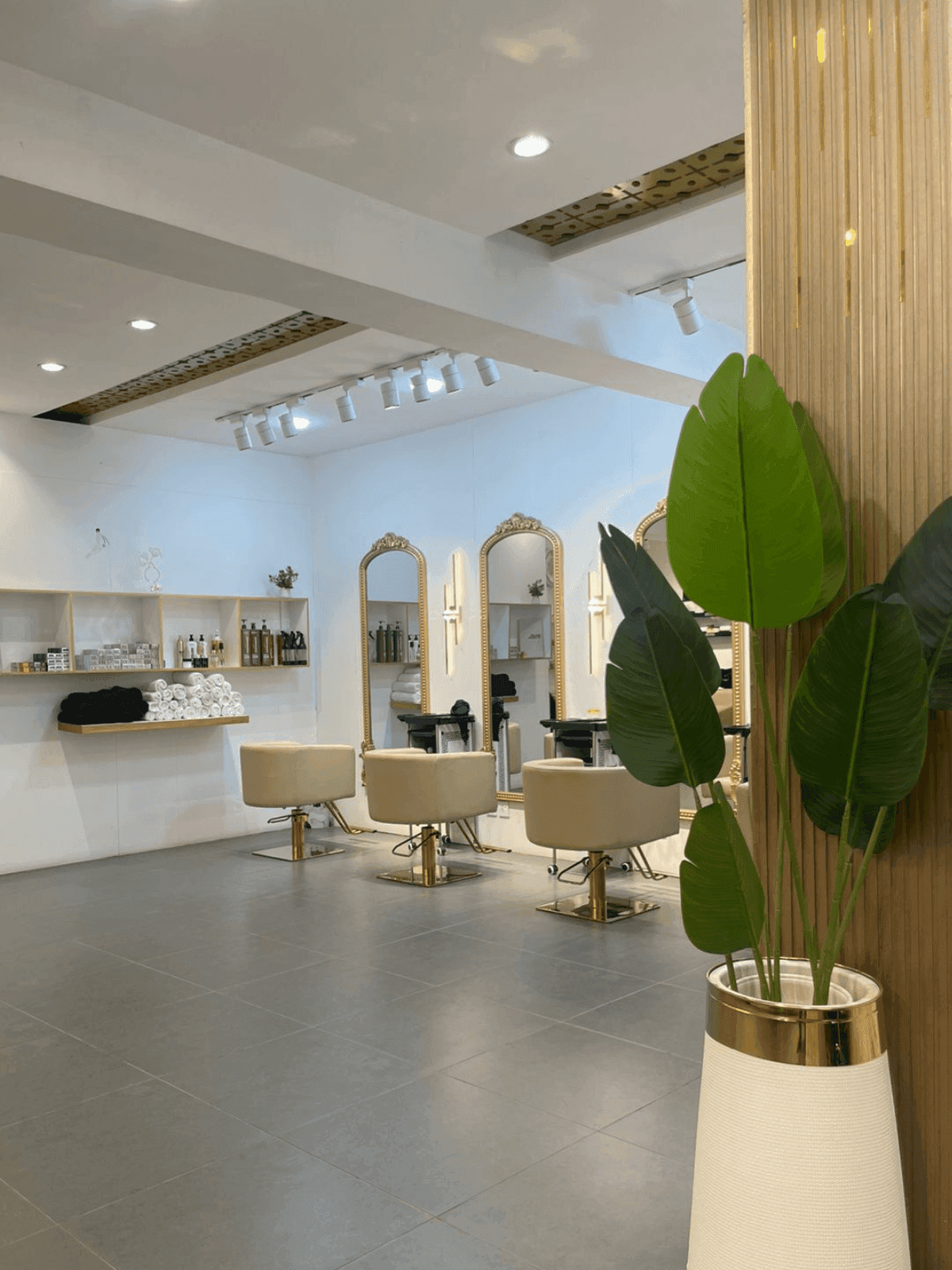
If you'd like a personal plan — including which products suit your specific colour, porosity and water situation — book a consultation alongside your next hair treatment and dye appointment at our DHA Phase 3 studio. We'll look at your hair under proper light, ask the right questions, and send you home with a routine you'll actually stick to.
Colour fades. The goal isn't to stop that — it's to slow it gracefully, so the day you walk back into the salon, you're refreshing something beautiful, not rescuing something tired.