· 5 min read
Hair Care After Coloring: A Routine That Actually Works
Fresh color fades fast in Lahore's water and weather. Here's the honest, salon-tested routine that keeps tone true and hair genuinely healthy — not just glossy for a week.
You spent two to four hours in the chair, watched foils come off, and left the salon with hair that finally looks the way you imagined. Two weeks later the tone has shifted, the ends feel straw-like, and you're wondering if the color was even worth it. Almost always, the color wasn't the problem — the aftercare was. What you do in the seventy-two hours after coloring, and then weekly for the next six weeks, decides how long your tone stays true and how healthy your hair actually feels. Here's the routine we recommend to clients at Rabbiz Salon, refined over years of coloring hair in Lahore's specific water and weather.
The First 72 Hours Set the Tone — Literally
Color molecules take up to three days to fully settle inside the cortex of your hair. Wash too soon and you rinse them straight down the drain. This is the single most-ignored rule and the reason so many women complain their color "just didn't take."
- Don't shampoo for at least 48 hours, ideally 72. If your scalp feels oily, dust roots with a light dry shampoo.
- Skip hot showers. Steam opens the cuticle and pigment escapes. Rinse with lukewarm water and finish with a cool blast.
- No heavy oiling for the first week. Coconut and mustard oils are wonderful, but applied too soon they can lift freshly deposited color, especially reds, coppers and ash tones.
- Avoid chlorinated pools and salt water. If a swim is unavoidable, coat your hair in conditioner first and wear a cap.
Rethink Your Shampoo (This Is Where Most Routines Fail)
The supermarket shampoo you've used for years is almost certainly stripping your investment. Anything with sulfates (SLS, SLES) is designed to deep-clean — great for scalp buildup, terrible for color longevity.
What to look for on the back label
- Sulfate-free and paraben-free as a baseline
- A pH between 4.5 and 5.5 (closer to your hair's natural pH, keeps the cuticle flat)
- Color-safe or color-protect labeling from a professional brand, not just a marketing claim on a drugstore bottle
Wash less, condition more
In Lahore, most women wash every second day out of habit. Colored hair does better on a two-to-three-wash-per-week schedule. On non-wash days, a quick water rinse plus conditioner mid-lengths to ends refreshes without stripping. If you have blonde, ash or silver tones, a purple shampoo once every 7–10 days neutralises the brassiness our hard water tends to bring out.
Moisture and Protein — Get the Balance Right
Coloring is a chemical process. It swells the cuticle, and repeated coloring gradually depletes both moisture and internal protein. A good weekly ritual repairs both, but in the right order.
- Weekly deep conditioning mask — 10 to 15 minutes, applied to damp (not dripping) hair, focused from the ears down. Look for shea butter, argan, avocado or panthenol.
- Bond-repair treatment every 2 to 3 weeks — products with bond-building technology (the kind your colorist likely used during service) genuinely help colored hair feel like hair again.
- Protein treatment once a month — but only if your hair feels mushy or overly stretchy when wet. Over-proteining causes brittleness. When in doubt, book a professional hair treatment so we can assess what your hair actually needs.
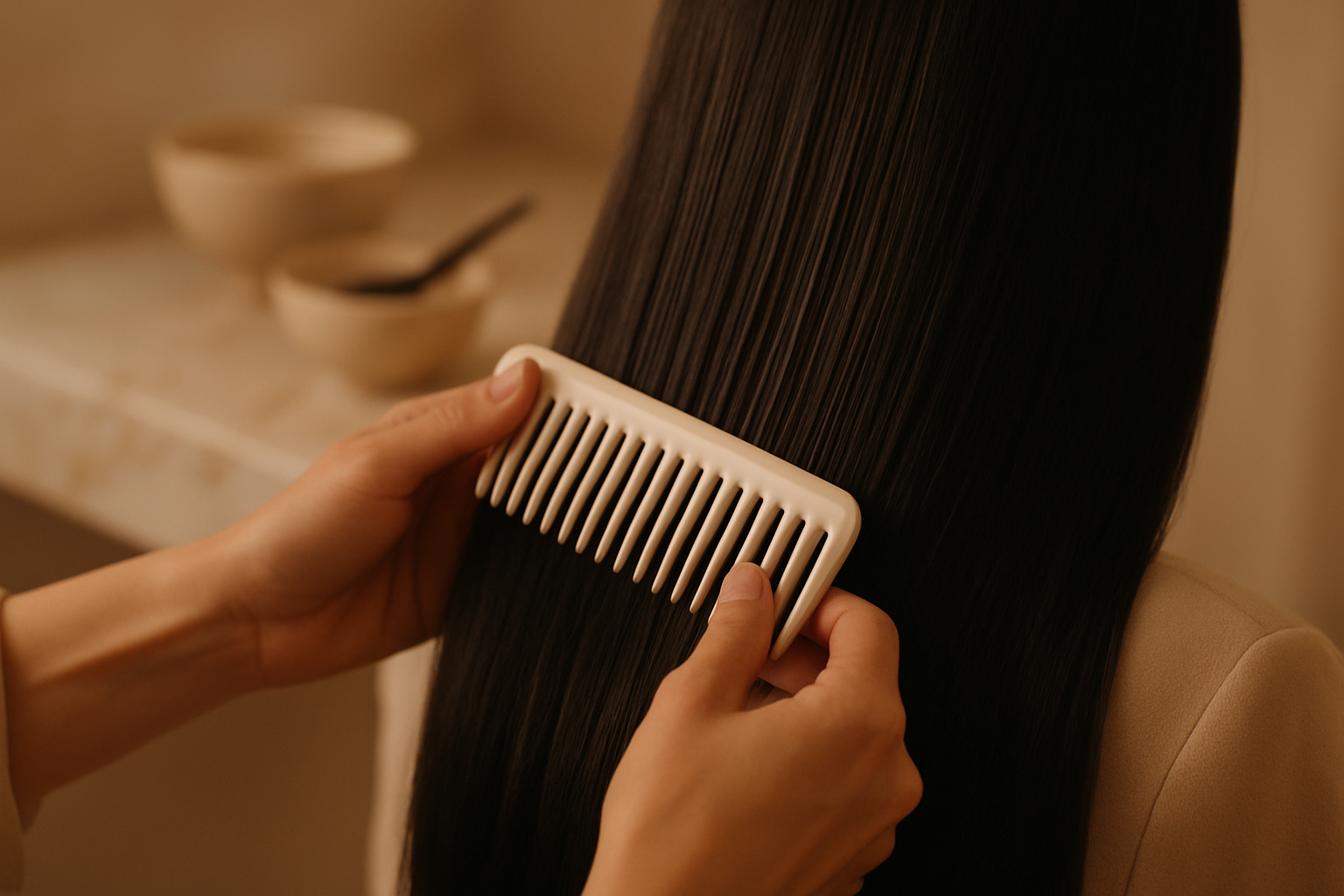
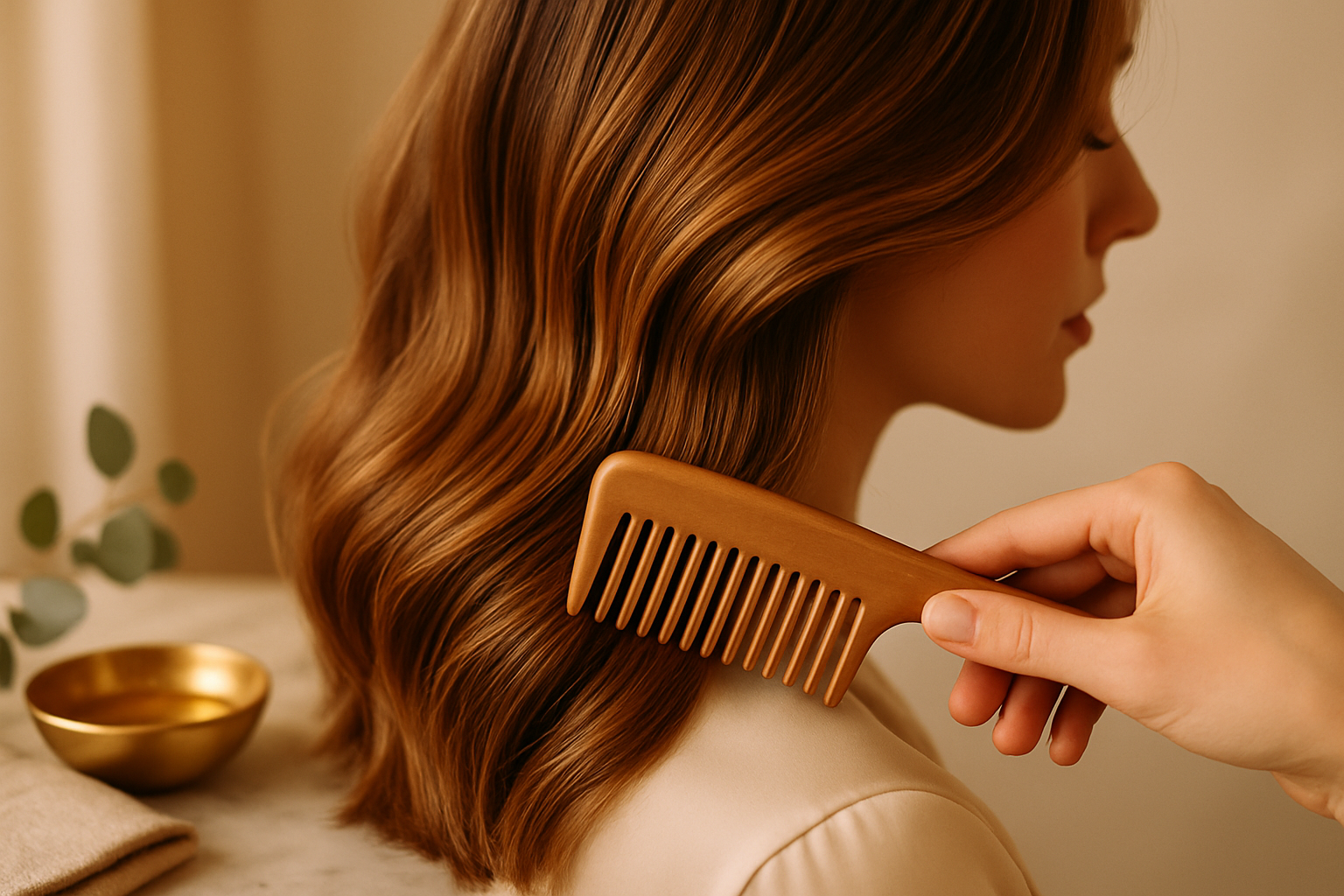
A useful home tip: after conditioning, comb through with a wide-tooth wooden comb while the product is still in, then rinse. It distributes moisture evenly and reduces breakage on wet, fragile colored hair.
Heat, Sun and Lahore's Environmental Reality
Our city is not kind to colored hair. UV rays fade tone (reds and coppers go first, then browns, then blondes turn brassy). Pollution deposits particles that dull shine. Hard water leaves mineral buildup that shifts your color grey-green over time.
- Always use a heat protectant before blow-drying, straightening or curling — even for a quick touch-up. Aim for 180°C or lower on colored hair.
- Air-dry to 70% first, then finish with a dryer. Full heat-drying from soaking wet is where most damage happens.
- Wear a hat or scarf on long outdoor days. A leave-in with UV filter helps if you're often driving with the window down.
- Consider a shower filter if you live in an area with particularly hard water — Cavalry, parts of DHA and Bahria all show this issue. It's a small investment that visibly extends color life.
In-Salon Maintenance: When to Come Back
Home care buys you time. Salon care buys you longevity. A realistic maintenance calendar for most clients looks like this:
- Every 3 weeks: in-salon gloss or toner refresh (10–15 minutes, adds shine and re-tones without full re-coloring)
- Every 6–8 weeks: root touch-up if you have significant regrowth or grey coverage
- Every 8–12 weeks: a full color refresh with a deep-conditioning add-on
- Every 3 months: a small trim, even 1 cm, to remove split ends before they travel up the shaft
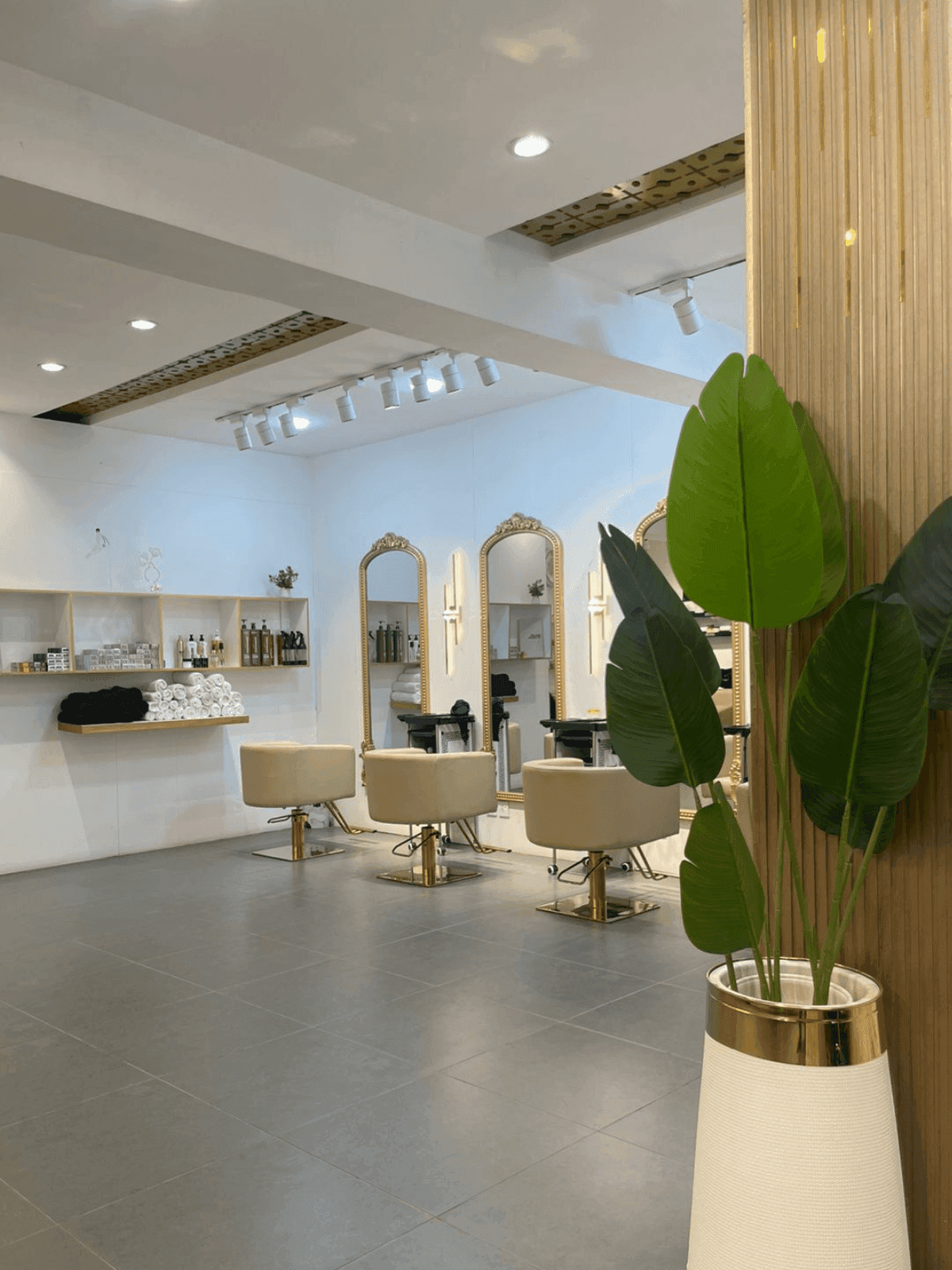
At our DHA Phase 3 studio, we offer a post-color gloss and shine service that most women underestimate — it's the single fastest way to make three-week-old color look freshly done. If your ends are struggling, adding a proper conditioning ritual through our hair care menu makes a real difference between appointments.
The Small Habits That Compound
These cost nothing and change everything over six months of colored hair:
- Silk or satin pillowcase — reduces friction, prevents overnight breakage and keeps blow-dries lasting an extra day.
- Never brush hair when wet from the roots down. Start at the ends, work up. Colored hair is at its most fragile wet.
- Loose scrunchies, not tight elastics. Ponytail creases weaken and eventually snap colored strands.
- Detox once a month with a clarifying shampoo to remove mineral and product buildup — then follow immediately with a mask, because clarifying is drying.
- Book your next color appointment before you leave the current one. Waiting until roots are 4 cm out means harsher color-matching and more damage.
Healthy colored hair isn't about buying twenty products. It's about washing less, protecting more, and being consistent with a small handful of habits. Do these for eight weeks and you'll notice your color staying truer, your hair feeling softer, and your salon visits becoming maintenance rather than rescue missions.