· 5 min read
Keratin Treatment Myths Debunked for South Asian Hair
Frizz, breakage, formaldehyde fears — there's a lot of noise around keratin treatments. Here's what actually holds up for South Asian hair textures in Lahore.
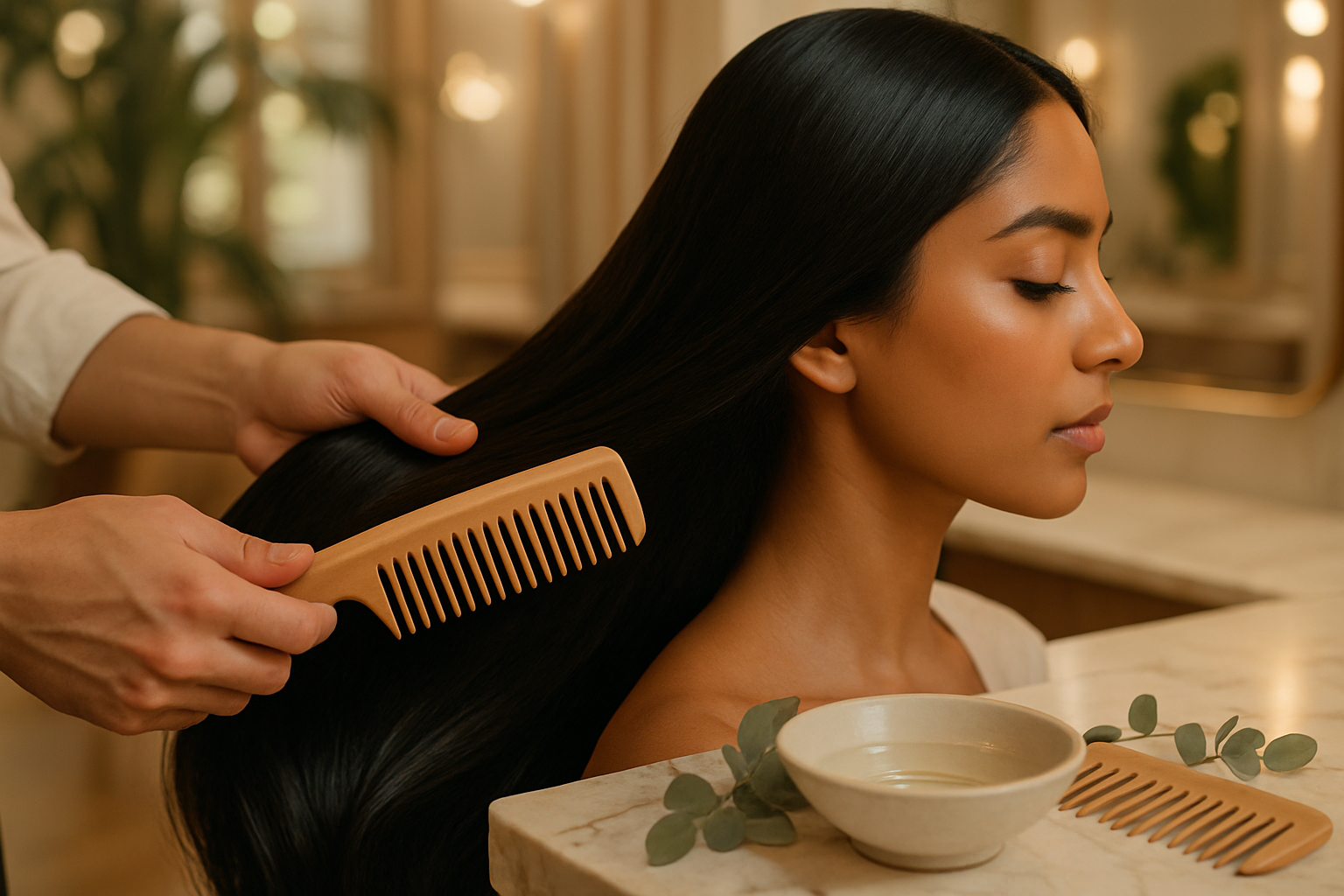
Ask ten women in Lahore about keratin treatments and you'll get ten different answers. One swears it saved her from Karachi-humidity frizz. Another says it fried her hair. A third heard it causes hair fall and refuses to go near a smoothing chair. The truth, as usual, is messier and more interesting — and it depends heavily on your hair type, your stylist, and what you do in the weeks after you leave the salon. South Asian hair has its own personality: dense, often coarse, prone to frizz in humid months and dryness in winter. That means the rules that apply to fine European hair don't quite fit. Let's separate what's actually true from what's been repeated so often it feels true.
Myth 1: Keratin and Rebonding Are the Same Thing
This is the single biggest misunderstanding I hear at the salon. They are not the same, and confusing them is how people end up disappointed — or damaged.
Rebonding chemically breaks and re-forms the disulfide bonds inside your hair to make it permanently pin-straight. It's aggressive, irreversible until new hair grows out, and unforgiving on already-processed strands.
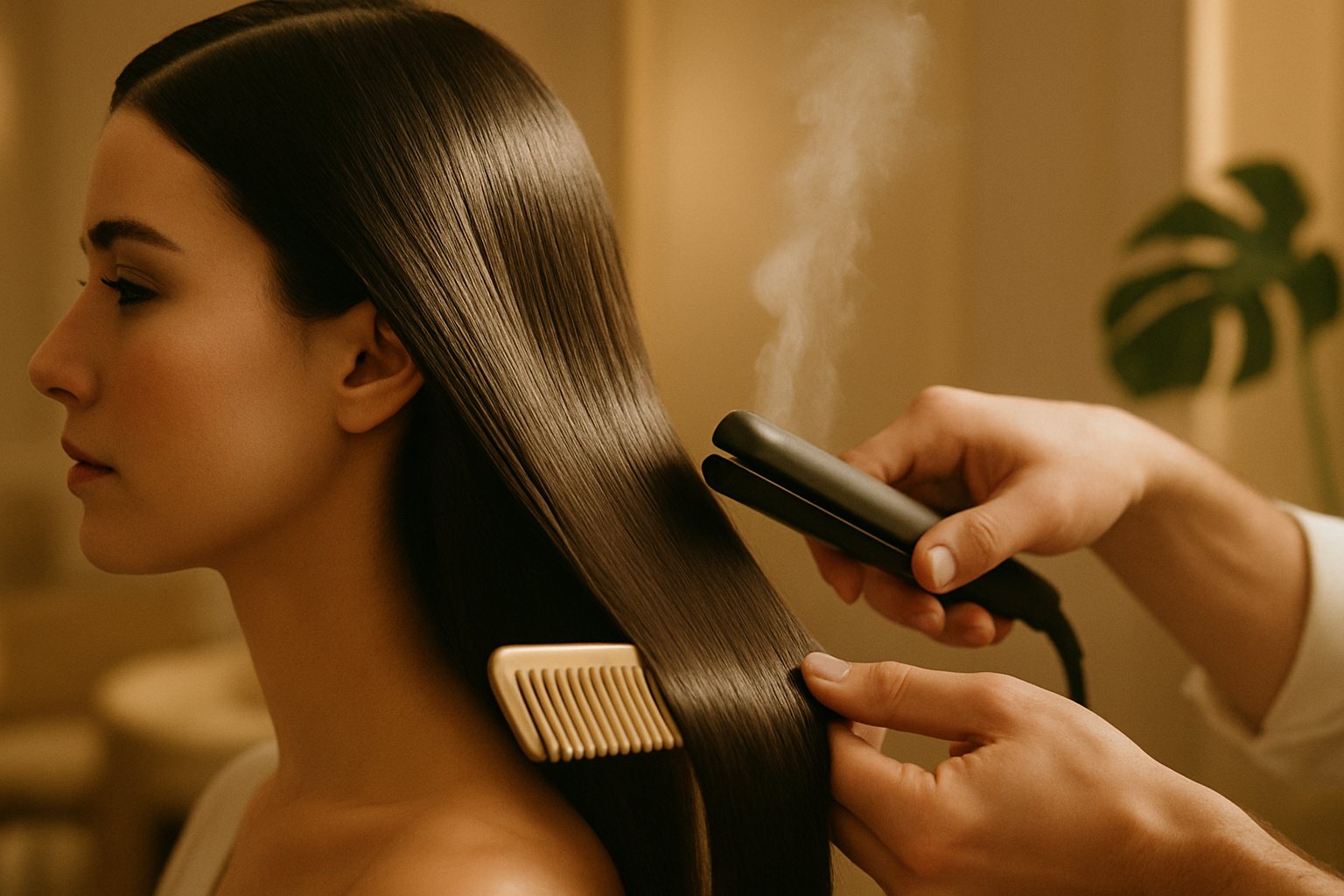
Keratin treatments are smoothing, not straightening. They coat and infuse the cuticle with a keratin-rich formula, sealed in with heat. Your natural texture is still there — waves stay wavy, curls stay curly, they're just calmer, shinier and dramatically less frizzy. It washes out gradually over 3–5 months.
If someone promises you a keratin treatment that will make your hair "stick-straight forever," that's not keratin. That's a rebond being sold under a friendlier name.
Myth 2: All Keratin Treatments Contain Dangerous Formaldehyde
The formaldehyde panic is rooted in something real — older Brazilian blowout formulas released formaldehyde gas when heated, which was a genuine concern for stylists and clients. But the industry has moved on considerably.
Today's better formulations use:
- Glyoxylic acid based systems (formaldehyde-free)
- Amino acid and cysteine-based smoothing
- Botanical keratin blends with low or no aldehyde release
That said, cheap knock-off products still exist, and Lahore has plenty of salons cutting corners with grey-market bottles. The single most important question you can ask before booking is: which brand and formulation are you using, and can I see the bottle? A reputable salon will tell you without hesitation. Our hair treatments and smoothing menu uses formaldehyde-free professional systems specifically because South Asian hair often needs multiple sessions over the years, and stacking harsh chemistry is what causes long-term damage.
Myth 3: Keratin Causes Hair Fall
Here's the nuance: keratin treatment itself does not pull hair from the follicle. What people often experience as "hair fall after keratin" is usually one of three things.
- Shed hair that was already caught in the length — dense South Asian hair holds onto shed strands. A smoothing treatment slicks everything down and releases them all at once in the wash, which looks alarming but is normal.
- Breakage from over-processing — if your hair was already bleached, coloured, or previously rebonded, adding heat-based smoothing on top can snap weak strands. This is breakage, not fall.
- Wrong flat-iron temperature — inexperienced stylists crank the iron to 230°C on fine or coloured hair when 180–200°C would have been correct.
A proper consultation before treatment — checking porosity, existing colour history, and elasticity — prevents almost all of this.
Myth 4: You Can't Colour Your Hair If You Get Keratin
You absolutely can. The sequencing just matters.
- Colour first, then keratin — ideally two weeks apart, or same day if your stylist is experienced. The keratin actually helps lock the colour in, and clients often notice their highlights or balayage look richer and less brassy afterward.
- Never get keratin done and then bleach on top of it within the same month. The bleach will lift unevenly and the smoothing effect will strip out.
If you're planning a wedding event or a big colour change, map the sequence with your stylist first. This is the kind of thing we plan carefully during bridal prep so the hair peaks at the right moment.
Myth 5: Keratin Is a One-Time Miracle
It's a treatment, not a cure. In Lahore's climate — dry winters, punishing summer humidity, dust and pollution year-round — keratin lasts roughly 3–5 months depending on:
- How often you wash (2–3 times a week extends it; daily washing shortens it)
- Whether your shampoo is sulphate-free (non-negotiable for maintaining the treatment)
- Chlorine exposure from pools
- How much heat styling you continue to do
Women who expect a single session to permanently transform their hair are always disappointed. Women who see it as ongoing hair care — every 4–6 months, paired with good home products and periodic deep conditioning — are the ones who consistently have that glossy, controlled look.
Myth 6: Home Keratin Kits Give the Same Result
They don't, and I'd gently urge you to skip them. Salon-grade formulations are pH-balanced to your specific hair, applied section by section with controlled tension, and sealed with a calibrated flat iron at the correct temperature for your porosity. Home kits are one-size-fits-all, usually under-strength (so the effect fades in three weeks), and the flat-iron step is where most home users burn their hair.
If budget is a concern, a professional express smoothing session is a better middle ground than a DIY box.
What Actually Makes Keratin Worth It for South Asian Hair
When it's the right call:
- Persistent frizz that no serum controls
- 45+ minutes of daily blow-drying you'd like to cut to 10
- Coarse, dense hair that never feels smooth even after a wash
- Wavy hair you want to keep wavy but quieter
When it's probably not the right call:
- Very fine, limp hair (it can go flat)
- Heavily bleached hair without a repair protocol first
- Curly hair where you want to keep defined curls (look at curl-specific treatments instead)
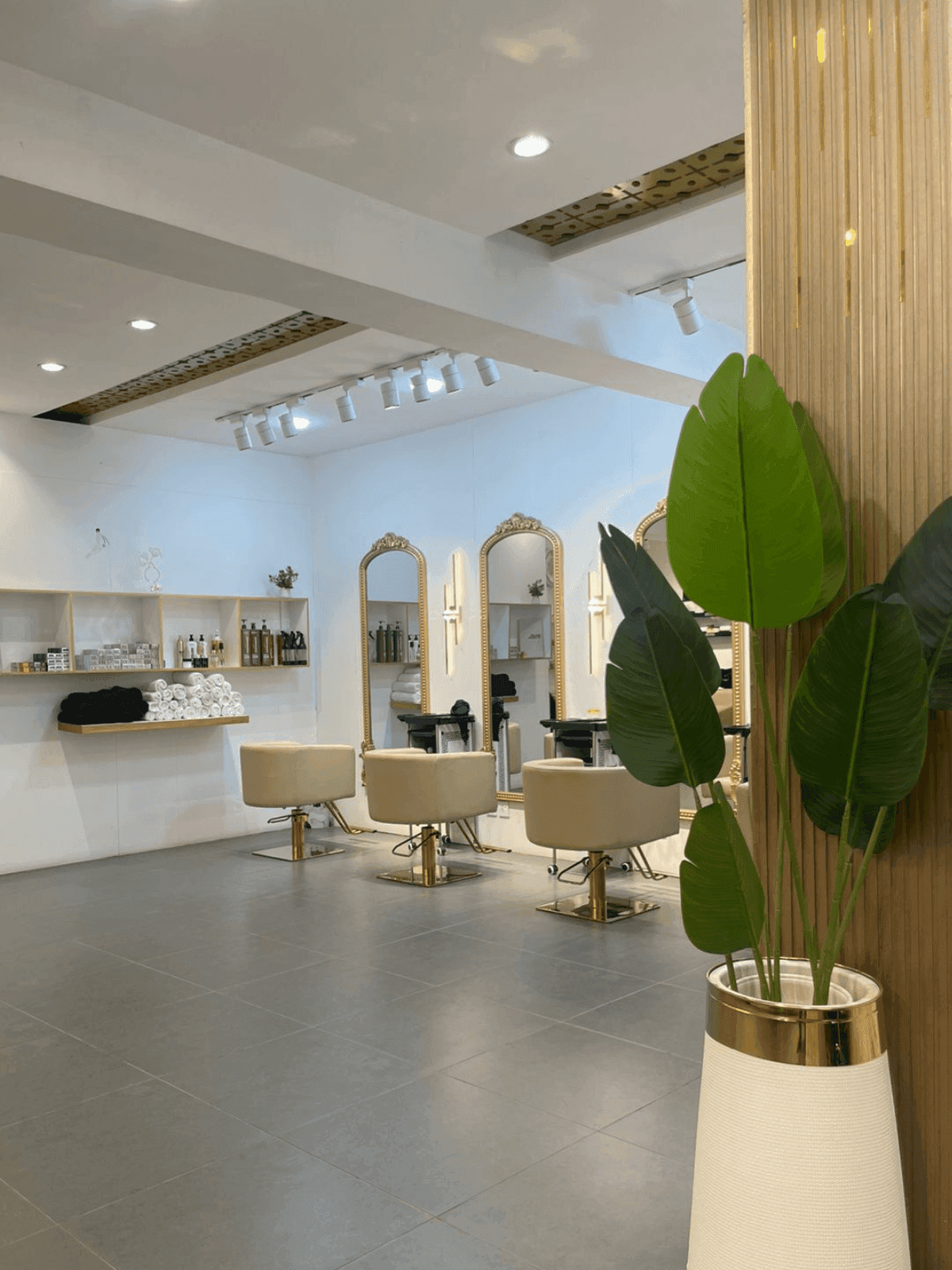
A quick in-salon consult — even a 10-minute one at our DHA Phase 3 studio — will tell you honestly whether keratin is worth your money or whether a bond-repair treatment would serve you better first.
Good hair decisions are the ones made with full information, not fear or hype. Keratin, done well on the right head of hair, is genuinely one of the best quality-of-life upgrades you can give yourself in Lahore's climate. Done badly, it's an expensive mistake. The difference is almost always the stylist, the product, and the honest conversation before the first brushstroke.