· 5 min read
Post-Wedding Hair Recovery: Repair Styling Damage Fast
Your shaadi week is over, but your hair remembers every hot iron, hairspray layer and tight bun. Here's the honest recovery plan a stylist would actually give you.
The photos are stunning, the last dholki plate has been cleared, and you finally have a quiet Sunday to yourself. Then you run your fingers through your hair — and feel the aftermath. Ten days of teasing, extensions, industrial-strength hairspray, hot rollers and tight joras leave even the healthiest hair feeling straw-like, tangled at the nape, and shedding more than usual. The good news: most post-wedding damage is cosmetic — the cuticle is roughed up, not the follicle. With a focused four-to-six week plan, you can bring softness, shine and shape back. Here's exactly how we do it for our brides at Rabbiz.
What Actually Happened to Your Hair During the Wedding Week
Before you fix it, understand the damage. A typical Lahore bride goes through:
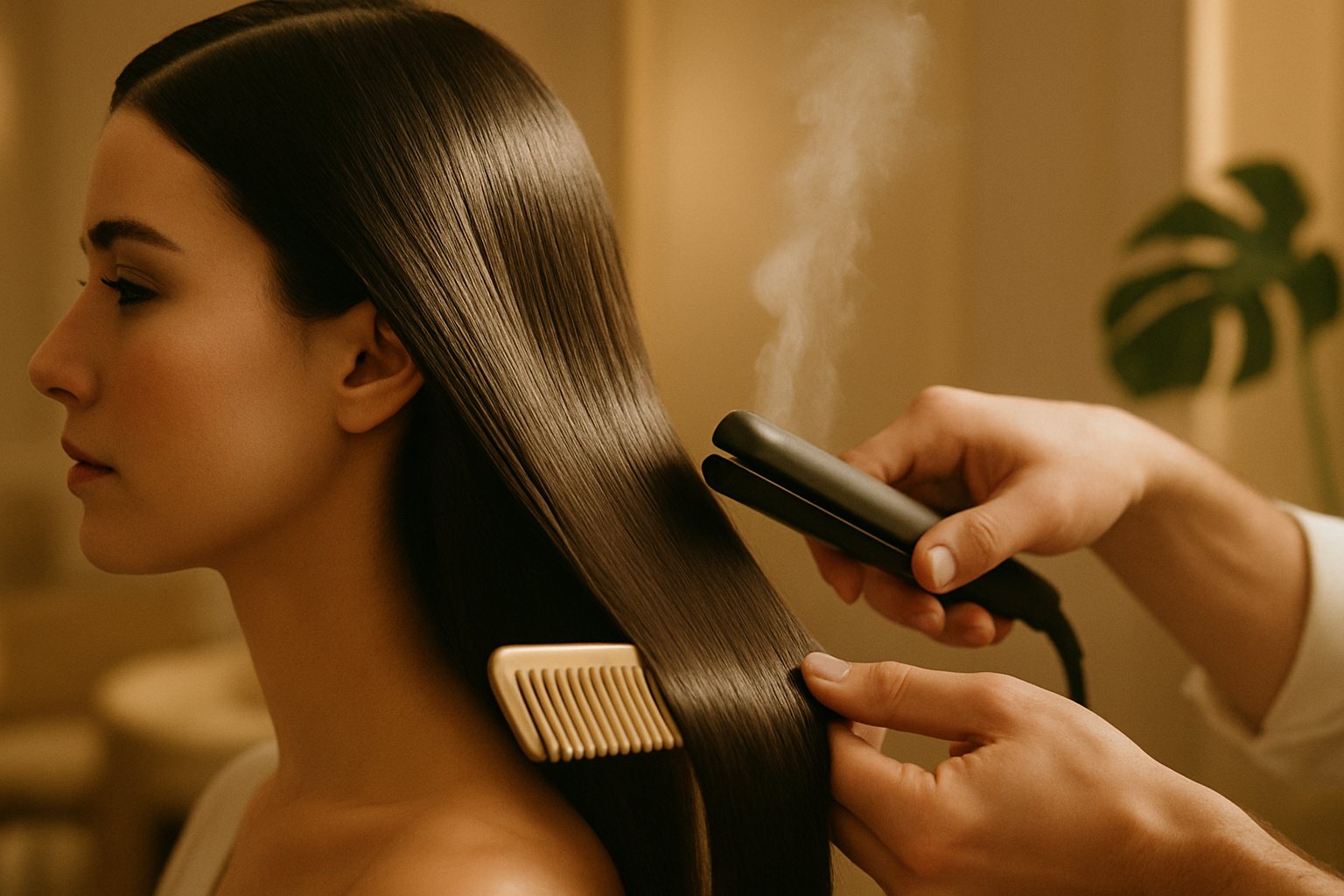
- 3–5 rounds of heat styling at 180–210°C (curling, straightening, blow-drying)
- Layered product buildup — mousse, heat protectant, hairspray, shine spray, sometimes gel at the hairline
- Mechanical stress from teasing combs, hundreds of bobby pins, clip-in extensions and tight braids securing the dupatta
- Chemical fatigue if you also did keratin, color touch-ups or highlights in the six weeks before
The result is a lifted cuticle (why hair feels rough), protein loss (why it feels limp yet frizzy at the same time), and trauma shedding two to three months later — completely normal, but distressing if you don't expect it.
Step 1: The Deep Clarifying Reset
You cannot repair hair that is still coated in three cans of hairspray. Your first week is about removing, not adding.
Do a clarifying wash — but only once
Use a clarifying or chelating shampoo (look for "clarifying" or ingredients like sodium lauryl sulfate, EDTA). Apply to the scalp, lather twice, and rinse thoroughly. This strips product residue, hard-water minerals from Lahore's tap water, and lingering perfume oils.
Important: Do this once. Repeated clarifying will make dry hair worse.
Follow immediately with a rich mask, not conditioner
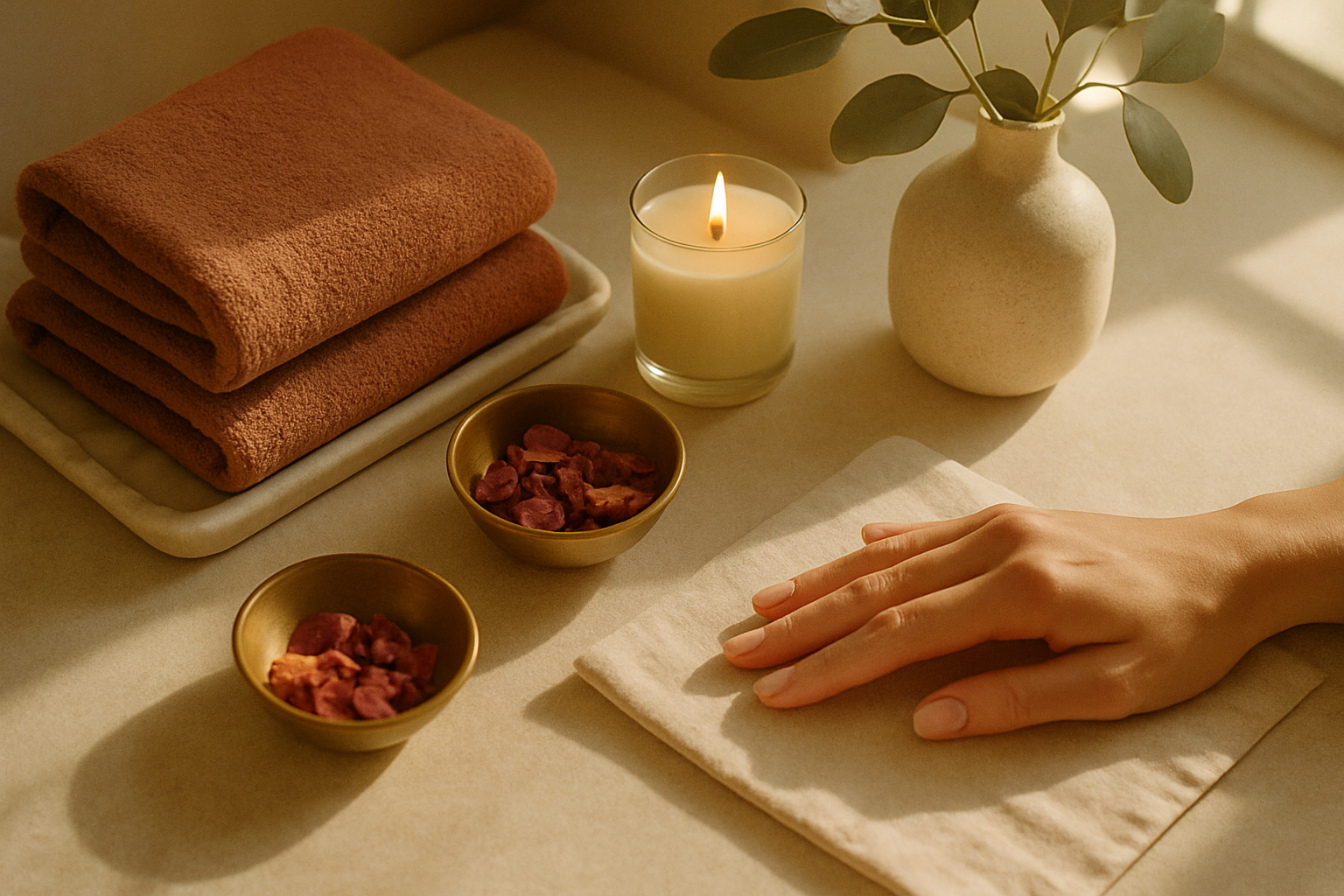
While hair is damp, apply a deep conditioning mask from mid-lengths to ends. Leave it on for 15–20 minutes under a warm towel. If you have access to a professional hair treatment, a bond-repair or protein-moisture balancing treatment done in-salon is worth every rupee at this stage — it does in one hour what home masks take a month to build up.
Step 2: Rebalance Protein and Moisture
Damaged hair is thirsty and structurally weak. Fixing one without the other backfires — too much protein and hair snaps; too much moisture and it goes limp.
The two-mask rhythm
For the first month, alternate:
- A moisture mask (shea butter, glycerin, aloe, hyaluronic acid) — twice a week
- A protein or bond-building mask (hydrolysed keratin, wheat protein, or a bond-repair system) — once every 10 days
If your hair feels gummy or overly soft when wet, you need protein. If it feels stiff and straw-like when dry, you need moisture. Adjust accordingly.
Oil the smart way
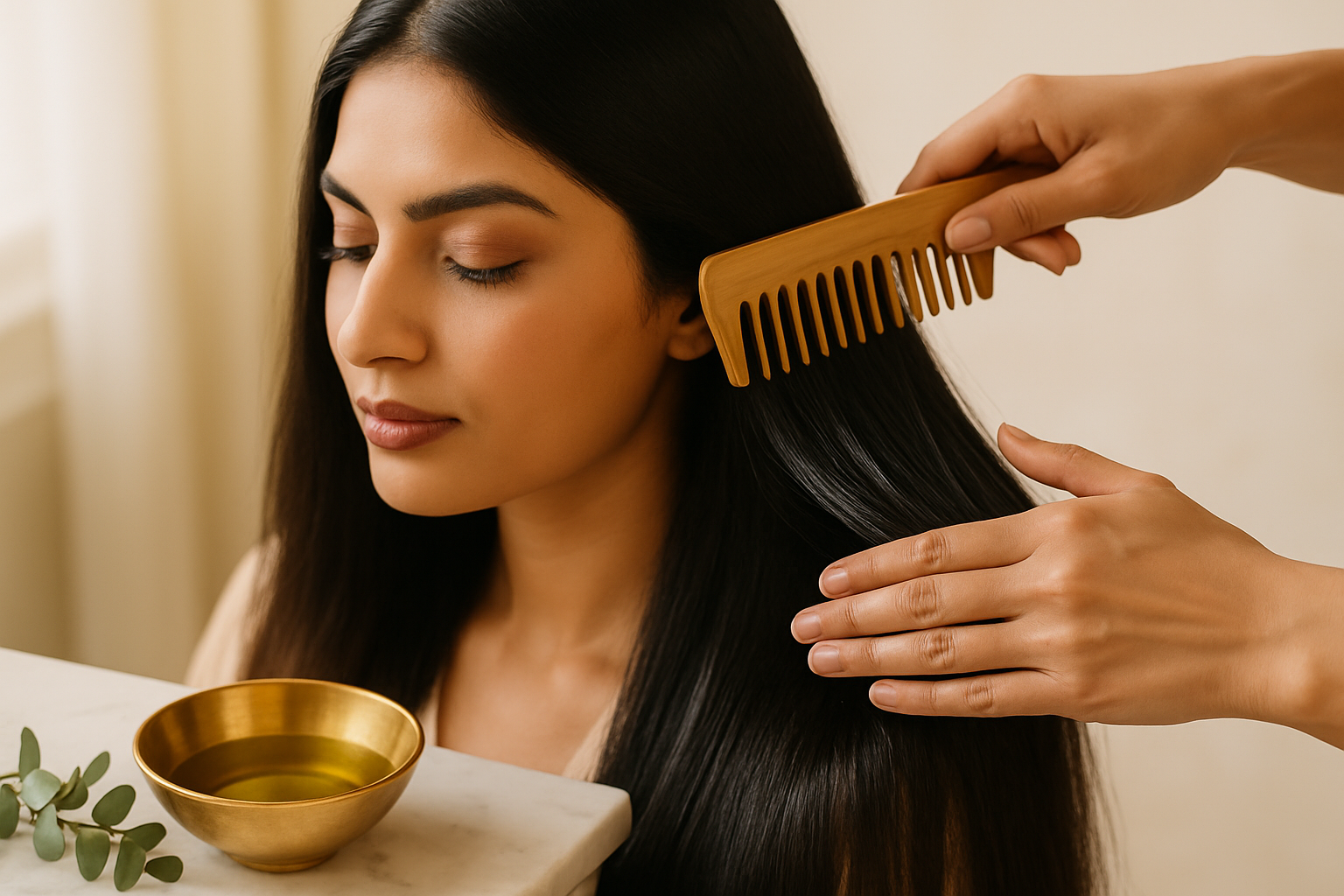
Skip the heavy overnight coconut oil marathons if your scalp gets oily fast in Lahore's humidity — they can suffocate the roots. Instead, do a pre-wash oil treatment: warm a mix of argan, almond and a few drops of rosemary oil, massage into scalp and lengths for 20–30 minutes before shampooing. You get the nourishment without week-long greasiness.
Step 3: Cut What You Can't Save
This is the step most brides resist, and it's the one that gives the fastest visible payoff. Split ends travel up the shaft — leaving them means the damage keeps spreading. You don't need a dramatic chop.
- Dusting (0.5 cm off the very tips) restores a clean line without sacrificing length
- A proper trim of 1–2 inches removes the crispy, see-through ends that no mask will ever fix
- If you had clip-in extensions clamped in the same spot for hours, check that section for breakage — a stylist may need to blend it
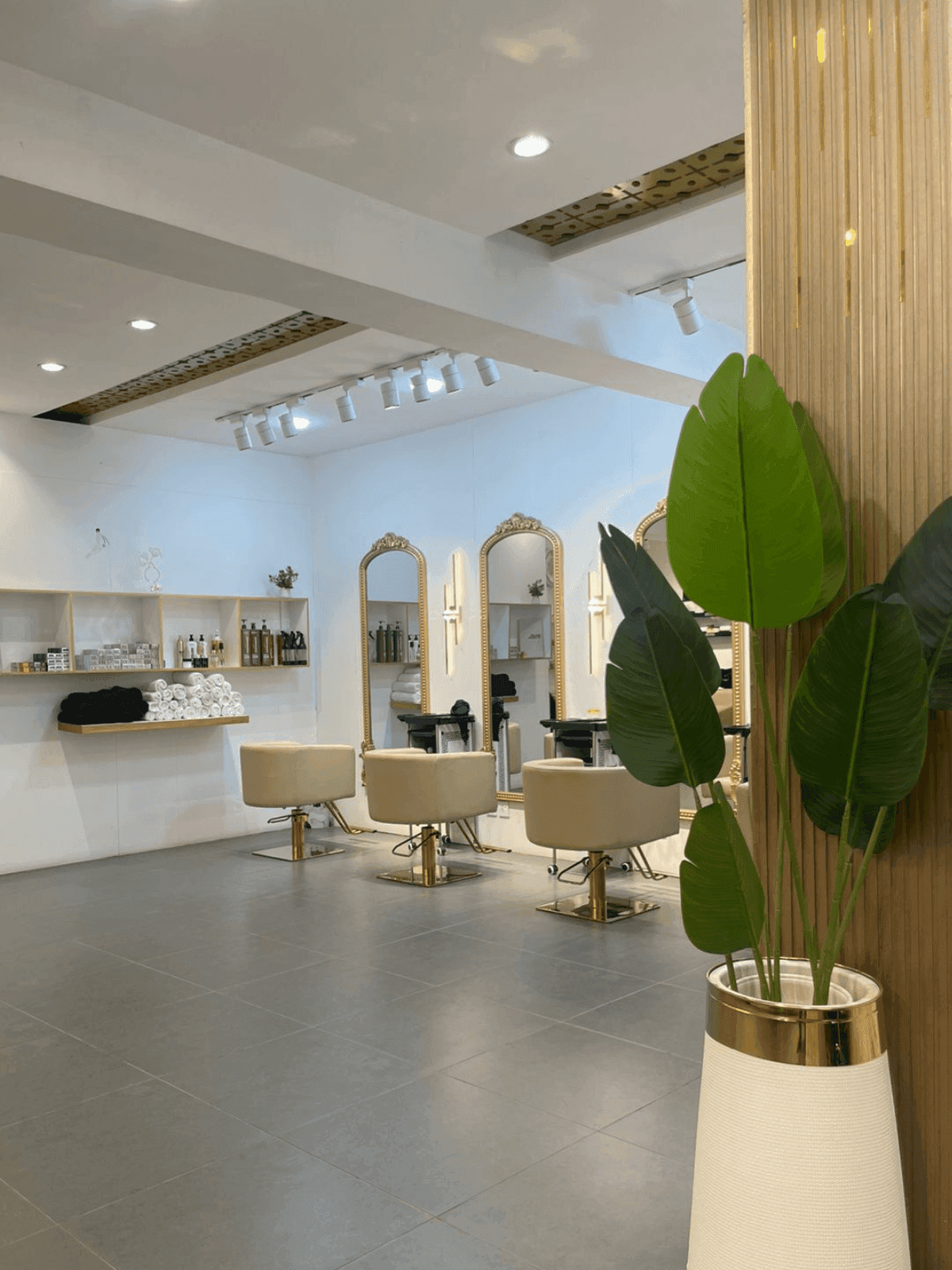
Our hair styling team does post-bridal trims almost every week in December and February — we know exactly what to look for and where the hidden damage hides under the crown.
Step 4: Change Your Daily Habits for 6 Weeks
Recovery isn't only about salon treatments. It's the small daily choices.
Heat: take a real break
Put the straightener away for at least three weeks. If you must style, use only a blow-dryer on medium heat with a nozzle, always with heat protectant, and finish with cool air to seal the cuticle.
Sleep and friction
Switch to a silk or satin pillowcase — cotton snags the cuticle every time you turn your head. Sleep in a loose, low braid (never a tight bun) to prevent tangling and further mechanical breakage.
Water and combing
- Rinse with lukewarm, not hot, water
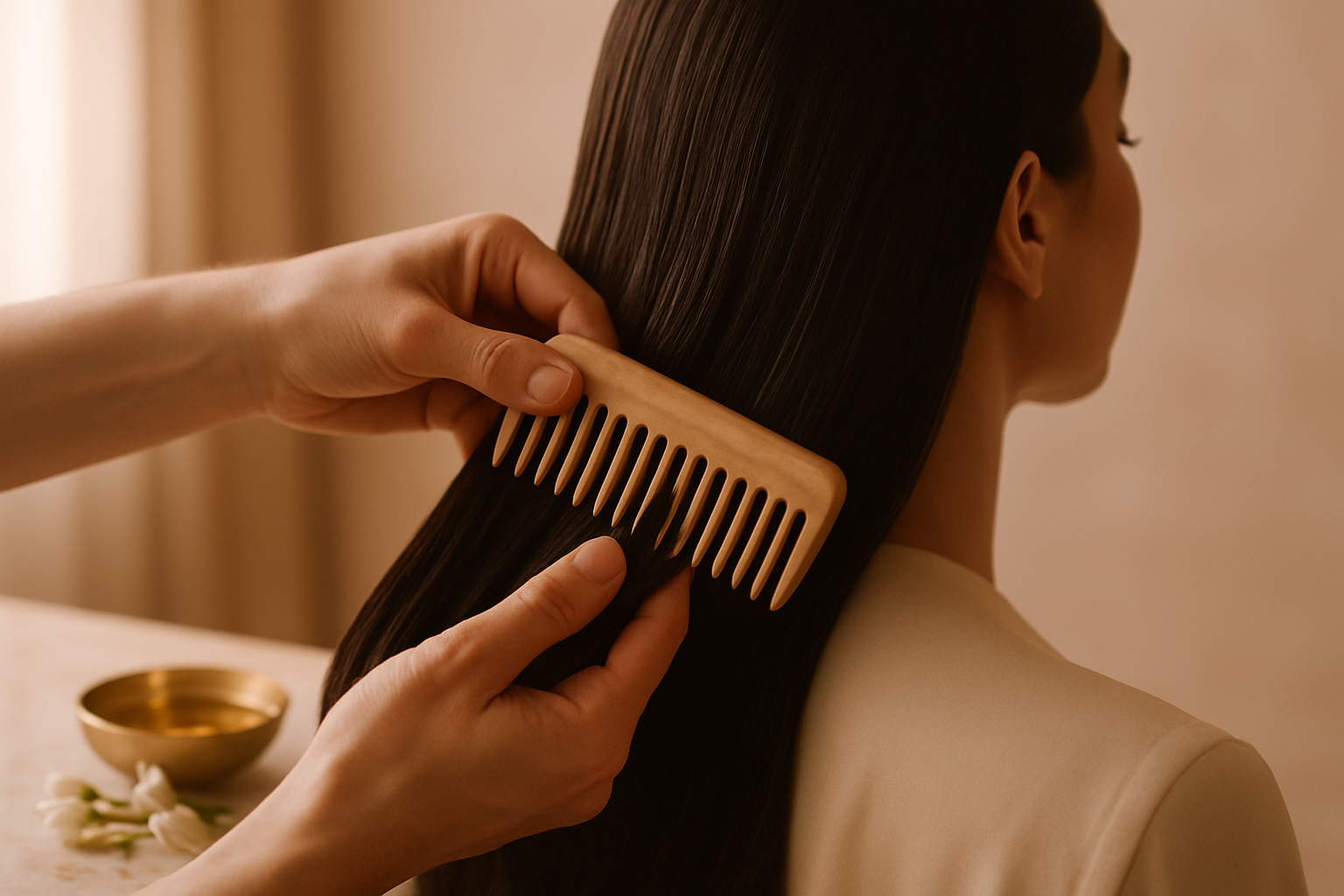
- Never brush hair when it's soaking wet — use a wide-tooth comb starting from the ends and working up
- Detangle before shampooing, not after
Protect the hairline
The fine hair around your face and temples takes the worst beating from pins and tight styling. A drop of leave-in serum patted in daily helps those baby hairs grow back in smoother.
Step 5: Book a Recovery Facial for Your Scalp
Yes — your scalp needs the same reset your face does. Product buildup, sweat under a heavy dupatta, and hairspray sitting near the roots for hours can clog follicles and slow regrowth.
A proper scalp treatment includes exfoliation, a targeted serum massage, and steam. It relieves that tight, itchy feeling most brides describe about ten days post-wedding, and it genuinely helps with the shedding phase that peaks around week 8–12. If you're in DHA Phase 3, pairing this with a signature service session once a month for the recovery period is what we recommend to almost every bride who walks back through our doors.
When to Expect Real Results
Be patient — and be realistic:
- Week 1: Hair feels cleaner, less crunchy, more manageable
- Week 3–4: Softness and slip return; frizz noticeably reduced
- Week 6–8: Shine comes back; ends look less see-through
- Month 3: Shedding peaks and then calms; new baby hairs visible at the hairline
- Month 6: Fully recovered length and body — assuming no new chemical services in between
If you're planning your next color, keratin or a big event, wait until at least the eight-week mark, and always tell your stylist the full history of what your hair went through. Honest information is the difference between beautiful results and another round of damage.
Your wedding week asked a lot of your hair. Give it the same attention and care you gave to the jora selection — and it will be back to itself before your first anniversary photoshoot.