· 5 min read
Bridal Trial Dos and Don'ts: What to Ask Your Makeup Artist
A proper bridal trial is your one chance to catch problems before the big day. Here's exactly what to prepare, what to ask, and the mistakes brides in Lahore keep making.
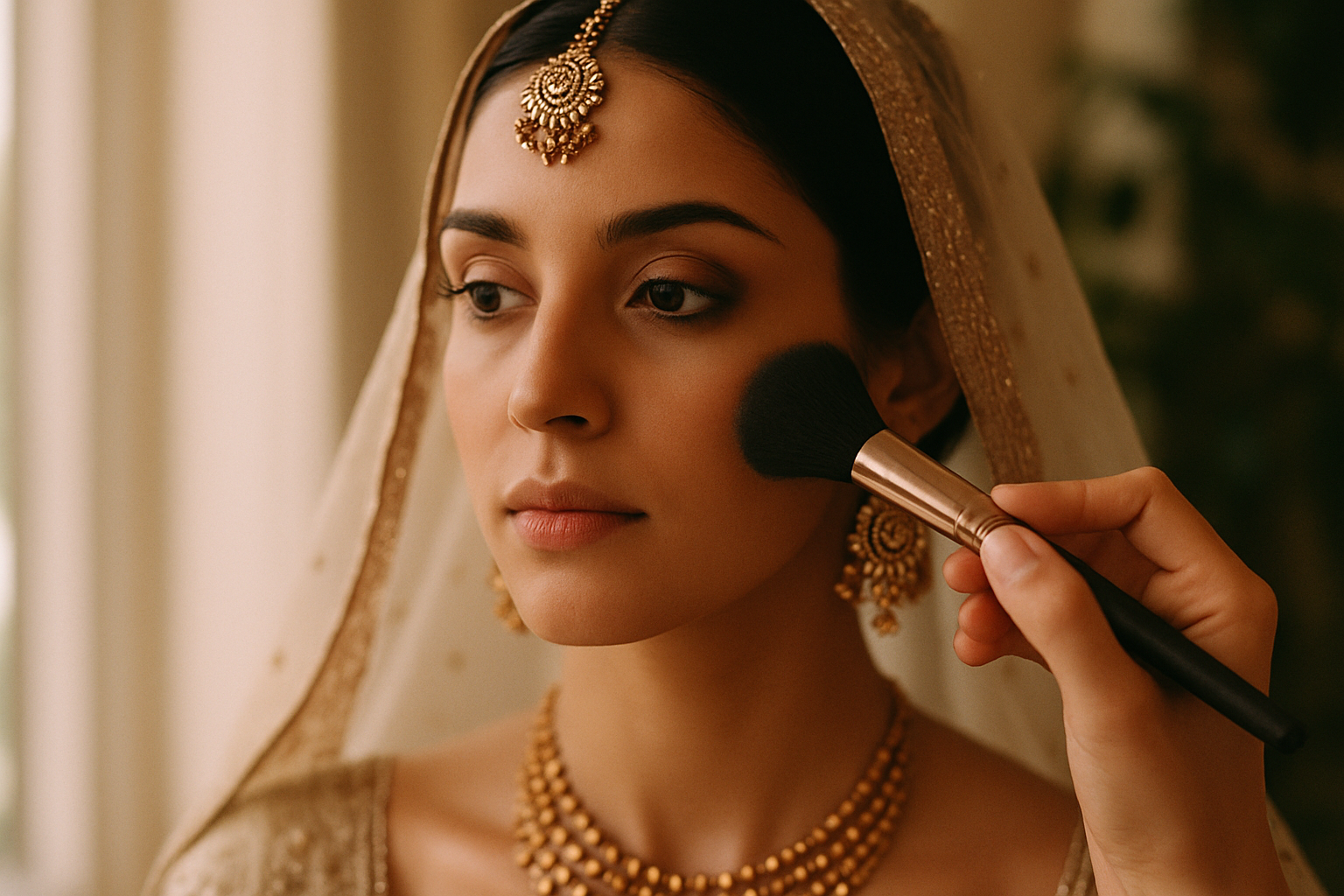
A bridal trial isn't a dress rehearsal for Instagram — it's a diagnostic. It's the two or three hours where you find out whether your foundation oxidises by evening, whether your artist actually listens, and whether the look in your Pinterest board translates to your face. Skip it or rush it, and you'll be sitting in the makeup chair on your wedding morning negotiating in panic. Do it properly, and the day itself becomes almost boring — in the best way.
Here's the honest, senior-stylist version of how to run a bridal trial in Lahore, what to ask, and the things brides consistently get wrong.
Book the Trial at the Right Time — Not Too Early, Not Too Late
The sweet spot is 4 to 6 weeks before the wedding. Any earlier and your skin condition, weight, hair length and even brow shape will shift by the event. Any later and you don't have time to course-correct — reorder a lens colour, change your hairstyle, or heal from a facial that broke you out.
A few timing rules that save regret:
- Do your trial after you've locked in your outfit and jewellery, not before.
- Schedule it on a day you have nowhere important to go afterwards — you'll want to sit with the look for 6–8 hours.
- If you're planning facials or any skin polishing, complete them at least 5 days before the trial so your skin behaves normally.
- Avoid trials during your period week — skin genuinely looks different.
What to Bring to Your Bridal Trial
Walking in empty-handed is the single most common mistake. Your artist can only reverse-engineer a bridal look if she can see the full picture.
Bring, at minimum:
- A dupatta or fabric swatch in your actual outfit colour — not a Google image of it.
- Photos of your jewellery, especially the tikka and jhoomar, because they dictate hairline and parting.
- 3–5 reference images of makeup you love, and importantly, 2–3 you dislike. Dislikes clarify faster than likes.
- Your usual skincare if you're loyal to specific products — some brides react to unfamiliar primers.
- Contact lenses if you plan to wear coloured lenses on the day. Try the exact shade at the trial.
- Your own lashes if you've already bought a set.
Come with a clean, prepped face
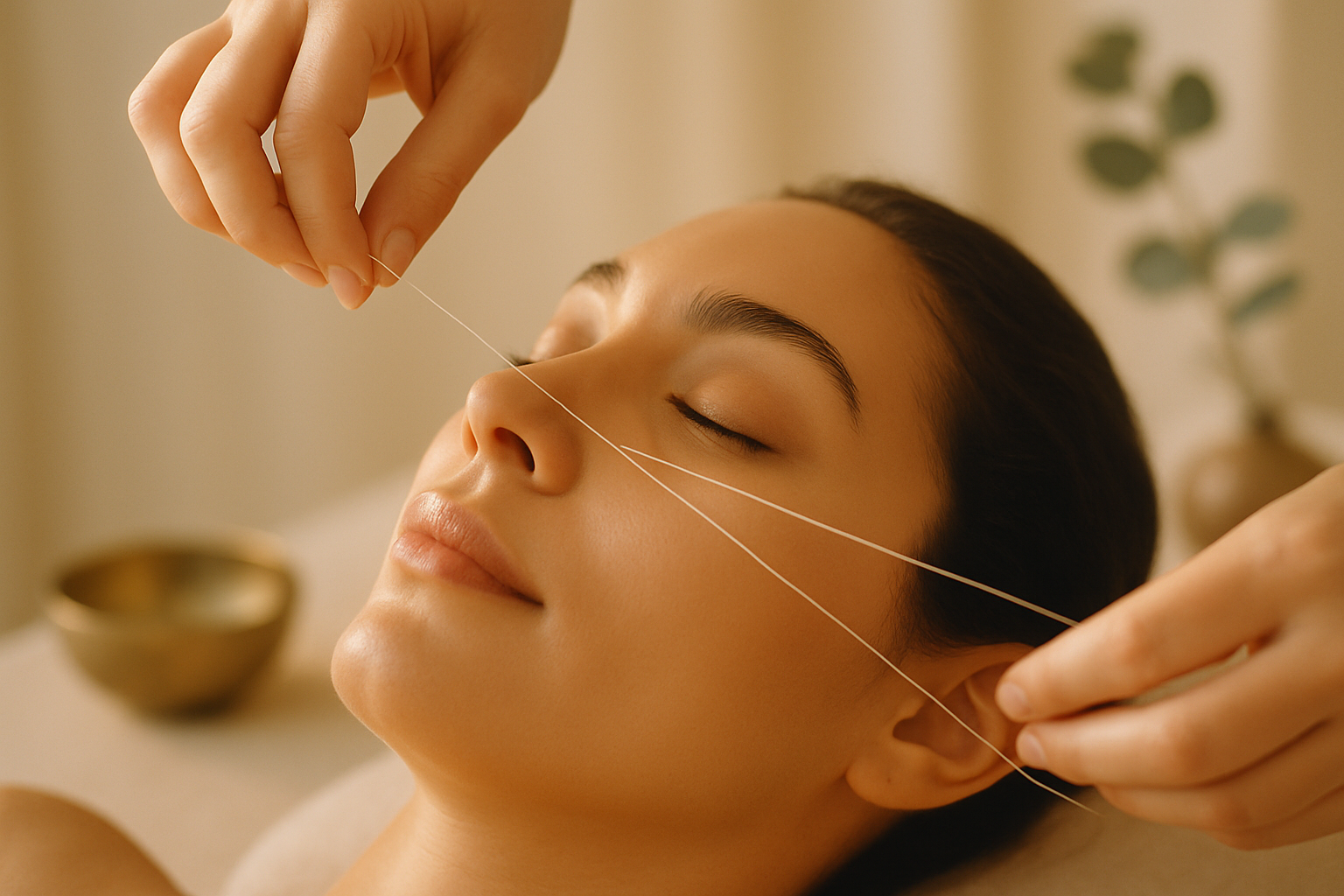
No makeup, no heavy sunscreen layers, no fresh threading (do brows at least 2 days prior), no facial that same week. Hair should be washed the day before — not the same morning, unless yours is very oily.
Questions You Should Actually Ask Your Makeup Artist
Most brides ask about price and time. Those matter, but they don't protect you from a bad outcome. The questions below do.
About the products and finish
- Which foundation brand and shade are you using on me, and will it oxidise? Ask to see the bottle. A senior artist won't hide this.
- Is this a matte, satin or dewy finish — and which one photographs best under our venue lighting? Barat halls in Lahore are notoriously yellow-lit; dewy skin can look greasy on camera.
- Are you using waterproof mascara and a transfer-proof lip? Non-negotiable for a rukhsati.
- What setting spray are you finishing with, and how long will it hold in humidity?
About the look itself
- Can we do half the face first so I can compare? This is a legitimate request and a good artist will agree.
- What would you change if this were your own face? Their honest answer tells you if they're confident or just agreeable.
- How will this translate under the stage lights vs. daylight photos?
About the day
- Who exactly is doing my makeup on the wedding day — you, or an assistant? Get the name.
- How long will you need, and when should I be seated?
- Do you stay for touch-ups before the rukhsati?
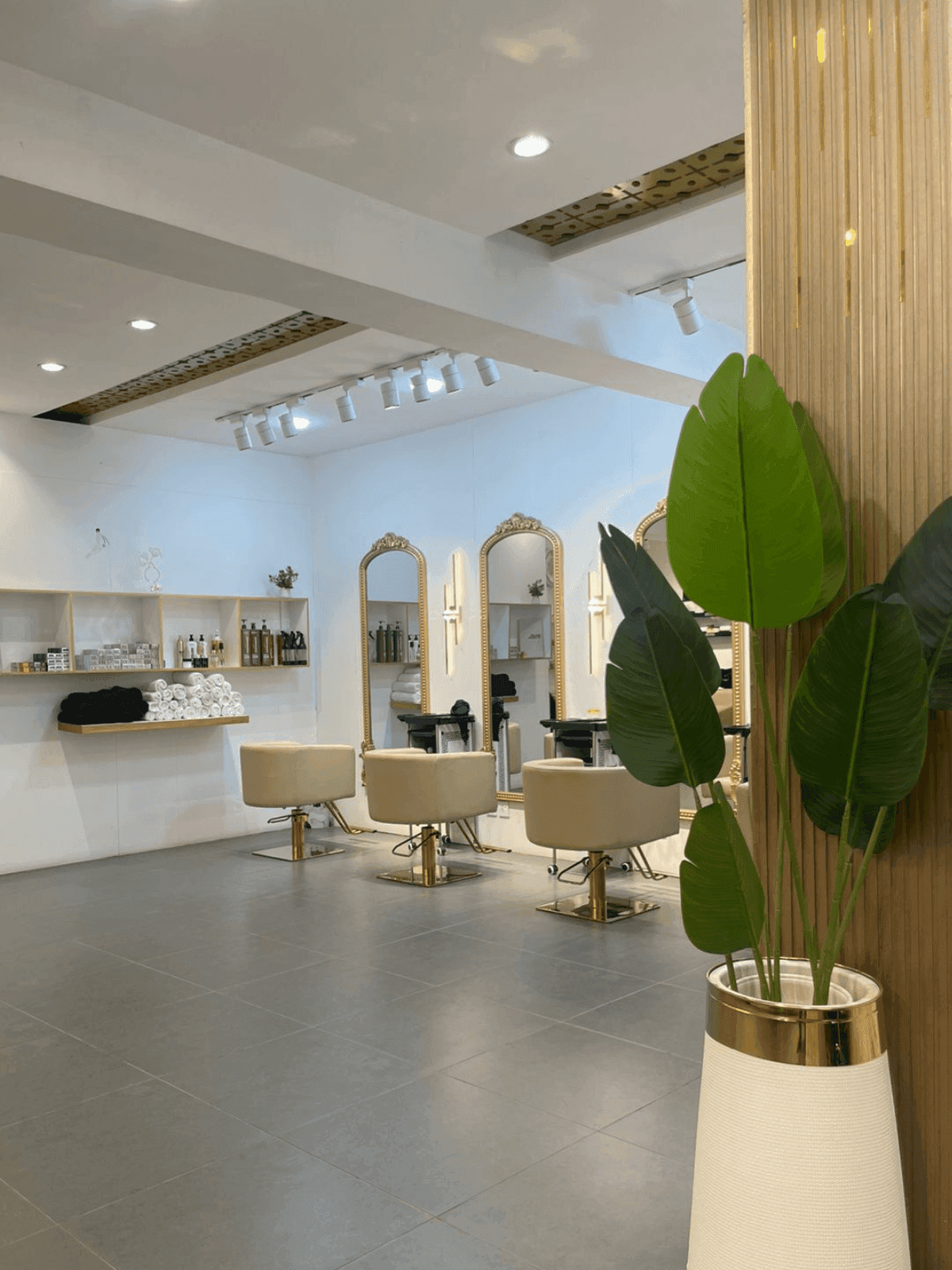
At Rabbiz Salon's bridal service, the trial is treated as a proper consultation — Rabia personally walks brides through product choices, and if you're booking the Canadian-certified signature package, the artist who does your trial is the same one on your wedding day. That continuity matters more than brides realise.
The Don'ts — Mistakes I See Every Wedding Season in DHA
Don't bring six opinionated relatives. One trusted person — your mother, sister, or best friend — is plenty. Six voices will pull the artist in six directions and you'll leave confused.
Don't ask for a look that isn't yours. If you have hooded eyes, a cut-crease from a Bollywood reel may not sit the same on you. Trust the artist to adapt the reference, not copy it.
Don't judge the look in the first ten minutes after it's done. Wear it. Eat something. Step outside. Take flash photos and non-flash photos. Check it under the yellow bulb in your bathroom and the white light of a shop. A trial is data collection.
Don't get a new skin treatment the week of the trial. No first-time peels, no aggressive bleach, no new products. Save experimentation for months before, not days before.
Don't forget the hair. A trial should include the full hairstyle with your dupatta pinned. A face that looks stunning bare-headed can disappear under a heavy dupatta if the hair volume is wrong.
After the Trial: How to Give Useful Feedback
Vague feedback wastes everyone's time. "I don't love it" tells your artist nothing. Instead:
- Point to specific zones: the blush placement is too low, the lip is pinker than I want, I'd like it more mauve, the eyeshadow feels heavy on the outer corner.
- Send photos taken 4 and 8 hours in, so the artist can assess wear and oxidation.
- Flag anything that irritated your skin — even mild redness matters.
- Confirm the final look in writing (WhatsApp works) so there's no ambiguity on the day.
A good bridal artist welcomes precise feedback. It's the sign of a bride who knows what she wants, and it makes the wedding morning smoother for everyone.
The Bottom Line
A bridal trial is not an indulgence — it's insurance. The right questions, the right prep, and honest feedback turn a nervous unknown into a confirmed plan. Walk in prepared, treat your artist as a collaborator, and by the time your wedding morning arrives, there should be no surprises left. Just you, your outfit, and a face you already know you love.