· 5 min read
Bridal Trial Dos and Don'ts: What to Ask Your Makeup Artist
Your bridal makeup trial is a rehearsal, an interview and a design meeting rolled into one. Here's exactly how to prepare, what to ask, and the mistakes that ruin the payoff.
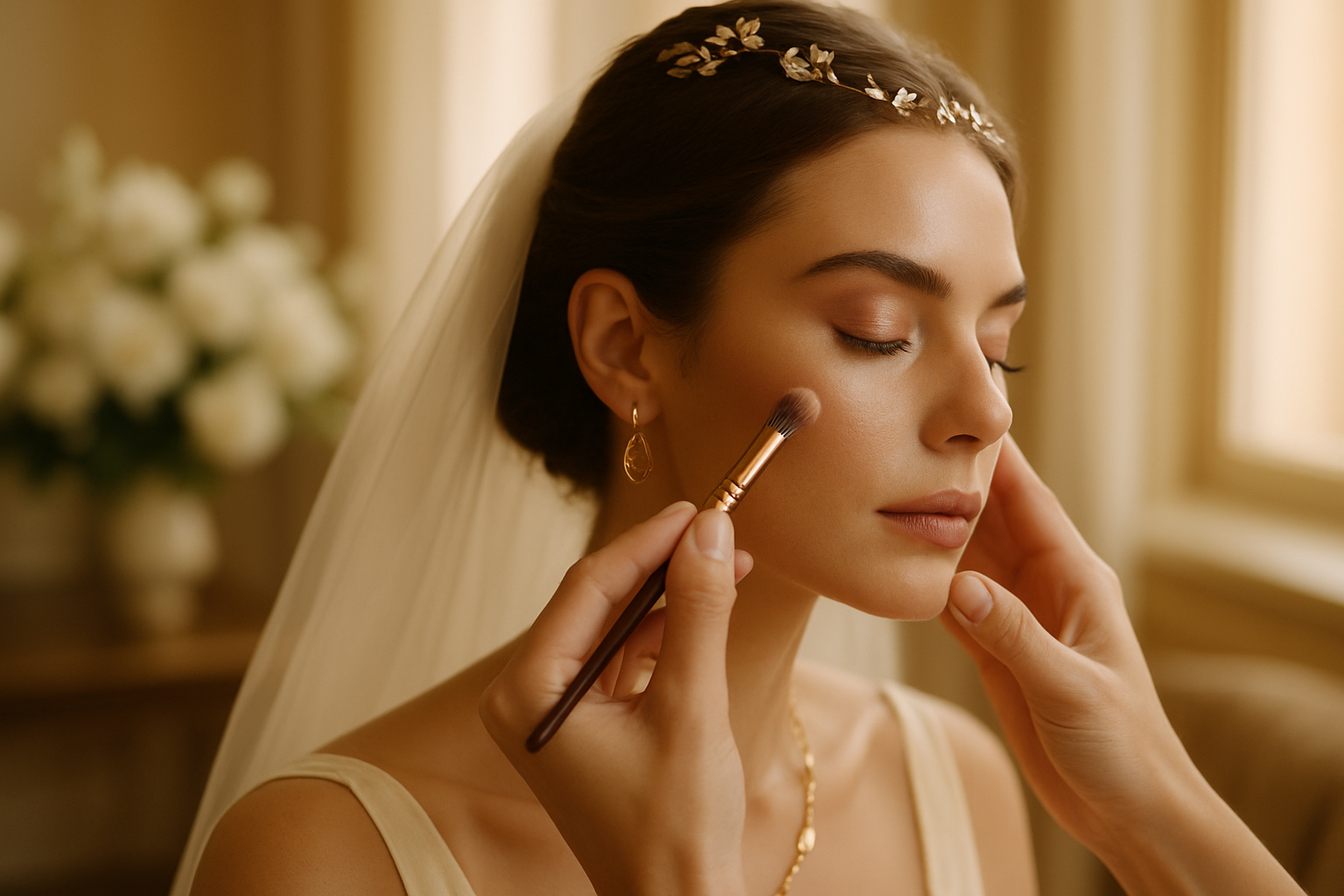
A bridal trial isn't just about seeing pretty makeup on your face for an hour. It's a rehearsal for one of the most photographed days of your life — and, honestly, it's the moment where you and your artist figure out whether you actually speak the same beauty language. Done well, a trial saves you from wedding-morning panic. Done carelessly, it becomes an expensive filter you regret in your baraat pictures. After years of doing bridal work in DHA Phase 3, we've noticed the brides who leave their trials glowing (literally and emotionally) all did a few things right — and asked a few very specific questions. Here's the full playbook.
Before You Book the Trial: Set Yourself Up to Win
Most trial disappointments start weeks before the actual appointment. If your skin is congested, your brows are overgrown, or you've booked the trial the same week as a chemical peel, no artist on earth can give you an honest preview.
Do this two to three weeks out:
- Get your threading, tint and any facial hair removal on a normal maintenance schedule — not the day before.
- Book a hydrating facial 10–14 days before your trial so skin is calm, plump and not mid-purge.
- Avoid starting new actives (retinol, strong AHAs) in the 10 days leading up.
- Wash and deep-condition your hair the night before, not the morning of. Freshly washed hair the same day can be slippery and won't hold structured styles.
Don't do this:
- Don't book your trial during your period week if you tend to break out — you'll photograph texture you don't normally have.
- Don't get lip fillers, botox or lash lifts less than three weeks before a trial. What you see won't match the wedding day.
- Don't come with a full face of makeup already on. Arrive with clean, moisturised skin.
What to Bring With You
A trial without reference material is like ordering food without a menu — you'll get something, but probably not what you pictured.
The essentials
- Your outfit swatches or clear photos of your bridal jora. The undertone of the fabric changes everything about lip and blush choice.
- Your jewellery, or high-quality photos of it. Kundan reads differently on the face than polki or diamond.
- A mood board of 4–6 makeup looks you love — and importantly, 2–3 you actively dislike. The 'no' pile is often more useful than the 'yes' pile.
- A photo of yourself from an event where you felt beautiful. It tells the artist which version of your face you're most attached to.
- The dupatta setting style you're planning — with hijab, without, half-covered. It changes the entire hairstyle brief.
The Questions You Should Actually Be Asking
This is where most brides go quiet and just nod. Please don't. A trial is a paid consultation — use it.
About the products
- Which foundation brand and shade are you using on me, and will you use the exact same one on my wedding day?
- Are the lashes individual, cluster or strip? Can I try a lighter option?
- What setting spray are you using — is it humidity-resistant? (Non-negotiable in Lahore, even in winter functions.)
- Is anything on my skin fragranced or likely to irritate sensitive eyes?
About the look itself
- Where does the highlight sit on my face shape, and why there?
- Can I see the look in natural window light, then under warm indoor light, then with flash photography before I decide?
- How will this translate on stage under harsh photographer's lighting?
- If I want the lip one shade deeper / the eye slightly less shimmery, can you show me right now?
About the wedding day logistics
- Who exactly will do my makeup on the day — you personally, or an assistant?
- How long will the full application take, and what time do I need to be in the chair?
- Do you offer a touch-up service between functions or send a kit?
- What's your policy if I want a slightly different look for the walima versus the barat?
At Rabbiz Salon, the senior artist who does your trial is the same person who does your wedding — that continuity matters more than most brides realise when they're comparing quotes.
The Dos That Separate Great Trials From Mediocre Ones
Do speak up in the moment. If the brow feels too thick or the blush too pink, say it while the brush is still in the artist's hand. 'I love it' followed by a text three days later saying 'actually…' helps no one.
Do take photos in three lighting conditions. Bathroom light, natural daylight near a window, and flash. Your wedding will happen in all three.
Do sit with the look for at least four hours after leaving. How does it wear? Does the base oxidise? Does the liner migrate? This is data you cannot collect in the chair.
Do book your hair trial on the same day if possible. Makeup and hair balance each other — testing them separately is like tasting sauce without the pasta.
Do bring a second opinion — but only one. A mother, sister or best friend. Not a committee of six with opinions.
The Don'ts That Ruin the Outcome
- Don't schedule your trial the same week as the wedding. You need at least three weeks to process feedback, request tweaks, and possibly redo it.
- Don't ask for a completely different celebrity's face. A good artist enhances your features. Bring inspiration for technique and mood, not for facial transplants.
- Don't skip the neck and décolletage conversation. Foundation must blend down, especially if your blouse is a deep neckline.
- Don't forget to discuss your hair extensions or jhoomar placement during the trial. Hair volume changes how makeup reads on the face.
- Don't judge the trial only in the salon mirror. Salon mirrors are famously flattering. Leave, walk outside, sit in your car, then decide.
After the Trial: Turning Feedback Into a Final Look
Within 24 hours, sit down with your photos and write a short, specific list. Not 'I didn't love it' — but 'the outer eye needed to lift more, the lip was half a shade too warm, the base looked heavier at hour three.' Send it to your artist in writing. Good artists appreciate specifics; it's what lets them adjust confidently for the big day.
If something felt genuinely off — the artist rushed, didn't listen, or the products irritated your skin — it's absolutely okay to book a second trial elsewhere. A bridal booking is a significant investment, and comfort with your artist is part of the product. For brides who want the reassurance of internationally trained work, our signature service is designed precisely for this — one senior artist, start to finish, with a documented look sheet you'll both sign off on before the wedding.
Your trial should leave you feeling more confident, not more anxious. If you walk out already daydreaming about how the barat pictures will look — you've found your artist.