· 5 min read
Dandruff in Lahore: Why It Happens & How to Actually Fix It
Flakes, itch, and a scalp that acts up every season change? Here's what's really causing dandruff in Lahore — and the routine that actually clears it.
If your scalp starts itching two days after a wash, if you avoid black kurtas because of the shoulder-dust situation, or if you're quietly rotating between three shampoos and nothing sticks — you're not alone. Dandruff is one of the most common complaints we hear at the salon, and Lahore's climate makes it genuinely tricky to manage. The good news: once you understand why your scalp is flaking, the fix is usually much simpler than the internet makes it sound.
Here's the honest, no-fluff breakdown from our chair to yours.
What Dandruff Actually Is (And What It Isn't)
Dandruff isn't a dry scalp problem, even though it looks like one. In most cases, it's caused by a yeast called Malassezia — a fungus that lives on everyone's scalp and feeds on the natural oils (sebum) your skin produces. When it multiplies too fast, your scalp reacts by shedding skin cells quickly, and those cells clump into visible flakes. The itch comes from irritation, not dryness.
This matters because if you assume your scalp is dry and pour more oil on it, you're feeding the exact thing causing the flakes. It gets worse, not better.
A quick way to tell what you're dealing with:
- Dandruff flakes: larger, yellowish or white, often greasy-looking, scalp feels itchy and sometimes oily.
- Dry scalp flakes: small, powdery, white, skin feels tight, often accompanies dry skin elsewhere.
- Product buildup: flakes appear near the roots, feel waxy, often after using heavy serums or dry shampoos.
Why Lahore Makes Dandruff Worse
Our city is genuinely one of the harder environments for scalp health, and clients from other cities often notice their dandruff flares the moment they move here. A few reasons:
1. The pollution load
Lahore's air quality index sits in the unhealthy range for a good chunk of the year. Fine particulate matter settles on the scalp, mixes with sweat and sebum, and creates the exact damp, dirty environment yeast loves.
2. Humidity swings
Monsoon humidity followed by dry winter air keeps the scalp in a constant state of adjustment. Sebum production spikes, then the skin barrier weakens — perfect flake conditions.
3. Hard water
Most of DHA and surrounding areas run on borewell water with high mineral content. Calcium and magnesium bind to shampoo, leaving a residue that clogs follicles and irritates the scalp.
4. Overuse of heavy oils
Culturally, the answer to any hair problem is tel laga lo. But coconut and mustard oil, left on an already oily, yeast-prone scalp overnight, often make dandruff dramatically worse.
5. Stress and diet
Spicy, sugary and fried food weeks (read: shaadi season) genuinely correlate with scalp flares. So does sleep debt.
The Routine That Actually Clears Dandruff
Forget the miracle single-shampoo idea. Real results come from a short, consistent routine over 4–6 weeks.
Step 1: Choose the right active ingredient
Look at the back of the bottle, not the front. The four ingredients with real evidence behind them are:
- Ketoconazole 2% — the strongest, best for stubborn or recurring dandruff. Available at any pharmacy in Lahore under names like Nizoral or Ketomac.
- Zinc pyrithione — good for mild to moderate cases, gentle enough for regular use.
- Salicylic acid — helps if you have thick, stuck-on flakes; it exfoliates the scalp.
- Selenium sulphide — effective but can dry hair; better for short hair or occasional use.
Step 2: Use it correctly
This is where most people go wrong. Apply the medicated shampoo directly to the scalp, massage for 60 seconds, and leave it on for 3–5 minutes before rinsing. Rinsing immediately does almost nothing. Use it 2–3 times a week initially, then drop to once weekly for maintenance.
Step 3: Follow with a regular, sulphate-light shampoo
Medicated shampoos aren't kind to coloured or chemically-treated hair. Do a second wash with your gentle everyday shampoo, and use conditioner only on the lengths — not the scalp.
Step 4: Rethink oiling
If you love oiling, switch to lighter oils (jojoba, argan, rosemary-infused) and leave them on for 30–60 minutes before wash, not overnight. Skip the scalp entirely during an active flare.
Step 5: Rinse with filtered or boiled-and-cooled water once a week
A final rinse with softer water genuinely helps with hard-water residue. So does a diluted apple cider vinegar rinse (1 tbsp in a mug of water) every 10 days.
When to Get Professional Help
Home routines work for most mild to moderate cases. Book a professional scalp treatment if:
- Flakes are yellow, crusty, or come with redness and burning (could be seborrheic dermatitis).
- You're losing hair in patches around the itch.
- Six weeks of a proper routine hasn't moved the needle.
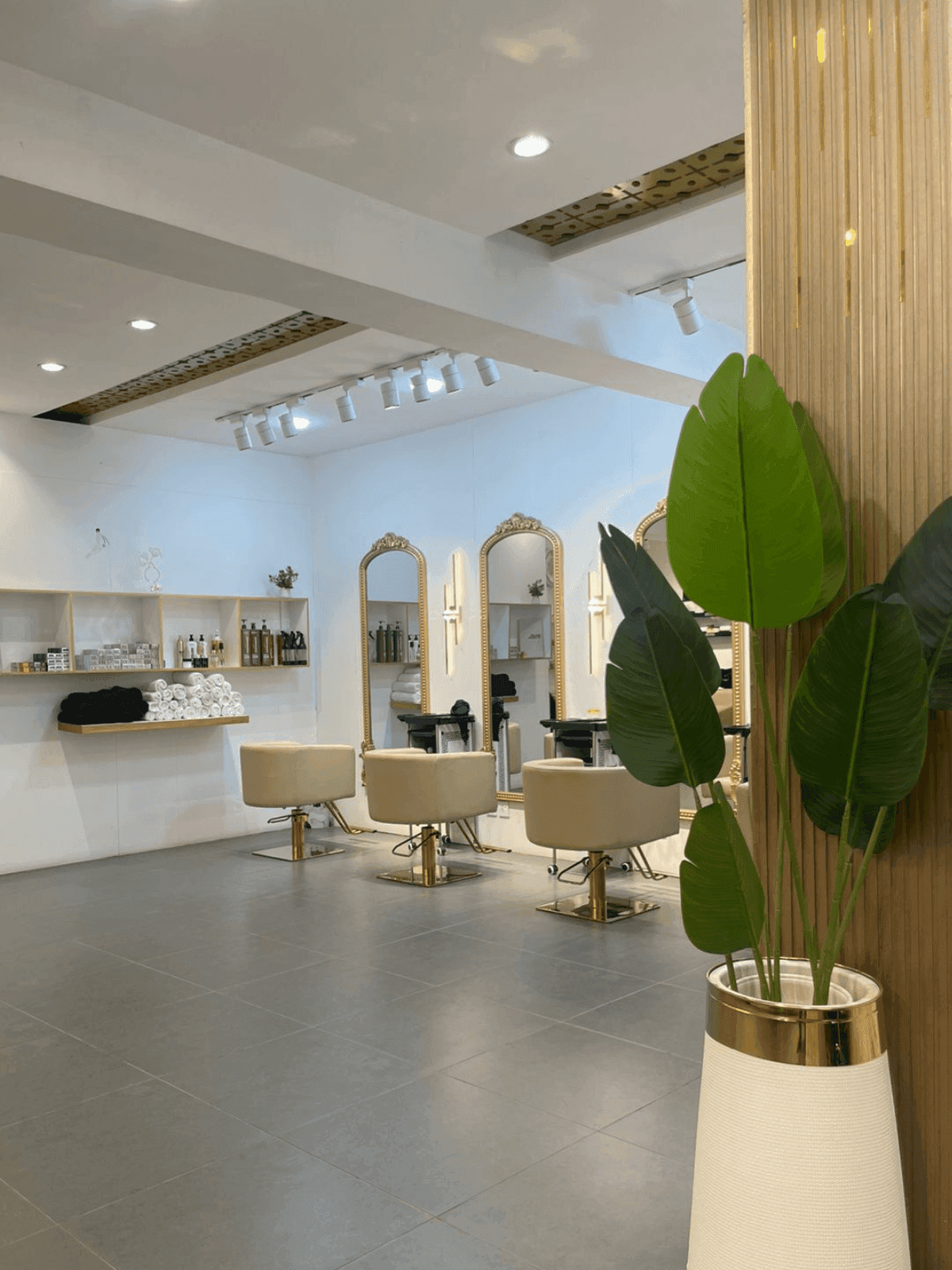
At Rabbiz Salon in DHA Phase 3, our hair treatments include deep scalp cleanses that clear buildup, calm irritation and restore the scalp's pH — something a home wash can't fully replicate. For clients with pollution-heavy routines or hard-water damage, we often pair this with a targeted hair care session that focuses on the scalp first and the lengths second. If you're getting keratin or colour done, mention your dandruff during consultation — the sequencing of treatments genuinely matters.
Everyday Habits That Quietly Help
The boring stuff moves the needle more than the fancy stuff:
- Wash pillowcases twice a week during a flare. Yeast and oil transfer both ways.
- Clean your hairbrush weekly with shampoo and warm water.
- Don't share combs, hats or dupattas with anyone else during an active flare.
- Cut back on sugar and refined carbs for two weeks and observe — many clients see a clear difference.
- Drink more water than you think you need, especially in Lahore's dry winter months.
- Manage stress deliberately. A monthly body massage isn't indulgence — cortisol has a direct line to sebum production and scalp inflammation.
What to Stop Doing Immediately
- Stop scratching with your nails. Use fingertips or a soft scalp brush.
- Stop using dry shampoo daily — it builds up fast and worsens flakes.
- Stop applying hair masks to your scalp. They belong on the mid-lengths and ends.
- Stop switching shampoos every week. Give one active ingredient a full 4-week trial before deciding it doesn't work.
Dandruff is stubborn but it is not permanent. With the right routine, most women see visible improvement within three weeks and full control within two months. If you'd rather have a professional assess your scalp first — especially before a big event or before starting a colour service — walk in for a consultation. Sometimes fifteen minutes with a stylist saves months of trial-and-error.