· 5 min read
Dandruff in Lahore: Why It Happens & How to Fix It
Between Lahore's smog, hard water and heavy oiling habits, dandruff has become nearly universal. Here's what's actually causing those flakes — and the routine that clears them.
If you've been dusting flakes off your shoulders before every meeting, or scratching your scalp in the middle of a Zoom call, you're in very good company. At the salon in DHA Phase 3, roughly one in three women who come in for a hair consult has some degree of dandruff — and most of them have been treating it wrong for years. The truth is, Lahore's environment makes flakes almost inevitable, but a proper routine can clear them in about four weeks.
Let's break down what dandruff actually is, why this city is uniquely rough on your scalp, and the step-by-step routine that works — without stripping your hair or triggering more oil.
What Dandruff Actually Is (And Isn't)
Dandruff is not just "dry scalp." That's the single biggest mistake women make, because it leads them to slather on more oil, which feeds the exact thing causing the problem.
Most dandruff is driven by a yeast-like microbe called Malassezia that lives on everyone's scalp. It feeds on the oils (sebum) your scalp produces. When it overgrows, it irritates the skin, speeds up cell turnover, and you end up with visible flakes, itching, and sometimes redness.
There are two patterns we see most often at the salon:
- Oily, sticky, yellowish flakes that cling to the scalp — classic seborrhoeic dandruff, worsened by heat and oil.
- Small, dry, powdery white flakes that snow onto your shoulders — often a mix of buildup, mild fungal activity, and a compromised scalp barrier.
True dry scalp (from cold weather or over-washing) is actually less common in Lahore than women think. If your scalp feels itchy and oily by day two, you're almost certainly dealing with dandruff, not dryness.
Why Lahore Makes It So Much Worse
Several Lahore-specific factors turn manageable flakes into stubborn dandruff:
1. Smog and particulate pollution
From late October through February, PM2.5 particles settle onto your scalp and mix with sebum. This creates a film that traps yeast, irritates follicles, and blocks the natural shedding cycle. You end up with itchiness within hours of washing.
2. Hard water
Most of Lahore runs on bore water high in calcium and magnesium. These minerals deposit on the scalp, react with shampoo to form a scummy residue, and leave hair coarse. That residue is a perfect food source for Malassezia.
3. Heavy oiling culture
We love our champi. But leaving coconut or mustard oil on an already oily, smog-covered scalp for hours — especially overnight — is essentially a buffet for yeast. Oiling isn't wrong, but the way most women do it is.
4. Humidity swings
Lahore goes from bone-dry winter smog to sticky monsoon in a matter of weeks. Your scalp's oil production can't keep up, and the barrier gets confused. Flare-ups often peak in October–November and again in July.
5. Product layering
Dry shampoo, serums, heat protectants, hairsprays for weddings — most women never actually clarify. Buildup traps everything above against the scalp.
The Routine That Actually Clears Dandruff
Here's what we recommend, in order. Give it four full weeks before judging results.
Step 1: Switch to an active anti-dandruff shampoo — properly
Look for one of these actives on the label:
- Ketoconazole 1–2% (the gold standard)
- Zinc pyrithione
- Selenium sulphide
- Piroctone olamine (gentler, good for coloured hair)
Use it twice a week. On wash day, lather, then leave the shampoo sitting on your scalp for a full five minutes before rinsing. This contact time is non-negotiable — it's how the active actually kills the yeast. Most women rinse too fast and wonder why nothing changes.
Step 2: Add a clarifying wash once a fortnight
Once every two weeks, use a clarifying shampoo (or an apple cider vinegar rinse — one tablespoon in a mug of water, poured through the scalp) to strip mineral and product buildup. This is especially important if you're on bore water.
Step 3: Rethink oiling
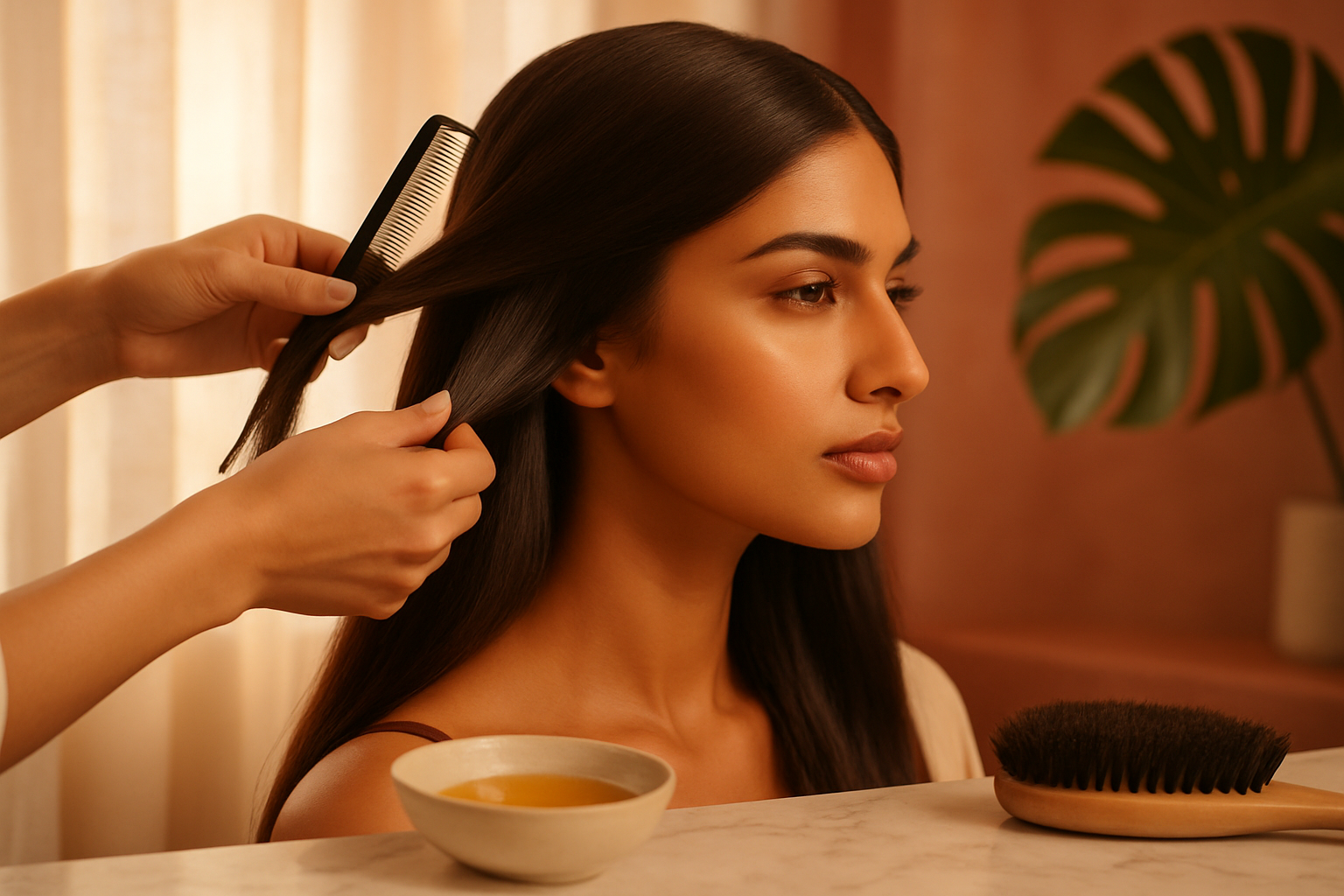
Don't quit oiling — just be smarter about it:
- Oil the lengths, not the scalp, if you're actively flaking.
- If you must oil the scalp, do it one to two hours before shampoo, not overnight.
- Try tea tree oil (a few drops in a carrier) or rosemary oil instead of pure coconut — both have mild antifungal properties.
Step 4: Get a professional scalp treatment
A proper in-salon scalp detox does in one session what home care takes weeks to achieve — it clears buildup at the follicle level, exfoliates dead skin, and delivers actives deeper than any shampoo can. Our hair treatments include targeted anti-dandruff protocols that combine steam, scalp exfoliation and antifungal serums. For stubborn cases, we usually recommend three sessions spaced two weeks apart.
Step 5: Handle the smog barrier
In peak smog months, tie your hair back when you're out, and shampoo within a few hours of coming home from a long day outside. A weekly deep cleansing session at the salon during October–January makes a genuine difference for women who commute daily.
Habits That Quietly Sabotage Your Scalp
Even with the right products, these will undo your progress:
- Washing with very hot water — it strips the barrier and triggers rebound oil. Lukewarm only.
- Sharing brushes and towels — yes, dandruff-related yeast can transfer.
- Not cleaning your hairbrush — old sebum and skin cells recolonise your clean scalp instantly.
- Sleeping on the same pillowcase for a week — change it every three days minimum during a flare-up.
- Scratching with nails — you're breaking the skin and inviting infection. Use fingertips to massage, never nails.
When to Stop Self-Treating and See a Professional
Book a proper consultation if:
- You've done the routine above for six weeks with no improvement.
- You have visible redness, weeping patches, or thick yellow crusts (this could be seborrhoeic dermatitis or psoriasis, which need medical input).
- Hair is falling noticeably from the affected areas.
- The itching is disturbing your sleep.
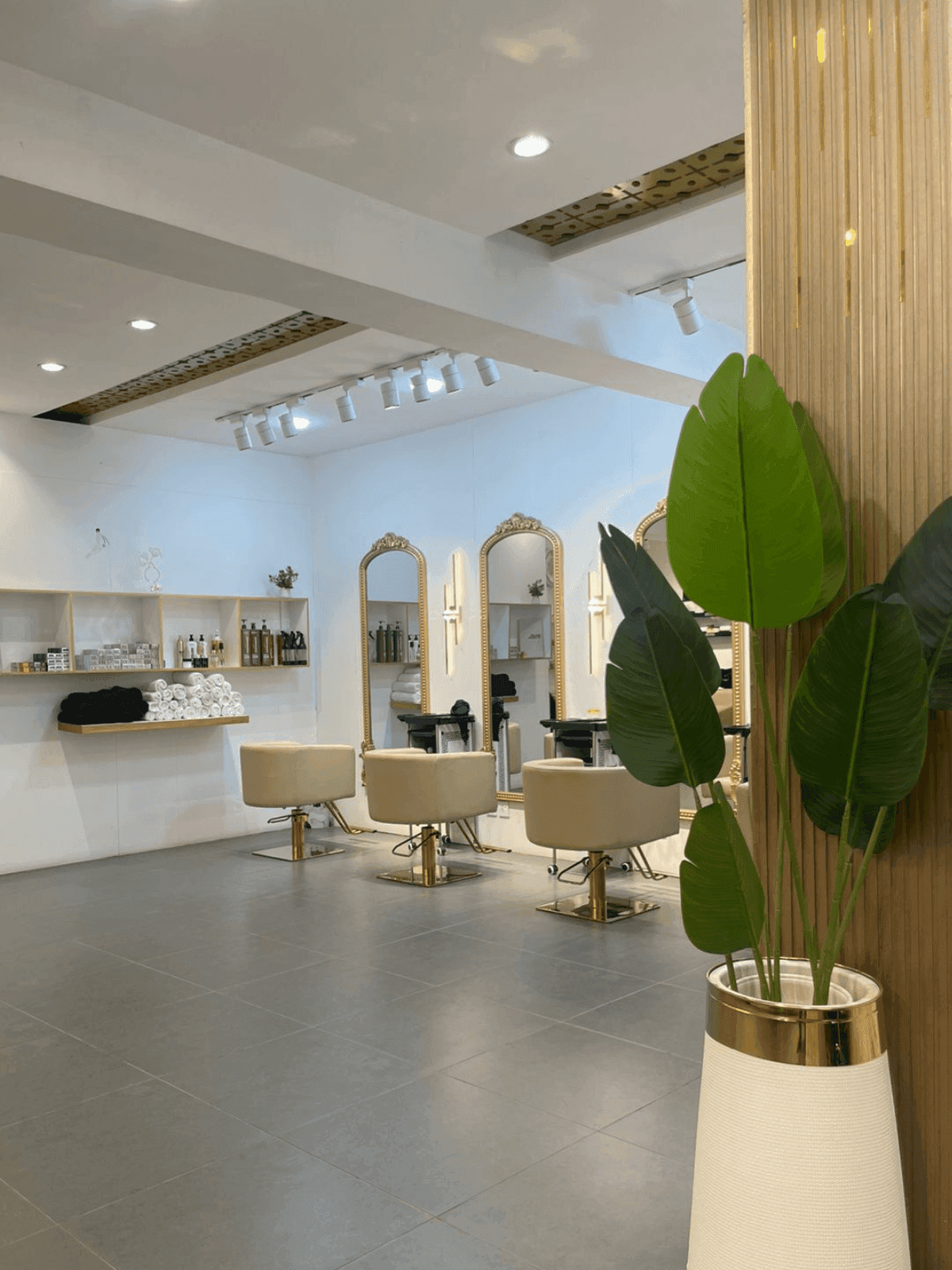
At the salon, our stylists will look at your scalp under proper lighting, ask about your water, your routine, your stress levels and your diet, and build a treatment plan around what's actually happening — not a one-size shampoo recommendation. If we suspect anything beyond standard dandruff, we'll refer you to a dermatologist rather than sell you more treatments. Our full hair care menu is built around scalp health first, because healthy hair genuinely starts there.
Flakes are frustrating, but they're also one of the most fixable hair problems out there. Give the routine four weeks of honest effort, and you'll almost certainly see the difference.