· 5 min read
Dandruff in Lahore: Why It Happens & How to Fix It
Flakes, itch and that embarrassing shoulder dust — here's what's really causing your dandruff in Lahore, and the routines and salon treatments that genuinely clear it.
If you live in Lahore, dandruff isn't just a winter nuisance — it's a year-round conversation. Between the hard tap water, the dust that coats everything by Tuesday, humid summer scalps and dry heater air in January, your scalp is working overtime. The good news: real dandruff responds beautifully once you understand what's actually happening up there. The bad news: most of what people recommend (lemon juice, daily shampooing, 'oiling it out') often makes it worse.
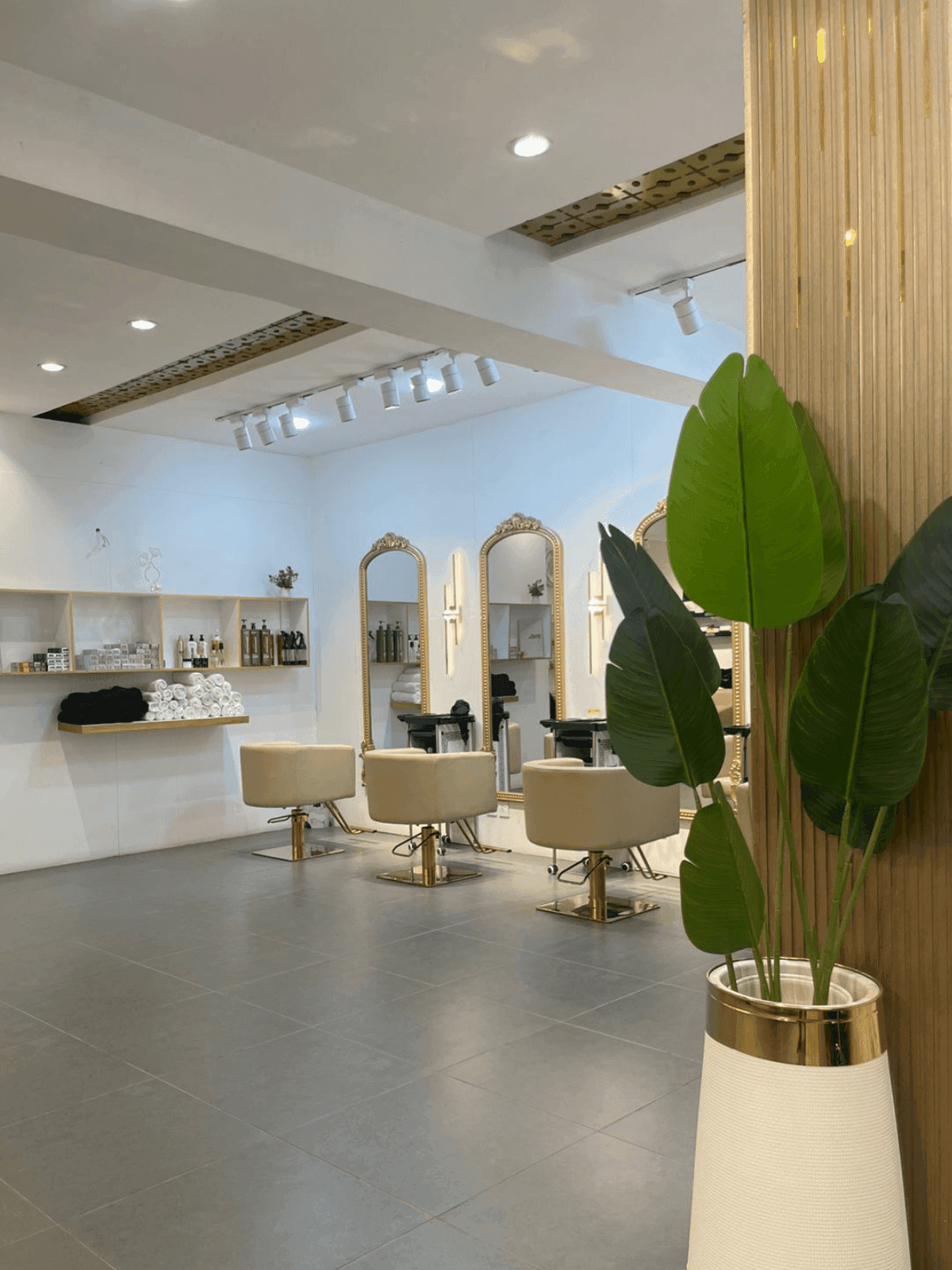
At Rabbiz Salon in DHA Phase 3, scalp concerns are one of the top three issues clients walk in with, right after hair fall and colour damage. Here's the honest, stylist-side breakdown of what causes dandruff in our city, and what finally fixes it.
What Dandruff Actually Is (It's Not Just Dry Skin)
Most Lahori women assume flakes mean a dry scalp. In reality, true dandruff is usually the opposite — it's linked to an oily scalp environment where a yeast called Malassezia overgrows and irritates the skin. Your scalp sheds skin faster to compensate, and those sticky, yellowish flakes clump into the hair.
There are a few different things people lump together as 'dandruff':
- Classic dandruff — oily, yellow-ish flakes, itchy scalp, often worse near the crown.
- Dry scalp — small white powdery flakes, tight feeling, usually worse in winter.
- Seborrheic dermatitis — red, inflamed patches with greasy scale, sometimes on brows and sides of the nose too.
- Product buildup — flakes that are actually old serum, dry shampoo, and hard-water minerals.
The treatment for each is different, which is why 'anti-dandruff shampoo' alone fails for so many women.
Why Lahore Makes It So Much Worse
Our city creates a near-perfect storm for scalp issues. A few local culprits:
Hard water
Lahore's groundwater is heavy in calcium and magnesium. These minerals bind to shampoo, leaving a film on the scalp that traps oil, dulls hair, and encourages the exact microbial balance dandruff thrives in. If your shampoo lathers poorly and your hair feels 'coated' after washing, hard water is likely a factor.
Pollution and dust
Smog season isn't just a lung problem. Fine particulate matter settles into the scalp, mixes with sebum, and sits in the follicle openings. By day three, that's inflammation food.
Heat, humidity and sweat
Humid Lahore summers mean a sweaty scalp under a dupatta for hours. Sweat changes scalp pH and feeds yeast. Winters flip the problem — dry indoor heating and hot showers strip the barrier.
Over-oiling
Controversial, but true: slathering coconut or mustard oil onto an already oily, flaky scalp and leaving it overnight can worsen Malassezia overgrowth. Oil is food for the yeast. Oiling isn't bad — but how and when matters.
Infrequent, aggressive washing
Many clients wash twice a week with a harsh clarifying shampoo, then skip conditioner on the scalp area. This yo-yo of stripping and buildup keeps the scalp inflamed.
The At-Home Routine That Actually Clears Flakes
Before jumping to a salon treatment, fix the basics for four weeks. Most mild to moderate dandruff responds.
- Wash more often, more gently. Three times a week with a mild sulphate-free shampoo, and once a week with a medicated anti-dandruff shampoo (look for ketoconazole 2%, zinc pyrithione, piroctone olamine, or salicylic acid).
- Let the medicated shampoo sit. Lather, then leave it on the scalp for 3–5 minutes before rinsing. Most people rinse it off too fast for the active to work.
- Rotate actives. Yeast adapts. Alternate between a zinc-based and a ketoconazole-based shampoo across the month.
- Condition mid-length to ends only. Keep heavy conditioner off the scalp.
- Use a scalp serum between washes. Niacinamide or salicylic acid scalp serums help with itch and buildup without overdrying.
- Rethink oiling. Pre-shampoo only. Warm oil on the scalp for 30–45 minutes, then wash out thoroughly the same day. No overnight oiling during an active flare.
- Install a shower filter. A simple carbon or KDF filter on your shower head is one of the highest-impact things any Lahori woman can do for her hair and skin.
Also: wash pillowcases twice a week, clean your hairbrush weekly, and don't share combs during a flare.
Salon Treatments That Make a Real Difference
When home care isn't enough — or when you want faster, visible results before an event — in-salon work does what shampoo bottles can't. These are the treatments our clients see the clearest results from:
- Scalp detox and clarifying wash. A deep cleanse that lifts hard-water minerals, product residue and pollution from the follicles. This alone transforms how your home shampoo performs afterwards. It's part of our core hair care menu.
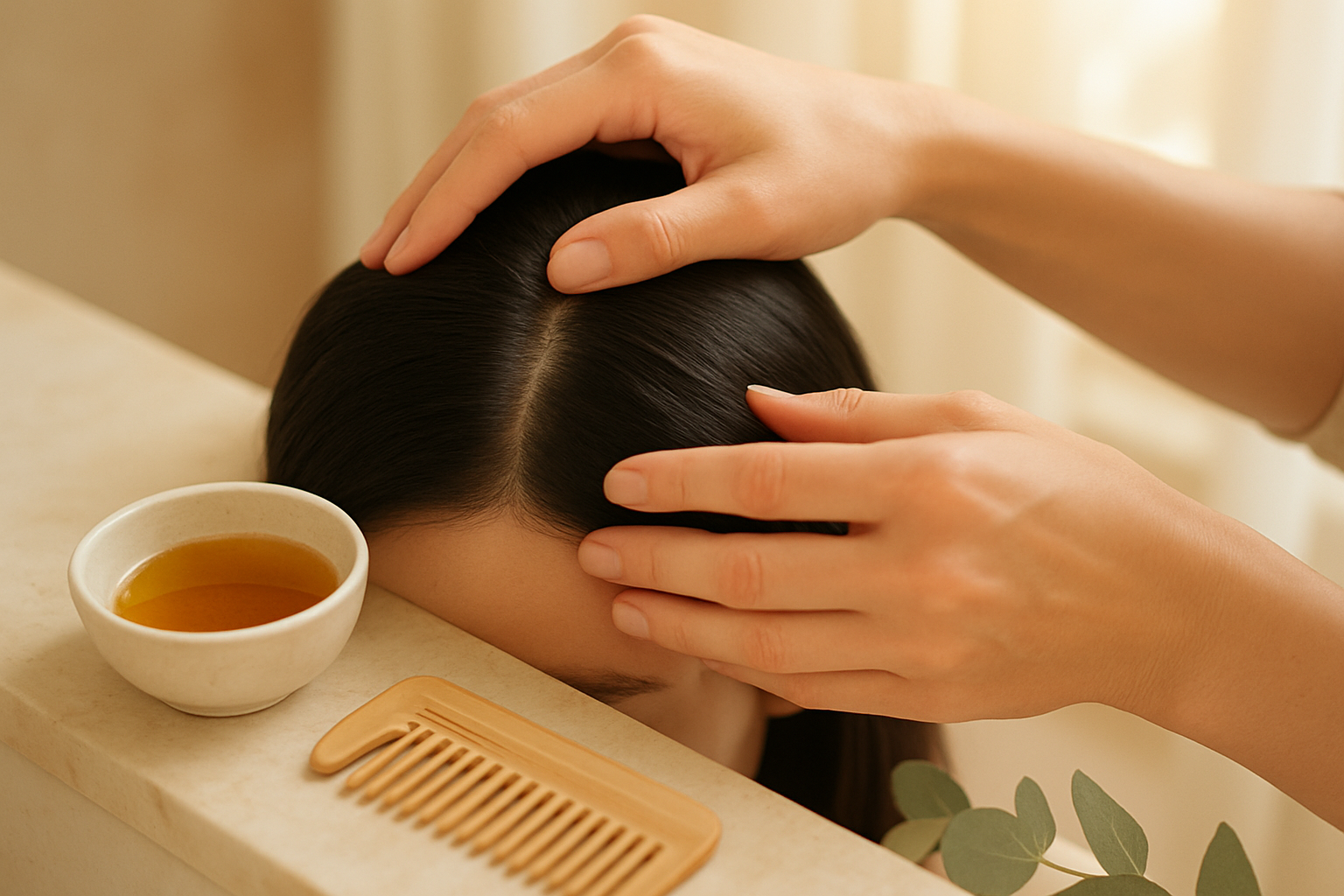
- Anti-dandruff scalp treatment. A targeted protocol using professional-grade actives, scalp massage to improve circulation, and a soothing mask. We tailor this inside our hair treatments based on whether your scalp is oily-flaky or dry-flaky.
- Steam and gentle exfoliation. Warm steam opens the follicles so actives penetrate; a gentle scalp scrub lifts stubborn flakes without scratching.
- Head and shoulder massage. Chronic stress genuinely worsens scalp inflammation. A proper body massage with scalp focus isn't indulgence — it's part of the treatment plan.
Most women need 2–3 sessions, spaced 10–14 days apart, to reset a stubborn scalp.
What Not to Do (Common Mistakes We See Weekly)
- Don't scratch with a comb or nails. You're spreading inflammation and creating micro-wounds.
- Don't apply lemon juice. It's acidic enough to irritate, not strong enough to kill yeast.
- Don't skip conditioner entirely. Dry, damaged lengths make the whole head look flakier.
- Don't DIY 'scalp scrubs' with sugar and coffee. Great for Instagram, abrasive for an inflamed scalp.
- Don't ignore persistent redness or patches. If flakes are stuck, scalp is red and sore, or you're losing hair in patches, see a dermatologist. Some conditions mimic dandruff and need prescription treatment.
Building a Long-Term Scalp-Healthy Routine
Once the flare is calm, the goal is keeping it that way through Lahore's four very different weather personalities. A simple rhythm that works for most of our clients:
- Weekly: one medicated shampoo wash, one gentle wash, one deep conditioning on lengths.
- Monthly: a professional scalp detox or treatment, especially during smog season (October–February) and peak summer (May–July).
- Seasonally: switch shampoo formulas — lighter and more clarifying in summer, gentler and more hydrating in winter.
- Lifestyle: hydration, enough protein, iron and zinc in the diet, and managing stress all show up on your scalp within weeks.
Dandruff is almost never a one-shampoo problem — and it's almost always fixable. If you've been cycling through bottles with no real change, come in for a scalp consultation. Sometimes a single honest look at what's happening up there saves months of guessing.