· 5 min read
Choosing the Right Hair Color for Pakistani Skin Tones
A senior stylist's guide to picking hair colors that flatter warm, olive and deep Pakistani skin tones — with shades to try, shades to skip, and how to keep the color looking expensive.
The wrong hair color can make you look tired, sallow, or oddly washed out — even when your cut is perfect and your skin is glowing. The right one does the opposite: it warms up your face, sharpens your features, and makes your skin look expensive. Pakistani skin tones sit across a beautiful range — from fair with pink undertones to warm wheatish, deep olive, and rich mocha — and each of these responds differently to color. Here's how we approach it at the salon, and how you can figure out what will actually suit you before you commit to a full head of dye.
First, Find Your Undertone (Not Your Skin Shade)
Most women pick hair color based on how fair or dark they are. That's the wrong starting point. Two women with identical wheatish complexions can look completely different in the same shade of brown — because their undertones are different.
Here's a quick test you can do at home in natural light:
- Vein test: Look at the veins on the inside of your wrist. Green = warm undertone. Blue or purple = cool undertone. A mix = neutral.
- Jewellery test: Gold tends to flatter warm undertones; silver flatters cool; both look great on neutral.
- White fabric test: Hold a pure white dupatta against your face. If your skin looks yellow-golden, you're warm. If it looks pink-rosy, you're cool. If it just looks even, you're neutral.
Most Pakistani skin tones lean warm or neutral-warm, with a smaller number falling into olive (a green-yellow undertone that behaves like its own category) or true cool. This single piece of information changes everything about the color that will suit you.
Shades That Genuinely Flatter Warm Pakistani Skin
If you have warm or neutral-warm undertones — which is the majority — you want colors with warmth built into them. Ashy, silvery, or overly cool tones tend to grey out warm skin and make it look dull.
Reliable winners:
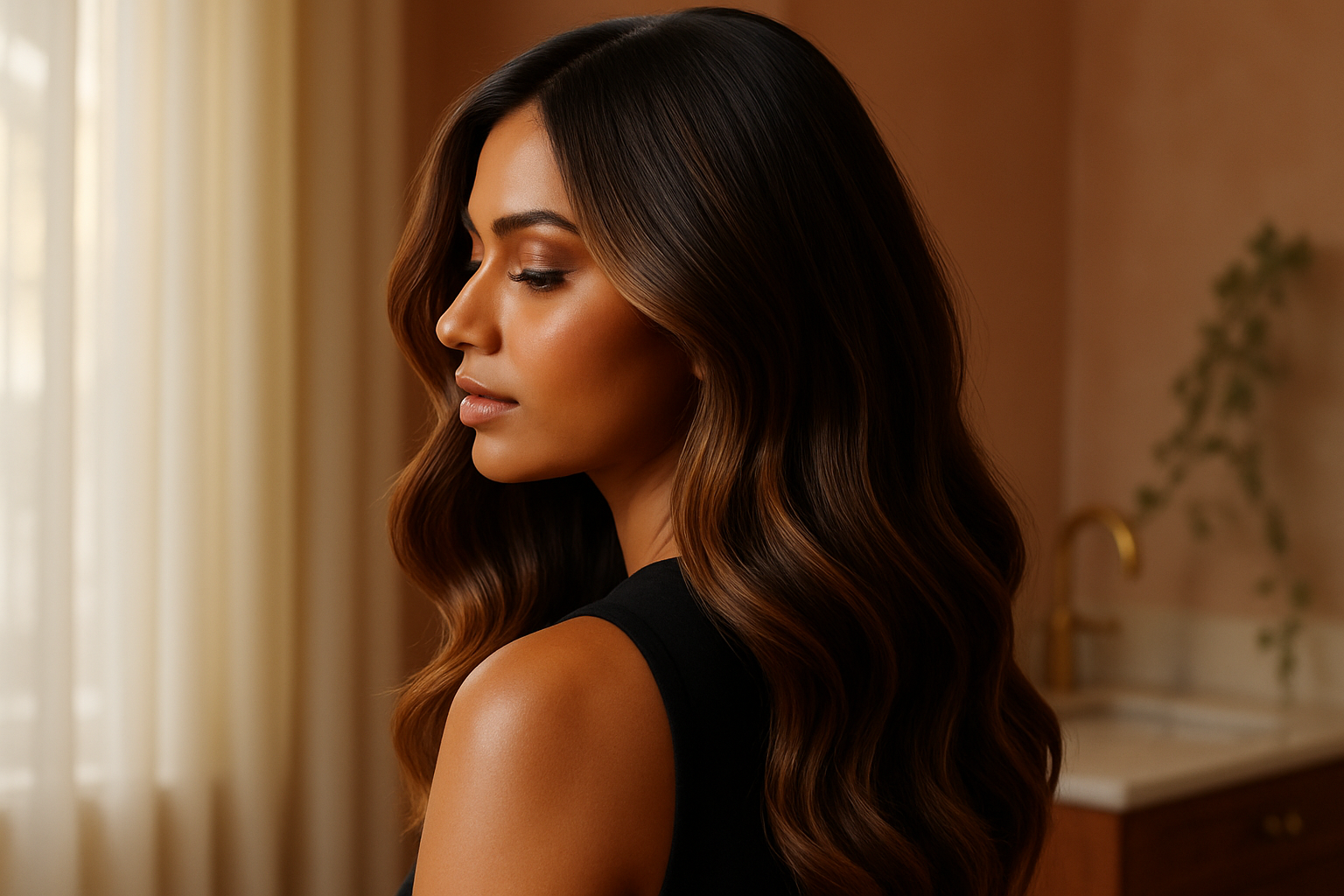
- Chocolate brown with red or auburn undertones — the classic 'expensive brunette' for South Asian hair.
- Caramel and honey highlights — softens the face, especially around the hairline.
- Warm chestnut — a beautiful in-between when black feels harsh and brown feels too light.
- Copper and warm mahogany — bold but incredibly flattering on wheatish and honey skin.
- Toffee balayage — low maintenance because roots grow out naturally.
Shades to be careful with: platinum blonde, icy ash, blue-black (unless your natural hair is already jet black), and cool-toned burgundy. These can either wash you out or fight your skin's natural warmth.
For Olive and Deeper Skin Tones
Olive skin — that beautiful greenish-golden undertone common across Punjab and the north — is tricky because it can pull yellow if you go too warm. Deeper mocha and rich brown skin, meanwhile, can carry much bolder color than most stylists give them credit for.
For olive undertones, look at:
- Deep espresso with soft cinnamon highlights (not blonde).
- Warm-neutral browns rather than red-heavy shades.
- Subtle face-framing pieces in a shade only 2 levels lighter than your base.
For deep and rich skin tones, you can absolutely wear:
- Jet black with blue-black shine — timeless and striking.
- Deep burgundy and plum-brown — gorgeous under Lahore's evening light.
- Rich auburn — dramatic and elegant.
- Honey-bronze balayage placed away from the roots — brightens the face without looking artificial.
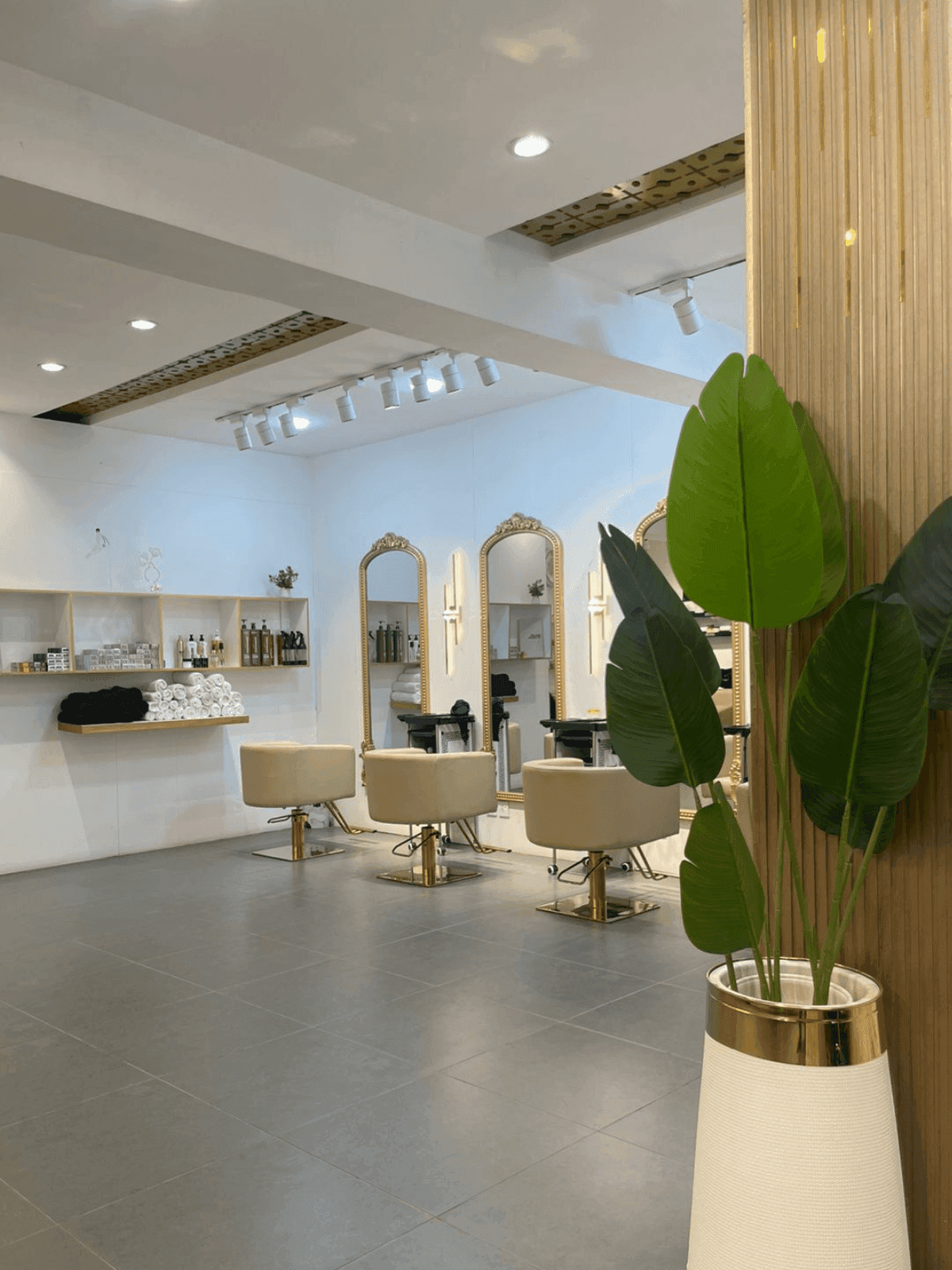
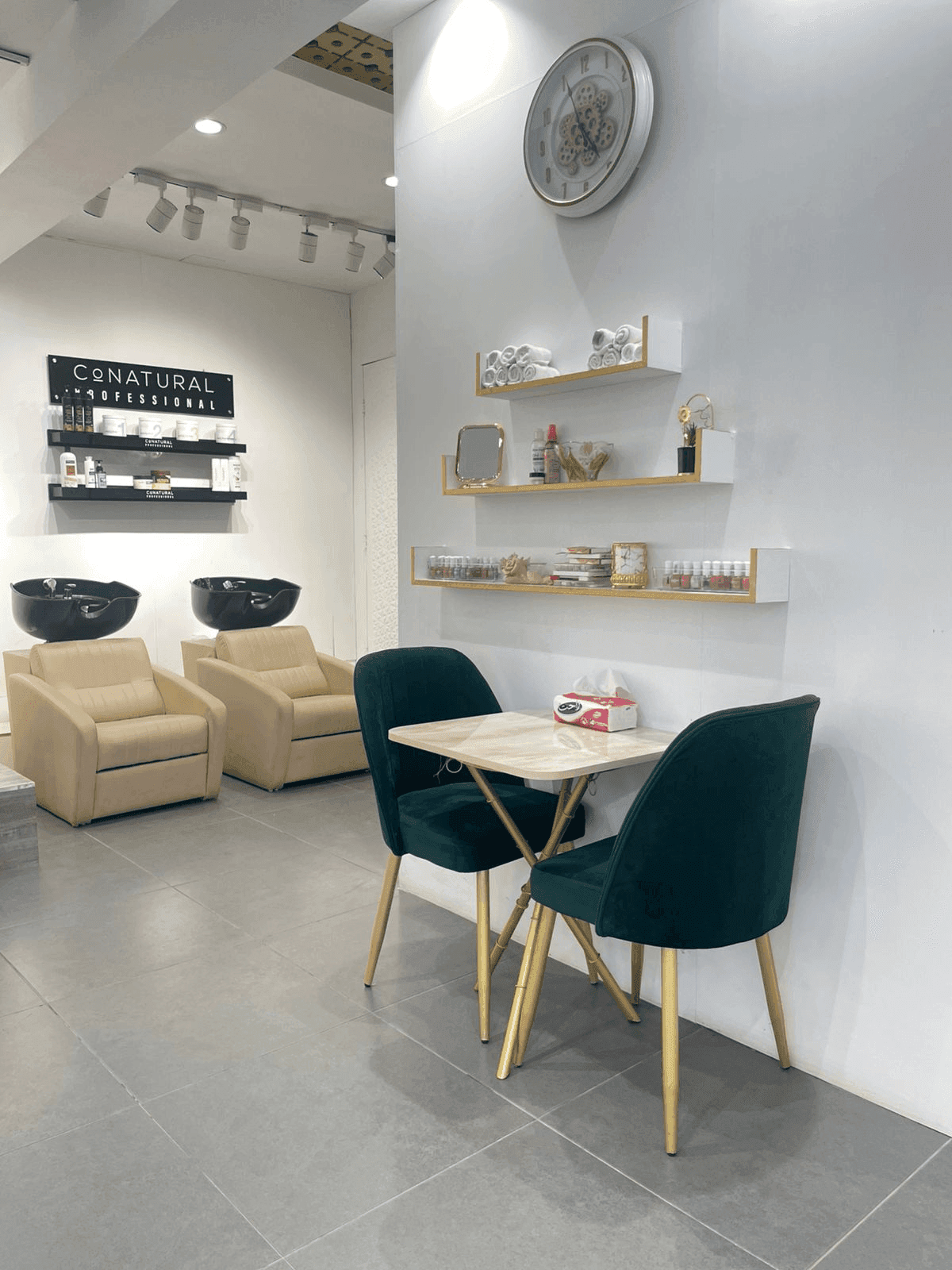
At our DHA Phase 3 salon we do a lot of consultation before touching color — a lot of women come in asking for what a friend has, and it's our job to gently redirect them toward what will actually suit their face. Our hair treatments and dye sessions always start with an undertone check and a strand test where needed.
Match the Color to Your Eyes and Lifestyle, Not Just Trends
Two more filters we run every color through:
Your eyes
Dark brown eyes (the most common in Pakistan) look richer against warm browns, coppers and caramels. Lighter hazel or honey eyes get brighter with cooler contrast — soft ash-brown or espresso can make them pop. If you have very dark eyes and go too ashy, the eyes can start to look flat.
Your lifestyle and maintenance appetite
Be honest with yourself here. Beautiful color needs upkeep.
- Global color (one shade all over): Needs a touch-up every 4–6 weeks. Great if you have visible white/grey hair to cover.
- Highlights and balayage: Grow out much more gracefully — a refresh every 3–4 months is usually enough.
- Fashion shades (copper, burgundy, mahogany): Fade faster in Lahore's water and sun. Expect a gloss top-up every 6–8 weeks.
If you can only visit the salon twice a year, don't commit to platinum highlights. Choose a color story that ages well.
Making Color Last in Lahore's Water, Sun and Pollution
Lahore is genuinely hard on colored hair. Hard water leaves mineral deposits that dull the shade, UV oxidises red and copper pigments fast, and pollution makes hair porous — which means color washes out even quicker.
A few things that make a real difference:
- Wait 72 hours after coloring before your first wash. This lets the cuticle close and the pigment settle.
- Use a sulphate-free, color-safe shampoo. Regular shampoos strip color aggressively.
- Wash with lukewarm water, not hot. Hot water opens the cuticle and bleeds color out.
- Weekly deep conditioning or a bond-repair mask. Colored hair is chemically altered — it needs more moisture than virgin hair.
- UV protection spray if you're outdoors often. Especially critical for coppers and reds.
- In-salon glosses every 6–8 weeks to refresh tone without re-dyeing the whole head.
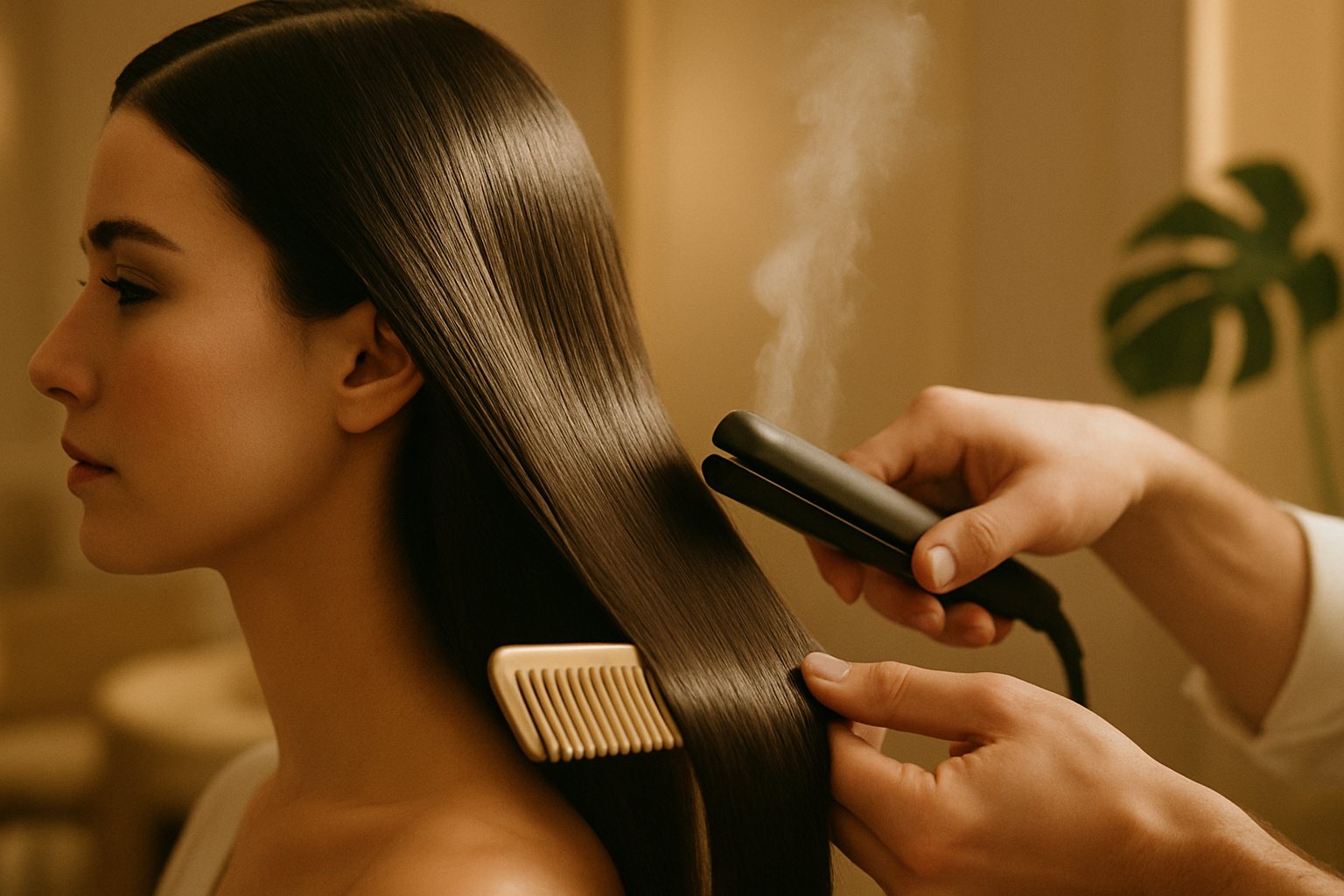
Book a professional hair treatment alongside your color appointment — a good moisture or protein treatment right after coloring can add weeks of shine and slow fade dramatically.
When to Consider Extensions Instead of More Color
Sometimes what women think they want is a color change — but what they actually want is more dimension, length, or volume. Repeated bleaching to add highlights damages the hair over time, especially the fine, medium-density hair many Pakistani women have.
If your natural hair is healthy and you love its base color, tape-in or clip-in hair extensions in a pre-colored balayage shade can give you the dimensional effect of highlights without chemically processing your own strands. It's worth a conversation before you commit to bleach.
The Bottom Line
The best hair color for you isn't the one trending on Instagram or the one your favourite drama actress is wearing this season. It's the one that agrees with your undertone, works with your eyes, fits your maintenance budget, and survives Lahore's climate. Take twenty minutes for a proper consultation before your first big color change — a good colorist will save you from a shade you'll regret, and open your eyes to one you'd never have picked yourself.