· 5 min read
Choosing the Right Hair Color for Pakistani Skin Tones
Warm wheatish, olive, deep tan or fair pink — your Pakistani skin tone has a matching hair colour that flatters. Here's how to pick it like a colourist would.
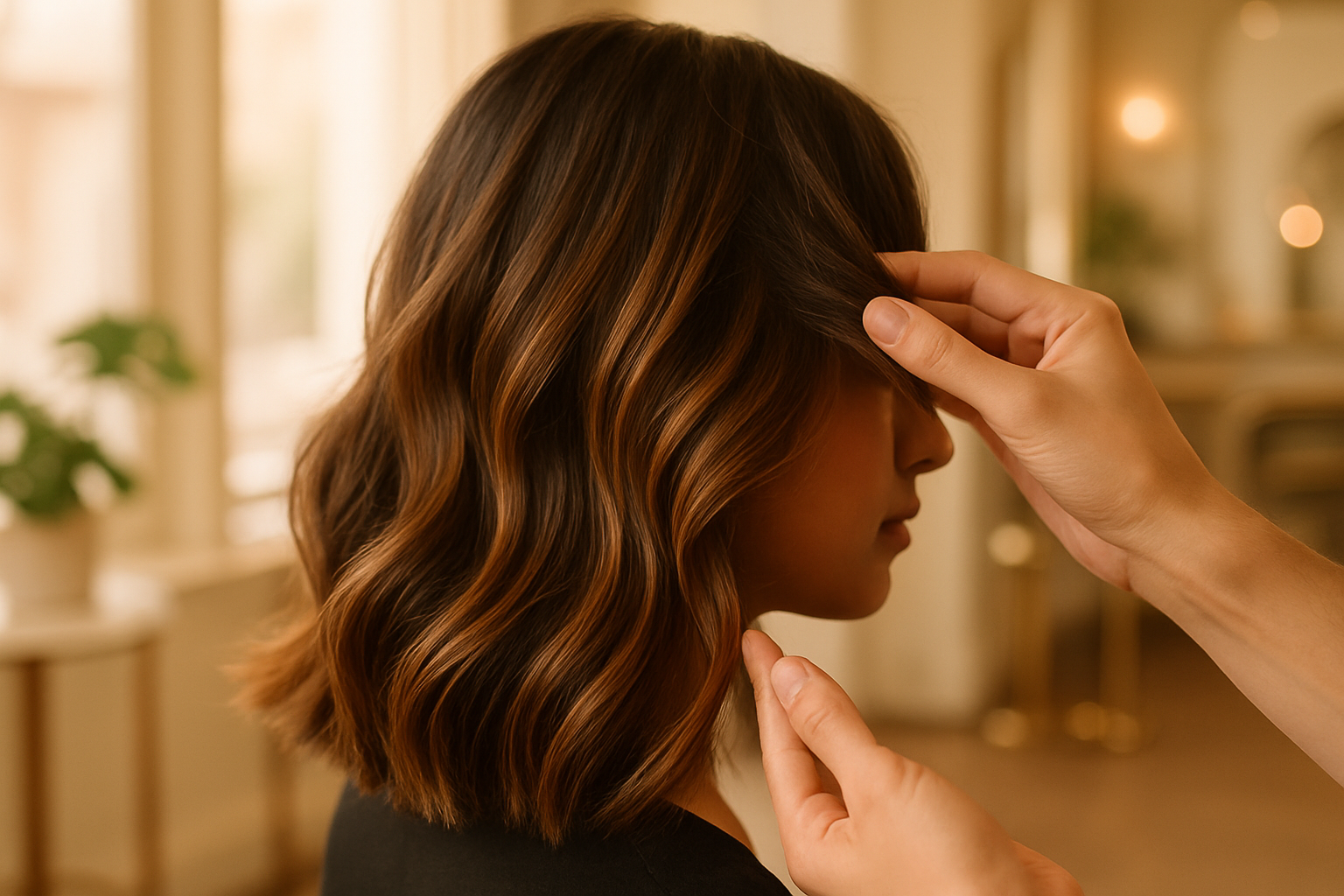
Walking into a salon with a Pinterest board is exciting — until the colour that looked stunning on a Scandinavian model turns brassy orange on you three weeks later. Hair colour isn't just about picking a pretty shade; it's about the conversation between your natural hair, your skin's undertone, and how Lahore's sun and water will treat that colour over time. Pakistani skin tones are gorgeously varied — from fair porcelain to golden wheatish to deep caramel — and each one has a family of shades that will make you glow, and a few that will quietly wash you out. Here's how we think about it at the chair.
Start With Your Undertone, Not Your Skin Colour
Two women can both be described as wheatish and need completely different colours. The reason is undertone — the subtle hue underneath your surface skin.
- Warm undertone: Your skin has golden, peachy, or yellow hints. Veins on your wrist look greenish. Gold jewellery flatters you more than silver.
- Cool undertone: Your skin has pink, red, or bluish hints. Wrist veins look blue or purple. Silver and rose gold look striking on you.
- Neutral undertone: A mix of both. You can wear gold and silver equally well.
Most Pakistani women fall somewhere on the warm-to-neutral spectrum, which is why warm chocolate, honey, caramel and mahogany shades tend to be universally loved here. Cool undertones are less common but strikingly beautiful with ash and mocha shades — the very colours that look muddy on warm skin.
The quick mirror test
Stand in natural daylight (not tube light), pull your hair back, and hold a piece of pure white paper next to your face. If your skin looks yellow-golden against the white, you're warm. If it looks pinkish or rosy, you're cool. If you honestly can't tell, you're likely neutral — lucky you.
Matching Colour Families to Pakistani Skin Tones
Once you know your undertone, the shade families narrow down quickly.
Fair with pink undertones
Think of skin that flushes easily and looks rosy. You suit:
- Cool ash browns and mushroom brown
- Soft cherry, burgundy, and plum reds
- Cool-toned blondes (only if lifted properly — more on that below)
Avoid heavy orange-copper and golden blonde, which can make you look flushed or unwell.
Fair to medium with warm/golden undertones
The classic gori Lahori complexion with a golden glow. You suit:
- Honey blonde and caramel highlights
- Warm chestnut and hazelnut brown
- Auburn and copper (stunning in autumn)
Avoid jet black — it can look harsh and age the face. A very dark espresso brown gives the same drama with softness.
Wheatish and olive skin
This is the most common Pakistani tone and honestly the most versatile. You suit:
- Rich chocolate brown, mocha, and warm brunette
- Mahogany, cinnamon, and warm reds
- Subtle caramel or toffee balayage for dimension
Be careful with platinum blonde and very ash tones — they can make olive skin look grey. If you love a light look, ask your colourist for face-framing money-piece highlights instead of full blonde.
Deep tan and rich brown skin
Deeper complexions carry bold colour beautifully. You suit:
- Espresso, blue-black, and deep coffee shades
- Rich burgundy, wine, and aubergine
- Warm bronze and copper highlights that light up the face
Avoid muddy medium browns that blend into your skin without contrast. Go either richer than your natural or brighter for impact.
Global vs Highlights vs Balayage: Which Technique Suits You?
The shade is only half the decision. How the colour is placed matters just as much.
- Global colour is a single shade all over. Best if you want to cover greys, deepen your natural, or make a bold change. Lowest maintenance but grows out with a visible root line.
- Highlights (foils) are classic thin streaks lifted lighter than your base. Great for adding brightness around the face. Regrowth is more obvious, so touch-ups every 8–10 weeks.
- Balayage is hand-painted, sun-kissed colour that's softer at the roots and brighter at the ends. It grows out beautifully — you can stretch appointments to 3–4 months. Ideal for busy women in DHA who don't want frequent salon runs.
- Money piece / face framing is a chunkier lightening only around the front sections. Low commitment, high impact, and it instantly brightens the face.
At Rabbiz, our colourists usually recommend balayage or dimensional colour for South Asian hair because it's forgiving on regrowth and looks intentional even as it fades.
The Lahore Reality: Sun, Water, and Fade
Even the perfect colour won't stay perfect if you don't factor in your environment.
- Hard water in most of Lahore is mineral-heavy and pulls colour out fast, especially reds and coppers. A clarifying rinse once a month and a shower filter help enormously.
- UV exposure turns brunettes brassy and blondes yellow. A hat or a UV-protectant hair mist is not optional if you drive around midday.
- Chlorine from pool swims strips toner in one dip. Wet hair with plain water and apply conditioner before getting in the pool — chlorine binds to dry hair much more aggressively.
Coloured hair also needs richer conditioning. Book a bond-repair or moisture hair treatment every 4–6 weeks to keep the cuticle sealed so pigment doesn't leach out.
Covering Greys the Right Way
Greys in your late twenties and thirties are more common than most Pakistani women admit — stress, genetics, and diet all play a role. Two options work well:
- Full coverage global colour matched half a shade lighter than your natural. Going darker than your natural makes greys look like harsh stripes as they grow.
- Root smudging with highlights — the colourist blurs the root area into your highlights so regrowth looks blended. Best if greys are under 30% and mostly around the hairline.
Ammonia-free demi-permanent colours are gentler and give a softer grey blend, but they wash out in 20–28 shampoos. Choose based on how much upkeep you're willing to do.
Before You Book: What to Discuss With Your Colourist
A good consultation prevents 90% of colour regrets. Come prepared to talk about:
- Your maintenance appetite — every 6 weeks or every 4 months?
- Previous colour history — henna, box dye, or keratin all affect how new colour takes
- Your wardrobe and makeup — cool-toned makeup with warm-toned hair can clash
- Skin tone in different seasons — most of us get a shade or two darker in summer
If you're colouring for the first time, ask for a strand test. And if you're going more than two shades lighter than your natural, expect it to take more than one session — rushing lift on dark South Asian hair is the fastest way to end up with orange bands.
Hair colour done well isn't a trend chase; it's a subtle upgrade that makes people say you look great without knowing why. Book a consultation, come with references, and trust a colourist who's honest about what will and won't suit you. That's how you end up with hair you actually love in the mirror — not just on a screen.