· 5 min read
Hair Masks Worth Using — And The Ones That Don't Deliver
A senior stylist's honest take on which hair masks actually repair Lahore-stressed hair — and which ones are just expensive conditioner in a fancy jar.
Walk into any beauty aisle in Lahore — whether it's a chemist in DHA Phase 3 or an import store in Y Block — and you'll see thirty hair masks promising the same thing: silkier, stronger, salon-shiny hair in fifteen minutes. Most of them are lying, gently. A few are genuinely brilliant. After years of working with hair that's been bleached, balayaged, blow-dried for weddings, and battered by Lahore's hard water and pollution, we've developed strong opinions on what actually moves the needle — and what's just a thick conditioner with a premium price tag.
Here's the honest breakdown.
What A Hair Mask Is Actually Supposed To Do
A real hair mask is not just a conditioner you leave on longer. It's a more concentrated treatment designed to do one specific job: rebuild protein, deeply hydrate the cortex, seal the cuticle, or repair broken disulfide bonds. The mistake most women make is using the wrong category for their actual problem — and then blaming the mask when nothing changes.
Before you buy anything, ask yourself two questions:
- Is my hair dry, or is it damaged? Dry hair needs moisture. Damaged hair needs protein or bond repair. They are not the same thing.
- What did I do to my hair in the last 6 months? Colour, bleach, straightening, heat tools, tight ponytails — each one points to a different mask category.
If you can't answer those clearly, a proper consultation with a stylist (we do this free before any hair treatment at the salon) will save you thousands of rupees in wrong purchases.
Masks That Are Genuinely Worth Your Money
These are the categories that consistently deliver real results on South Asian hair textures — which tend to be thicker, denser and more porous after colour services.
1. Bond repair masks (the Olaplex category)
If you've bleached, highlighted or done a balayage, this is non-negotiable. Bond builders work on the actual chemistry of your hair — the disulfide bonds that bleach breaks. Olaplex No. 8, K18, and Wella's professional bond repair line all genuinely repair structural damage. You'll feel the difference after one use: less mushy elasticity, more bounce.
Use it: once a week, on damp hair, before conditioner.
2. Keratin and protein masks
Protein rebuilds the hair shaft. If your hair feels limp, stretchy or breaks when wet, you're protein-deficient. Look for hydrolysed keratin, wheat protein, or silk amino acids in the first five ingredients. Brands like Joico K-Pak, Redken Extreme, and Schwarzkopf Fibre Clinix do this well.
Warning: too much protein makes hair stiff and snappy. Once every 10–14 days is plenty.
3. Deep moisture masks with real humectants
For dry, frizzy, colour-treated or sun-damaged hair, look for masks with shea butter, argan oil, glycerin, panthenol and ceramides. Moroccanoil Intense Hydrating Mask and Kérastase Nutritive Masquintense are old-school for a reason — they actually penetrate rather than just coat.
4. Scalp masks (the underrated hero)
If you have flaking, itching, or hair fall, the mask you need isn't for your lengths — it's for your scalp. Salicylic acid, niacinamide and tea tree-based scalp masks clear buildup from dry shampoo, oil and Lahore's pollution-heavy air. The Briogeo Scalp Revival mask is the gold standard.
Masks That Quietly Don't Deliver
This is where you need to be ruthless. Marketing is convincing; chemistry is not.
- Anything labelled "5-in-1" or "repairs all damage". Hair damage is too specific for a single product to fix everything. These are usually mid-range conditioners in a thicker formula.
- Masks where the first ingredient after water is alcohol, silicone or fragrance. Silicones aren't evil, but if they're doing the heavy lifting, you're getting temporary shine, not repair.
- Most viral TikTok DIYs. Mayonnaise, raw egg, banana mush — they coat the hair, feel "nourishing", and then dry it out long-term because they strip natural lipids when you wash them off. The smell is also unforgivable.
- Coconut oil as a "mask" on fine or low-porosity hair. It sits on top, weighs hair down, and for many women it actually causes more breakage because it doesn't penetrate. It works beautifully on thick, coarse hair — and not on most other types.
- "Hair botox" tubs from unknown brands. Real in-salon botox treatments are a different process. Tub versions usually contain heavy silicones and formaldehyde derivatives.
How To Actually Use A Mask (Most Women Get This Wrong)
The product matters. The technique matters more.
- Wash first, then towel-dry. Mask on dripping wet hair = diluted product = wasted money.
- Apply from mid-length to ends. Roots rarely need a mask; they need a scalp treatment.
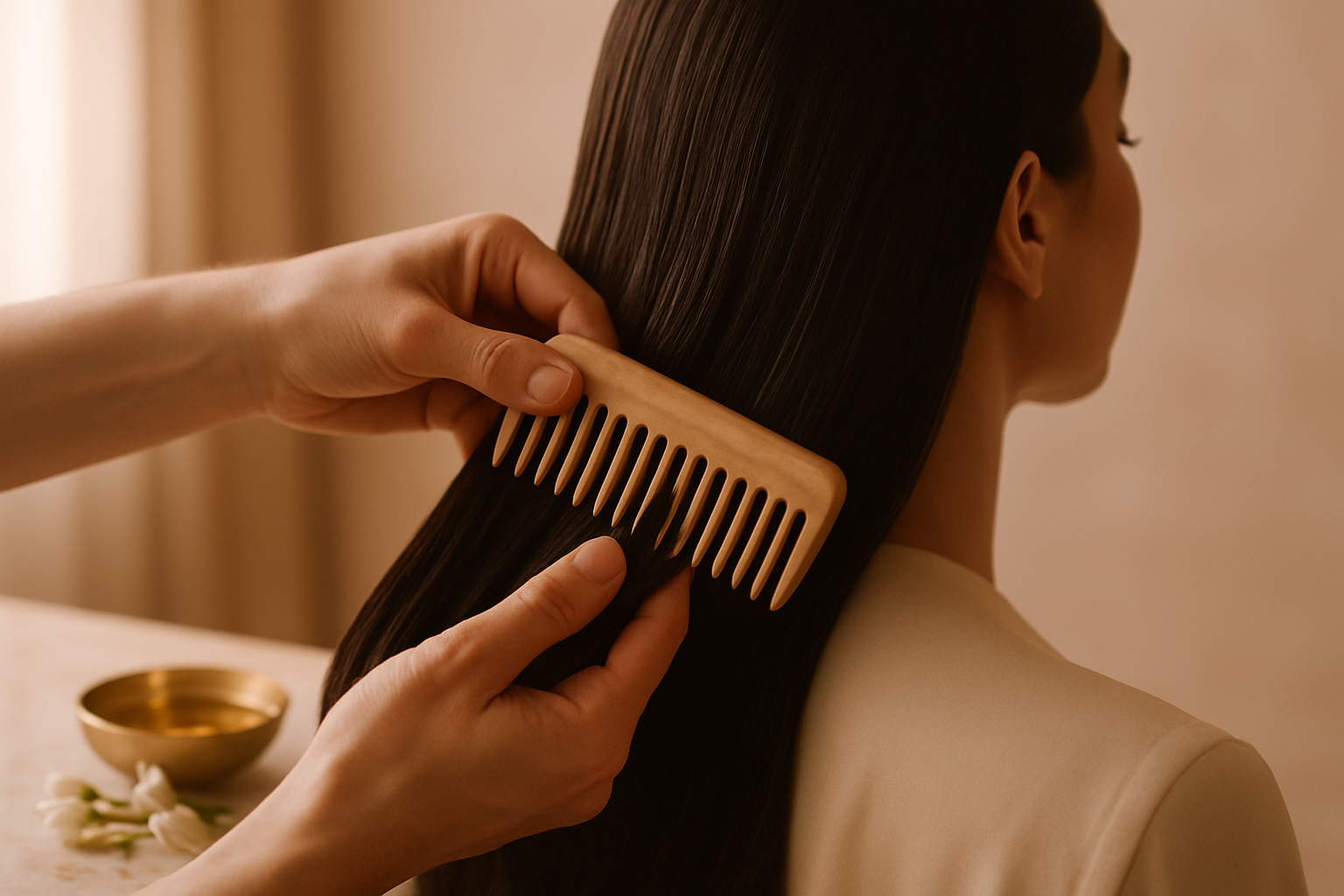
- Use a wide-tooth comb to distribute. This is the single biggest improvement most clients see overnight.
- Heat helps penetration. A warm towel or shower cap for 10–15 minutes opens the cuticle. Skip the chemical "activator" gimmicks.
- Rinse with cool water. Closes the cuticle and locks in shine.
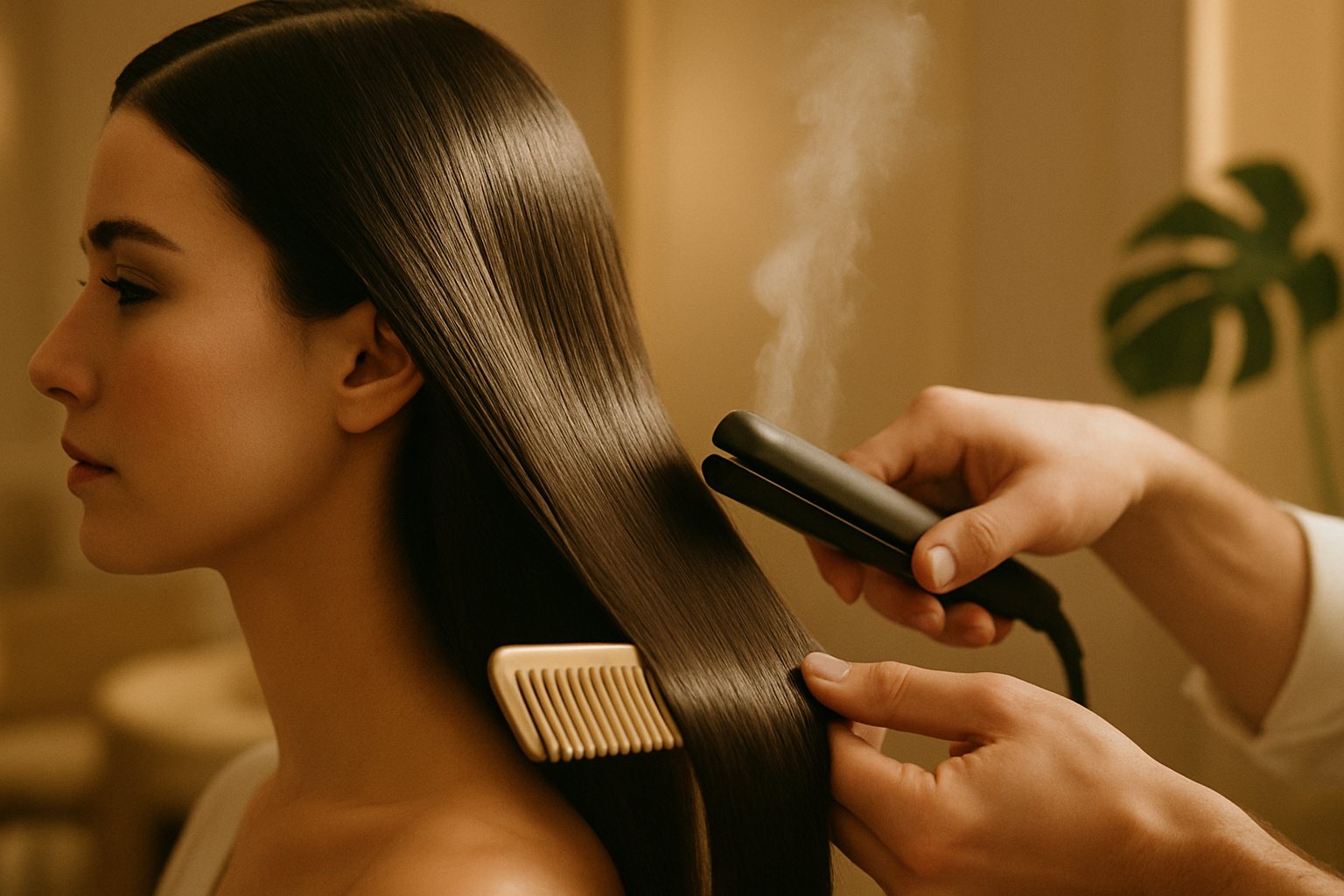
If your hair is heavily colour-treated, balayaged, or you wear extensions, a salon-grade in-chair treatment every 4–6 weeks will outperform any at-home mask. We use professional bond builders and steam infusion as part of our hair treatment menu — the concentration and technique simply aren't available in retail.
A Realistic Weekly Routine For Lahore Hair
Lahore's water is hard, the air is dusty for half the year, and most of our clients use heat tools at least twice a week. Here's a rotation that genuinely works:
- Wash day 1: Clarifying shampoo + deep moisture mask.
- Wash day 2: Gentle shampoo + protein or bond mask (only if colour-treated or heat-damaged).
- Once a month: Scalp mask before shampoo.
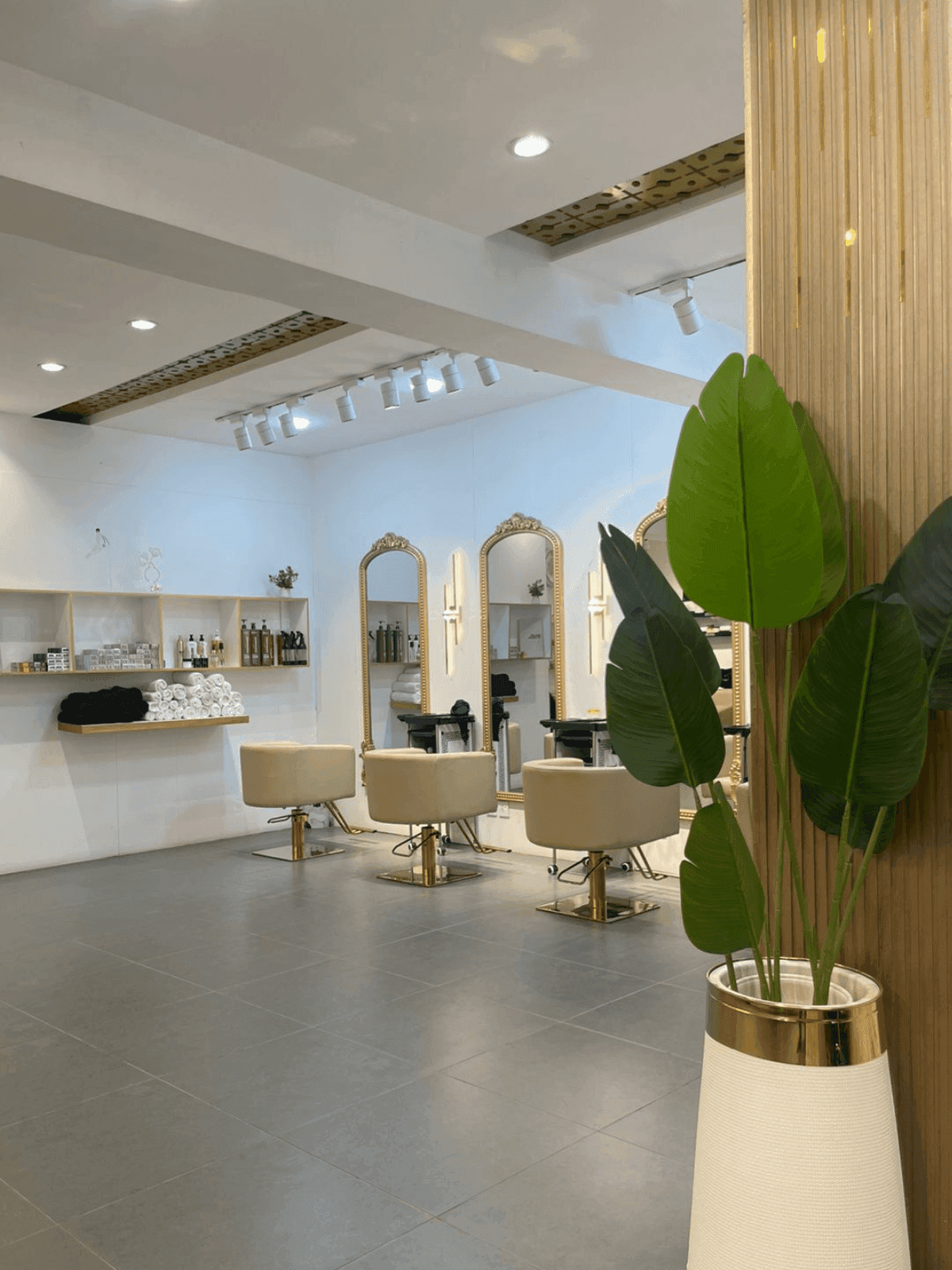
- Every 6 weeks: Professional in-salon treatment — book a consultation at the hair studio so we can match the treatment to what your hair is actually doing that month.
The goal isn't to use more products. It's to use the right two or three, consistently, for at least eight weeks. Hair grows and recovers slowly — be patient with it, and it will reward you.