· 5 min read
Hair Masks Worth Using — And The Ones That Don't Deliver
A senior stylist's honest guide to which hair masks actually repair, hydrate and smooth South Asian hair — and which are overhyped, overpriced or outright useless.
Walk into any beauty aisle in Lahore and you'll see fifty jars promising silky, salon-smooth, damage-free hair in one wash. Most of them won't do what they claim. Some will make things worse. And a small handful — used the right way, on the right hair — genuinely change how your hair feels. After years of running deep-conditioning treatments on every kind of hair that walks into our DHA Phase 3 studio, here's the honest breakdown of what's worth your money and what isn't.
First, Understand What A Mask Actually Does
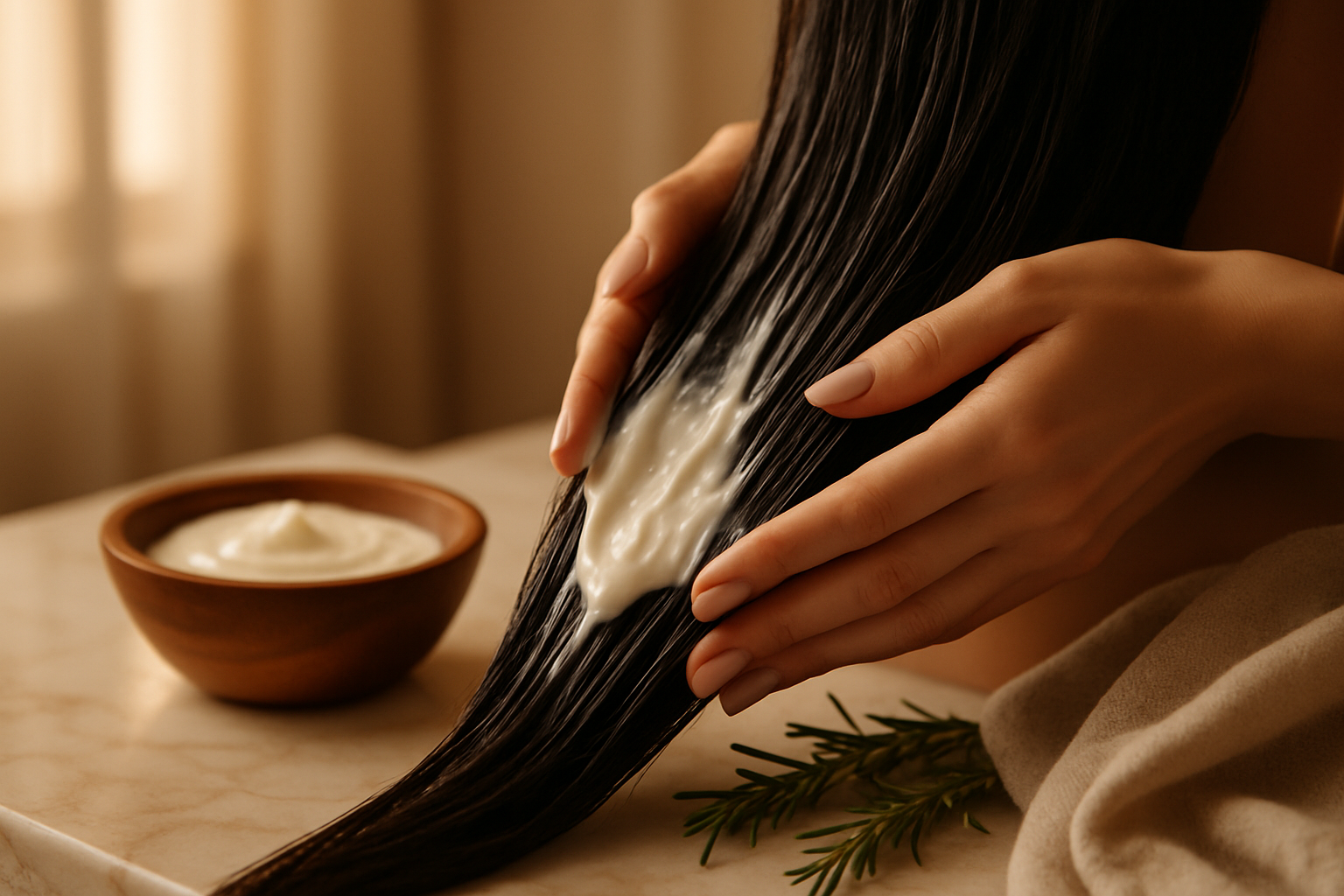
A hair mask is not magic. It's a concentrated conditioner designed to sit on the hair long enough for its actives to either coat, hydrate, or temporarily rebuild the strand. That's it. Nothing you buy in a jar can permanently repair a broken hair shaft — but the right mask can make damaged hair behave, look and feel like healthy hair until it grows out.
Before you pick one, you need to know two things about your own hair:
- Is it dry or damaged? (Different problems.)
- Is it fine, medium or coarse? (Determines how heavy a mask you can tolerate.)
Dry hair needs moisture. Damaged hair needs protein or bond repair. Confuse the two and you'll make it worse — protein on already brittle, over-processed hair will snap it further.
Masks That Are Worth Every Rupee
1. Bond-repair masks (Olaplex No. 8, K18, similar)
These are the closest thing to a real treatment in a jar. They target the disulfide bonds inside your hair that break during coloring, bleaching, keratin services and rebonding. If you've had any chemical work done — and most of our clients getting hair color or smoothing services have — a bond-repair mask once a week is the single best investment you can make.
What to expect: less breakage, more elasticity, hair that doesn't feel like straw after washing.
2. Rich moisture masks with shea butter, ceramides or panthenol
For Lahore's dry winter months and for anyone whose hair feels rough at the mid-lengths, a proper moisture mask is non-negotiable. Look for shea butter, ceramides, panthenol (pro-vitamin B5), glycerin and fatty alcohols like cetyl or cetearyl alcohol (the good alcohols — they soften, not dry).
Brands that deliver consistently: Kérastase Nutritive, Redken All Soft, Moroccanoil Intense Hydrating, Wella Oil Reflections. Yes, they're expensive. Yes, they last four to five months if you use them weekly.
3. Protein masks — but only if you actually need them
Protein masks (hydrolyzed keratin, wheat, silk, rice protein) are excellent for hair that feels mushy, stretchy or limp when wet. That's a sign of protein loss. Use once every two to three weeks, not weekly. Over-proteined hair becomes stiff and brittle.
4. A good old-fashioned oil treatment
Don't dismiss the dadi wisdom. A warm coconut, argan or almond oil massage left on for two to four hours before shampoo penetrates the cortex better than most drugstore masks. It's the cheapest, most effective treatment for coarse, thick South Asian hair — which is exactly why it's still recommended alongside our in-salon hair treatments.
Masks That Don't Deliver (Save Your Money)
1. "10-in-1" drugstore hair masks under Rs. 500
If a jar claims to repair, hydrate, smooth, add shine, prevent split ends, protect from heat, colour and pollution — it does none of them well. These are typically cheap conditioners with fragrance and silicone. You'll feel a difference for one wash, then nothing.
2. DIY egg-mayonnaise-banana-yogurt concoctions from Instagram
We get clients every month whose scalps are irritated or whose hair smells eggy for weeks because raw egg protein doesn't rinse cleanly. Food ingredients don't have the molecular size to penetrate hair. They sit on top, feel slippery for a day, and often go rancid. Skip it.
3. "Keratin at home" mask kits
A salon keratin treatment works because of heat sealing at 230°C and specific formaldehyde-derivative chemistry. A jar labelled "keratin mask" you leave on for 20 minutes at home is essentially a conditioner with hydrolyzed keratin — fine as a conditioner, useless as a substitute for the actual treatment.
4. Clay or charcoal "detox" masks for lengths
Clay on the scalp can help oily roots. Clay on the lengths will parch already-dry hair. Most "detox" hair masks are marketing.
5. Anything promising to "grow hair 3 inches in a month"
Hair grows roughly half an inch a month. No topical mask changes that. What masks can do is reduce breakage so length is retained — which looks like growth, but isn't the same thing.
How To Actually Use A Mask Properly
Even the best mask fails if used wrong. In our salon, this is the sequence we teach clients to replicate at home:
- Shampoo first, twice if needed. A mask can't penetrate a dirty, product-coated cuticle.
- Squeeze out excess water. Dripping wet hair dilutes the mask.
- Apply from mid-lengths to ends first, then a smaller amount near the roots only if your scalp is dry.
- Comb through with a wide-tooth comb so every strand is coated.
- Leave it on 10–20 minutes. Longer isn't better — most actives have done their job by 15 minutes.
- Add gentle heat (a warm towel or shower cap) once a month for deeper penetration.
- Rinse with cool water to seal the cuticle.
Do this once a week if your hair is dry or coloured, once every two weeks if it's normal.
When A Mask Isn't Enough
Here's the honest part most brands won't tell you: if your hair is severely damaged from repeated bleaching, tight ponytails, heat styling without protectant, or a bad chemical service, no mask will fix it. You need a proper in-salon protocol — a strand cut, a bond-building treatment, and often a rethink of your at-home routine.
That's the conversation we have during a consultation at Rabbiz. Sometimes the answer is a series of professional hair treatments spaced two weeks apart. Sometimes it's premium extensions while your natural hair recovers underneath. And sometimes it's simply switching your shampoo and cutting off two inches. Whatever it is, we'd rather tell you the truth than sell you another jar.