· 4 min read
Hair Masks Worth Using — And the Ones That Don't Deliver
A senior stylist's honest breakdown of hair masks that actually repair, hydrate and strengthen — plus the trendy ones quietly wasting your money.
If you've ever stood in a Lahore pharmacy aisle staring at twelve shiny tubs promising "instant repair," you're not alone. Hair masks are the most oversold category in haircare — some genuinely rebuild damaged strands, and some are just thick conditioners in prettier packaging. After years of working on every hair type that walks through our door in DHA Phase 3 — from colour-fried blondes to heat-exhausted bridal clients — I can tell you most women are using the wrong mask for the wrong problem. Here's how to tell the difference.
First, Understand What a Mask Is Actually Doing
A hair mask is a concentrated treatment designed to sit on the hair longer than a conditioner (usually 5–20 minutes) so active ingredients can penetrate the cuticle. That's it. The magic isn't in the jar — it's in whether the formula matches what your hair is missing.
Hair generally needs one of three things:
- Moisture (if it's dry, frizzy, dull, rough to touch)
- Protein (if it's limp, stretchy when wet, snapping easily)
- Bond repair (if it's been bleached, coloured, keratin-treated or heat-damaged repeatedly)
Using a protein mask on already protein-overloaded hair makes it brittle. Slathering a rich moisture mask on fine, limp hair makes it flat and greasy. Diagnosis first, product second.
Masks That Genuinely Deliver
1. Bond-building treatments (Olaplex No. 3, K18, L'Oréal Metal Detox)
These are the only at-home products I'd call treatments rather than conditioners. They work on the disulfide or polypeptide bonds inside the strand — the structural damage caused by bleach, dye and heat tools. If you colour your hair or use straighteners more than twice a week, a weekly bond mask is non-negotiable. K18 in particular has held up well on the Pakistani clients we see for hair treatments and dye.
2. True protein masks (used sparingly)
Masks with hydrolysed keratin, wheat or silk protein — think Joico K-Pak, Nexxus Keraphix — can rescue hair that feels mushy when wet. Use once every 3–4 weeks maximum. More than that and you'll feel the straw-like crunch of protein overload.
3. Deep moisture masks with real emollients
Look for shea butter, argan oil, ceramides and panthenol high up the ingredient list. Shea Moisture Manuka Honey, Moroccanoil Intense Hydrating Mask and Davines Nounou are workhorses. These are what Lahore winters and summer AC exposure actually call for.
4. Scalp-focused masks
Underrated. A clay or salicylic-acid scalp mask (like Christophe Robin Purifying Mud) once a month clears product buildup, SPF residue and the hard-water film we all accumulate. Healthier scalp, better hair growth, less itch.
The Masks Quietly Letting You Down
Supermarket "intense repair" tubs
Most drugstore masks in the Rs. 800–2,000 range are essentially thick silicone conditioners. They coat the hair to make it feel smooth for a day, then wash out leaving nothing behind. If the first three ingredients are water, cetearyl alcohol and dimethicone — you're paying for slip, not repair.
Coconut oil as a "mask"
Controversial, I know. Coconut oil can protect hair from protein loss during washing, but as a standalone overnight mask it's heavy, hard to rinse out, and for many Pakistani women with fine or coloured hair, it weighs the roots down and dulls colour. Use it pre-wash, in small amounts, on lengths only — not as a weekly ritual your nani swore by for every hair type.
Mayonnaise, egg and yogurt DIYs
They smell terrible, they don't rinse cleanly, and the "protein" molecules are too large to penetrate the cuticle. You're conditioning the outside of your hair with food. Save the eggs for breakfast.
Collagen masks on fine hair
Trending on Instagram, mostly disappointing in practice. Collagen is a large protein that mainly sits on the surface. Fine-haired clients often report hair feeling stiff and oddly dry after a few uses.
"Keratin" masks that promise salon results
A jar of keratin cream will not replicate a professional smoothing service. It can add temporary softness, but structural smoothing requires heat sealing done properly — something we handle in-salon under the hair menu. Don't expect a Rs. 3,000 tub to replace a Rs. 25,000 treatment.
How to Build a Mask Routine That Actually Works
For most of our DHA clients, this rotation works beautifully:
- Weekly: Moisture mask on mid-lengths and ends, 10 minutes in the shower.
- Every 2–3 weeks: Bond repair treatment if you colour or heat-style.
- Monthly: Scalp detox mask before your regular wash.
- Every 4–6 weeks: Protein mask only if hair feels soft/stretchy.
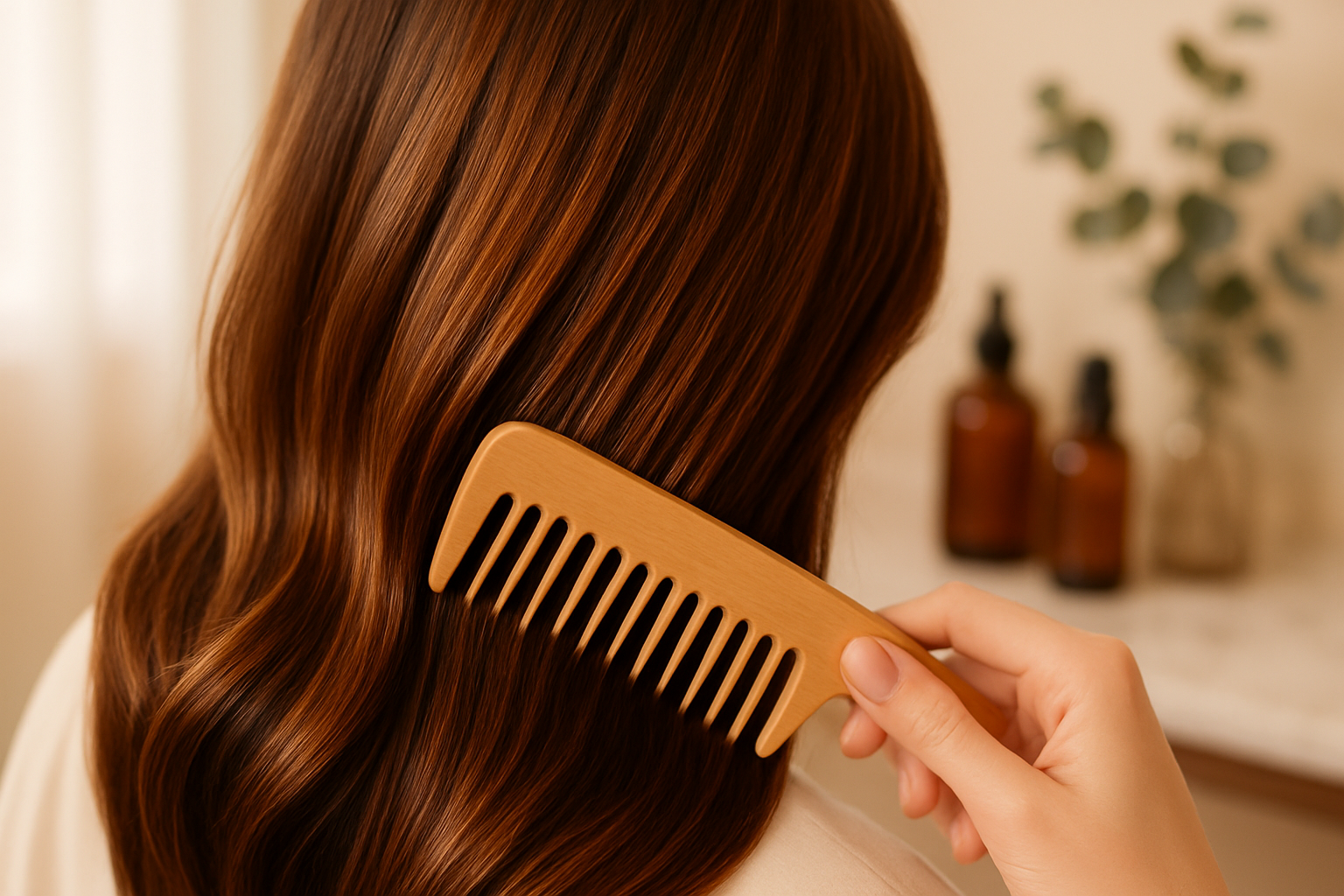
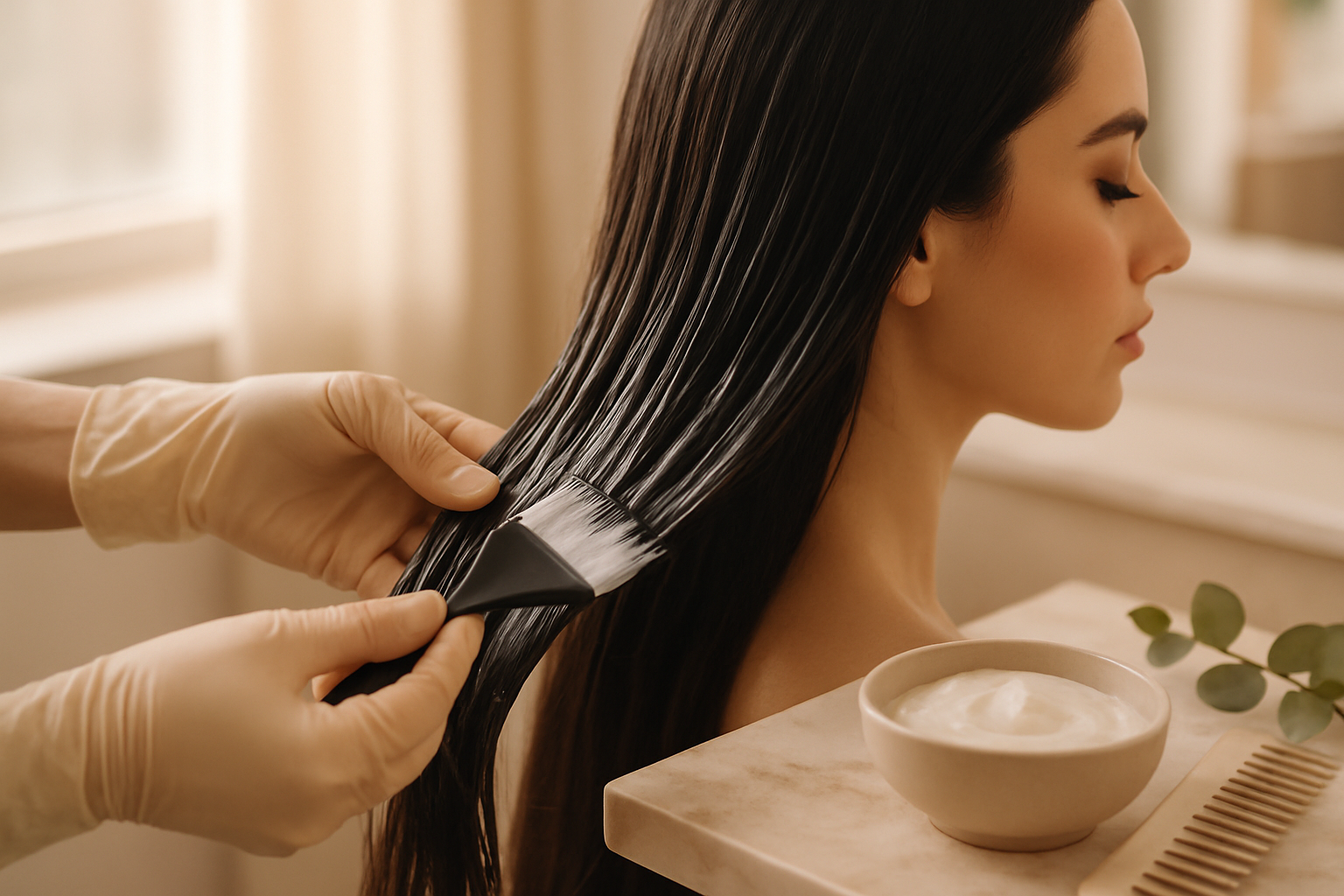
Apply to damp, towel-dried hair, not soaking wet — water dilutes the actives. Comb through with a wide-tooth comb for even coverage. Use a warm towel or shower cap to open the cuticle. Rinse with cool water at the end to seal.
When At-Home Masks Aren't Enough
There's a point where no jar will undo what three years of straightening, box dye and Lahore's hard water have done. If your hair feels gummy when wet, breaks at the mid-shaft, or won't hold a style anymore, you need a professional diagnosis. In-salon treatments use higher concentrations, controlled heat and layered application that home products physically can't match. Our stylists often start with a strand test before recommending a reparative protocol or a reset through our hair treatments and dye service — because the wrong "repair" treatment on compromised hair is how breakage becomes a haircut.
The Honest Bottom Line
Stop collecting masks. Pick two — one moisture, one bond repair — and use them consistently for eight weeks. That beats rotating through six half-used tubs every month. And if you're genuinely unsure what your hair needs, book a consultation. Ten minutes with a stylist who can feel your hair's porosity and elasticity will save you years of guessing (and a lot of money).