· 5 min read
Hair Masks Worth Using — And The Ones That Don't Deliver
Not every hair mask on the shelf earns its price tag. Here's an honest breakdown of what actually works for Lahore hair — and what to skip.
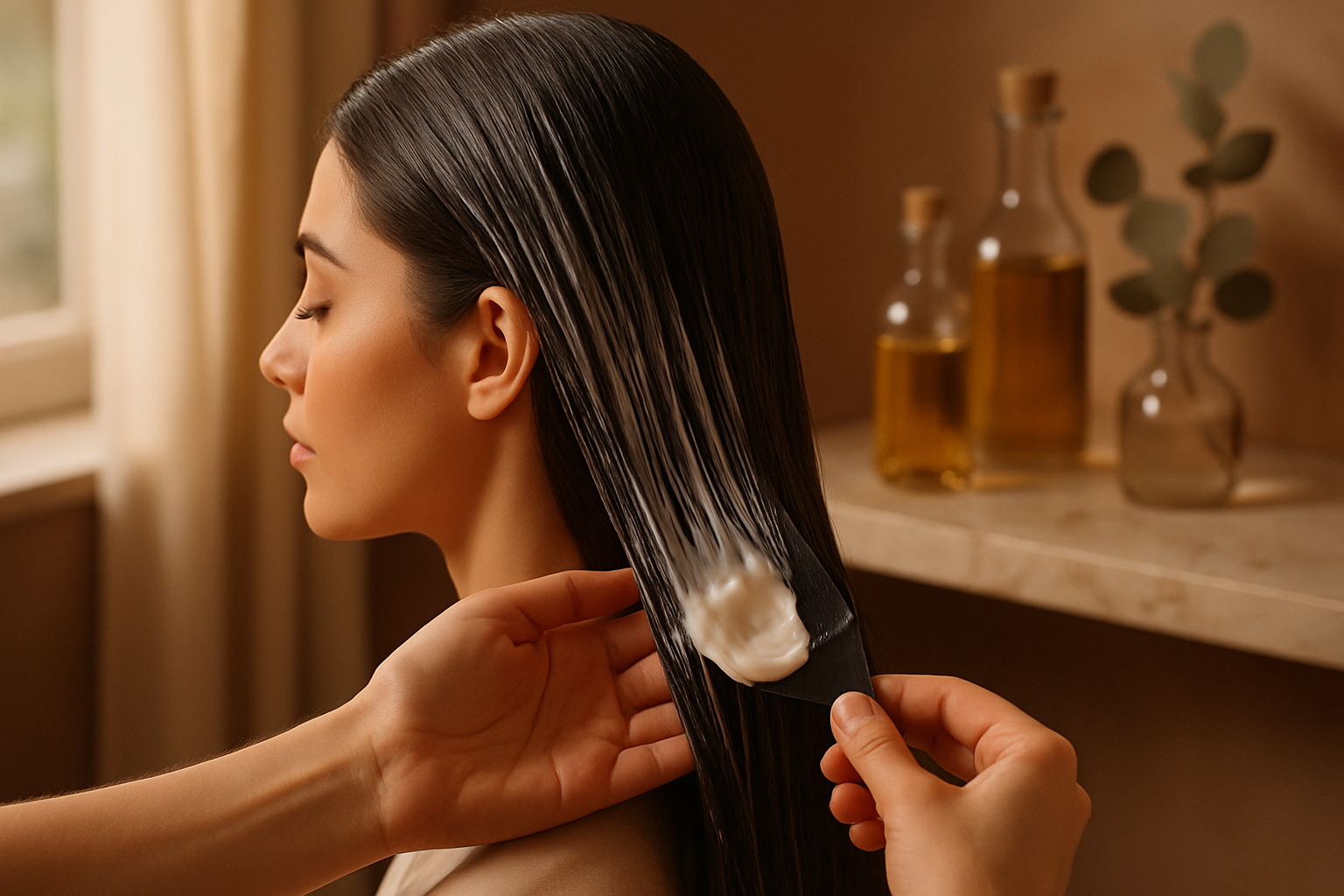
If you've ever stood in a Lahore pharmacy aisle holding three different hair masks, wondering which one is worth the money, you're not alone. The shelves are crowded with promises — keratin repair, 10-second miracle, argan everything — and most of my clients at the salon admit they've bought at least two that did nothing. Some masks are genuinely transformative. Others are glorified conditioners in prettier jars. After years of working with South Asian hair in DHA, here's the honest breakdown of what delivers and what doesn't.
First, Understand What A Hair Mask Actually Does
A hair mask is not a stronger conditioner. A conditioner coats the outside of the hair shaft to smooth the cuticle for the next few hours. A real mask has smaller molecules and a longer dwell time, so ingredients can either sit deeper on the cuticle or genuinely penetrate the cortex of the hair.
That means two things:
- The mask has to stay on your hair long enough to work (usually 15–30 minutes, not 2).
- The ingredients have to be the right type for what your hair is missing — either protein, moisture, or lipids.
If you use a protein mask on hair that's already stiff and over-processed, it will snap. If you use a heavy moisture mask on fine, limp hair, it will go flat for a week. Matching the mask to the problem is 80% of the result.
Masks That Are Genuinely Worth It
These are the categories I keep recommending because they consistently deliver, both in the salon and on clients' bathroom shelves at home.
1. Bond-building masks (the real repair category)
Masks containing bond-repairing technology — the kind originally made famous by in-salon systems and now available in at-home versions — are the closest thing we have to actual repair for chemically damaged hair. If you've coloured, highlighted, rebonded or keratin-treated your hair, these are worth every rupee. Use once a week, on clean damp hair, and leave on for the full recommended time.
2. Rich moisture masks with shea butter, ceramides or avocado oil
For dry, frizzy, mangi hui hair after a Lahore summer of chlorine and heat, a proper lipid-rich mask replaces what the sun and dust strip out. Look for shea butter, ceramides, squalane, avocado oil or murumuru butter high up on the ingredients list — not just as marketing on the front of the tub.
3. Light protein masks (hydrolysed keratin or wheat protein)
If your hair stretches like chewing gum when wet, feels mushy, or has lost its bounce after a smoothing treatment, a light protein mask once every 2–3 weeks helps rebuild internal structure. Overdoing it is the mistake — more is not better with protein.
4. Scalp-focused masks
Often overlooked. Clay-based or exfoliating scalp masks (with kaolin, salicylic acid or charcoal) genuinely help if you have product buildup, oily roots, or dandruff worsened by Lahore's dust and pollution. Apply only to the scalp, not the lengths.
Masks That Don't Really Deliver
I'll be blunt — some of these are best-sellers, and I still don't recommend them.
- 1-minute "miracle" masks. The science doesn't work in 60 seconds. These are repackaged conditioners.
- Masks that are mostly silicones. They feel incredible in the shower (slippy, soft) but offer zero actual repair. Over months, they cause buildup that makes hair heavier and duller.
- DIY egg + mayonnaise + banana masks. They smell terrible, rinse out poorly, and the protein molecules in whole eggs are far too large to penetrate the hair shaft. You get temporary coating, nothing more.
- Pure coconut oil marketed as a "mask." Coconut oil is wonderful as a pre-wash treatment for some hair types, but it's not a replacement for a formulated mask. On fine or low-porosity hair it often sits on top and makes hair stringy.
- Any mask that promises to "regrow" hair. Masks don't regrow hair. Scalp health, nutrition and in some cases medical treatment do.
How To Use A Mask So It Actually Works
Most people waste good masks by applying them wrong. A quick protocol I give clients:
- Shampoo first — twice if you have buildup. A mask on dirty hair won't penetrate.
- Squeeze out excess water. Soaking wet hair dilutes the mask.
- Apply from mid-lengths to ends. Only use on the scalp if it's a scalp-specific mask.
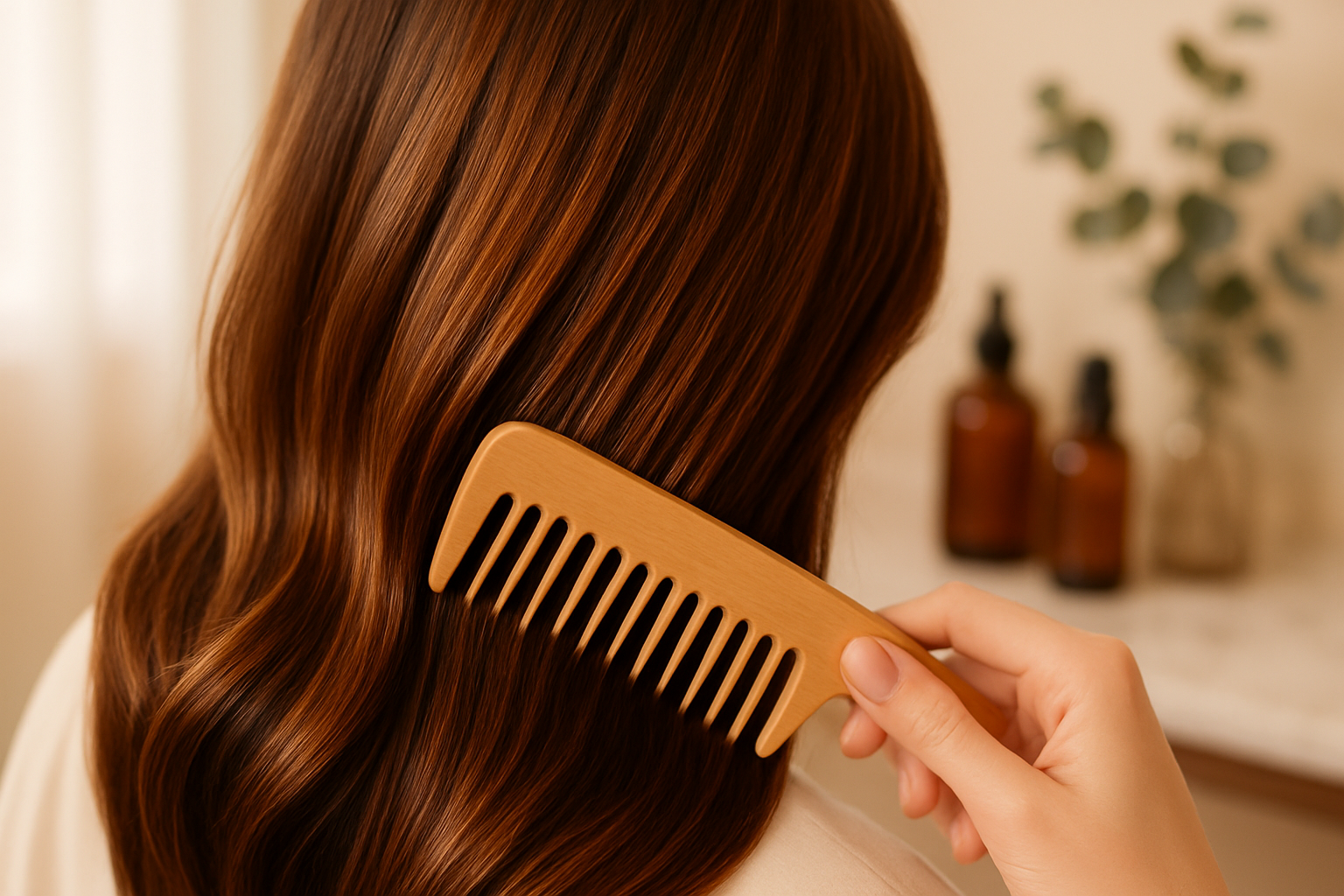
- Comb through gently with a wide-tooth comb so every strand is coated.
- Leave on 15–30 minutes. Wrap in a warm towel or shower cap — the gentle heat helps.
- Rinse thoroughly with cool water to seal the cuticle.
Once a week is enough for most people. Twice if your hair is severely damaged.
When A Home Mask Isn't Enough
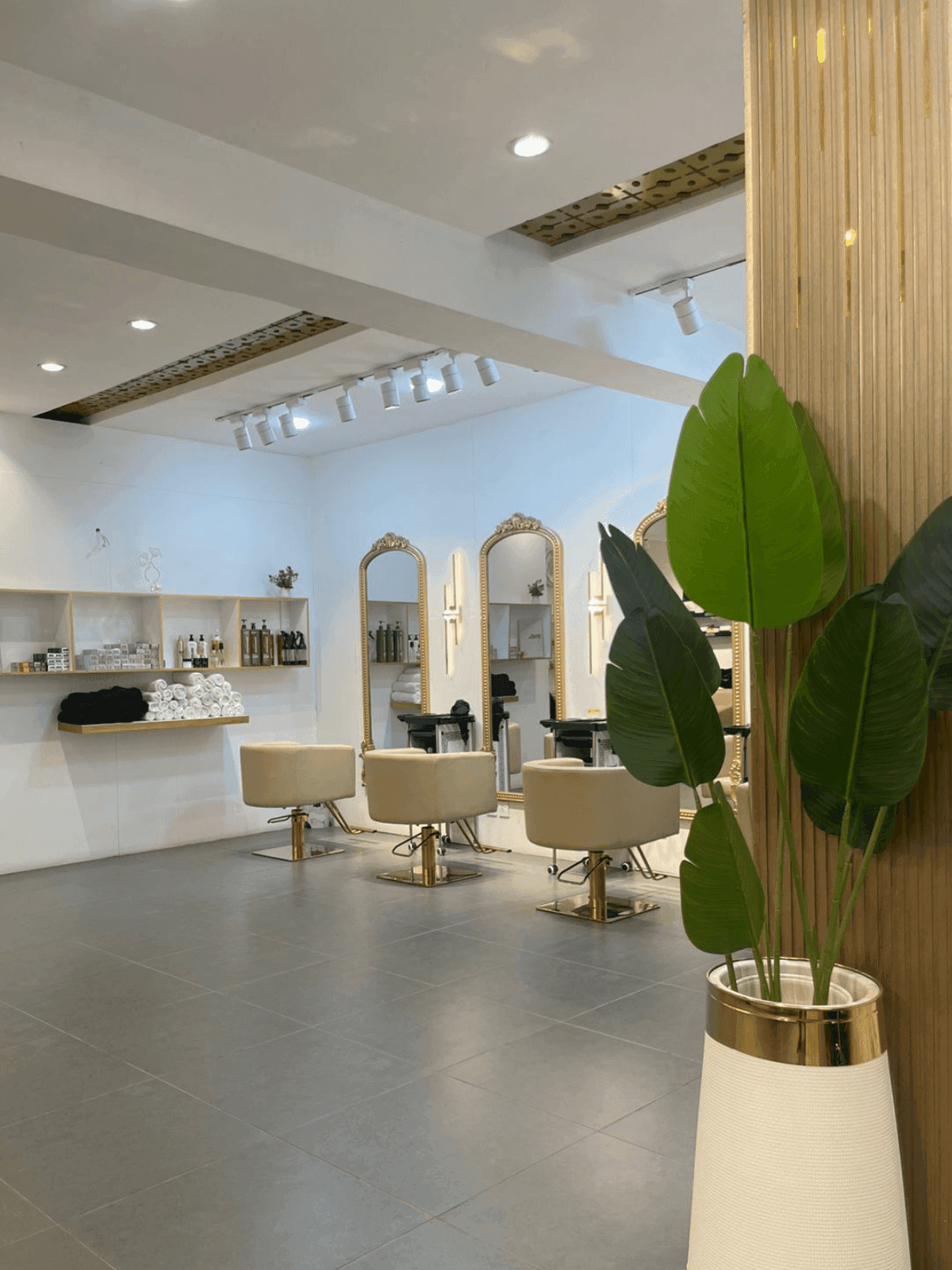
Home care can maintain hair, but it can't reverse serious damage. If your hair is breaking at the mid-shaft, feels gummy when wet, or has lost all elasticity after colour or rebonding, you need an in-salon hair treatment with professional-grade molecular repair. The concentration and processing time we use at Rabbiz Salon in DHA Phase 3 simply isn't achievable at home.
I usually recommend a schedule like this to my regulars: one professional hair repair session every 4–6 weeks, plus a good at-home mask once a week between visits. Clients who do both consistently see more change in two months than they did in a year of buying random tubs.
Choosing The Right Mask For Your Hair
A quick cheat sheet:
- Fine, oily-at-roots hair: light moisture mask on lengths only, plus a monthly scalp mask.
- Thick, dry, frizz-prone hair: rich lipid mask weekly, plus a pre-wash oil treatment.
- Coloured or highlighted hair: bond-building mask weekly, cool-water rinse.
- Chemically straightened hair: alternate moisture and light protein masks every week.
- Curly or wavy hair: heavy moisture mask weekly, avoid protein overload.
And if you genuinely don't know your hair type or what it's missing — ask. Half my consultations at the salon start with "I've been using the wrong product for a year." A five-minute strand assessment during a hair appointment will save you thousands of rupees on products that were never going to help in the first place.
Good hair isn't about owning ten masks. It's about using the right one, correctly, consistently — and knowing when to let a professional step in.