· 5 min read
Hair Masks Worth Using — And the Ones That Don't Deliver
Not every jar labelled 'hair mask' actually repairs your hair. Here's how to tell the workhorses from the wallet-drainers, tailored for Lahore hair and weather.
Walk into any beauty aisle in Lahore and you'll see shelves stacked with jars promising shine in one wash, bond repair in five minutes, or keratin miracle. Most of them won't do what they claim. A few genuinely will. After years of running hands through Lahori hair — hard water damage, chlorine from summer swims, colour that's fought the sun for months — I've learned which masks earn their place in a routine and which are just expensive conditioner in prettier packaging. Here's the honest breakdown.
What a Hair Mask Actually Does (and Doesn't)
A mask is a leave-on-longer treatment designed to deposit either moisture, protein, or both deeper into the hair shaft than a rinse-out conditioner can. That's it. It cannot:
- Regrow hair from follicles that have stopped producing.
- Permanently repair a split end — only scissors do that.
- Undo chemical damage in a single use.
What a good mask can do is smooth the cuticle, plump the shaft with temporary protein bonds, reduce breakage during brushing, and buy you time between salon treatments. Think of it as maintenance between meals, not the meal itself.
Moisture vs Protein — Know Which One You Need
Most women in Lahore buy the wrong type of mask because nobody explains the difference.
- Moisture masks are for hair that feels dry, rough, frizzy, or straw-like. Ingredients to look for: glycerin, shea butter, argan oil, panthenol, aloe.
- Protein masks are for hair that feels mushy when wet, snaps easily, or has been coloured, bleached, or keratin-treated. Ingredients to look for: hydrolysed keratin, wheat protein, silk amino acids, rice protein.
If your hair is limp and gummy after washing, more moisture will make it worse. If it's brittle and crunchy, more protein will make that worse. Feel your wet hair honestly before you shop.
Masks That Genuinely Deliver
These are the categories I recommend to clients — from budget-friendly to salon-grade.
1. Bond-Building Treatments (Olaplex No. 3, K18, Redken Acidic Bonding)
These are the closest thing to a real repair treatment you can do at home. They work on the disulphide bonds inside the hair — the same bonds broken by bleach, colour, and heat. If you've had balayage, highlights, or a smoothing treatment, this category is non-negotiable. Use once a week, not daily.
2. Classic Deep Moisture Masks (Kerastase Nutritive, Moroccanoil Intense Hydrating, Wella Elements)
For dry ends, colour-treated lengths, and Lahore's dust-and-AC combination. Apply mid-lengths to ends, leave for 10–15 minutes under a warm towel, and rinse with cooler water. The warmth actually matters — it lifts the cuticle slightly so ingredients can settle in.
3. Protein-Moisture Combo Masks (Briogeo Don't Despair Repair, Shu Uemura Ultimate Reset)
Good middle-ground for women who aren't sure which they need. Use once every 10–14 days.
4. A Well-Chosen DIY (Only Two I Endorse)
Most kitchen masks are messy and useless. Two exceptions:
- Yoghurt + honey + a teaspoon of olive oil for dry hair. Real moisture, cheap, no scent issues.
- Egg yolk + a splash of milk for a mild protein boost between salon visits.
Everything else — mayonnaise, banana, avocado, beer rinses — is either mess for minimal payoff or actively bad for your drain.
Masks That Don't Deliver (Save Your Money)
1. "Keratin in a Jar" Drugstore Masks
Real keratin treatments involve heat sealing the protein into the shaft with a flat iron at 230°C. A five-minute mask cannot replicate that. What you're getting is a silicone coating that washes out in two shampoos. It feels smooth for a day. It doesn't repair anything.
2. Overpriced "Onion Oil" Masks
Onion extract has some evidence for scalp use, not for the hair shaft. Slathering it on lengths does nothing. If you're targeting scalp health, use it as a pre-wash scalp treatment for 20 minutes, not as a full mask.
3. "Detox" or "Clarifying" Masks Used Weekly
These strip build-up, which is fine occasionally. Used weekly, they leave hair dry and fluffy. Once a month is plenty, especially if you swim or use a lot of styling product.
4. Coconut Oil as a Mask for Everyone
Controversial, but honest: coconut oil is fantastic for some hair types (medium porosity, fine strands) and terrible for others (high porosity, coarse damaged hair — it sits on top and blocks moisture). If your hair feels stiff and straw-like after oiling, coconut is not your friend. Try argan or camellia instead.
5. Any Mask Promising "Growth"
Hair grows from the follicle, not the shaft. No topical mask makes hair grow faster. Length retention (less breakage) can look like growth, and a good moisture mask helps with that — but the marketing is misleading.
How to Actually Use a Mask (Most Women Get This Wrong)
- Shampoo first. Dirty hair repels the mask. Skip conditioner.
- Towel-dry until damp, not soaking. Water dilutes the mask.
- Apply mid-lengths to ends, not roots (unless it's a scalp mask). Roots don't need it; ends do.
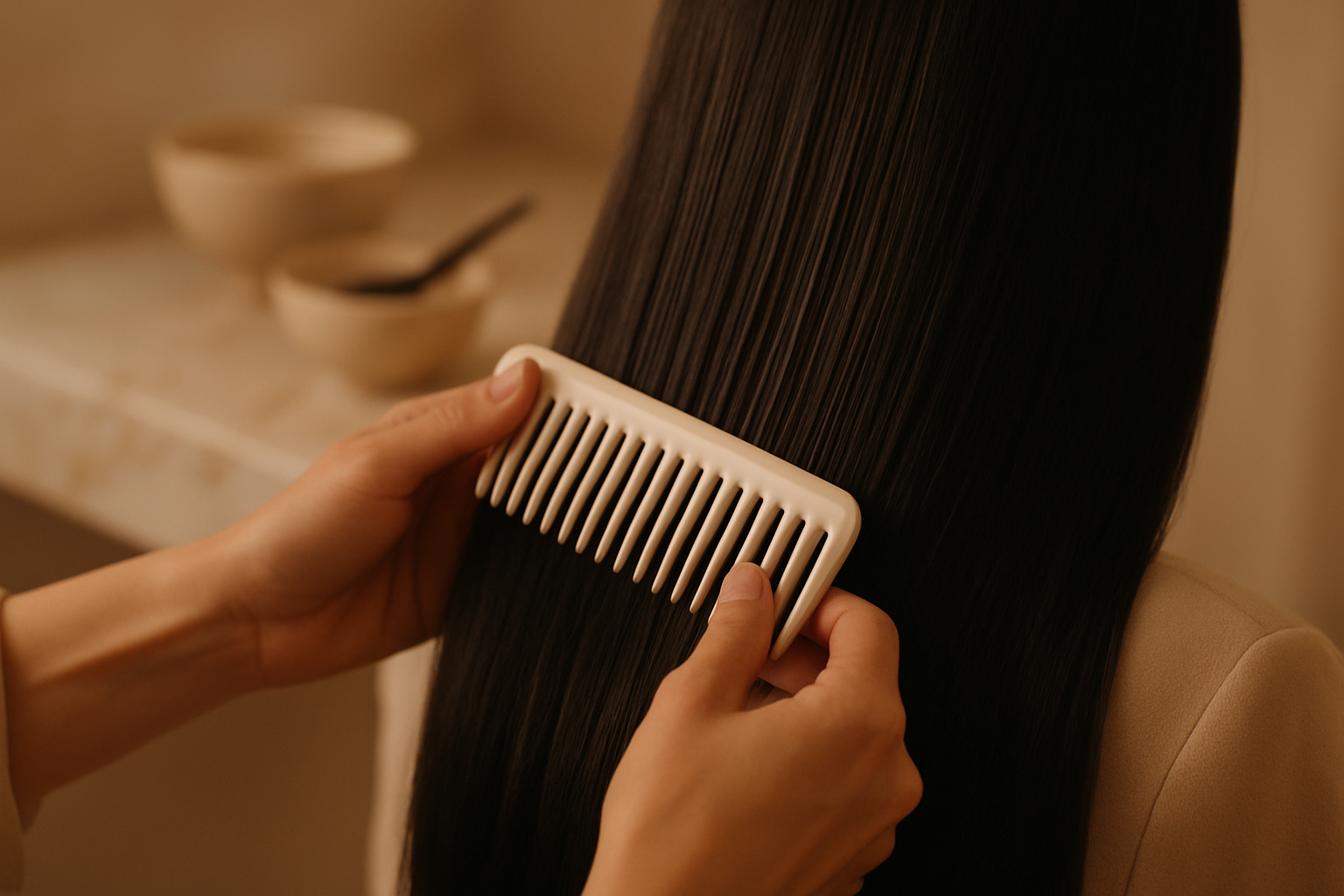
- Comb through with a wide-tooth comb for even distribution.
- Cover with a shower cap and let body heat do the work for 10–20 minutes.
- Rinse with lukewarm, then cool water to seal the cuticle.
Doing this once a week is more effective than an expensive mask used incorrectly every day.
When a Mask Isn't Enough — Go Professional
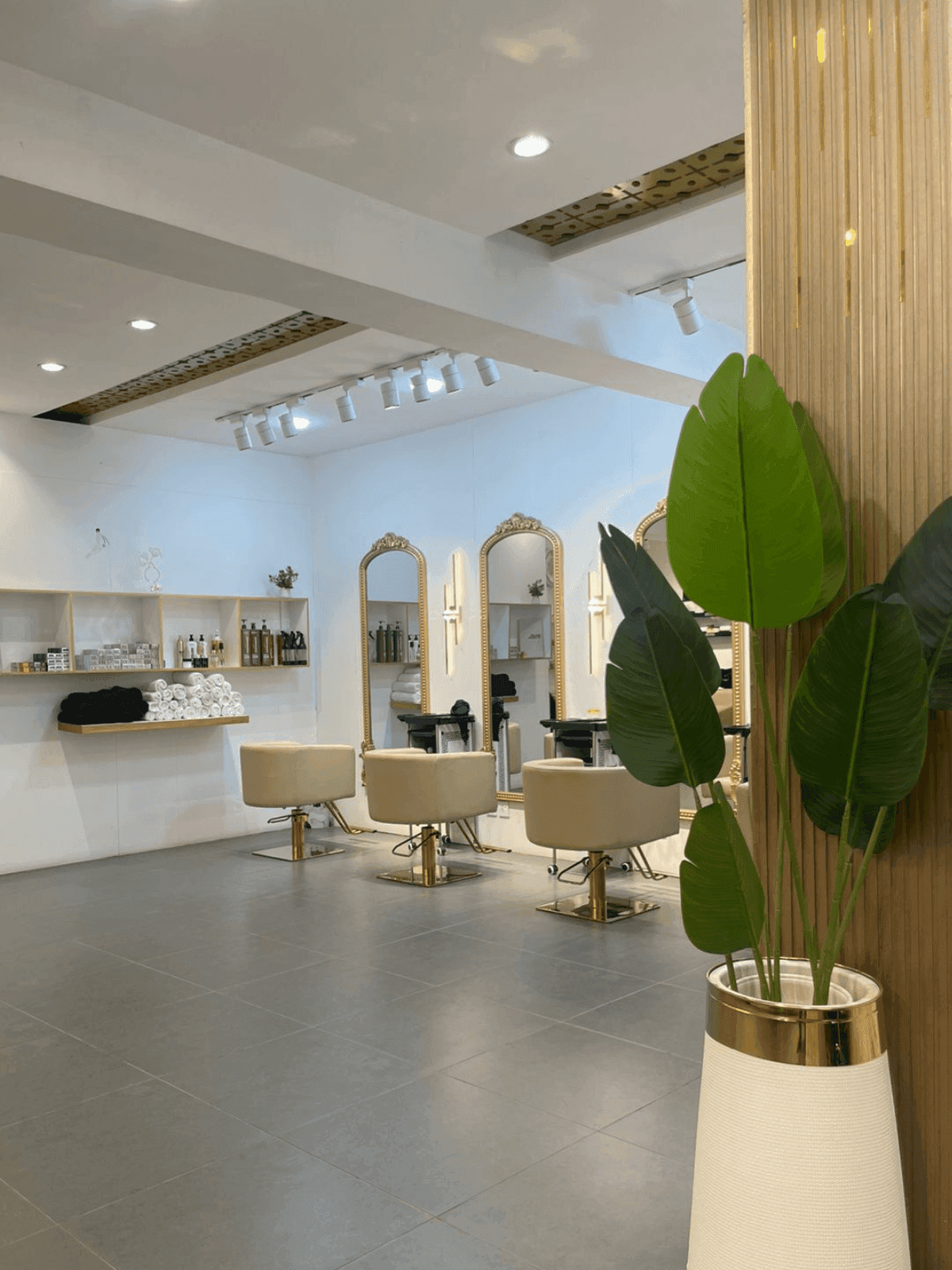
If your hair is genuinely damaged — snapping when you brush, gummy when wet, or refusing to hold a blowdry — home masks are damage control, not repair. In-salon treatments use higher-concentration bond builders, steam infusion, and pH-balanced sealing that a jar simply can't match. Our hair treatments at Rabbiz are built around the specific damage patterns we see in Lahore — hard water minerals, colour oxidation, and thermal styling. For clients with extensions, the routine is different again; we cover this in our hair extensions care approach.
For everyday styling and trims that keep ends healthy between masks, our hair services team can build a maintenance schedule around your specific texture — because the best mask in the world can't outperform ends that need a proper cut. Women coming in from across DHA Phase 3 and Gulberg often find that a single salon session plus the right at-home mask gives them results months of drugstore experimentation didn't.
Be honest about your hair. Buy for what it actually needs, not what the packaging promises. That alone will change your results.