· 5 min read
Hair Masks Worth Using — And The Ones That Don't Deliver
Not every hair mask is a miracle in a jar. Here's an honest breakdown of what actually works for Lahore hair — and what to leave on the shelf.
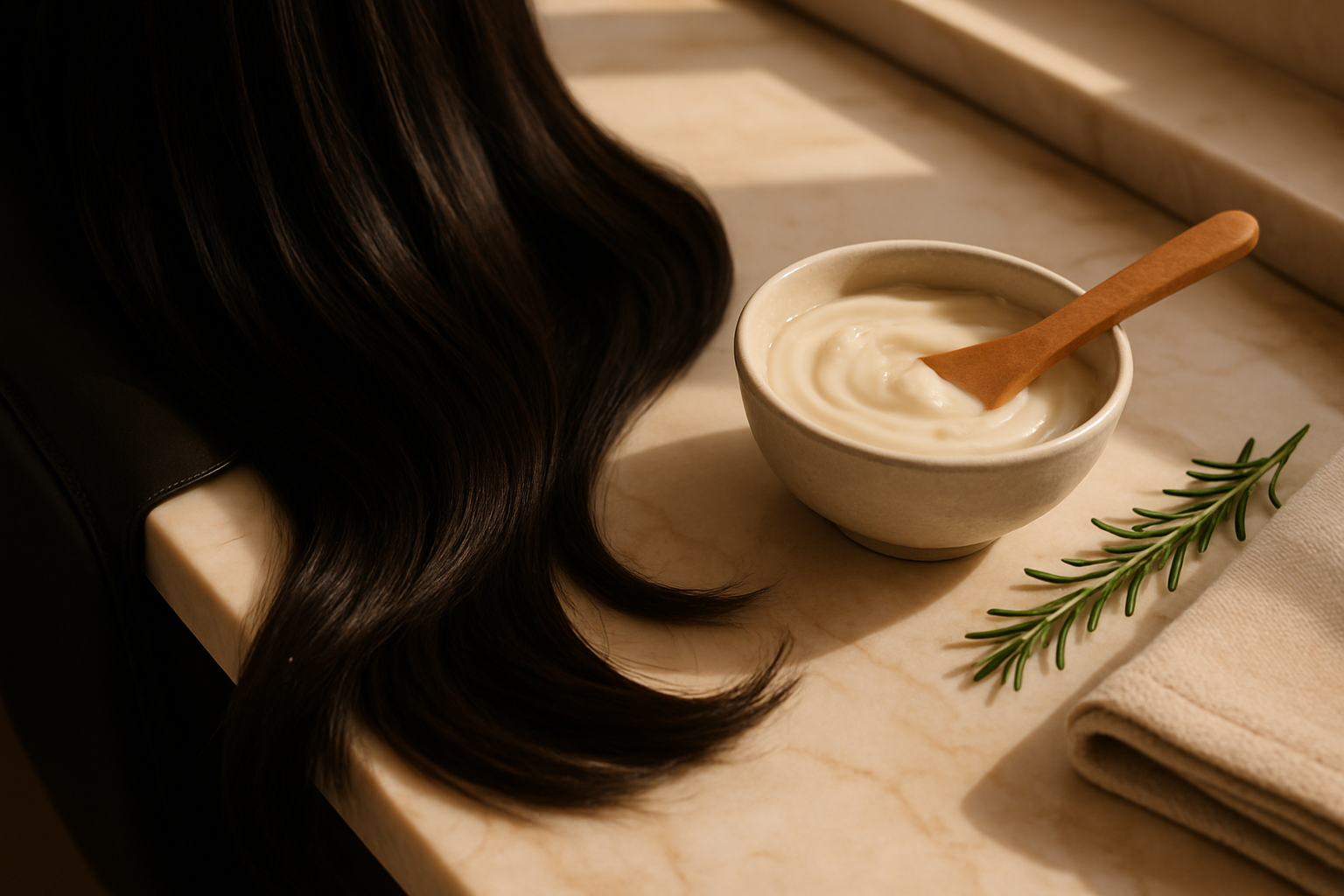
Walk down any beauty aisle in Lahore — from the imported shelves in DHA to a quick scroll on Daraz — and you'll be drowning in hair masks. Argan this, keratin that, onion oil miracles, ten-minute repair jars promising to reverse years of heat damage. The truth? Some hair masks genuinely transform tired, over-processed hair. Others are conditioner in a heavier jar with a bigger price tag. After years of working with clients whose hair has survived everything from bridal styling marathons to school-run humidity, I want to tell you exactly what to look for, what to skip, and how to actually use a mask so it works.
What A Hair Mask Is Actually Supposed To Do
A mask is not a fancier conditioner. Conditioner smooths the cuticle for the day. A mask is meant to deposit something into the hair — moisture, protein, lipids, or a combination — and give it time to bond.
That means two things matter more than the brand name:
- The ingredients that penetrate (hydrolysed proteins, ceramides, fatty alcohols, panthenol, small-molecule oils like argan and coconut).
- The time and heat you give it. Ten minutes at room temperature is often not enough. Twenty to thirty minutes with gentle warmth is where the magic happens.
If a mask claims to "repair split ends permanently" — walk away. Splits can only be sealed temporarily; the real fix is a trim. Any brand that ignores that basic fact is selling you a mood, not a result.
Masks That Genuinely Deliver
These are the categories I recommend to clients, and the ones we reach for in-salon.
1. Protein / Keratin Masks (for chemically treated or heat-damaged hair)
If you've had rebonding, keratin, extenso, colour, or you blow-dry constantly, your hair's protein structure is depleted. A good hydrolysed keratin or wheat/rice protein mask fills those gaps and gives back elasticity.
- Look for: hydrolysed keratin, hydrolysed wheat protein, hydrolysed silk, amino acids high on the list.
- Use: once every 10–14 days. Over-proteining makes hair feel straw-like.
- Skip if: your hair is fine, limp and untreated — you don't need it.
2. Deep Moisture / Emollient Masks (for dry, frizzy, Lahore-summer hair)
Lahore's water is hard, our summers are brutal, and winters strip moisture fast. Rich emollient masks with shea butter, cetyl alcohol, glycerin, and cold-pressed oils are what dry hair actually craves.
- Look for: shea butter, cocoa butter, argan oil, avocado oil, glycerin, panthenol.
- Use: weekly, mid-lengths to ends only. Never on the scalp if you're oily.
3. Bond-Building Masks (for badly damaged or bleached hair)
This is the newer category — masks with maleic acid, citric acid complexes, or similar bond-repair technology. They reconnect broken disulfide bonds inside the hair shaft. Not marketing fluff — the chemistry is real when the formula is right.
- Worth it if: you've bleached, highlighted, or done back-to-back chemical services.
- Not worth it if: your hair is virgin and healthy. You're paying for a fix you don't need.
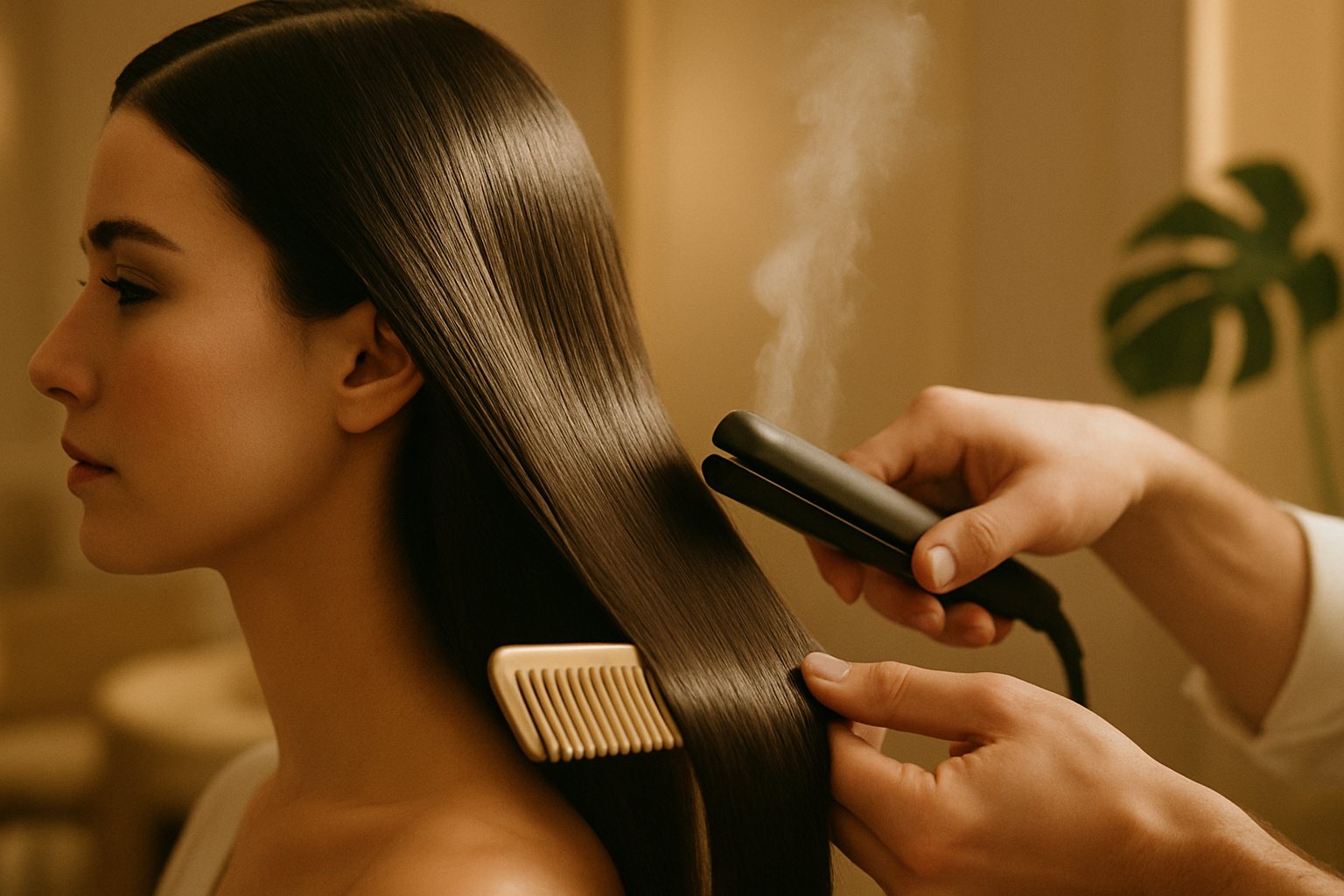
If your hair has reached the point where at-home masks aren't cutting it, an in-salon hair treatment with proper steam and a professional-grade mask will do more in one sitting than a month of home use.
Masks That Rarely Live Up To The Hype
I'll say this gently: marketing is very good at selling you the wrong jar.
The "Onion Oil Everything" Trend
Onion masks and oils became viral for hair growth. The evidence is thin, the smell is strong, and most drugstore versions are 90% mineral oil with a whisper of onion extract. If you enjoy the ritual, fine — but don't expect regrowth miracles.
5-Minute "Instant Repair" Sachets
If a mask promises full repair in five minutes with no heat, it's a silicone party. Your hair feels smoother because it's been coated, not repaired. By wash three, you're back to square one.
DIY Egg, Mayonnaise & Yoghurt Masks
Household masks have their place, but the proteins in whole eggs are too large to actually penetrate the hair shaft. They sit on top, feel nourishing while wet, and rinse away. Not harmful — just not the transformation TikTok promised.
Anything With "Collagen" On The Front
Collagen molecules are far too big to enter hair. Unless it's hydrolysed and listed properly in the ingredients, that word on the label is decoration.
How To Actually Use A Mask So It Works
Even the best mask fails if you use it like conditioner. Here's the method we teach clients:
- Shampoo twice and towel-dry until hair stops dripping. A dripping-wet strand dilutes the mask.
- Section the hair into four parts. Apply from mid-length to ends. Only put mask on the scalp if it's specifically a scalp mask.
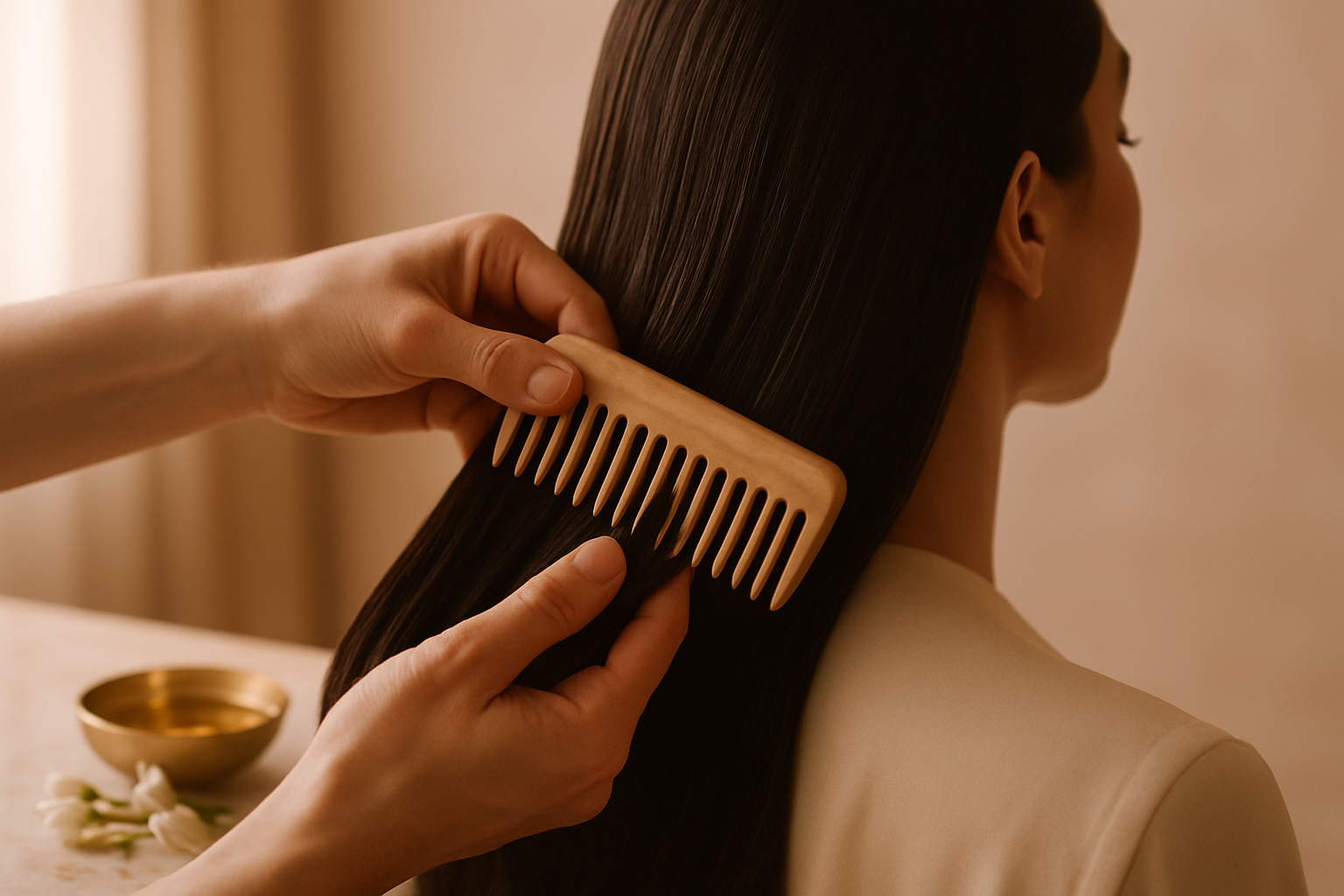
- Comb through with a wide-tooth comb to distribute evenly.
- Add warmth. A warm towel, a shower cap, or ten minutes with a hooded dryer. Heat opens the cuticle so ingredients absorb.
- Leave for 20–30 minutes — not five.
- Rinse with cool water to seal the cuticle and lock in shine.
Do this once a week and you'll see a difference by week three.
When A Mask Isn't Enough
If your hair is snapping mid-length, feels gummy when wet, or has that stretchy, lifeless quality after colouring — masks alone won't rescue it. That's a sign the internal structure is compromised, and you need a professional bond treatment plus a real trim. Book in for a proper diagnosis; sometimes a single in-salon hair therapy session can reset months of damage more efficiently than jars of at-home product.
And if you're prepping for a big event, don't start a new mask the week of. Introduce any new product at least three to four weeks before, so your stylist knows exactly how your hair will behave under heat and styling — particularly important before bridal styling where every strand is on camera.
The Rabbiz Rule Of Thumb
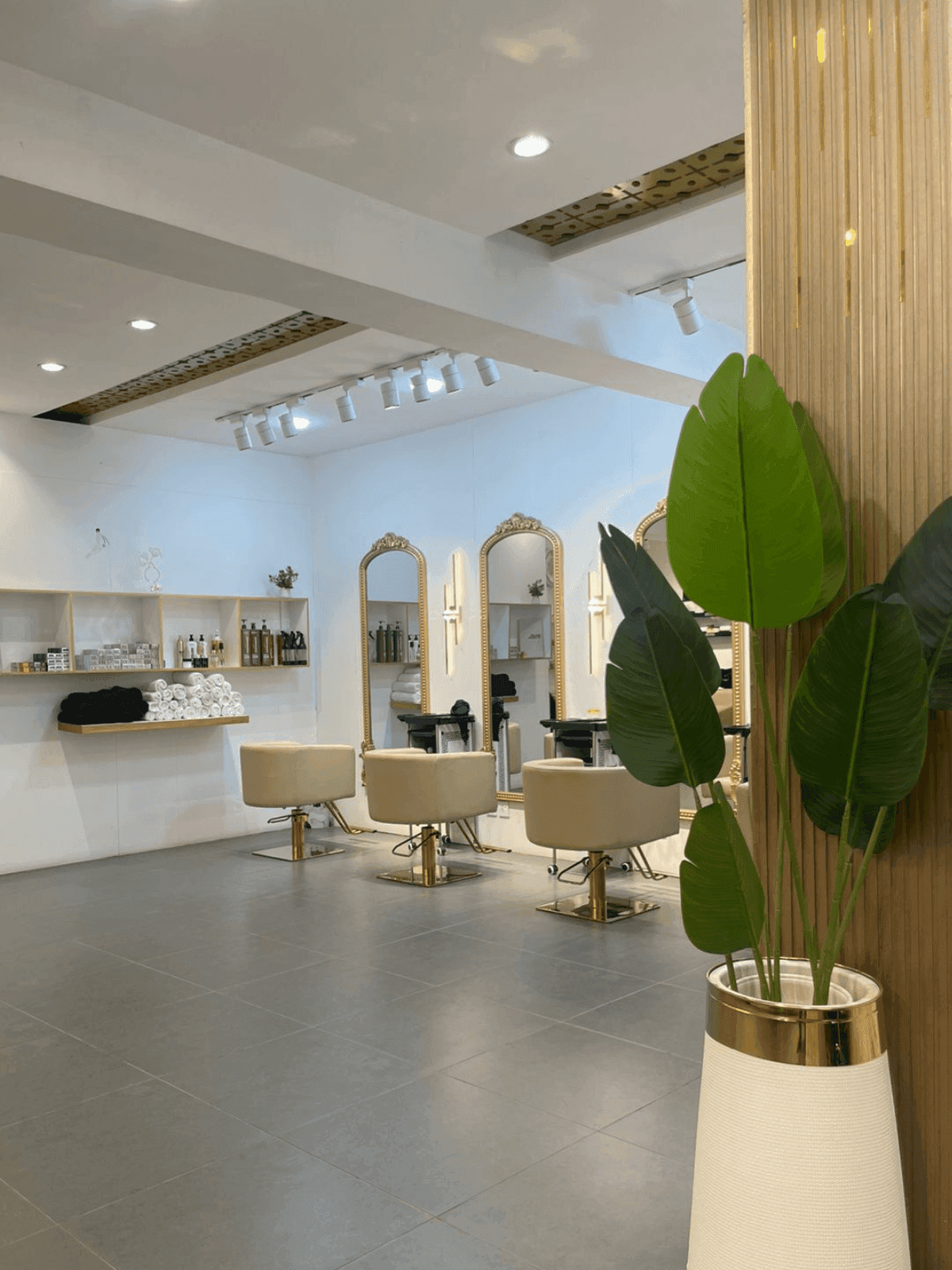
Buy fewer, better jars. One good moisture mask and one good protein mask, alternated intelligently, will outperform a shelf of trend-driven purchases. Read the first five ingredients — that's 80% of the formula. Give it heat and time. And when your hair is telling you it needs more than a jar can offer, come in and let us look at it properly at the salon in DHA Phase 3. Hair rarely lies about what it needs; we just have to listen.