· 5 min read
Hair Masks Worth Using — And the Ones That Don't Deliver
From protein bombs to viral kitchen mixes, here's an honest breakdown of which hair masks actually repair your strands and which ones just sit pretty on the shelf.
Walk into any beauty store in Lahore and you'll find a wall of hair masks promising silk, shine, and three-day blowouts. Most of them will not do what the label says — and a few of them will quietly make your hair worse. After years of working with every hair type that walks through our doors in DHA Phase 3, from heat-fried bridal hair to colour-treated balayage, I've learned which masks genuinely earn their place in a routine and which ones are just marketing in a pretty jar.
This is the honest version. No brand drama, just what works on South Asian hair, why it works, and how to actually use it.
First, Understand What a Mask Is Supposed to Do
A hair mask is a concentrated conditioning treatment. It's heavier than your daily conditioner, sits on the hair longer, and is meant to deliver one of three things:
- Moisture — for dry, frizzy, thirsty hair
- Protein — for weak, snapping, over-processed hair
- Scalp care — for buildup, oiliness, or irritation
If you don't know which of those your hair actually needs, you can use the world's best mask and still see no result. Most women I meet in Lahore are using moisture masks when their hair is screaming for protein, or piling on protein when their strands are just dehydrated from the sun.
A quick test: take a wet strand and gently stretch it. If it stretches forever and snaps without bouncing back, you need protein. If it snaps almost immediately with no stretch, you need moisture. If it stretches and returns, your hair is balanced — congratulations, you're rare.
Masks That Genuinely Deliver
1. Hydrolysed protein masks (for damaged, coloured, or chemically treated hair)
Look for ingredients like hydrolysed keratin, hydrolysed wheat protein, or hydrolysed silk. These small protein fragments actually fit into the gaps in your hair cuticle. After bleach, balayage, keratin, or rebonding, this is the category that rebuilds structure.
Use once every 10–14 days. More often and you'll get stiff, straw-like hair — protein overload is real.
2. Heavy moisture masks with humectants and butters
Ingredients to look for: glycerin, panthenol, shea butter, cetyl alcohol, hyaluronic acid, aloe. These are your everyday saviours, especially in Lahore's dry winter air. They flatten frizz, restore softness, and make detangling possible.
3. Oil-based pre-wash treatments
The traditional champi with warm coconut, almond, or sesame oil — done properly, left on for 30–60 minutes before shampoo — is still one of the most effective things you can do for South Asian hair. The oils penetrate the cortex and reduce hygral fatigue (the swelling and shrinking that happens every time hair gets wet).
4. Scalp masks with salicylic acid or clay
If you have buildup from dry shampoo, hard water, or oily roots, a scalp-focused mask once a month makes a real difference. Bentonite or kaolin clay, plus a low percentage of salicylic acid, lifts gunk without stripping your lengths.
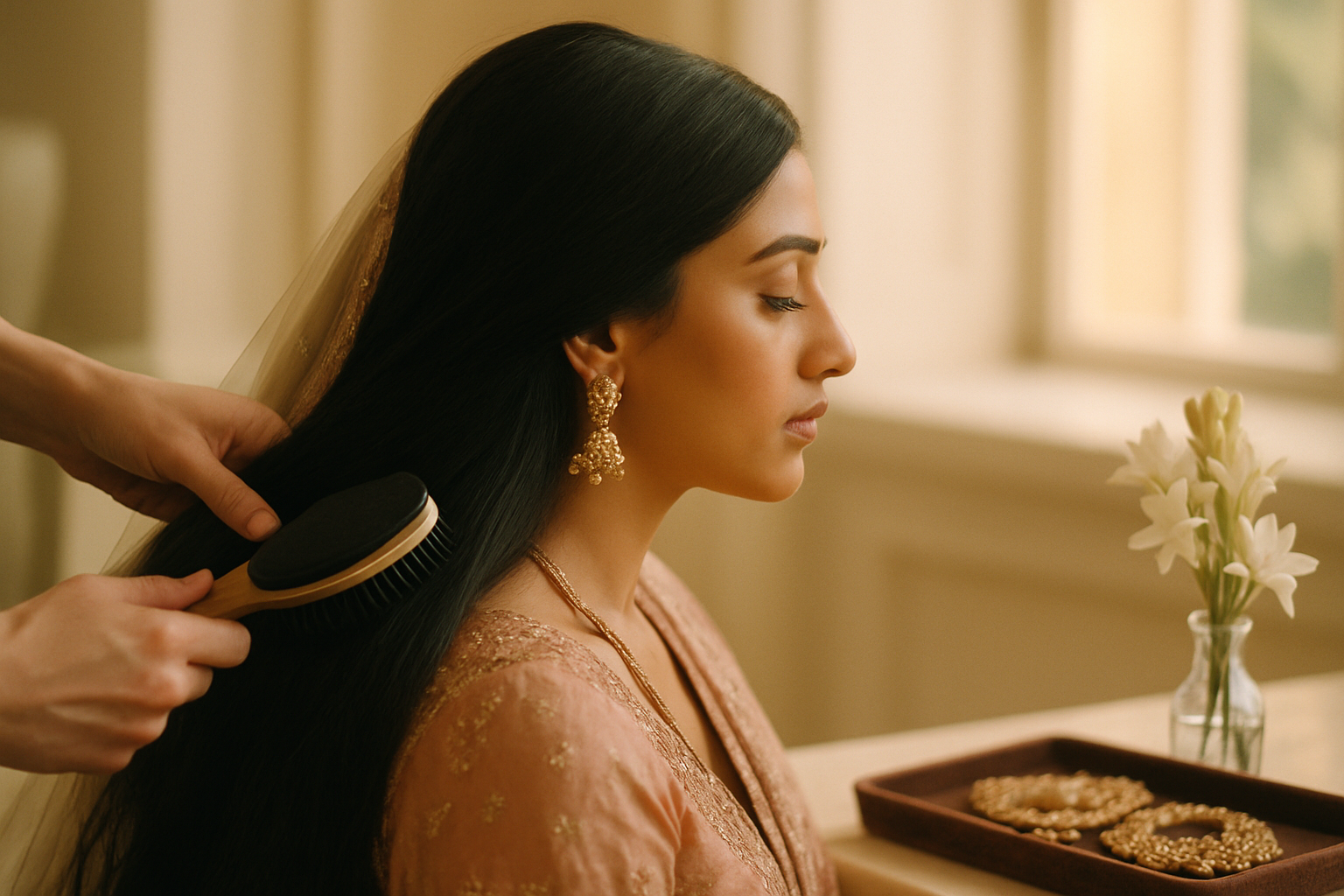
For anyone whose hair is past the point of home masking — think serious breakage, gummy texture after bleach, or post-bridal damage — a professional hair treatment at the salon will do in one session what three months of at-home masking cannot.
Masks That Don't Deliver (Or Actively Harm)
1. Anything labelled "egg and mayonnaise mask" on TikTok
Raw egg doesn't penetrate the hair shaft. It sits on top, smells terrible, and rinses off taking nothing with it but your time. Mayonnaise has the same issue plus a side of rancid oil smell that lingers for days.
2. "Protein masks" with no actual protein listed
Flip the bottle. If the only "protein" claim is on the front and the ingredients list is mostly silicones and fragrance, you're buying a slip agent, not a treatment. It will feel amazing for 24 hours and do nothing for repair.
3. Coconut oil overnight, every night
Coconut oil is excellent — used correctly. Slathered on every single night, it builds up on the scalp, traps dust (and Lahore has plenty of that), suffocates follicles, and contributes to flaking. Twice a week, pre-wash, is the sweet spot.
4. Lemon juice and baking soda "clarifying" masks
Both wreck your hair's pH. Baking soda is far too alkaline and lifts the cuticle permanently. Lemon juice plus sunlight (very common on a Lahore rooftop) can actually lighten and damage hair in patches. Skip entirely.
5. Onion juice for hair growth
The evidence is thin, the smell is brutal, and most women who swear by it are also doing five other things at the same time. If hair fall is your concern, a proper scalp consultation is a far better investment than weeks of smelling like a biryani pot.
How to Actually Use a Mask (Most Women Get This Wrong)
- Apply to clean, towel-dried hair. Dripping wet hair dilutes the mask; dirty hair has buildup blocking absorption.
- Focus on mid-lengths and ends. Your roots are the youngest, healthiest part of your hair — they don't need a mask.
- Use heat. Wrap in a warm towel or use a shower cap for 15–20 minutes. Heat opens the cuticle so ingredients actually go in.
- Rinse with cool water. This seals the cuticle and locks in everything you just deposited.
- Don't double up. Mask or conditioner, not both. A mask already contains conditioning agents.
When Home Masking Isn't Enough
There's a ceiling to what a jar can do. If your hair is mid-back length, coloured, heat-styled regularly, and exposed to Lahore's pollution daily, at-home masking is maintenance — not repair. For real restructuring, an in-salon Olaplex-style bond builder, a moisture-locking spa ritual, or a professionally applied keratin smoothing treatment will outperform months of DIY.
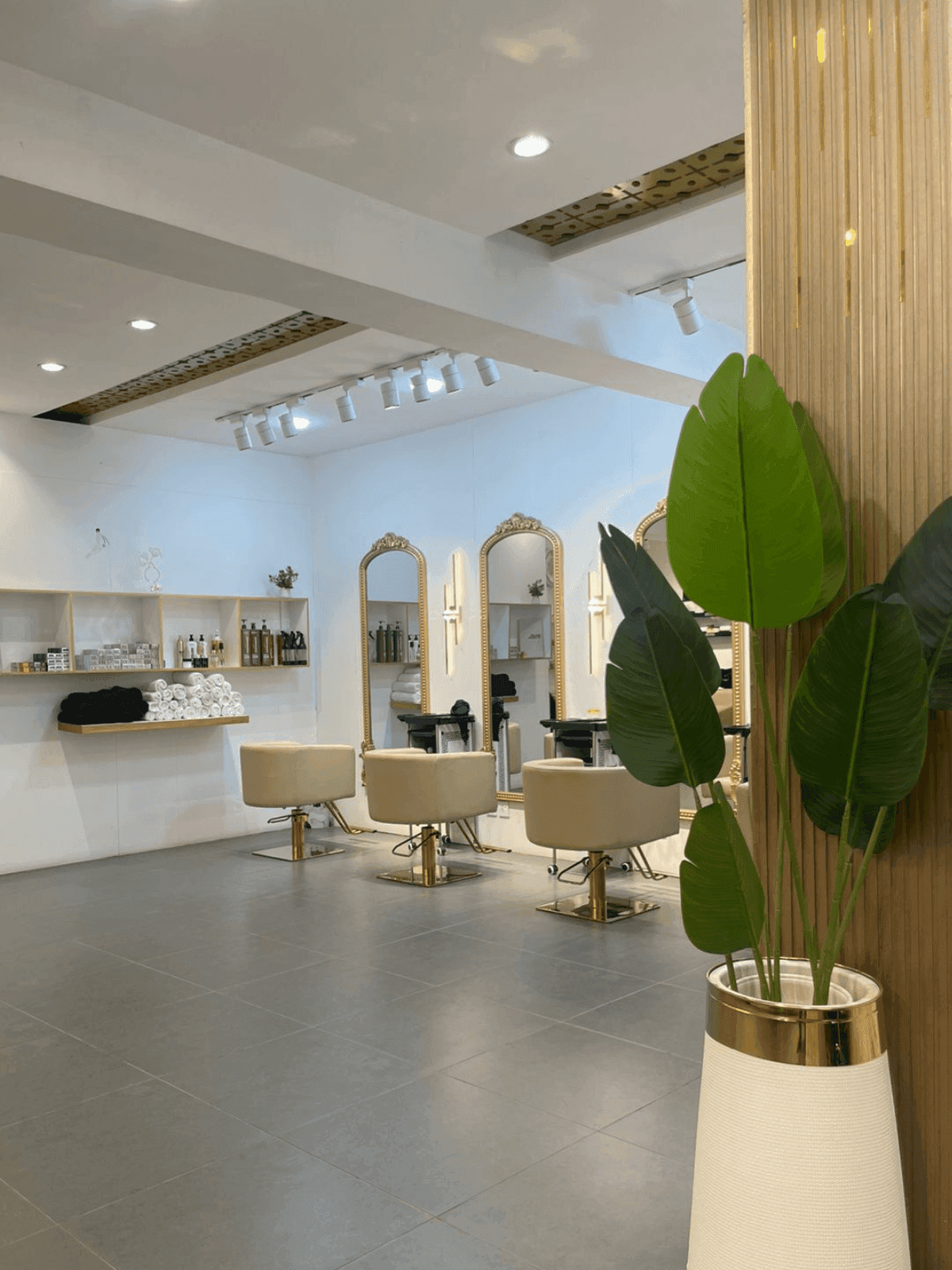
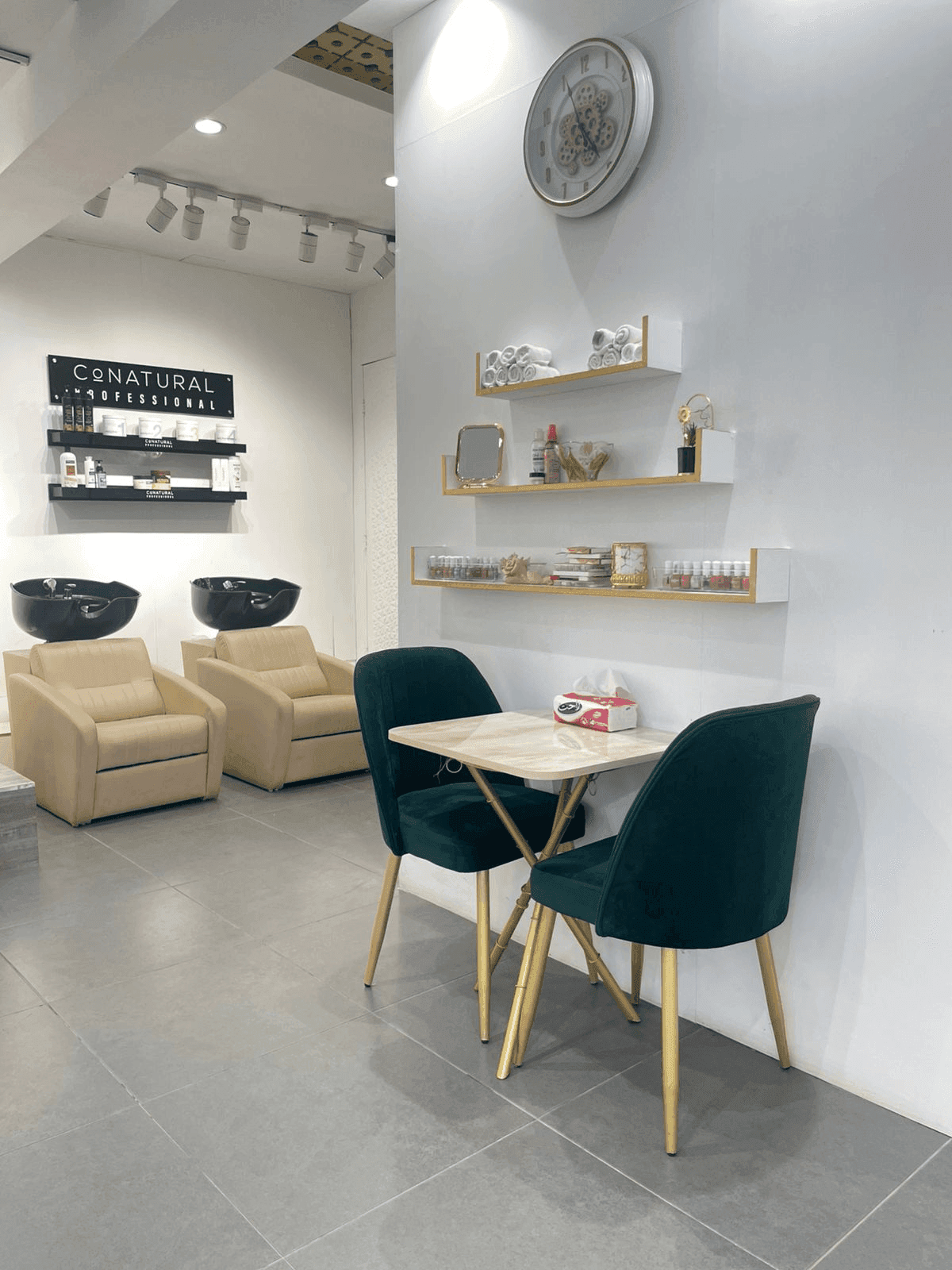
At Rabbiz, we tailor every hair service to your specific damage profile rather than running every client through the same treatment. For women juggling colour and heat styling, our hair treatment and dye combinations are designed so the repair happens in the same sitting as the colour, not weeks later when it's too late.
The Honest Bottom Line
Good masks are boring on paper and brilliant on hair: hydrolysed proteins, humectants, butters, and oils used with intention. Bad masks are loud on Instagram and quiet in results. Read your ingredients, learn what your hair actually needs this month (it changes with weather, colour, and styling), and stop using masks like a daily conditioner.
Do that, and you'll spend less, do less, and have noticeably better hair in about six weeks.