· 5 min read
Nail Care After a Manicure: Make Polish Last 2x Longer
Your manicure can easily last two weeks instead of five days — if you know the small habits that protect polish from Lahore's heat, water and daily wear.
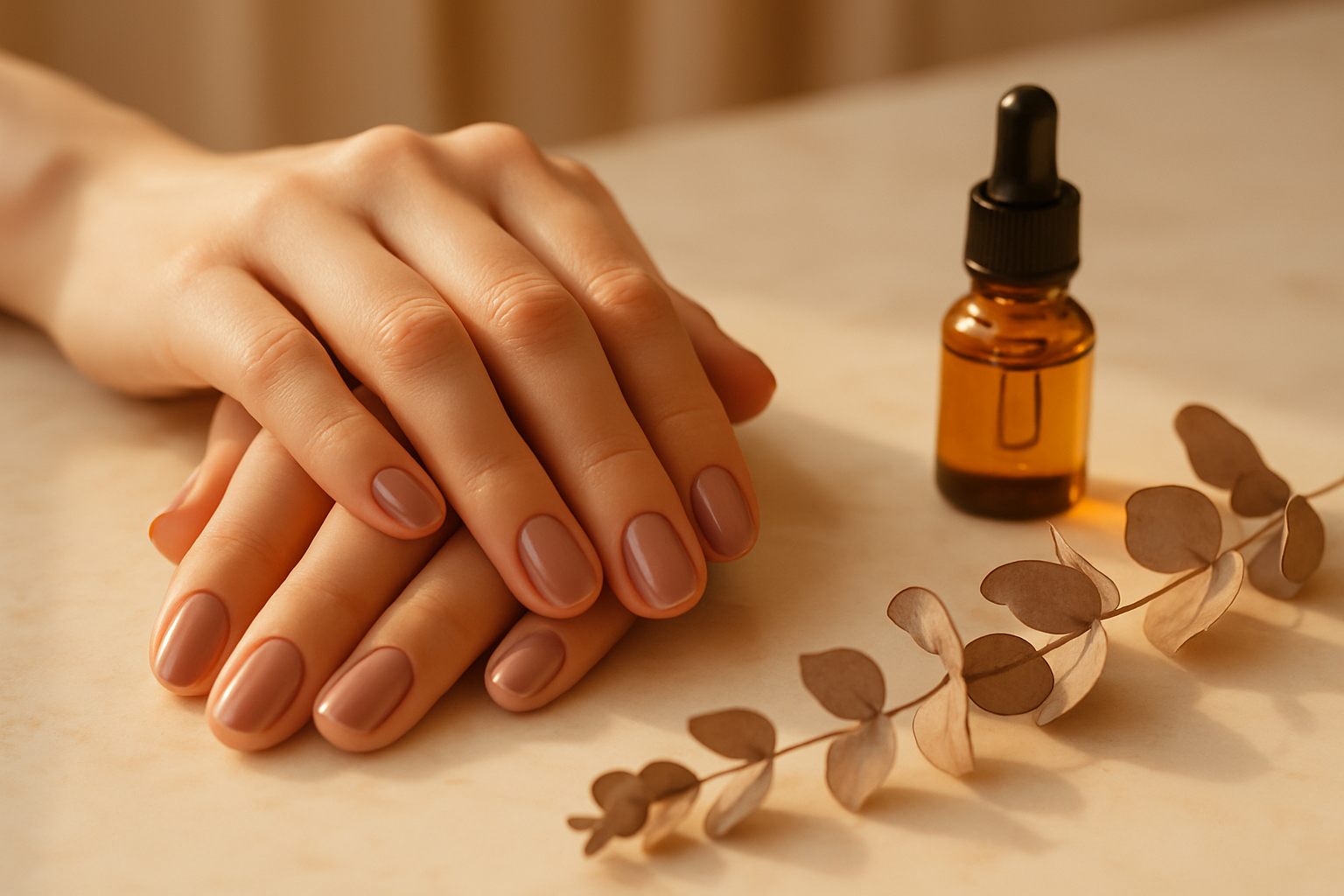
There is a particular kind of heartbreak in watching a manicure you paid good money for start chipping by day four. Maybe it survived your morning wudu, the dishes, one stubborn jar lid — and then a corner lifted, and that was the beginning of the end. The truth is, most manicures don't fail because of the polish or the technician. They fail because of what happens in the 24 hours after you leave the salon, and the small daily habits that follow.
At Rabbiz Salon in DHA Phase 3, we see clients walk out with beautiful nails and come back a week later asking why their friend's manicure lasted two. The difference is almost always aftercare. Here is exactly how to protect your investment and make a single manicure stretch from a few days into two glorious, glossy weeks.
The First 24 Hours Decide Everything
Even the best polish needs time to fully harden. Regular lacquer is touch-dry in minutes but takes around 12 hours to cure all the way through. Gel manicures cure under the lamp, but the surrounding skin and cuticle area are still sensitive.
In that first day, avoid:
- Hot showers and long baths. Heat softens fresh polish and lets water seep under the edges.
- Workouts and saunas. Sweat and steam swell the nail plate, which loosens the bond.
- Tight gloves or fitted shoes if you also had a pedicure.
- Heavy hand creams for the first few hours — they can leave a film between coats if you reapply early.
If you're booking a manicure or medi-pedi before an event, give yourself a 24-hour buffer. Same-day weddings are fine for gel, but for regular polish, the day before is much safer.
Seal the Edges, and Then Seal Them Again
The number one reason polish chips is water working its way under the free edge of the nail. Every time you wash your hands, the polish there expands and contracts slightly. Eventually, it lifts.
A good salon technician already "caps" the free edge during application — running the brush along the tip of the nail to wrap the polish around. You can extend this at home:
- Re-cap with a clear top coat every 2–3 days. One thin layer across the whole nail, paying attention to the tip. This single habit can double the life of a regular manicure.
- Use a fast-dry top coat, not a thick one, so layers don't get gummy.
- Don't shake the bottle — roll it between your palms to prevent bubbles.
For gel manicures, you obviously can't re-cure at home, but you can still smooth a tiny amount of clear regular top coat over the tip if you notice wear at day 10.
Treat Your Hands Like They Belong to Someone Else
This sounds dramatic, but it works. Pretend your hands are on loan. You wouldn't use a borrowed hand to scrub a karahi or peel off a sticker. You would find a tool.
Practical swaps that genuinely make a difference:
- Rubber gloves for dishes and cleaning. Lahore's tap water plus dish soap is one of the harshest things you can do to fresh polish. A pair of lined gloves costs almost nothing and saves your manicure.
- Use the pads of your fingers, not the tips, to open cans, type on a keypad, or pick at tape.
- Keep a metal nail file in your bag. The minute you feel a snag, file it smooth instead of picking. One torn nail almost always means peeling polish.
- Open ring boxes and zippers with two hands, not a single thumbnail.
Women who get the longest wear out of their nails are not gentler people — they're just slightly more deliberate.
Cuticle Oil Is Non-Negotiable
If you take only one thing from this article, take this: cuticle oil is the single best investment in nail longevity. It feels counterintuitive — won't oil make polish slide off? No. Oil keeps the skin around the nail flexible, which means less peeling, less hangnail-picking, and a healthier nail bed under the polish.
How to use it properly:
- Apply once in the morning and once before bed.
- Use a drop per nail, massage into the cuticle and the skin around the nail, not on top.
- Jojoba, almond and vitamin E blends absorb well in our climate.
- If you don't own cuticle oil, plain almond oil from the kitchen works beautifully.
Clients who oil twice a day genuinely get a week to ten days more wear than clients who don't. It's the closest thing to a cheat code we have.
Mind the Lahore-Specific Hazards
Our city throws a few extra things at your nails that nail-care guides from cooler climates don't address:
- Heat and humidity soften polish, especially in summer. Park your hands under a fan, not in direct sunlight, while polish dries.
- Hard water in many Lahore neighbourhoods is rough on the nail plate. A weekly hand soak in lukewarm water with a teaspoon of olive oil helps rebalance.
- Dust and pollution dull the shine. A quick wipe with a soft cloth and a drop of oil restores gloss in seconds.
- Frequent hand-washing (very normal for us) is the silent manicure killer. Pat dry thoroughly — never air-dry — and re-oil after.
For anyone whose hands take a real beating, a regular polishing treatment alongside your manicure helps keep the nail surface smooth so polish has a better base to grip onto.
When to Go Gel and When to Stay Regular
A common question we hear at our nails service bookings: which polish actually lasts longer?
- Regular polish: 5–7 days with great aftercare, up to 10 if you re-top-coat. Easier on the natural nail. Best for women who like changing colour often.
- Gel polish: 2–3 weeks if applied well. Better for travel, brides during their event week, or anyone who works with their hands a lot.
- Extensions or builder gel: for length and strength, but require professional removal — never peel.
Whatever you choose, the aftercare is roughly the same: oil, gloves, top coat, patience.
The Two-Week Manicure Mindset
Making a manicure last is honestly less about products and more about the small pause before you do something rough. The five extra seconds to grab gloves. The thirty seconds to oil your cuticles before sleep. The choice to file instead of pick.
Book a good manicure with someone who preps the nail properly — that's where it all starts — and then protect it like you mean it. Your hands are in front of you all day; they deserve the same care you give your hair and skin.