· 5 min read
Post-Wedding Hair Recovery: Repair Styling Damage Fast
Weeks of curling tongs, sprays, hair pieces and tight pins leave your hair fried, flat and shedding. Here's an honest recovery plan from a Lahore salon.
The wedding is over. The lehenga is back in its box, the jewellery is locked away, and you finally have a moment to breathe. Then you run your fingers through your hair and feel it — the crispy mid-lengths, the snapped baby hairs at your hairline, the alarming amount that comes away on the brush. Between the mehndi, maioon, nikkah, barat and walima, your hair has been curled, teased, sprayed, pinned, padded with extensions and washed in a hurry. The damage is real, but so is the recovery. Here's exactly how to bring your hair back to life over the next eight to twelve weeks.
Why Bridal Hair Damage Is Different
Most women don't realise that wedding hair damage isn't one thing — it's a stack of stresses happening on top of each other in a very short window.
- Repeated high heat. Curling tongs at 200°C, often re-applied to the same section across multiple events, break down the cuticle's protein structure.
- Heavy product buildup. Setting sprays, mousses and hair lacquers don't fully wash out in one shampoo, suffocating the scalp.
- Tension and traction. Tight buns, hair extensions clipped into the same spots, kaleeras pulling on the back of the head — all create micro-trauma at the follicle.
- Stress shedding. This is the sneaky one. Telogen effluvium from emotional and physical stress shows up six to twelve weeks after the wedding, which is why so many brides panic in month two.
Knowing what you're dealing with matters, because a single deep conditioning mask is not going to fix it. You need a layered plan.
The First Two Weeks: Strip, Soothe, Assess
Resist the urge to immediately book the strongest keratin treatment available. Damaged hair needs to be cleaned and assessed first, not coated in more chemistry.
Start with a proper clarifying wash
Do one — just one — clarifying shampoo wash to remove the months of spray, dry shampoo and oil buildup. Follow it immediately with a rich, protein-light moisture mask for at least twenty minutes. If you try to do this at home, your hair will likely feel straw-like for a day. That's the buildup leaving, not new damage.
Book a salon diagnosis, not a treatment
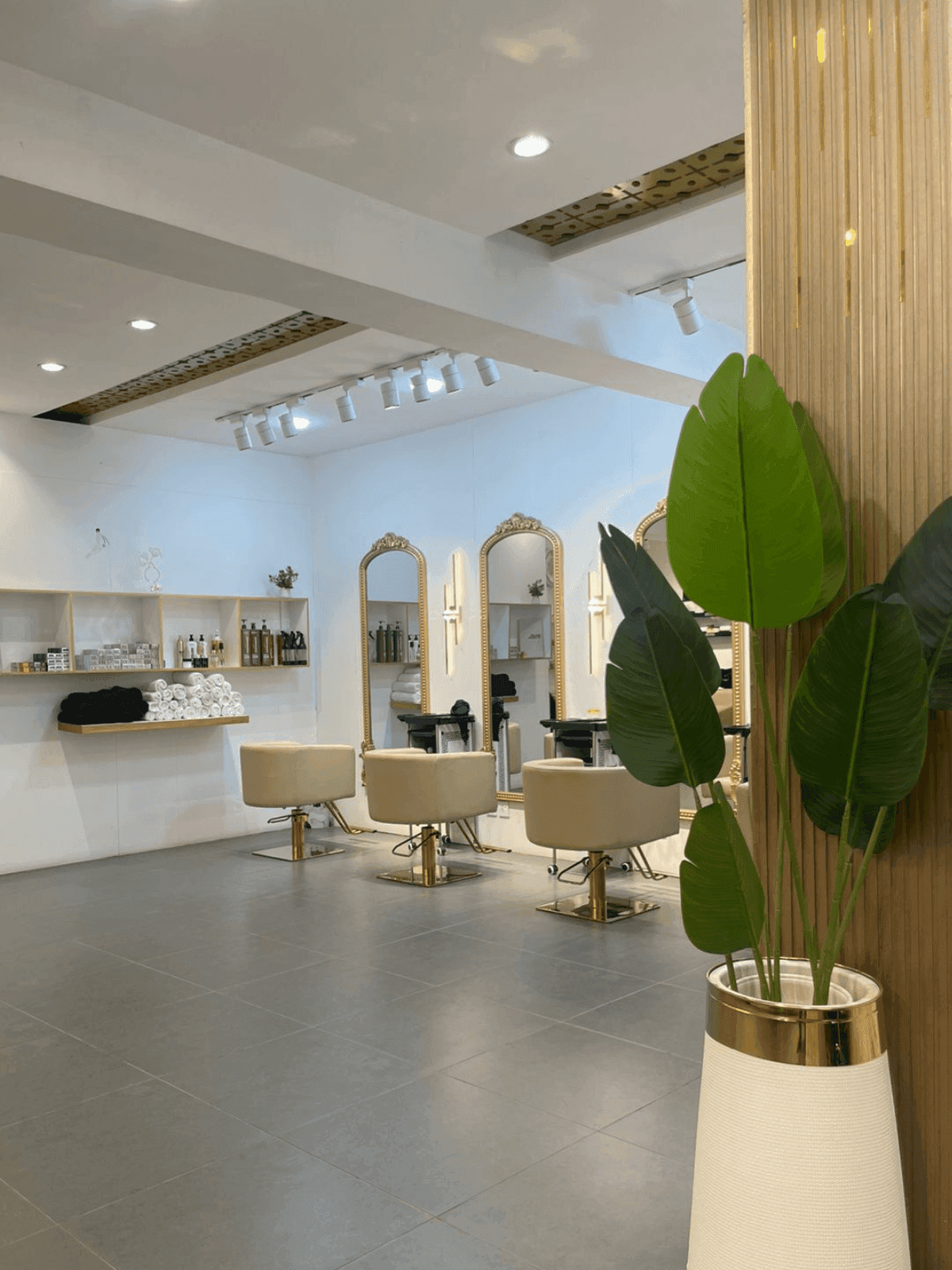
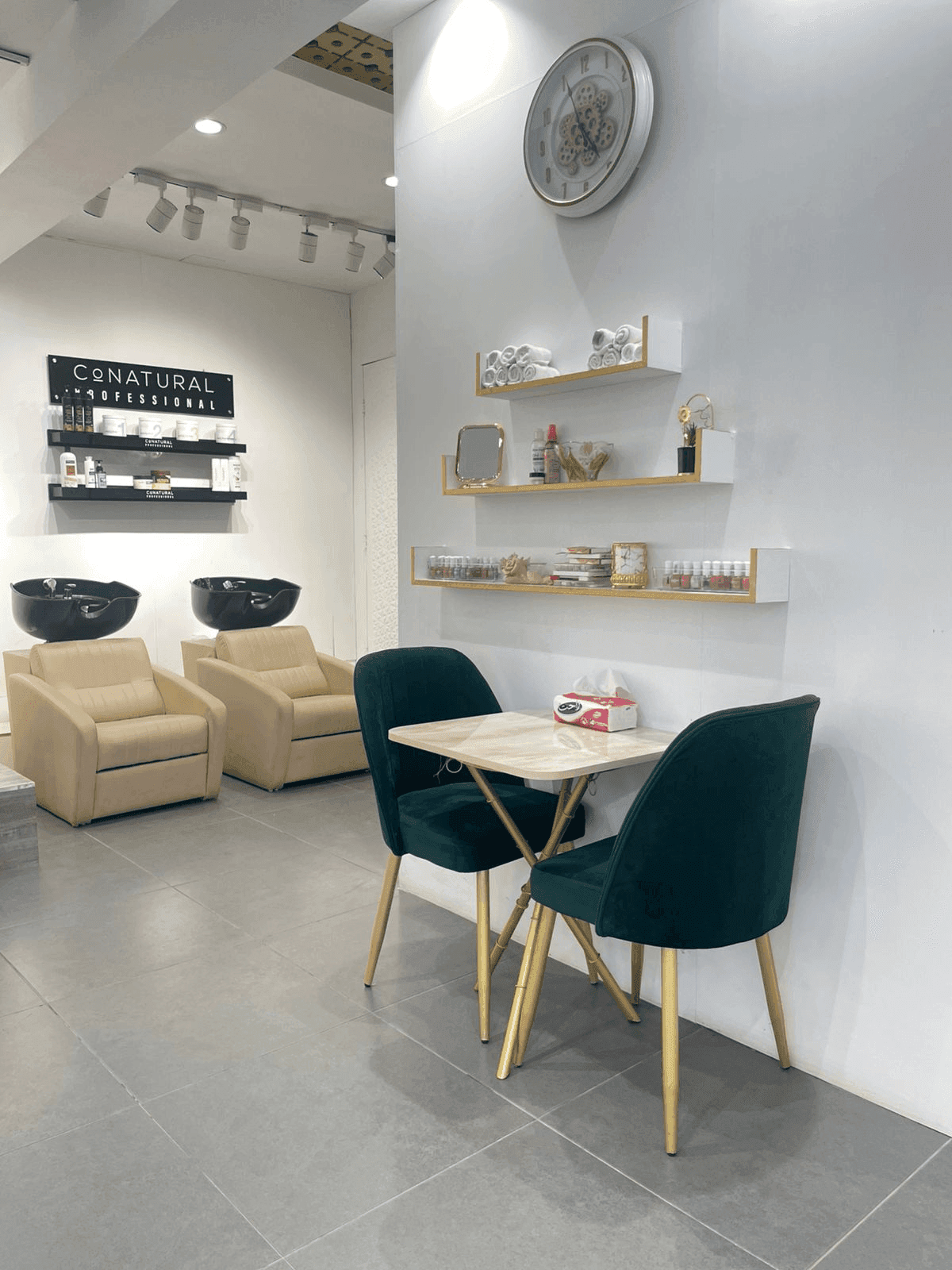
Before committing to keratin, botox, or a cysteine smoothing service, have a stylist actually look at your hair under good light. At Rabbiz, we check porosity, elasticity (does a wet strand stretch and bounce back, or snap?), and scalp condition before recommending anything. A consultation at our hair treatments studio usually saves brides from spending on the wrong service.
Trim the casualties
Those split, white-tipped ends at the front where the curling tong lived? They will not heal. Every wash they travel further up the shaft. A conservative dusting — even half an inch — stops the splits from climbing and makes everything else you do work better.
Weeks Three to Six: Rebuild Protein and Moisture
Healthy hair needs both protein (structure) and moisture (flexibility). Wedding-damaged hair is usually deficient in both, and the order you replace them matters.
- Protein first, in moderation. A bond-repair treatment or a light protein mask once in this phase rebuilds the internal scaffolding. Overdoing protein, though, makes hair stiff and more prone to snapping — once every two to three weeks is plenty.
- Moisture every wash. Use a creamy conditioner from mid-length to ends, every single time. Leave it in for at least five minutes.
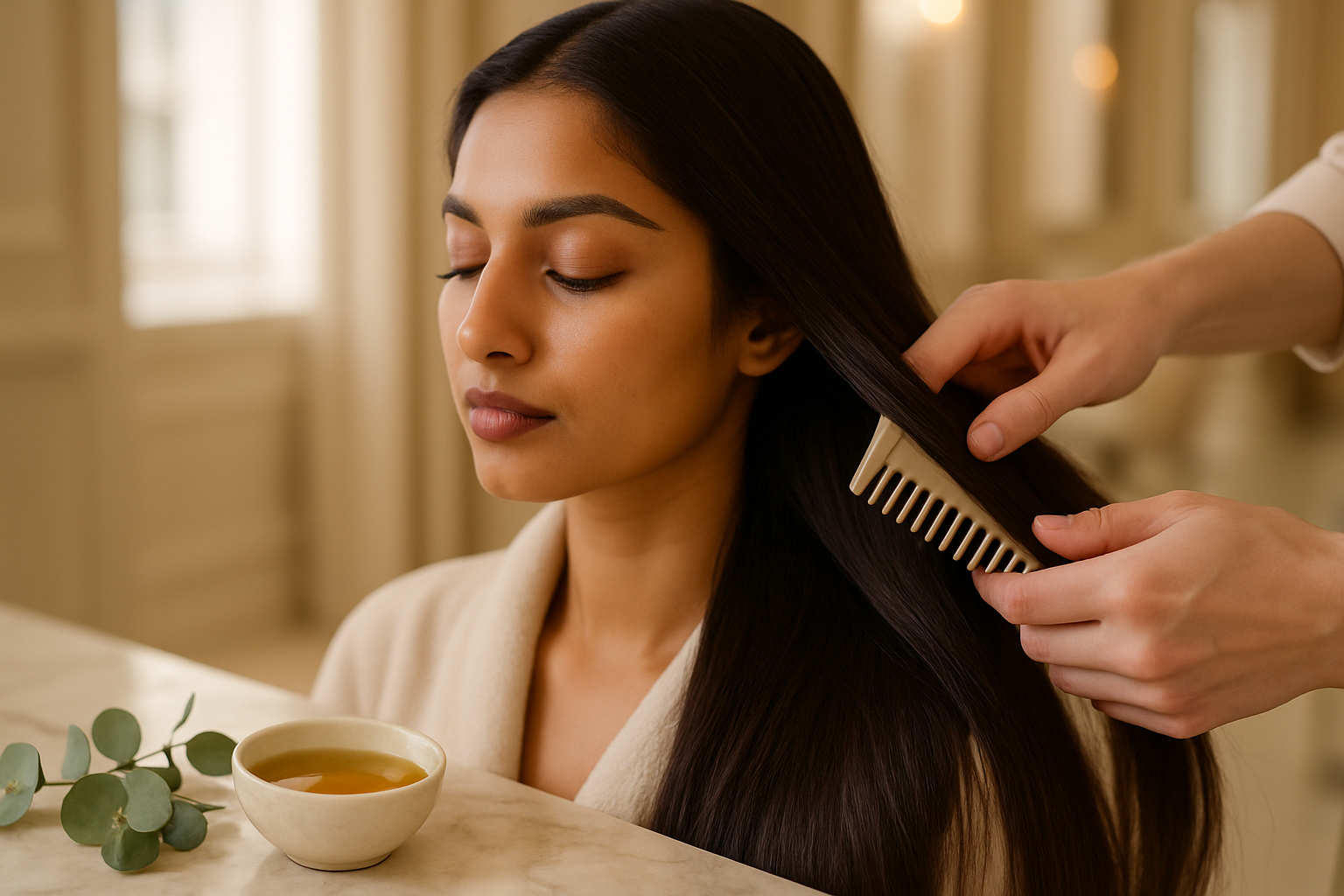
- Weekly oiling, the proper way. Warm coconut or almond oil, massaged into the scalp and lengths, left for one to two hours (not overnight, which can swell the cuticle too much), then washed out with a gentle sulphate-free shampoo.
- Salon-grade smoothing — if appropriate. If your hair is heat-damaged but not severely broken, a hair botox or keratin smoothing service can genuinely help by sealing the cuticle and reducing daily styling needs. If your hair is snapping at the lightest tug, hold off; do bond repair first.
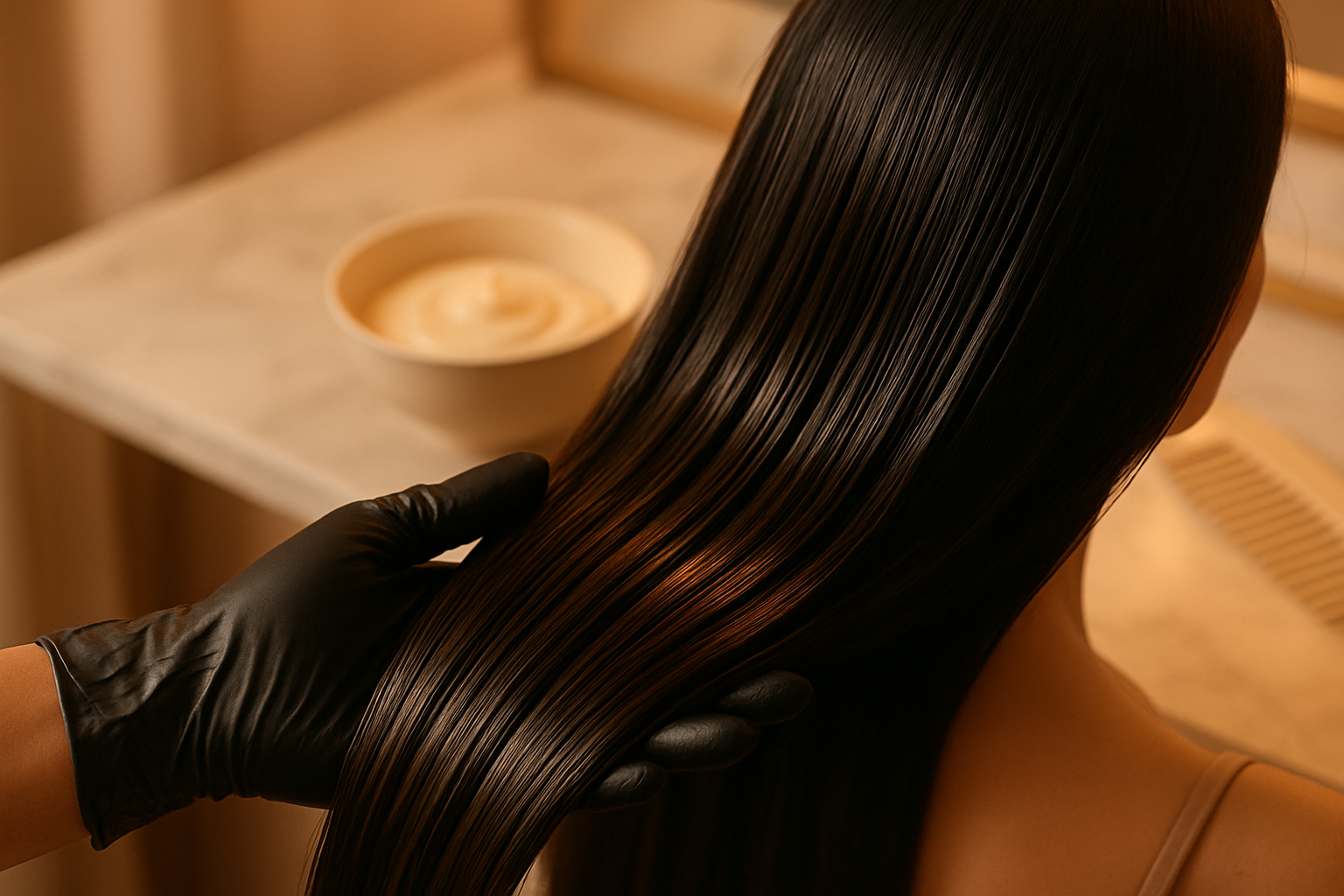
Our in-salon hair treatments lean on Olaplex-style bond builders and deep moisture masks under steam, which penetrate far better than anything you can recreate at home in DHA's hard water.
Weeks Six to Twelve: Address the Shedding
This is when most Lahore brides message us in a panic: "I'm losing hair in clumps, what's happening?" Almost always, this is delayed stress shedding, not balding.
What actually helps
- Scalp massage, three times a week. Five minutes with your fingertips (not nails) boosts circulation to follicles entering the growth phase.
- Iron, ferritin, vitamin D check. Get bloodwork done. Pakistani women are widely deficient in all three, and low ferritin is the single biggest driver of ongoing hair fall. Supplement under a doctor's guidance.
- Protein in your actual diet. Aim for a palm-sized portion at every meal. Hair is made of keratin; keratin is made of amino acids; amino acids come from food.
- Lay off the heat completely. For at least eight weeks post-wedding, air dry, use rollers, or do heatless curls. No exceptions.
What doesn't help
Expensive "hair growth" serums with no clinical evidence, daily hair masks (they weigh the scalp down), and switching shampoos every week looking for a miracle. Consistency beats novelty every time.
When to Consider Extensions or a Cut
Sometimes the kindest thing you can do for traumatised hair is take some length off. A fresh shoulder-grazing lob heals faster than waist-length hair pretending to be fine. If you genuinely cannot bear the loss of length while you recover, well-fitted hair extensions can bridge the gap — but only once your real hair is strong enough to anchor them without breaking. We usually wait at least three months post-wedding before fitting extensions on a recovering bride.
A Simple Weekly Routine That Works
If you remember nothing else, follow this for the next two months:
- Twice a week: Gentle sulphate-free shampoo + creamy conditioner.
- Once a week: Pre-wash oil massage, 1–2 hours.
- Every two weeks: Deep moisture mask under a warm towel for 20 minutes.
- Every three weeks: A bond-repair or protein treatment, alternating.
- Monthly: Salon trim and assessment.
Hair recovers. It really does. Most of our brides are back to soft, shiny, full-feeling hair by month three — provided they stop punishing it and give the follicles space to do their work. The wedding glow doesn't have to end with the walima; it just moves to a quieter, slower kind of beautiful.