· 5 min read
Hair Masks Worth Using — And Which Ones Don't Deliver
A senior stylist's honest breakdown of which hair masks actually repair Pakistani hair, which are overhyped, and how to use them for real results in Lahore's climate.
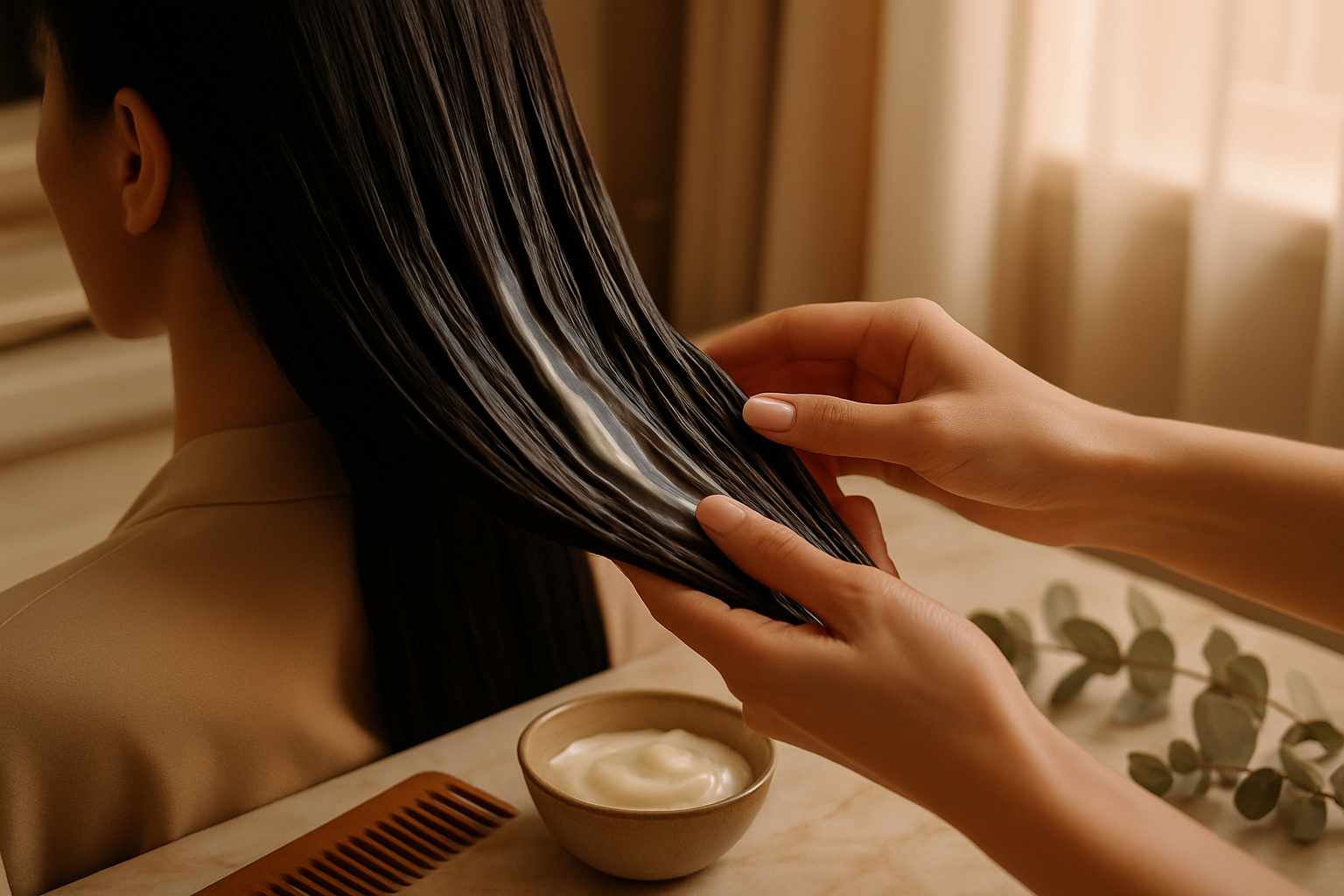
Walk down any beauty aisle in Lahore — from Al-Fatah to the little cosmetics shops in Y Block — and you'll find a wall of hair masks promising silk, shine and salon-quality repair in fifteen minutes. Some of them genuinely earn their price. Most don't. After years of treating hair damaged by hard water, heat styling, colour and DHA's dusty afternoons, I've seen exactly which formulas move the needle and which are just expensive conditioner in a fancier jar. Here's the honest version.
What a Hair Mask Is Actually Supposed to Do
A proper mask does one of two things: it either rebuilds structure (protein) or restores softness and elasticity (moisture/lipids). A conditioner smooths the cuticle for a few hours; a mask is meant to sit longer, penetrate deeper, and leave a measurable difference in how your hair behaves for days.
If your mask feels identical to your conditioner after rinsing — same slip, same weight, same smell fading by evening — it isn't working hard enough. That's the first filter.
The second filter is honesty about what your hair actually needs. Most women in Lahore assume their hair is "dry" when it's actually protein-depleted from heat tools, or product-coated from silicone-heavy leave-ins that block anything else from getting in. Masking without diagnosing is like taking vitamins randomly and hoping.
Masks That Are Genuinely Worth Your Money
These are the categories I keep coming back to, both in the salon and for my own hair.
1. Hydrolysed protein masks (for chemically treated hair)
If you've had keratin, rebonding, colour, balayage or heavy heat styling, your hair needs protein — small, hydrolysed molecules that can actually enter the shaft. Look for hydrolysed keratin, hydrolysed wheat protein, or hydrolysed silk in the first eight ingredients. Used every 10–14 days, these masks visibly reduce mid-length breakage and give hair back its "bounce."
Warning: too much protein makes hair stiff and straw-like. If your hair snaps when wet rather than stretching, you've overdone it — swap to moisture for the next three washes.
2. Butter and oil-based deep conditioners (for coarse, frizzy, dry lengths)
Shea butter, cupuaçu butter, argan oil, avocado oil and broccoli seed oil are the workhorses for Pakistani hair textures. These are what you want if your hair feels rough, foams up in humidity, or drinks up product without ever feeling soft. Warm the mask slightly, apply mid-length to ends, cover with a shower cap for 20–30 minutes.
3. Bond-builders (the one modern innovation worth the hype)
Olaplex, K18, Redken Acidic Bonding — these aren't traditional masks, but they do something masks can't: they reconnect broken disulphide bonds inside the hair. For anyone whose hair has been double-processed or lightened, a proper in-salon bond treatment paired with an at-home version is the closest thing to actual repair. We use professional-grade bond builders during our hair treatments because the concentration and processing time genuinely matter.
4. Scalp masks (the underrated category)
Most women mask the lengths and ignore the scalp. In Lahore's climate — dusty air, hard water, sweat, dry-shampoo build-up — the scalp is often the reason hair looks lifeless. A clarifying scalp mask with salicylic acid, charcoal or kaolin clay once a fortnight resets everything. Healthier scalp, shinier hair, better growth cycle.
Masks That Genuinely Don't Deliver
I'll be direct.
- "10-in-1" masks that claim to do everything. Repair, colour-protect, smooth, add volume, prevent split ends, boost growth — a single formula physically cannot do all of that. It's marketing.
- Mayonnaise, egg and "kitchen" masks. Yes, they coat the hair. No, the protein molecules in a raw egg are too large to actually penetrate the cuticle. You're mostly rinsing food down the drain and dealing with the smell for two days.
- Masks that are 80% silicone. Read the label. If dimethicone, amodimethicone or cyclopentasiloxane appear in the top three ingredients with very little else, you're buying a temporary shine coating, not a treatment. It'll feel amazing once and then create build-up.
- "Onion oil" masks marketed for growth. There's very thin evidence for onion juice on very specific alopecia types. There is no good evidence that adding it to a mask magically thickens healthy hair. Save the money.
- Any mask promising to "repair split ends." Split ends cannot be glued back together with a cream. They can be temporarily sealed to look better — but the only real fix is scissors.
How to Actually Mask (Most Women Get This Wrong)
Even a good mask fails when applied badly. The routine that works:
- Shampoo first — always. Masks don't penetrate through oil, dust and product residue. Double-cleanse if you use a lot of styling product.
- Squeeze out excess water. Hair should be damp, not dripping — otherwise you're diluting the mask before it touches your strands.
- Apply from mid-length to ends first, then use whatever is left on the roots (unless it's a scalp mask). Roots are the youngest, healthiest part of your hair; they don't need the most product.
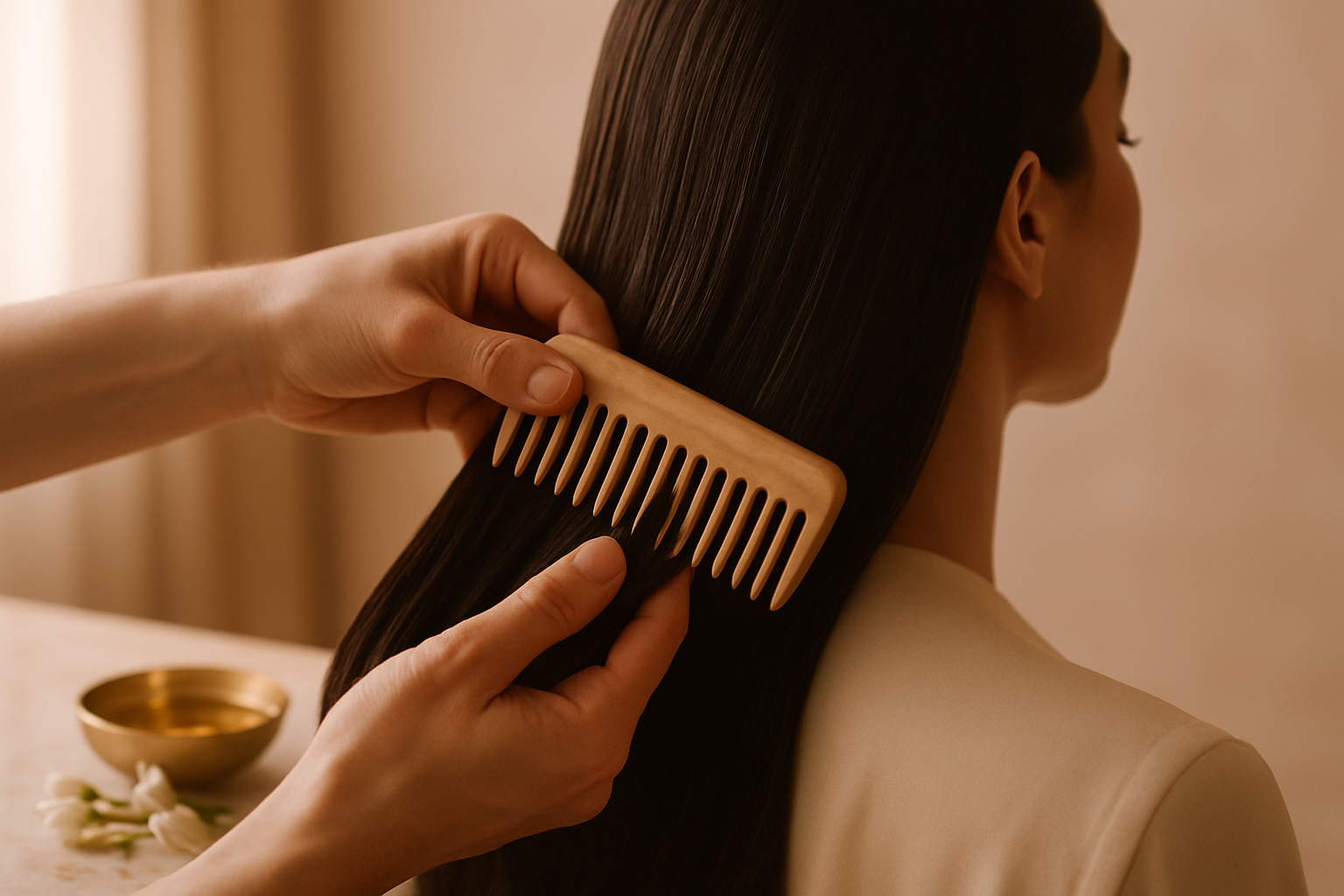
- Comb it through with a wide-tooth comb so every strand is coated evenly.
- Add gentle heat. A warm towel or shower cap for 15–25 minutes helps the cuticle lift slightly and lets ingredients in. Don't leave overnight — this doesn't "work better," it often over-softens hair and causes breakage the next day.
- Rinse with cool water to close the cuticle and lock in shine.
When a Salon Treatment Beats Anything in a Jar
Be realistic: an at-home mask, even a great one, tops out at a certain level. It can maintain healthy hair beautifully, and it can rescue moderately damaged hair over time. What it cannot do is reverse a chemical mishap, deeply penetrate very coarse Pakistani hair without steam, or deliver the concentration of active ingredients a professional formula can.
For clients whose hair has been through colour, heat and Lahore's water for years, we usually recommend a proper in-salon deep treatment every 4–6 weeks alongside a good home routine. If you're also considering hair extensions or planning a colour service, treating the hair first isn't optional — healthy hair takes colour better, holds bonds longer, and simply looks more expensive.
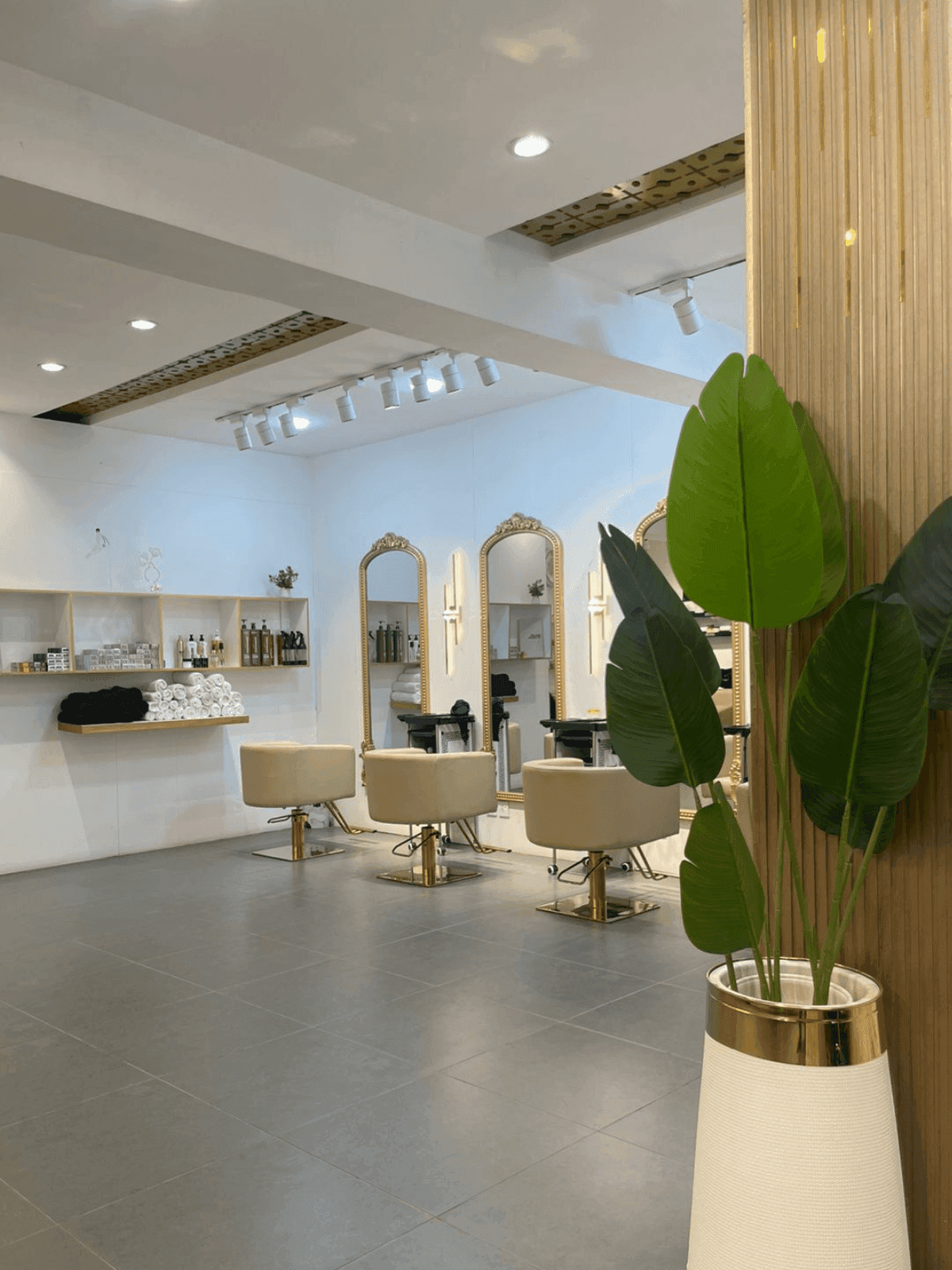
Book a diagnostic sit-down at our DHA Phase 3 studio if you're not sure what your hair actually needs. Sometimes the honest answer is a good hair service and a haircut before any mask can do its job — and that conversation alone will save you thousands of rupees on the wrong products.