· 5 min read
Keratin Treatment Myths Debunked for South Asian Hair
From 'it ruins your hair forever' to 'you can't oil after' — we unpack the biggest keratin myths South Asian women hear, with honest advice from Rabbiz Salon in DHA Phase 3.
If you have thick, wavy, humidity-sensitive South Asian hair, you have almost certainly been told two contradictory things about keratin: it is a miracle, and it will ruin your hair. Neither is fully true. Keratin is a chemistry-driven smoothing service, and like any chemistry, it behaves predictably when the formula, technique and aftercare are right — and badly when they are not. At Rabbiz Salon in DHA Phase 3, we get questions about keratin almost every week, especially from women fighting Lahore's mix of dust, hard water and 80% summer humidity. Let's clear up what is myth, what is misunderstood, and what is genuinely worth knowing before you book.
Myth 1: Keratin Permanently Damages Your Hair
This is the fear that stops most women from trying it. The truth is more nuanced.
A properly formulated keratin treatment coats and infuses the hair shaft with a protein-and-smoothing complex, then seals it with heat. What causes damage is almost never the keratin itself — it is one of three things:
- Formaldehyde-heavy formulas used cheaply to force a straighter result
- Flat irons set too hot (above 230°C) on hair that is already fragile
- Overlapping the treatment onto previously treated lengths every time
Modern low-aldehyde and aldehyde-free keratin systems, applied by a trained stylist, do not strip your hair. In fact, many South Asian clients notice less breakage afterwards because they stop aggressively brushing frizz and blow-drying daily. If you are considering it, book a consultation for our hair treatments so we can assess your porosity, past colour history and scalp condition first.
Myth 2: Keratin Will Make Your Curls Disappear Forever
Keratin is not a chemical relaxer. It does not break the disulfide bonds that give your hair its curl pattern — a Japanese straightening or rebonding treatment does that, and yes, that change is permanent.
Keratin loosens your natural texture temporarily. A tight 3B curl might drop to a soft S-wave. A 2C wave might read as almost straight for the first few weeks, then gradually bounce back as the treatment washes out over 3–5 months. Your curl pattern returns exactly as it was.
If you love your curls and only want frizz control, ask specifically for a light or express keratin rather than a full smoothing. Communicate this clearly — "I want to keep movement, I just want less frizz" — because the same product can be applied for different intensities depending on processing time.
Myth 3: You Can't Oil Your Hair After Keratin
This one drives me a little mad, because oiling is such a core part of our haircare culture. The rule is not no oil — it is no oil for the first 72 hours, and then only the right oils.
Here is what actually matters after treatment:
- First 72 hours: no water, no tying, no clips, no oil, no dupatta friction. The keratin is still bonding.
- Week 1 onwards: you can oil, but avoid heavy coconut oil masks that sit for hours — they can lift the treatment faster.
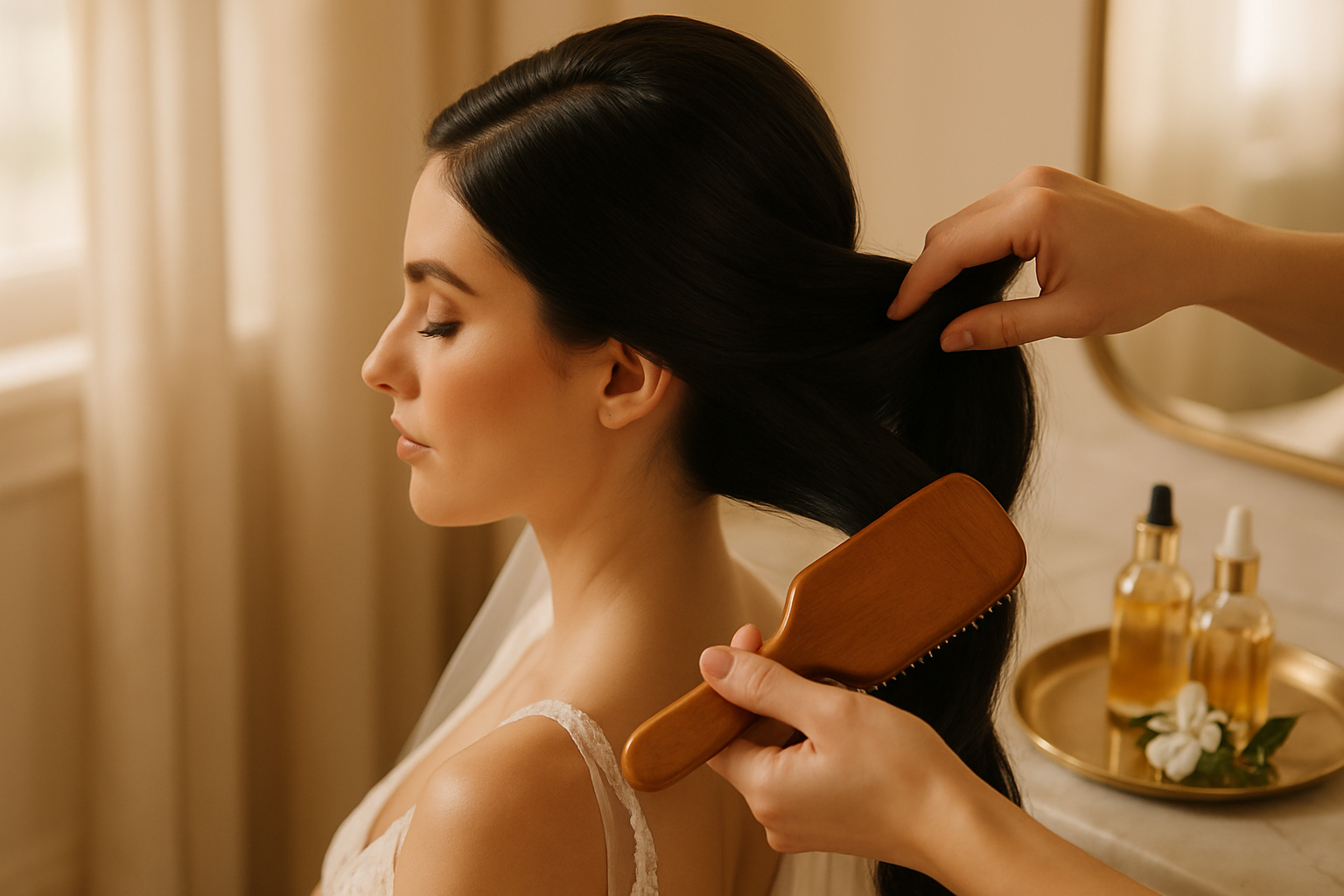
- Best oils post-keratin: argan, light almond, or a few drops of a serum-style oil on mid-lengths and ends only.
- Avoid the scalp-drenching champi for the first month if you want maximum longevity.
You are not giving up your Sunday oil ritual forever — you are adjusting it for a few weeks.
Myth 4: Sulphate-Free Shampoo Is Optional
It is not. This is the single biggest reason keratin treatments fail early on South Asian hair.
Regular shampoos (including most Pakistani drugstore brands) contain sodium lauryl sulphate or sodium laureth sulphate, which strip the treatment out fast. You will feel your frizz coming back in 4–5 weeks instead of 4–5 months. A good sulphate-free, sodium-chloride-free shampoo is non-negotiable — think of it as part of the cost of the treatment, not an add-on.
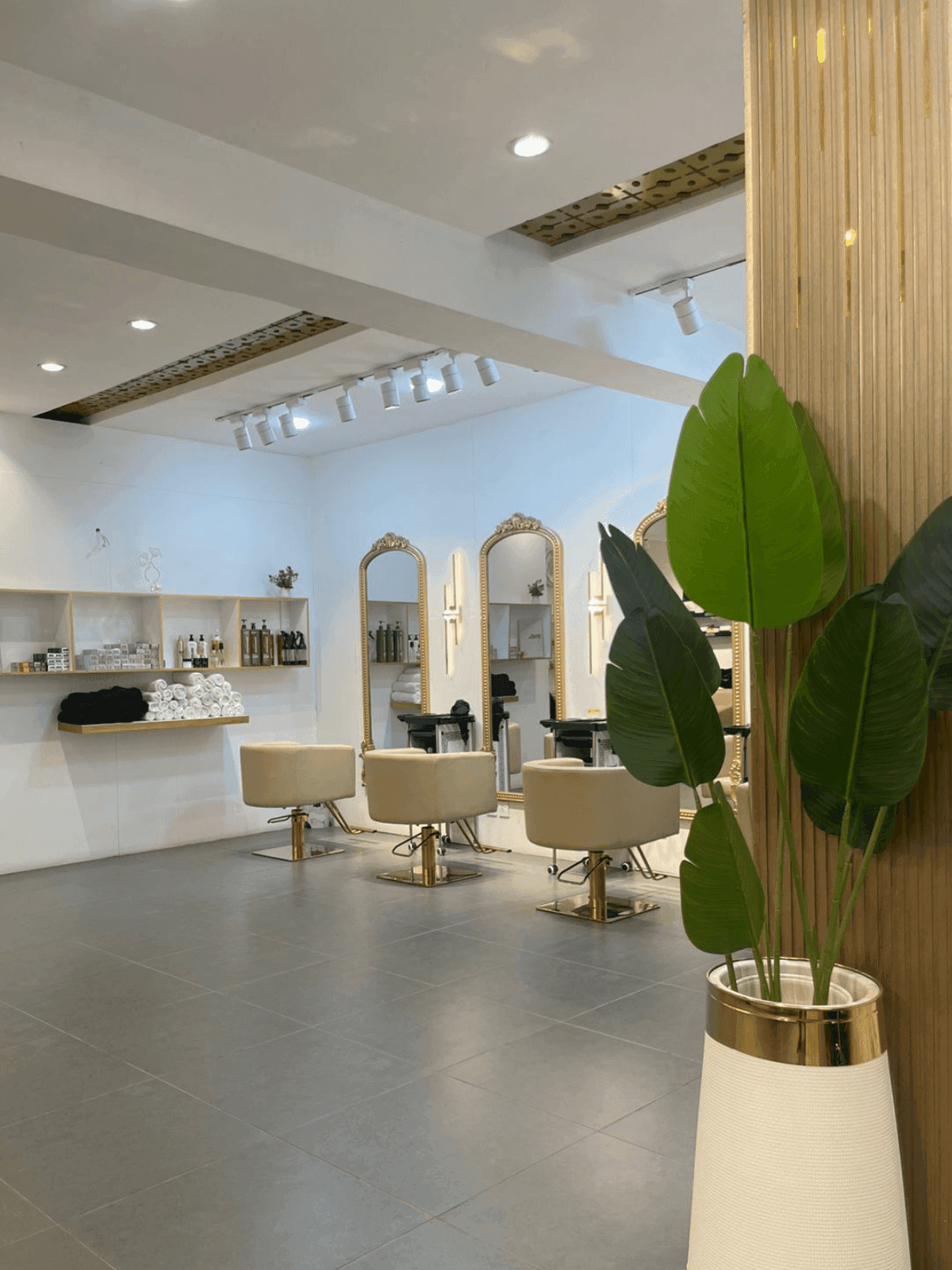
We stock and recommend specific aftercare ranges at the salon and will send you home knowing exactly what to buy. If you are also colouring your hair, a sulphate-free routine protects both investments at once — worth discussing when you book hair colour and treatments together.
Myth 5: Keratin Works the Same on Every Hair Type
South Asian hair is not one thing. In a single family you might see:
- Coarse, dense, low-porosity hair that resists product
- Fine but abundant hair that goes limp easily
- Chemically treated hair (henna, global colour, highlights) with mixed porosity
- Post-partum hair that is fragile at the crown
Each of these needs a different keratin strength, different processing time, and different iron temperature. A blanket "one treatment fits all" menu is a red flag. At Rabbiz, we do a strand test and porosity check before committing, especially for clients who have used henna — henna and certain keratin formulas can interact and give unexpected results.
If your hair is severely damaged from bleaching or heat, we will often recommend 4–6 weeks of deep conditioning through our hair care services first, then keratin. Rushing the treatment onto compromised hair is how you end up with the horror stories your cousin warned you about.
Myth 6: Keratin and Hair Extensions Don't Mix
They do — with planning. If you wear tape-ins, clip-ins or bonded hair extensions, keratin should be done on your natural hair before extensions are re-installed, or on removable extensions separately. Never apply the smoothing solution directly over bonds or tapes; the heat and product can weaken the adhesive.
Done in the right order, keratin actually helps extensions blend beautifully because your natural texture matches the extension's smoothness.
What a Realistic Keratin Result Actually Looks Like
Manage your expectations and you will love the result:
- 50–70% less frizz, not pin-straight poker hair
- Blow-dry time cut in half
- Humidity resistance — a big deal for Lahore summers
- Softer texture with your natural movement mostly intact
- 3–5 months of wear, fading gradually rather than dropping off
It is a maintenance service, not a permanent transformation, and it works best as part of an ongoing hair health plan — not a one-off rescue mission.