· 5 min read
Mehndi Color: How to Keep Your Henna Deeper, Longer
From application-day prep to next-morning aftercare, here's exactly how to coax the deepest, longest-lasting mehndi stain — whether it's your own dholki or a full bridal event in Lahore.
There is a specific magic to peeling off dried mehndi and seeing that first flash of orange stain — and a specific heartbreak when, three days later, it looks like weak tea instead of espresso. At Rabbiz Salon in DHA Phase 3, we've watched hundreds of brides, sisters and dholki guests chase that deep, cocoa-brown mehndi color. The good news: the depth of your stain is 70% aftercare and 30% the paste itself. If you know what to do in the twelve hours after application, you can push a decent henna to look phenomenal.
Here's the honest, stylist-side guide to getting darker mehndi that actually lasts through your event photos.
Understand How Henna Actually Stains
Henna doesn't dye your skin the way hair color does. The lawsone molecule in the henna leaf slowly migrates into the top layers of your skin, then continues to oxidise for 24 to 72 hours after you remove the paste. That's why mehndi looks bright orange when it first comes off and deepens to reddish-brown, then chocolate, over two days.
Three things affect final color:
- Contact time — how long the wet paste stays on your skin
- Heat and moisture — both help lawsone release
- Skin location — palms and fingertips stain darkest because the skin there is thicker and holds more dye
Once you understand this, every aftercare tip below makes sense.
Prep Your Skin Before The Cone Ever Touches It
Good mehndi color starts hours before application, not after.
The day before
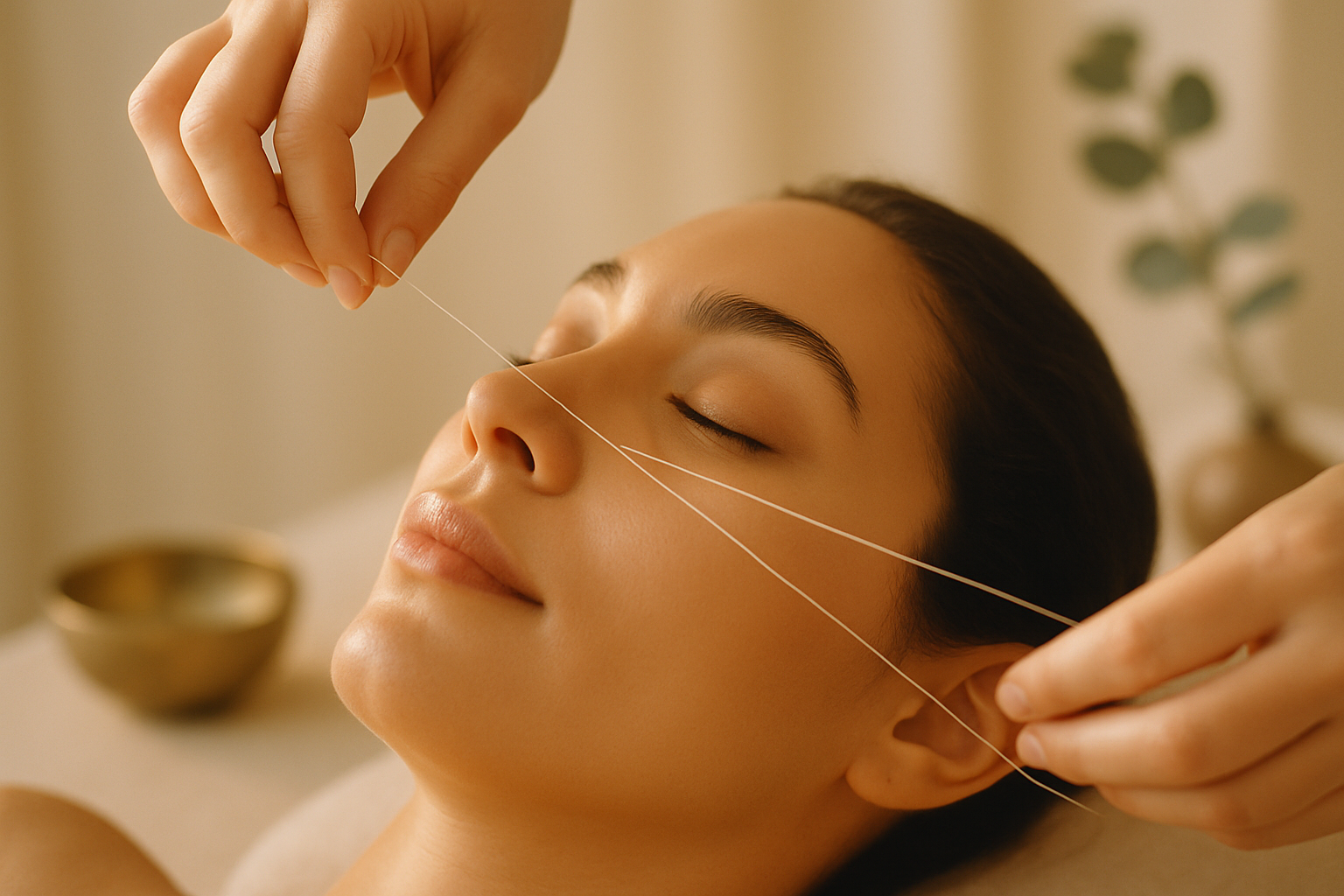
- Get any waxing, threading or facials done 24–48 hours in advance, not on the same day. Fresh product residue and open pores can block stain. If you're pairing mehndi with a full grooming session, book your waxing with organic sugar and facial at least a day earlier.
- Skip heavy moisturiser, oil or sunscreen on your hands and feet the morning of application. Lotion creates a barrier the paste can't penetrate.
- Exfoliate gently. A soft scrub on hands, forearms and feet the night before removes dead skin so henna sits directly on fresh cells.
Right before application
Wash your hands with plain soap and warm water, then let them air-dry completely. Do not apply anything — no perfume, no hand cream, no hand sanitiser (the alcohol dries out the skin instantly and makes stain patchy).
Keep The Paste On As Long As Humanly Possible
This is the single biggest lever. A mehndi cone left on for 30 minutes gives you a faint orange stain. Left on for 6–8 hours, that same cone gives you a deep maroon.
Practical targets:
- Casual dholki mehndi: minimum 4 hours
- Bridal-grade color: 6–10 hours, ideally overnight
To make long wear tolerable:
- Apply a sugar-lemon seal once the paste is dry to the touch (usually 20–30 minutes in). Mix one tablespoon of sugar with two tablespoons of lemon juice, dip a cotton ball, and dab lightly over the designs. This keeps the paste from cracking and pulls more dye out. Don't overdo it — over-wet paste smudges the design.
- Warm your hands occasionally. Sit near a heater in winter, or hold your palms over the steam of a covered pot of boiling water with a few cloves thrown in. The clove steam trick is not folklore — the heat genuinely accelerates lawsone release.
- Sleep in it. Wrap your hands loosely in tissue, then a light cotton sock or muslin cloth. Skip plastic wrap; it makes you sweat and the design smudges.
Remove The Paste The Right Way
Never wash mehndi off with water for the first 12 hours after removal. Water at this stage is the enemy of color development.
- Scrape, don't rinse. Flake the dry paste off with a butter knife or the back of a spoon. Any stubborn bits, rub off with a dry cloth.
- Seal with oil, not water. Immediately apply a thin layer of mustard oil, coconut oil or Vicks (yes, really — the eucalyptus and camphor generate warmth). This locks in moisture and lets the stain keep oxidising.
- Avoid water contact for 12–24 hours. No hand-washing marathons, no dishes, no swimming. If you must wash hands, use only oil to clean them.
By morning, your bright orange stain should have shifted to reddish-brown. By 48 hours, it will hit its final depth.
Protect The Color Once It's Set
Mehndi typically lasts 1–3 weeks. What shortens it: friction, chlorine, harsh soaps, exfoliants and hot water. What extends it:
- Wear gloves for dishes and cleaning. Detergent is brutal on henna.
- Skip the scrub. No loofahs, no body polish, no exfoliating face wash near stained areas until after the event.
- Postpone chemical treatments. If you have bleach, hair color or a chemical peel booked, do it before mehndi day, not after. The oxidation from these products can lighten fresh stain on your hands.
- Moisturise generously. Well-hydrated skin holds color longer. A rich hand cream or almond oil at night keeps the stain looking rich rather than dusty.
- Avoid pools and long hot showers for the first three days.
Special Notes for Brides
If you're a bride, the timing is everything. We usually advise:
- Mehndi application 36–48 hours before the mehndi function. This gives the stain time to darken to its peak color without looking freshly orange in photos.
- Book your bridal grooming before mehndi, not after. Your bridal package — waxing, facial, polishing — should wrap up the day before henna goes on. If you're doing a full signature bridal service with us, we'll build the schedule around your mehndi timing so nothing competes with the stain.
- Test the henna paste on a small patch at least a week in advance if you've never used that particular artist or brand. Chemical "black henna" can cause reactions and should always be avoided — insist on natural, organic paste.
- Plan your manicure around it. A clear or nude gel on nails photographs beautifully with deep mehndi. If you want colored nails, do them before henna and choose shades that flatter reddish-brown.
Done right, mehndi color isn't luck. It's just a series of small, patient choices — the same philosophy we apply to every service at the salon. Give the stain time, warmth and no water, and it will reward you with the depth you actually want to see in your wedding photos.