· 5 min read
Mehndi Color: How to Keep Your Henna Deeper, Longer
From application night to day ten, here's exactly how to coax the darkest, longest-lasting mehndi color out of your henna — the way Lahore's best brides do it.
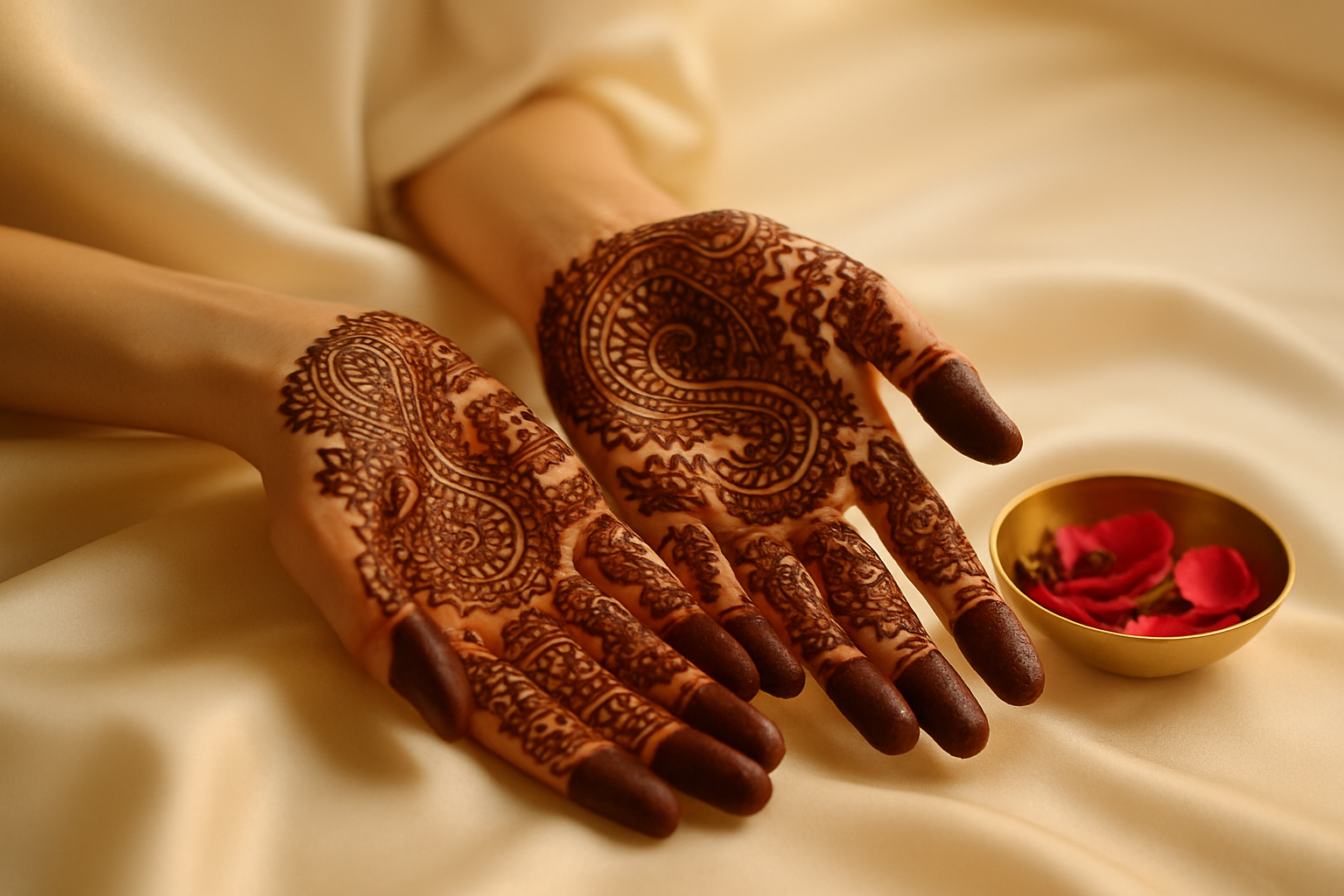
There's a particular kind of heartbreak in waking up the morning after your mehndi function and finding the color muted, patchy, or already fading at the fingertips. Whether you're a bride prepping for your own event or a guest who wants her design to last through the entire wedding week, the depth and staying power of henna is never just luck. It's chemistry — and a few habits most women in Lahore skip without realising.
At the salon, we see the full spectrum: brides whose mehndi turns a deep maroon-black and lasts nearly three weeks, and others whose color barely reaches a dull orange. The difference almost always comes down to what happened in the 48 hours around application. Here's the honest, practical guide.
Understand How Henna Actually Stains
Henna leaves contain a molecule called lawsone, which binds to the keratin in your skin. That binding takes time — usually 6 to 12 hours of continuous contact — and it deepens for another 48 hours through oxidation. This is why your mehndi looks pumpkin-orange when you first scrape it off and then darkens to a rich burgundy over the next two days.
Everything you do to help your color hinges on protecting that process:
- Longer paste contact = deeper stain. Rushing to wash it off is the single biggest mistake.
- Warmth accelerates the dye release. Cold skin, cold rooms, and AC on full blast work against you.
- Water is the enemy for the first 24 hours after removal. It halts oxidation.
Prep Your Skin Before the Mehndi Artist Arrives
Most brides in DHA Phase 3 book their mehndi artist and think prep starts the moment paste hits skin. It actually starts the day before.
The day before your function
- Exfoliate lightly. A gentle scrub on hands, arms and feet removes dead skin so henna binds to fresh keratin. Skip harsh acids or a fresh polishing session less than 24 hours before — you want smooth, not raw.
- Do your waxing and threading first. Once mehndi is on, you can't wax over it for at least a week without lifting the stain. Book your organic sugar waxing and threading 1–2 days before mehndi night.
- Skip heavy moisturiser and oils. Any barrier between paste and skin blocks the stain. On the day itself, wash hands with plain soap and let them air-dry.
What to avoid
- Bleach, facials or peels on the areas getting mehndi — done too close, they compromise the stain.
- Long, hot showers right before application (they open pores unevenly and can cause blotchy color).
During Application: The Rules That Matter
Once the artist begins, your job is to stay warm, still, and patient.
- Sit in a warm room. Turn the AC off or up. Wrap a shawl around your shoulders. Body heat is your friend.
- Don't touch, smudge, or check. Every accidental brush interrupts a design line and steals color from that spot.
- Let the paste dry fully — but not crack off. After about 20–30 minutes, when the paste is set but still soft, dab it with the classic lemon-sugar mixture. Use a cotton ball, barely damp, patted (not swiped) over the design. Do this once or twice — over-applying makes the paste run.
- Keep the paste on for at least 6–8 hours. Overnight is ideal for brides. Wrap hands loosely in tissue and then a soft cotton scarf to hold in warmth.
Removing the Paste the Right Way
This is where most of the color is either locked in or lost.
- Do not wash it off with water. Ever. Scrape the dried paste off with a blunt knife, your fingernail, or by rubbing hands gently together over a bin.
- Rub mustard oil or coconut oil onto the skin immediately after scraping. Oil seals the stain and helps it oxidise darker over the next 24 hours.
- Warm your hands over a stove flame (carefully, at a safe distance) or hold them near a clove tawa — the traditional trick. The gentle heat and clove steam genuinely deepens the color. This isn't superstition; it's oxidation acceleration.
- Avoid water for a full 12–24 hours. No hand washing with soap, no dishes, no wudu without protective gloves if you can manage it. Keep baby wipes nearby instead.
Aftercare: Making It Last 2–3 Weeks
Once your color has matured (roughly 48 hours after removal), the goal shifts to slowing the fade.
- Oil daily. A drop of coconut, almond or mustard oil massaged into the design each morning locks in the pigment. Skip alcohol-based sanitisers on the design areas — they strip color fast.
- Avoid chlorine and hot water. Skip swimming, saunas, and very hot showers. Lukewarm is fine.
- Delay exfoliation. No scrubs, no bleach, no aggressive facials on hands and feet for at least 10 days. Book your next medi-pedi after your main functions, not between them.
- Sunscreen the design. UV fades henna surprisingly quickly. A daily SPF on hands is genuinely worth it in Lahore's sun.
When to Call in the Professionals
For brides, mehndi is one piece of a very tight timeline. Coordinating waxing, hair colour, facials and mehndi in the right order is what keeps every element looking its best on the day. Our bridal team at Rabbiz maps this schedule with you weeks in advance — so you're not scrubbing your hands for a facial 24 hours after mehndi night and losing half your color.
And if you're doing a smaller function — an engagement or a friend's dholki — pairing your mehndi with a fresh party makeup and a same-week hair treatment is the kind of layered planning that separates a good look from a memorable one.
Deep, long-lasting mehndi isn't magic. It's warmth, patience, oil, and knowing when to leave your hands alone. Do these things and you'll be admiring your color long after the shaadi cards are put away.