· 5 min read
Nail Care After a Manicure: Make Polish Last Twice as Long
Your fresh manicure doesn't have to chip by day four. Here's how to protect polish, strengthen nails, and stretch a Lahore salon mani into a two-week beauty investment.
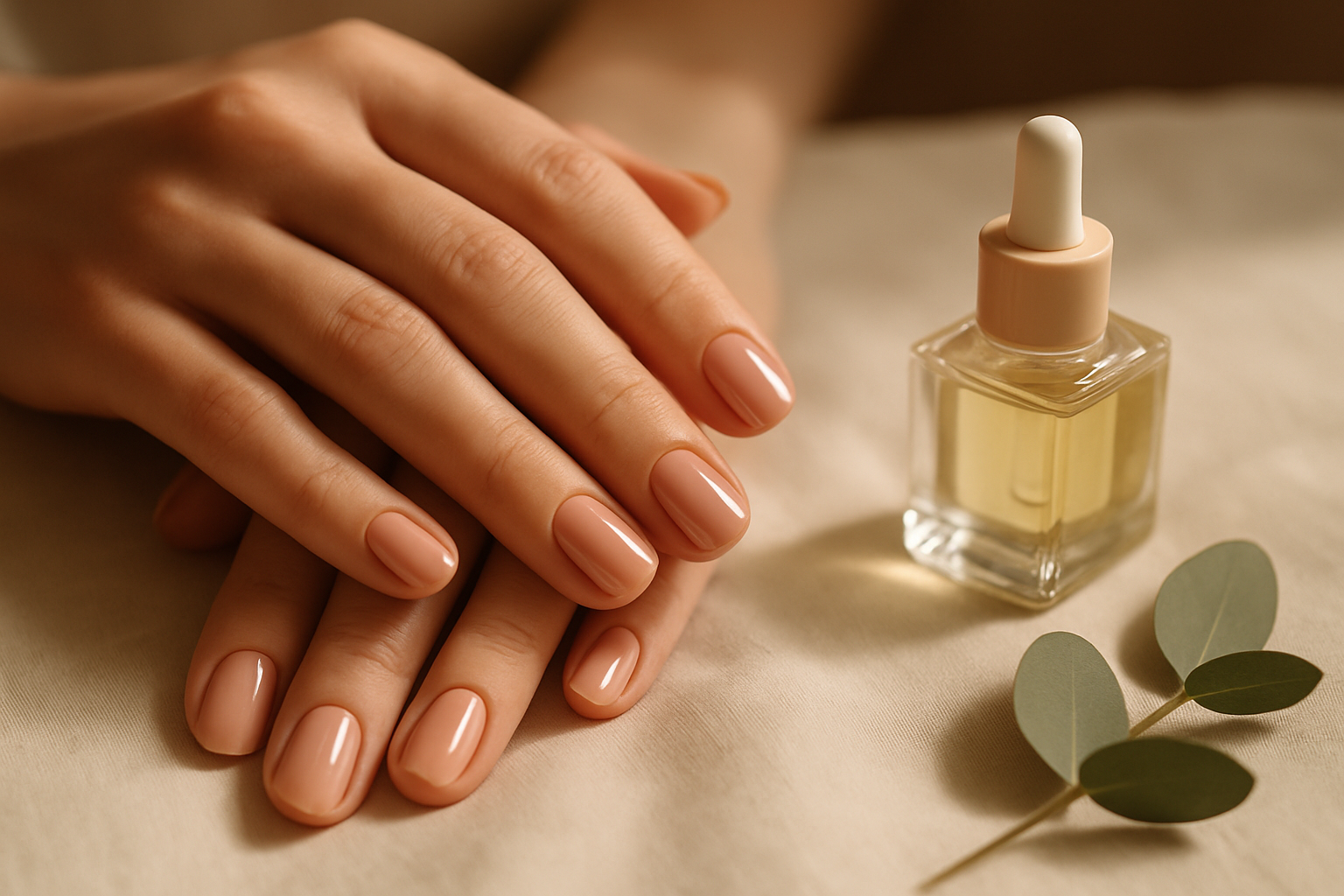
You leave the salon with ten perfect fingertips, and by day four one thumb has chipped, the index is lifting at the edge, and the colour already looks dull. Sound familiar? Most Lahore women blame the polish or the salon — but the real culprit is almost always the 72 hours after your appointment, and the daily habits that follow. A good manicure should hold its shine for 10–14 days (gel even longer). Here's exactly how to get there, from a salon that does this every single day.
Why Your Manicure Chips So Fast in Lahore
Lahore is a uniquely harsh environment for nails. Hard tap water strips moisture from the plate. Daily hand-washing with harsh soaps weakens the polish bond. Summer humidity swells the nail, winter dryness contracts it — both cause lifting at the edges. Add dishwashing without gloves, hair-oiling sessions, and the general dust of the city, and polish simply doesn't stand a chance unless you treat it with intention.
The fix isn't one magic product. It's a short sequence of smart habits in the first three days, then a maintenance rhythm you can actually keep up with.
The First 24 Hours: Non-Negotiables
This window decides everything. Even gel polish, which cures hard under UV, continues to settle for several hours. Regular polish is still soft underneath for a full day.
In the first 2 hours after your manicure:
- No hot water. Showers, dishes, even hand-washing in warm water softens the top coat and leaves dents.
- No tight gloves, pockets, or textured fabric. Smudges happen under cotton, not just in open air.
- Skip the gym. Grip, sweat, and friction are a polish death sentence.
For the next 22 hours:
- Apply a drop of cuticle oil before bed. This sounds counterintuitive, but oil flexes with the nail and prevents micro-cracks at the base.
- Sleep on your back if you can, or at least keep hands outside the blanket. Pillow friction creates those mysterious "sheet marks."
- Avoid any product with acetone, alcohol, or strong fragrance near your fingertips — including hand sanitiser, which is the single biggest polish killer in a working woman's day.
If you booked a professional Medi/Pedi at Rabbiz, your technician will have sealed the free edge (the underside tip of the nail) with top coat — this one trick alone can double wear time, so don't scrub it off.
Daily Habits That Protect Your Polish
Wear gloves. Actually wear them.
Rubber gloves for dishes, cotton-lined gloves for cleaning, and ideally a pair kept near the kitchen sink. Water is enemy number one — not because it chips polish directly, but because it causes the nail plate to swell and the polish to lift at the cuticle and sidewalls. This is where every chip starts.
Re-seal every 3 days
Keep a small bottle of clear top coat at home. Every third day, apply one thin layer over the entire nail, wrapping the free edge. This refreshes the shine, re-bonds any micro-lifts, and can genuinely take a 7-day manicure to day 14.
Cuticle oil is not optional
The cuticle is the seal between your nail and the world. When it's dry and cracked, polish lifts from the base. One drop of jojoba or almond oil, massaged in morning and night, keeps that seal intact. In Lahore's dry winter months, make it three times a day.
Stop using your nails as tools
Opening soda cans, peeling stickers, scratching labels off bottles, picking at dried food on dishes — every one of these creates a stress fracture under the polish. Use the pad of your finger, a spoon, or a coin.
What You Eat and Drink Shows on Your Nails
Nails are keratin, like hair. They need protein, biotin, iron, and healthy fats to grow strong enough to hold polish without flexing and cracking. A few genuinely useful additions:
- Eggs, lentils, and chicken for keratin building blocks
- Walnuts and flaxseed for omega-3s that reduce brittleness
- Water — properly hydrated nails are flexible nails, and flexible nails don't chip polish when you bump a door frame
Iron deficiency is extremely common among women in Pakistan and shows up as spoon-shaped, peeling, or vertically ridged nails. If your polish lifts no matter what you do, it may be worth a simple blood test rather than another bottle of base coat.
When to Book Your Next Appointment
For regular polish, 10–14 days is a realistic ceiling. For gel, you can push to 3 weeks, but regrowth at the base will start to look obvious around day 18. Don't peel. Ever. Peeling gel strips the top layer of your natural nail and leaves you with weeks of thin, bendy, polish-resistant nails that need serious recovery.
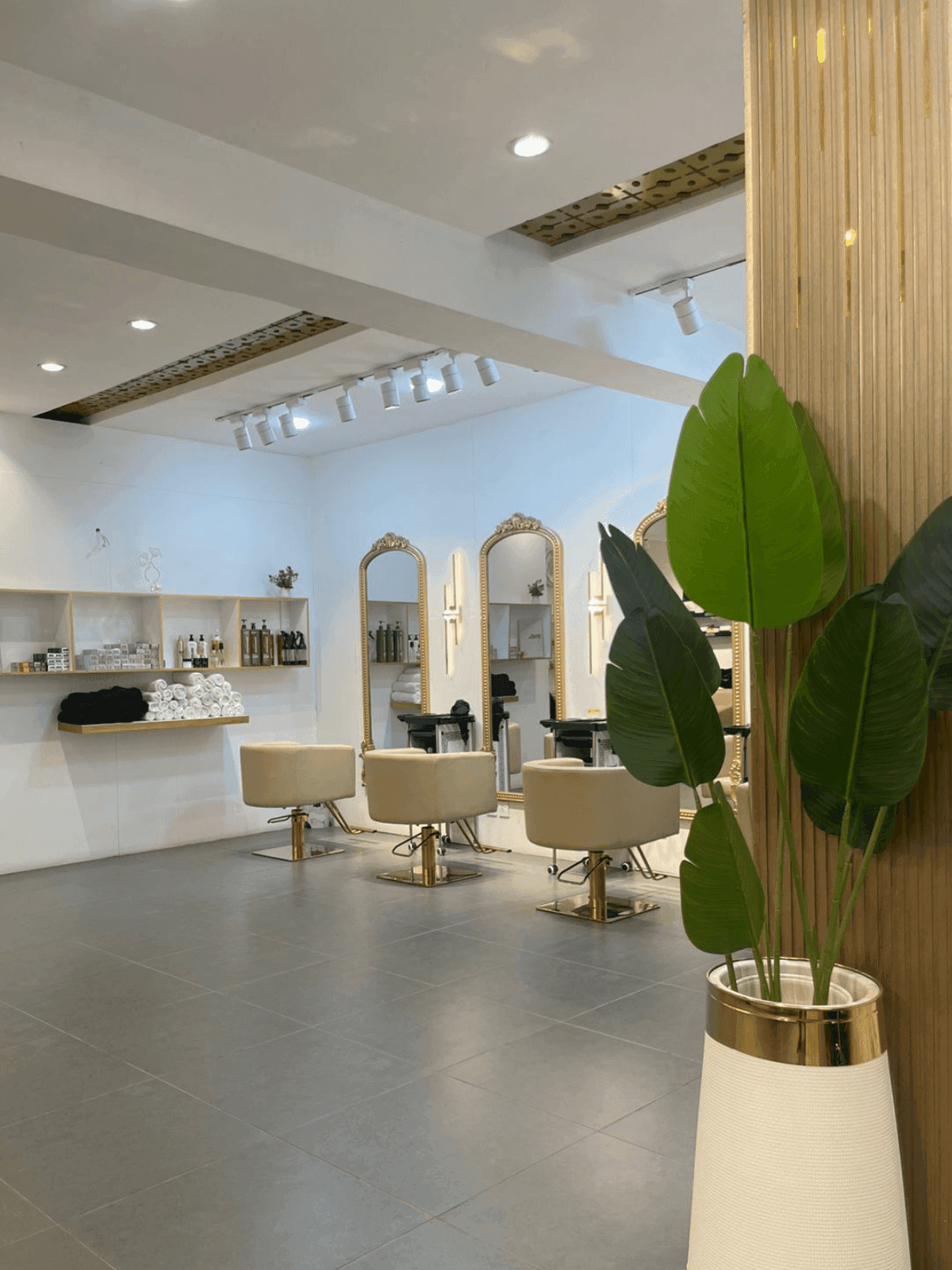
At Rabbiz Salon in DHA Phase 3, we strongly recommend proper removal — a soak-off takes 15 minutes and keeps your nail bed intact for the next manicure. Pair it with a hand massage and cuticle treatment through our Nails service and you've reset the canvas properly.
If your hands have taken a beating from winter dryness or wedding-season chemicals, a longer Medi/Pedi session with exfoliation and hydrating mask is worth the extra 30 minutes. Think of it as the facial your hands have been begging for.
Small Luxuries That Make a Big Difference
- A glass nail file instead of emery board — seals the edge instead of fraying it
- A silk or satin pillowcase — reduces friction overnight
- SPF for hands — UV yellows polish and ages skin faster than almost anywhere else on the body
- A dedicated cuticle oil pen in your handbag for touch-ups after every hand-wash
These aren't gimmicks. They're the quiet reasons some women always seem to have perfect nails while the rest of us are hiding chipped thumbs in meetings.
Treat your manicure like the small investment it is — ten minutes of aftercare a day, a bottle of top coat on the dresser, gloves at the sink — and you'll stop paying for a new set every week. You'll also, almost accidentally, end up with the strongest nails you've had in years.