· 5 min read
Nail Care After a Manicure: Make Polish Last Twice as Long
Your manicure doesn't have to chip by day four. Here's exactly how to protect your polish, extend a gel set, and keep your hands salon-fresh in Lahore's climate.
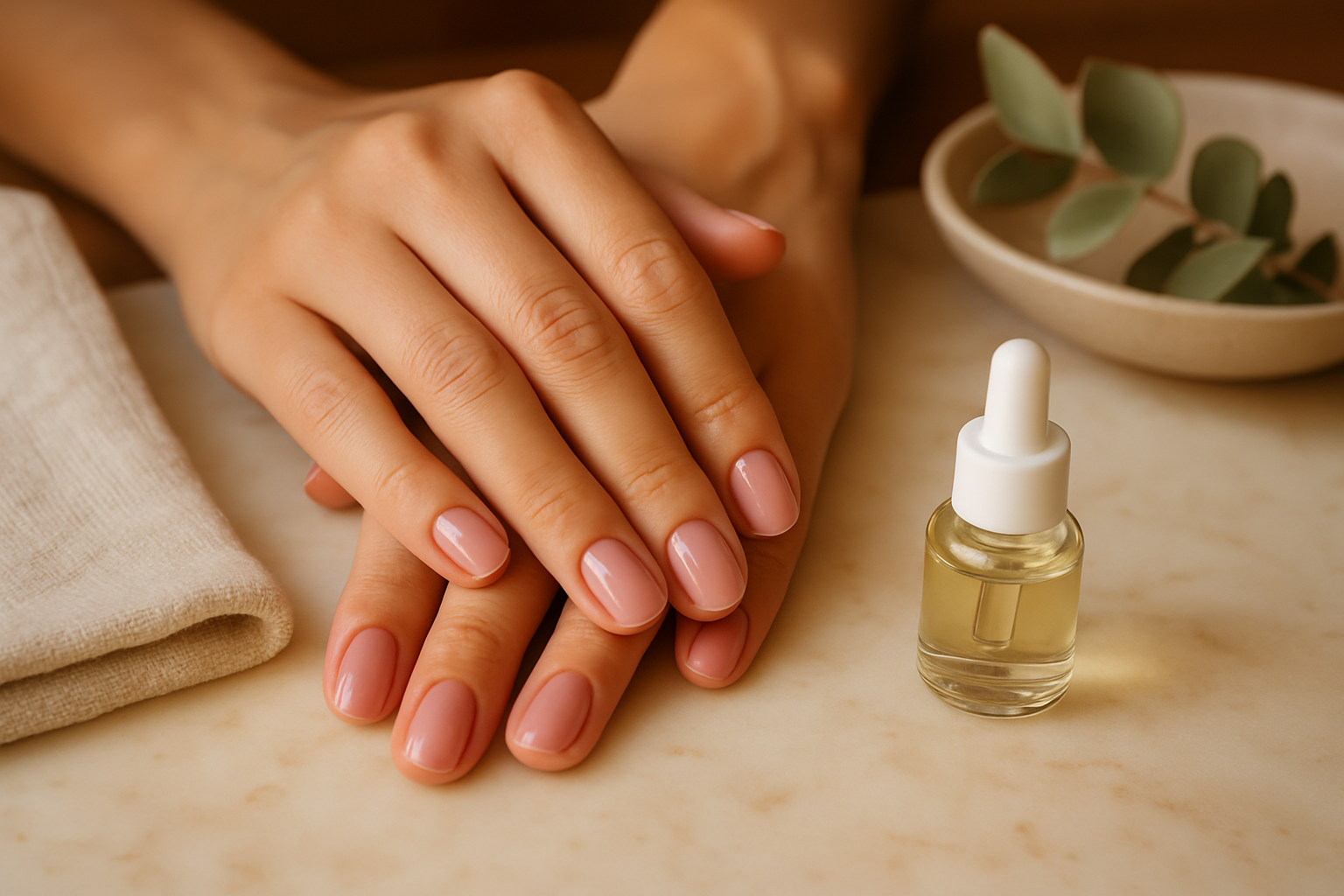
You walk out of the salon with perfect nails — glossy, uniform, that little confidence boost every time you reach for your coffee. Then by day four, there's a chip on your thumb. By day six, the free edge is peeling and you're picking at it in traffic on Jail Road. Sound familiar?
Here's the truth most clients don't hear: at least 70% of how long a manicure lasts depends on what you do after you leave the salon chair. The technician's job is prep, product and application. Your job is protecting that investment through hand-washing, cooking, gym sessions, and Lahore's hard tap water. Do it right and a regular polish comfortably holds 8–10 days, while a gel set can run a full three weeks without lifting.
This is the aftercare routine we give clients at Rabbiz — the same one Rabia walks brides through before their nikkah week.
The First 24 Hours Decide Everything
The biggest mistake women make is treating fresh polish like it's already dry. Even after the salon's quick-dry drops or LED cure, the layers underneath continue to harden for 12–24 hours. This is called full cure, and it's when your polish is most vulnerable to denting.
What to avoid in the first day
- Hot showers and hot water washing up. Heat softens the polish and creates micro-shifts you can't see, which become chips later.
- Tight gloves, tight sleeves, jewellery pulled on and off. Any friction against the nail surface within the first few hours will leave a mark.
- Sleeping too soon. If your appointment finishes at 10 pm and you're in bed by 11, expect sheet marks on your thumbs. Give it at least three hours of upright, careful behaviour before sleep.
- Handbags with metal zips. Fishing keys out of a cluttered bag is a classic chip cause. Keep essentials in an outer pocket for the first evening.
If you booked a Medi/Pedi session in the evening, try to have dinner before your appointment. Cutlery, hot plates and washing hands after eating are all enemies of fresh polish.
Cuticle Oil Is Not Optional — It's the Whole Game
If you take one thing from this article, take this: cuticle oil applied twice a day will double the life of your manicure. This isn't marketing. It's chemistry.
Polish shrinks and becomes brittle as the nail bed dehydrates. A hydrated, flexible nail bends slightly with impact and the polish bends with it. A dry, brittle nail cracks — and so does the polish on top.
How to use cuticle oil properly
- Apply morning and night, minimum. A single drop rubbed into each cuticle and along the sidewalls.
- Massage it in for 20 seconds. This isn't just about the oil sitting on top — you want it absorbed into the matrix where new nail grows.
- Don't wipe it off. Let it soak. If you're going to bed, even better.
- Reapply after every hand wash if you can. Wash strips oil; you need to put it back.
Jojoba-based oils absorb best because their molecular structure is closest to your skin's natural sebum. Almond and vitamin E blends are also excellent. Avoid anything perfumed heavily — fragrance ingredients can actually dry the nail plate.
Protect Against Water — Especially in Lahore
Lahore's tap water is hard. Very hard. The mineral content leaves residue on everything from your hair to your nails, and prolonged water exposure is the fastest way to lift polish from the free edge.
Practical habits that make a difference
- Wear gloves for dishwashing and any cleaning with chemicals. Non-negotiable. Detergent breaks down the top coat within a week if you're washing dishes bare-handed daily.
- Dry your hands thoroughly after every wash. Water trapped under the free edge softens the seal.
- Skip the long hot bath for the first three days. Shower quickly instead.
- In the pool? Chlorine is polish's worst enemy. If you swim regularly, plan manicures around it, not through it.
Clients who come in for our Nails service and stick to gloves-for-washing alone tell us they see a full week extra of wear.
Top Coat Refresh — The Trick Salons Don't Always Tell You
A thin layer of top coat every 3–4 days can genuinely double your manicure's life. It reseals any hairline cracks, restores shine, and adds a fresh protective layer over the free edge — which is where 90% of chipping starts.
How to refresh at home
- Use the same brand of top coat as your salon uses if you can, or a quality quick-dry top coat. Ask your technician what she applied.
- Cap the free edge — that means running the brush along the tip of your nail, not just the surface. This is the single most important stroke.
- Apply thin. A thick refresh coat will bubble and peel.
- Do it before bed so it fully sets overnight.
For gel manicures, obviously you can't cure a regular top coat properly — but a non-cure gel-sealer top coat exists and works beautifully for at-home touch-ups between sets.
Filing, Not Cutting — And Only in One Direction
If a nail catches or a small chip appears, resist the urge to peel or cut. Peeling takes layers of the natural nail with it and leaves your nail bed thin and painful for weeks.
- Keep a glass or fine crystal file in your bag.
- File in one direction only — back-and-forth sawing causes the layers to separate and split.
- Smooth any snag immediately so it doesn't catch on hair or fabric and rip the polish clean off.
For gel sets specifically, if you see lifting near the cuticle, don't pick. Book a fill or a soak-off with a professional. Peeling a gel manicure can take three months of nail growth to recover from.
When to Book Your Next Appointment
Regular polish: every 10–14 days. Gel: every 2.5 to 3 weeks — not longer, because as your nail grows out, the stress point moves and the gel starts to crack near the cuticle.
Pair your nail visit with something else and it becomes an actual ritual rather than a chore. A Facial or a quick Polishing session while your gel cures is how a lot of our regulars in DHA Phase 3 structure their self-care hour. Efficient, and you leave feeling completely reset.
Good nails aren't magic — they're maintenance. Ten seconds of oil twice a day, gloves for the sink, a top coat refresh mid-week. Do those three things and you'll never go back to chipping by Thursday.