· 5 min read
Post-Wedding Hair Recovery: Repair Damage From Styling
Weeks of heat tools, extensions, hairspray and tight updos leave hair fragile after the wedding. Here's how to nurse it back to shine and strength.
The wedding ends, the guests leave, and one morning you run your fingers through your hair and feel it — the dryness, the snapping strands near the crown, the frizz that never used to be there. Weeks (sometimes months) of blow-drying, curling wands, tight juras, extension clips, hairspray, and multiple washes to remove that hairspray have quietly taken their toll. The good news: with a thoughtful 8–12 week recovery plan, most hair bounces back beautifully. Here's exactly how we walk brides through it at the salon.
What Bridal Styling Actually Does to Your Hair
Understanding the damage helps you fix it. Bridal prep typically layers three types of stress on the hair shaft at once:
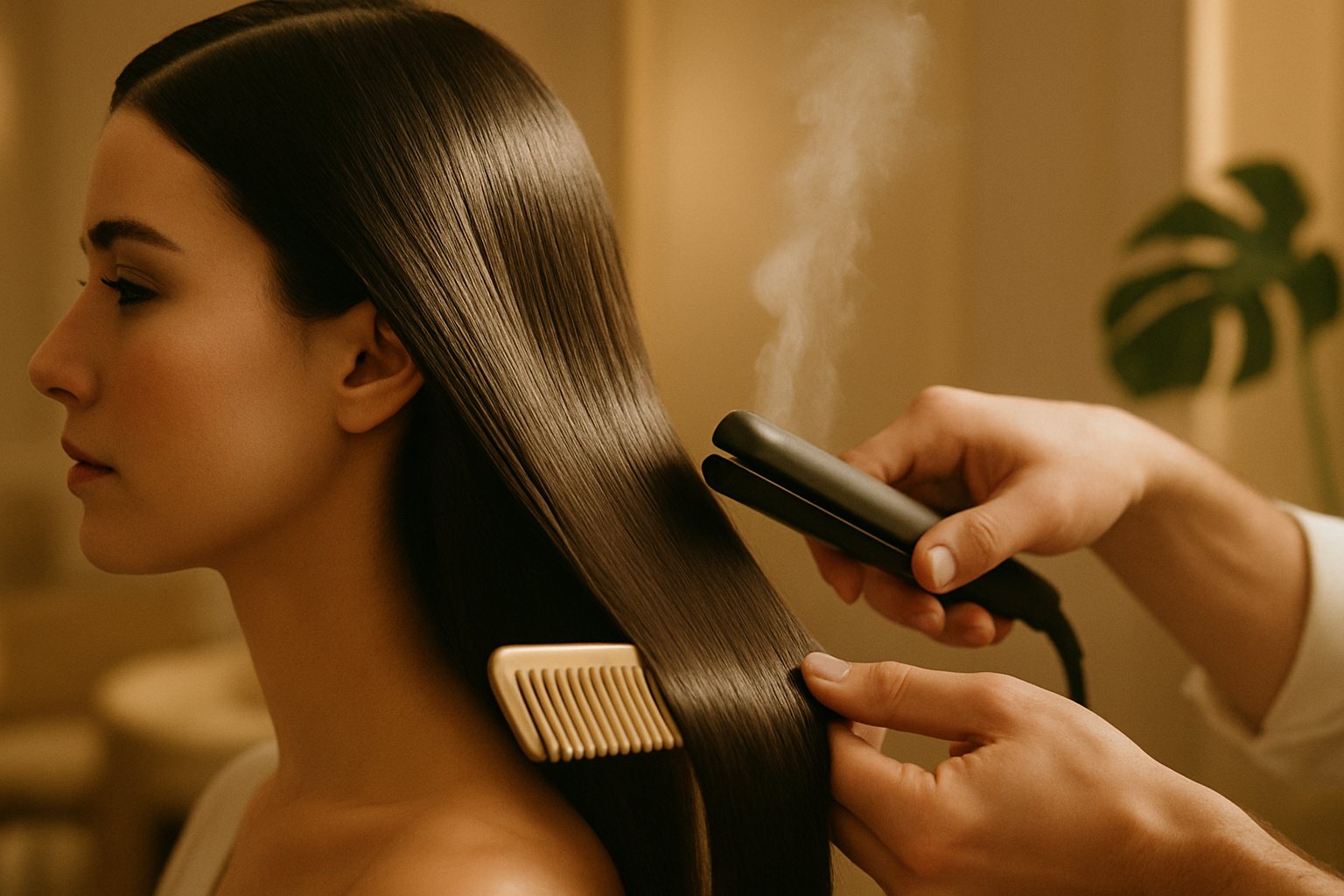
- Thermal damage from repeated 180–210°C curling and straightening (mehndi, dholki, nikkah, barat, valima, and every function in between).
- Mechanical damage from tight backcombing, pinning, extension clips or tapes pulling at the roots, and rough brushing to remove product.
- Chemical residue from hairspray, setting sprays and dry shampoo, which coat the cuticle and often need harsh clarifying to remove.
The result is usually a mix: mid-lengths that feel like straw, roots that feel thinned from tension, and a hairline where baby hairs have snapped off from repeated pinning. This is normal — and reversible.
Week 1–2: Reset and Rehydrate
The first two weeks are about calming the hair down, not aggressive fixing. Aggressive protein masks on freshly-stressed hair can actually make it snap more.
Start with a proper clarifying wash
One gentle clarifying shampoo — not a stripping one — to remove built-up spray, oils and product. Follow immediately with a rich, slip-heavy conditioner and leave it on for a full ten minutes under a warm towel.
Book a hydrating hair spa, not a keratin
This is the single most common mistake we see. Brides come in two weeks after the wedding asking for keratin to "fix" the damage. Keratin smooths, but it does not repair — and applying it on already-fragile hair can worsen breakage. A proper hydrating hair treatment with steam is what your hair actually needs first. We usually recommend two sessions, two weeks apart, before considering anything smoothing.
Sleep on silk or satin
Cotton pillowcases wick moisture out of already-thirsty hair and increase friction. A satin pillowcase or a loose silk scrunchie for a low, loose braid at night makes a visible difference within a fortnight.
Week 3–6: Rebuild Strength Gradually
Once the hair feels softer and less brittle, you can introduce protein — carefully.
- Alternate moisture and protein masks. One week a deep moisture mask, the next a mild protein or bond-repair mask. Doing both every wash is overkill and can cause protein overload, which feels exactly like damage.
- Oil the mid-lengths and ends the night before washing. A light blend of argan and almond, warmed between your palms, worked from ears down. Avoid heavy coconut oil on the scalp if you're prone to dandruff in Lahore's climate.
- Trim, even if it hurts. A dusting of half an inch removes the split ends that will otherwise travel up the shaft. You will not lose noticeable length, and everything below the cut will look thicker immediately.
- Retire the hot tools for now. Six weeks minimum. If you must style, use a heat protectant and stay under 150°C.
This is also a good window for a scalp-focused treatment. Extensions and tight styling often leave the scalp inflamed and the follicles sluggish; a good salon scalp detox with massage improves circulation and helps the new growth come in stronger.
Week 6–12: Smoothing, Colour Correction and Long-Term Care
By now your hair should feel meaningfully softer and less prone to snapping. This is when we discuss the bigger interventions with our DHA Phase 3 clients.
If frizz is your main complaint
A gentle keratin or a botox-style smoothing treatment is now safe to consider. The hair has enough integrity to bond properly and hold the result. Our team will do a strand test first and walk you through whether keratin, cysteine or a milder smoothing suits your texture — see our hair services menu for options and let the stylist recommend, don't self-prescribe.
If colour looks dull or brassy
Bridal photos often push brides toward warm tones that oxidise into brass by month two. A gloss or toner is far kinder than re-colouring. Book a consultation before committing to a full colour job on recovering hair.
If you loved your extensions length
Give your own hair at least eight weeks of recovery before reinstalling. When you're ready, tape-ins and micro-rings are gentler than clip-ins for daily wear. Our hair extensions team fits them in a way that distributes weight evenly so you don't repeat the tension damage from your wedding.
The Daily Habits That Actually Move the Needle
Salon treatments do maybe 40% of the work. The rest is what you do between visits.
- Wash with lukewarm water, rinse with cool. Hot water in Lahore winters especially dehydrates the shaft.
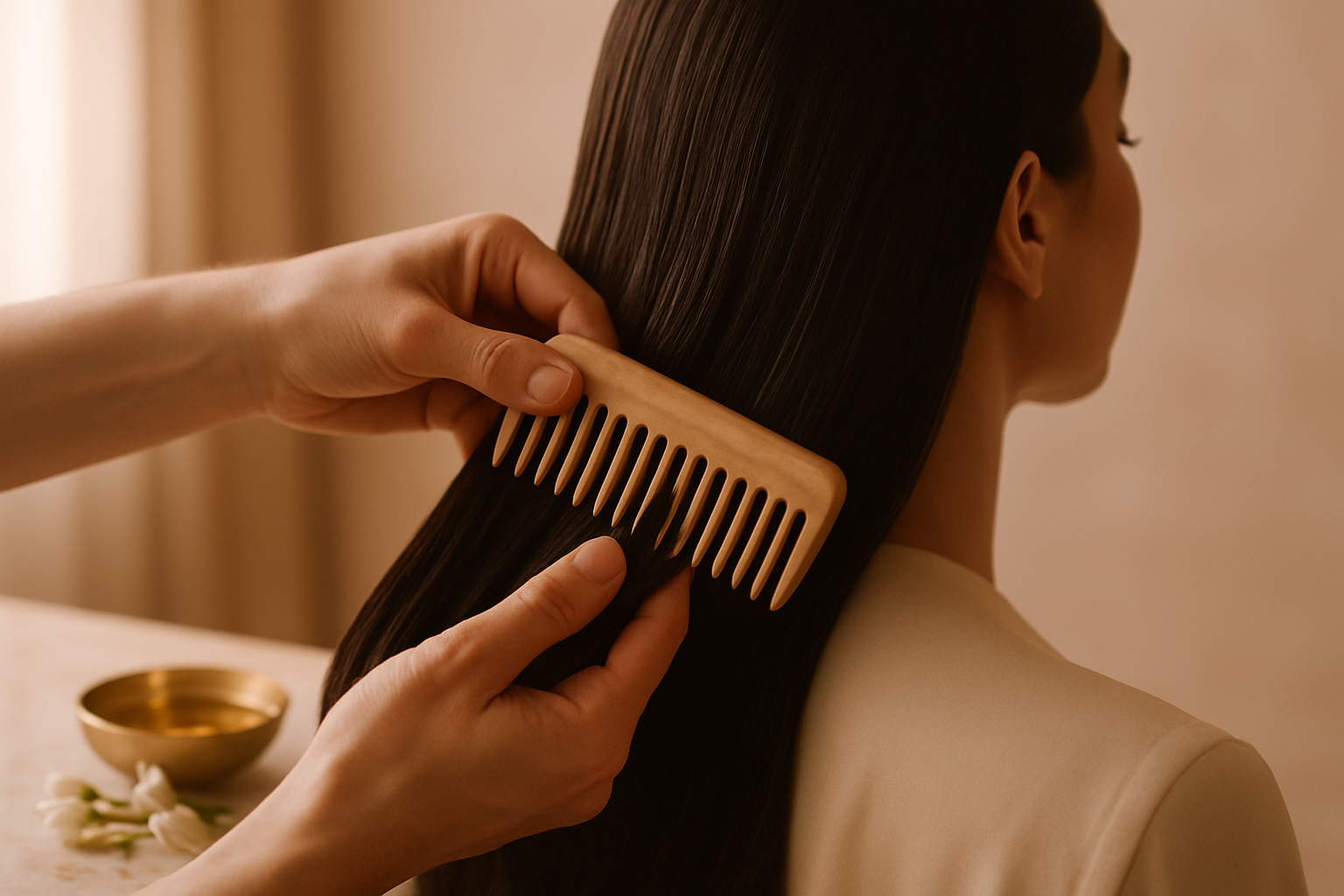
- Detangle from the ends up with a wide-tooth comb, never a brush on wet hair.
- Air-dry to 70% before any heat, and use a microfibre towel or an old cotton t-shirt instead of rough turban-drying.
- Eat for your hair. Protein at every meal, iron-rich foods (many post-wedding brides are quietly anaemic from stress and diet chaos), and 2.5 litres of water daily.
- Manage stress. Cortisol post-wedding is real. A monthly body massage is not indulgent — it genuinely helps shedding calm down.
When to See a Trichologist Instead of a Stylist
Most post-wedding hair issues resolve with the routine above. But if after 12 weeks you're still seeing handfuls of hair in the shower, visible scalp at the parting, or bald patches near the temples, that is beyond styling damage. Have your ferritin, thyroid and vitamin D checked. Post-wedding telogen effluvium — hair shedding triggered by stress — is common around three months after the event and usually reverses on its own, but underlying deficiencies need medical attention, not another mask.
Recovery isn't glamorous, but it is straightforward. Be patient with your hair the way you were patient with your bridal prep, and by your first anniversary photos, it will look better than it did on the wedding day.