· 5 min read
Post-Wedding Hair Recovery: Repairing Styling Damage
Weeks of hot tools, sprays, extensions and tight buns leave real damage behind. Here's a stylist-led recovery plan to bring your hair back to life after the wedding.
The photographs are edited, the joras are folded away, and your scalp is finally free of pins. And then you look in the mirror and notice it — hair that feels straw-like at the ends, midlengths that snap when you brush, a suspicious amount of shedding in the shower, and a hairline that looks thinner than it did three months ago. If this is you, breathe. Post-wedding hair damage is one of the most common concerns we see at the salon in DHA Phase 3, and it is very fixable — but it needs a real plan, not just a bottle of serum from a chemist.
Here is exactly how we approach recovery for our brides once the festivities settle down.
Why Your Hair Feels So Different After the Wedding
Most brides underestimate how much cumulative stress their hair absorbed in the run-up. It is rarely one thing — it is the stack.
- Heat, repeatedly. Blow-dries for every dholki, curling wands for the mehndi, flat-ironing for the barat. Cuticles lift, moisture escapes, ends split.
- Product build-up. Setting sprays, dry shampoo, hairspray layered over gel — often not washed out properly between events.
- Tension styling. Tight low buns, gajras pinned in the same spot, extension clips and heavy dupatta pulls all cause traction stress along the hairline and nape.
- Colour and smoothing done close together. Many brides squeeze a keratin, a global colour and highlights into the same six weeks. Chemically, that is a lot.
- Telogen effluvium. The stress, the diet changes, the sleep deprivation — hormonally, your body often responds with delayed shedding six to twelve weeks after the wedding. This one surprises people the most.
Understanding what damaged your hair matters, because the fix for chemical over-processing is very different from the fix for traction thinning.
The First 30 Days: Stop Adding to the Damage
Before you chase repair, stop the bleeding. For the first month post-wedding, we ask brides to do the following:
- Put the hot tools down. Air-dry wherever possible. If you must blow-dry, use the cool setting and a heat protectant.
- Switch to a sulphate-free, gentle shampoo. Your scalp has been through it — harsh cleansers strip what little moisture is left.
- Wash out everything properly. Two lather cycles for the first few washes to clear lingering hairspray and setting product.
- Sleep on silk or satin. It reduces friction breakage on already fragile midlengths.
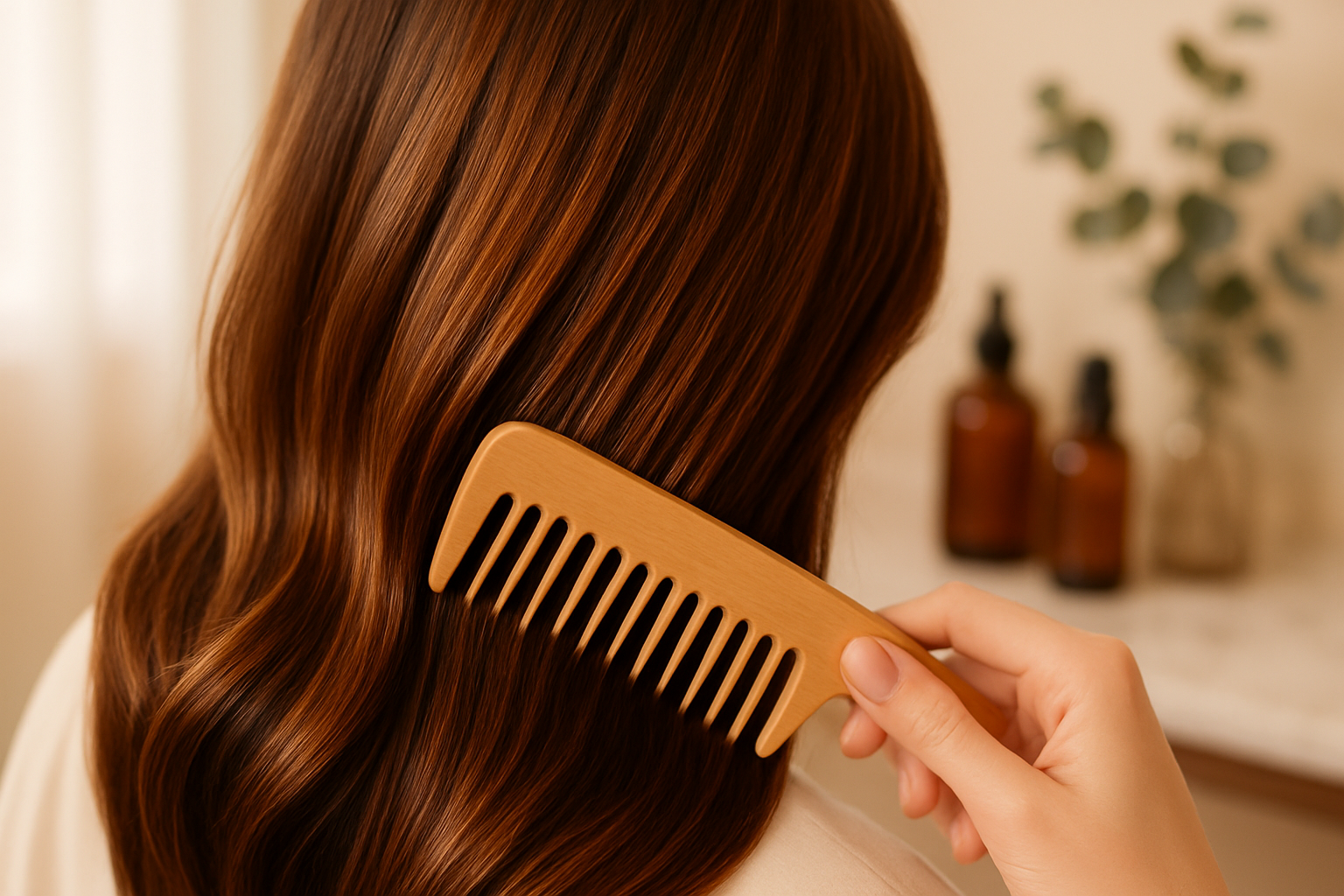
- Loose styles only. No tight ponytails, no wet buns, no aggressive brushing. A wide-tooth comb, always starting from the ends.
This isn't glamorous advice, but it does more than any expensive serum in the first four weeks.
In-Salon Treatments That Actually Repair
Once you have given your hair a breather, targeted salon work makes a visible difference. Not every "deep conditioning" is created equal — here is what we actually recommend for post-wedding recovery, and why.
Bond-Building Treatments
If your damage is from bleach, highlights or a smoothing service, you need something that rebuilds the internal disulphide bonds — not just something that coats the hair. Professional bond repair systems layered into a treatment session are the single most useful thing we do for chemically compromised brides. Book these as part of a proper hair treatment session rather than a quick add-on.
Protein–Moisture Balance
Damaged hair usually needs both, but in the right order. Too much protein on already brittle hair makes it snap; too much moisture without protein makes it limp and mushy. A good stylist will assess your hair's porosity and elasticity in the chair and alternate treatments across three to four sessions. This is where a proper hair care consultation beats guessing at home.
Scalp Cleansing and Massage
Months of product residue, sweat under heavy dupattas, and stress-tight scalp muscles all restrict healthy regrowth. A clarifying scalp treatment followed by a slow, pressure-point massage improves circulation and genuinely helps new hair come in stronger. It also feels incredible after months of wedding chaos.
A Real Haircut
We know — nobody wants to lose length after growing it out for the wedding. But split ends travel up the shaft. Half an inch off, dusted properly, will make your existing hair look thicker and behave better within a week.
Your At-Home Recovery Routine
Salon work does about 40% of the job. The rest is what you do between visits.
- Oil twice a week, but do it right. Warm a light oil (argan, almond, or a blend), apply to scalp and midlengths, leave for one to two hours, then double-shampoo out. Overnight oiling is fine if your scalp tolerates it, but not for oily scalp types.
- A weekly mask. Alternate a protein-lean mask one week with a moisture-rich mask the next. Focus application from ears down.
- Leave-in every wash. A lightweight leave-in cream or milk seals the cuticle while hair is damp and prevents that brittle-when-dry feeling.
- Heatless styling. Silk scrunchie buns, braided waves overnight, or a rough air-dry with mousse — your hair will thank you for the three-month break.
- Eat like you mean it. Protein, iron, zinc, biotin-rich foods. Wedding-season diets are notoriously bad; recovery diets should not be.
When to Worry About the Shedding
Some shedding two to three months after the wedding is normal and almost always reverses. But see a trichologist or your GP if:
- Shedding continues beyond four months
- You see visible scalp at the crown or a widening parting
- Your hairline is receding at the temples
- You have other symptoms — fatigue, brittle nails, cycle changes
Often it is iron, vitamin D or thyroid — all easily tested and treated. Do not spend six months on expensive serums when a blood test would have told you the answer.
A Realistic Timeline
Hair grows roughly half an inch a month. Repaired hair does not mean regrown hair — it means the strands you have look and behave healthier. Expect visible softness and shine within three to four weeks of consistent care. Expect real regrowth of shed hair to become noticeable around the four-to-six-month mark. Brides who stay consistent are usually back to their pre-wedding hair, and often better, by their first anniversary.
Be patient with it. Your hair carried you through one of the biggest events of your life. Give it the same care back.