· 5 min read
Sugar Wax vs Fruit Wax vs Traditional Wax: Gentlest Pick
Sugar, fruit and traditional wax all promise smooth skin — but they behave very differently on Pakistani skin. Here's how to pick the gentlest option for your body, face and skin type.
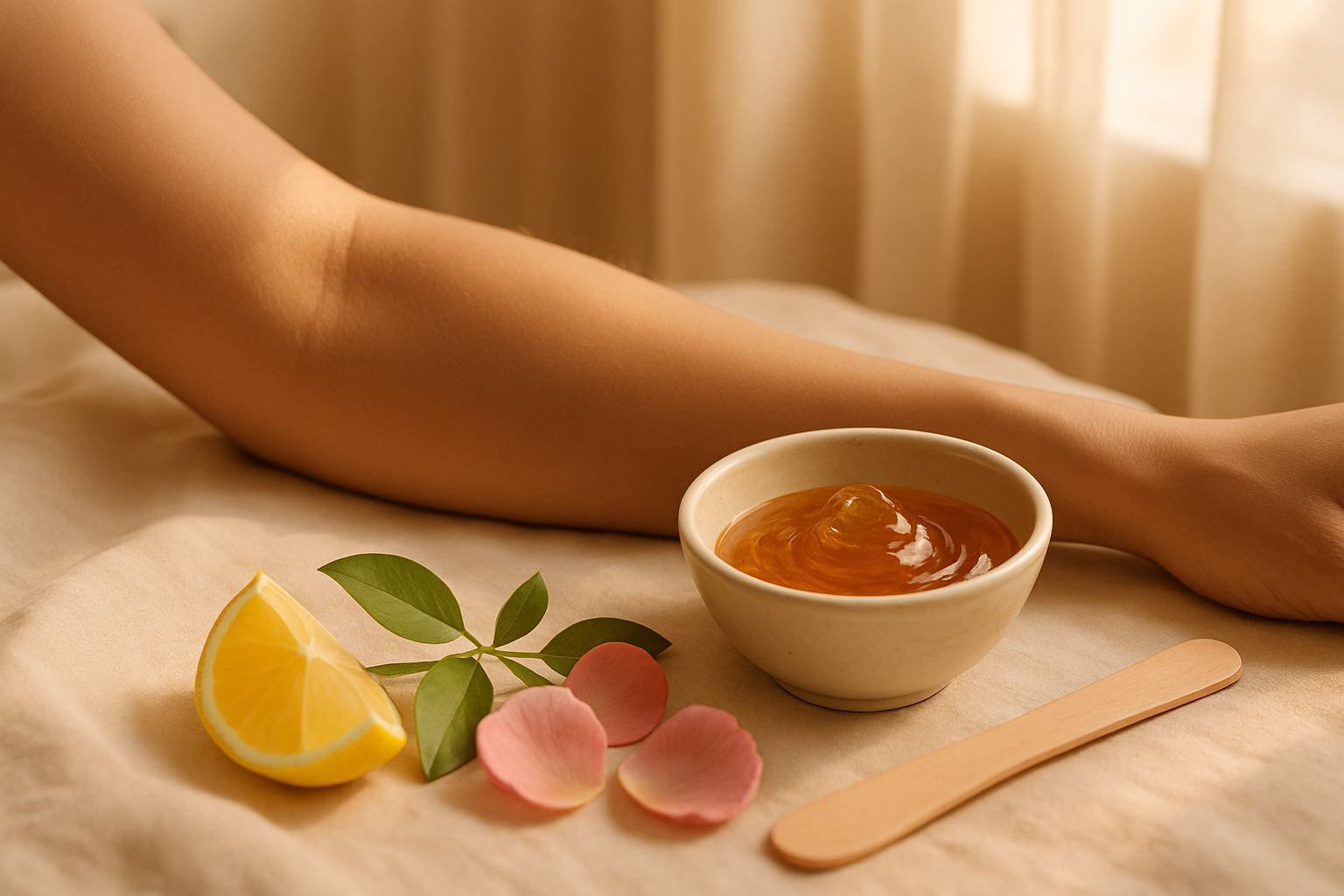
Waxing is one of those rituals every Lahori woman has an opinion on — the pain, the ingrowns, the way your skin behaves for days after. And in the last few years, the choice has multiplied. Where our mothers had one option (hot, honey-coloured, slightly terrifying), we now walk into a salon and get asked: sugar, fruit or traditional? The answer isn't marketing — it genuinely changes how your skin feels for the next two weeks. Here is an honest, ingredient-first breakdown of all three, so you can pick the gentlest one for your skin.
What Each Wax Actually Is
Before we talk about which one hurts less, let's be clear about what's in the pot.
Traditional wax in most Pakistani salons is a resin-based hot wax, usually made from beeswax, pine resin, sometimes paraffin, and added colour or fragrance. It's applied hot, sticks aggressively to the hair and the skin, and is pulled with strips.
Fruit wax is a softer variation of traditional wax with added fruit extracts — berry, plum, papaya — plus glycerin and vitamins. The base is still resin, but the temperature is lower and the formula is less sticky on the skin itself. It's kinder to sensitive areas without being a completely different chemistry.
Sugar wax (sugaring) is the outlier. Real sugar paste is just three ingredients: sugar, lemon juice, and water, cooked to a caramel. It's applied at body temperature (or barely warm), moulded by hand, and flicked off in the direction of hair growth — the opposite direction of regular waxing.
That last detail is the reason sugaring is so often called the gentlest option.
The Pain Question: Which One Actually Hurts Less
Pain in waxing comes from three things: heat, adhesion to skin, and the direction of pull.
- Traditional wax scores high on all three. It's hot, it grips skin as well as hair, and it's yanked against hair growth. On the bikini line or underarms, this is where women wince.
- Fruit wax softens two of those factors — lower heat, less skin adhesion — so it's noticeably more comfortable. Good middle ground for legs, arms and face.
- Sugar wax removes almost all of the heat variable, barely sticks to living skin cells (it binds to hair, not skin), and pulls with growth. Most clients describe it as a firm tug rather than a sting.
If you're waxing sensitive zones — upper lip, bikini, underarms — sugar is almost always the least painful. Our organic sugar waxing service was actually introduced at the salon because so many clients kept asking for a gentler option for full-body appointments.
Ingrown Hairs, Bumps and What Happens After
This is where the choice matters more than the waxing appointment itself.
Traditional wax
Because it pulls hair against the grain, hair can snap below the surface or grow back curled into the follicle. Combine that with Lahore's humidity and sweat, and you get the classic strawberry legs and bikini bumps. Not everyone reacts this way, but if you're prone to ingrowns, this is usually the culprit.
Fruit wax
Slightly better on the ingrown front because the formula is more pliable and grips hair more cleanly. The added vitamins and glycerin also soothe skin post-wax, so redness settles within an hour or two rather than a full day.
Sugar wax
Sugaring pulls hair in the direction of growth, which means the hair exits the follicle the way it naturally grew — dramatically fewer broken hairs, fewer ingrowns. It's also water-soluble, so any residue rinses off with warm water. No sticky patches, no oil needed to clean up. For women who've struggled with post-wax bumps for years, switching to sugar is often the single change that fixes it.
Matching the Wax to Your Skin Type
Gentleness isn't universal — it depends on what your skin is dealing with.
- Sensitive or reactive skin, eczema-prone, or very fair skin that flushes easily — go with sugar. The low temperature and minimal skin adhesion mean far less trauma.
- Dry, mature skin — fruit wax is a strong pick. The added emollients help, and it doesn't strip the skin the way hot resin can.
- Oily, resilient skin with coarse hair — traditional wax still has a place here. Coarse leg or arm hair sometimes needs the grip of a resin wax to lift cleanly in one pass.
- Acne-prone body skin (back, chest, bikini) — sugar, without hesitation. Fewer ingrowns means fewer breakouts along the waxed area.
- Facial waxing — the skin on your face is thinner and more vascular. We generally recommend either sugar or our fruit wax option for the face, never a heavy resin.
Practical Things That Change the Experience
The wax type matters, but so does how it's used. A few things worth knowing:
- Hair length: All three waxes work best when hair is around 5–7 mm. Too short and nothing grips; too long and the pull hurts more.
- Timing before your period: Skin is most pain-sensitive in the 3–5 days before your period. If you can, book the week after.
- Exfoliation: Two days before your appointment, gently exfoliate the area. Two days after, start again with a soft scrub 2–3 times a week. This is the single biggest ingrown preventer, regardless of wax type.
- Don't wax over active breakouts, sunburn, or freshly retinol-treated skin. Wait it out.
- Post-wax same day: skip the gym, hot showers, chlorinated pools, and heavy fragrance on the area. Follicles are open for about 24 hours.
So Which Is the Gentlest?
If we're ranking purely on how kind each one is to the skin: sugar wax is the gentlest, fruit wax is a close and lovely second, and traditional wax sits last — not because it's bad, but because it's the most aggressive of the three.
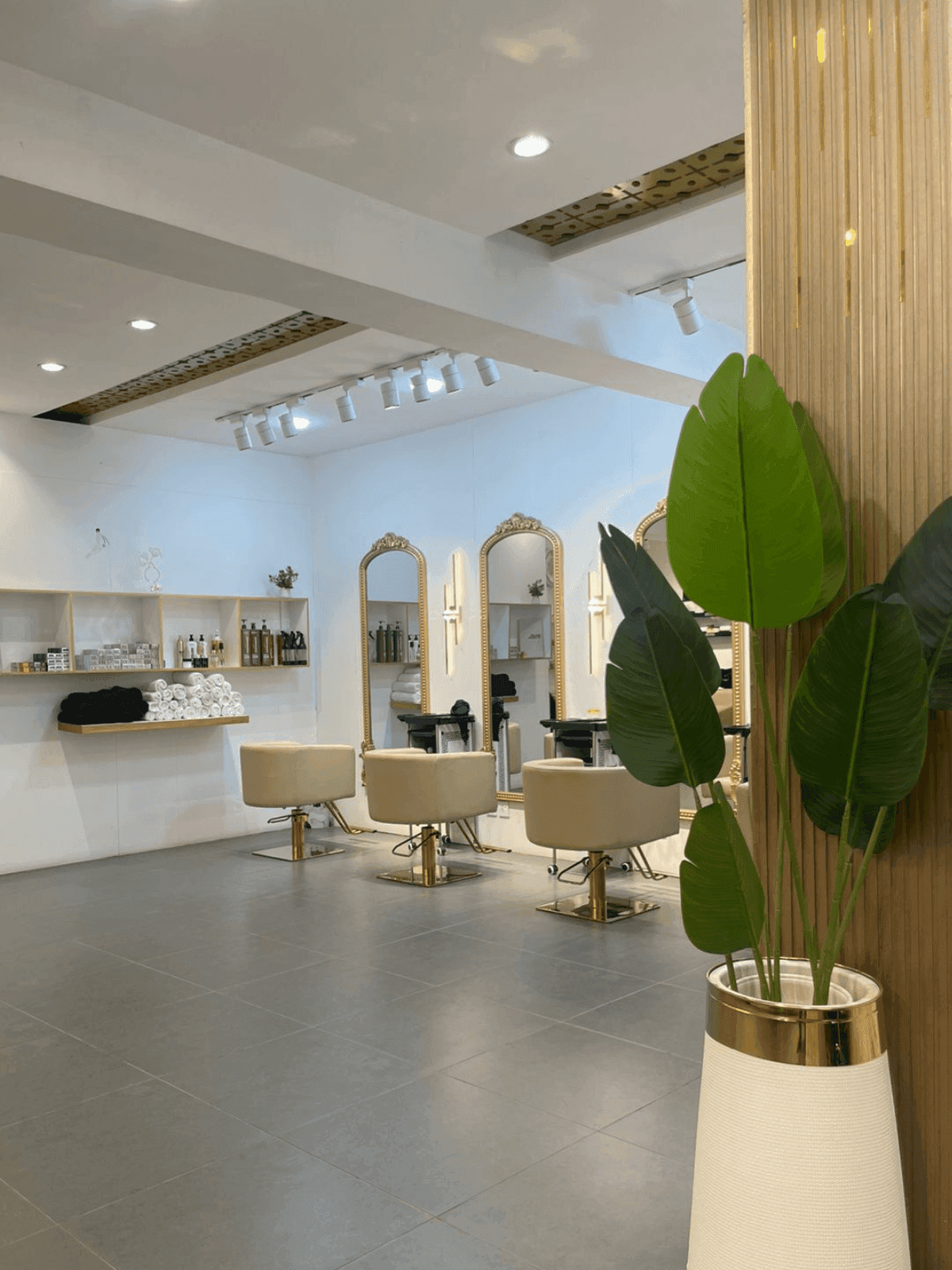
At the salon in DHA Phase 3, we usually suggest sugar for the bikini, underarms, and face, and let clients choose between fruit wax and sugar for arms and legs based on comfort and budget. If you're not sure, book a half-leg with one and a half-leg with the other in the same appointment — you'll feel the difference within a week. Pair your waxing with a proper body polishing session once a month and you'll notice ingrowns almost disappear.
Smooth skin shouldn't cost you a week of red, bumpy recovery. Pick the wax that respects your skin, and the results speak for themselves.