· 5 min read
Bridal Trial Dos and Don'ts: What to Ask Your Makeup Artist
Your bridal trial is where the entire wedding look is decided — here's exactly what to bring, what to ask, and the small mistakes that ruin the result.
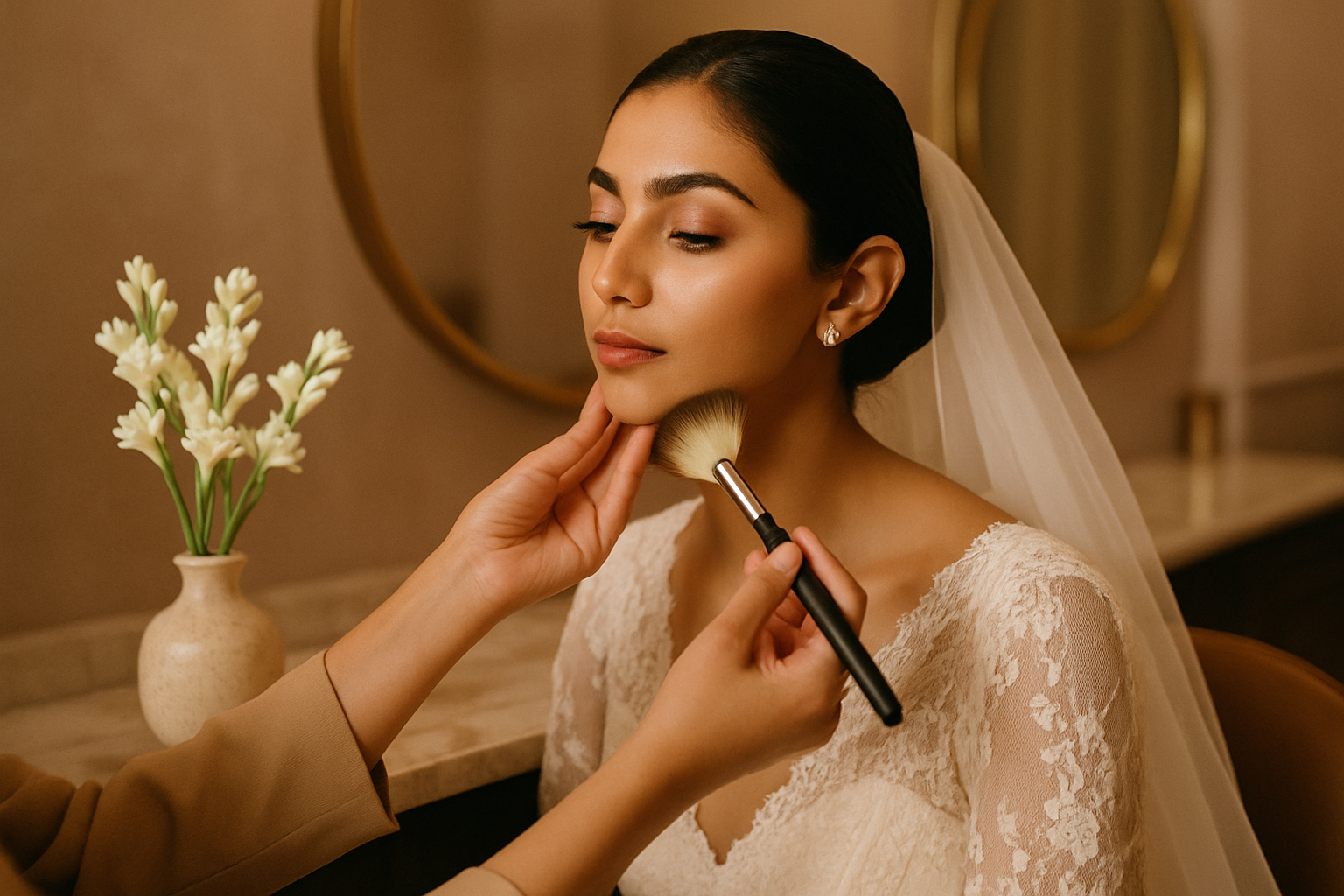
A bridal trial is the single most important appointment before your wedding week — more important than any dress fitting or jewellery pickup. It's the two hours where colour, coverage, contour and the entire mood of your bridal face gets decided. And yet most brides walk in with no plan, no reference and no idea what to ask. They leave either quietly disappointed or, worse, agreeing to a look they don't actually love because they didn't want to seem difficult.
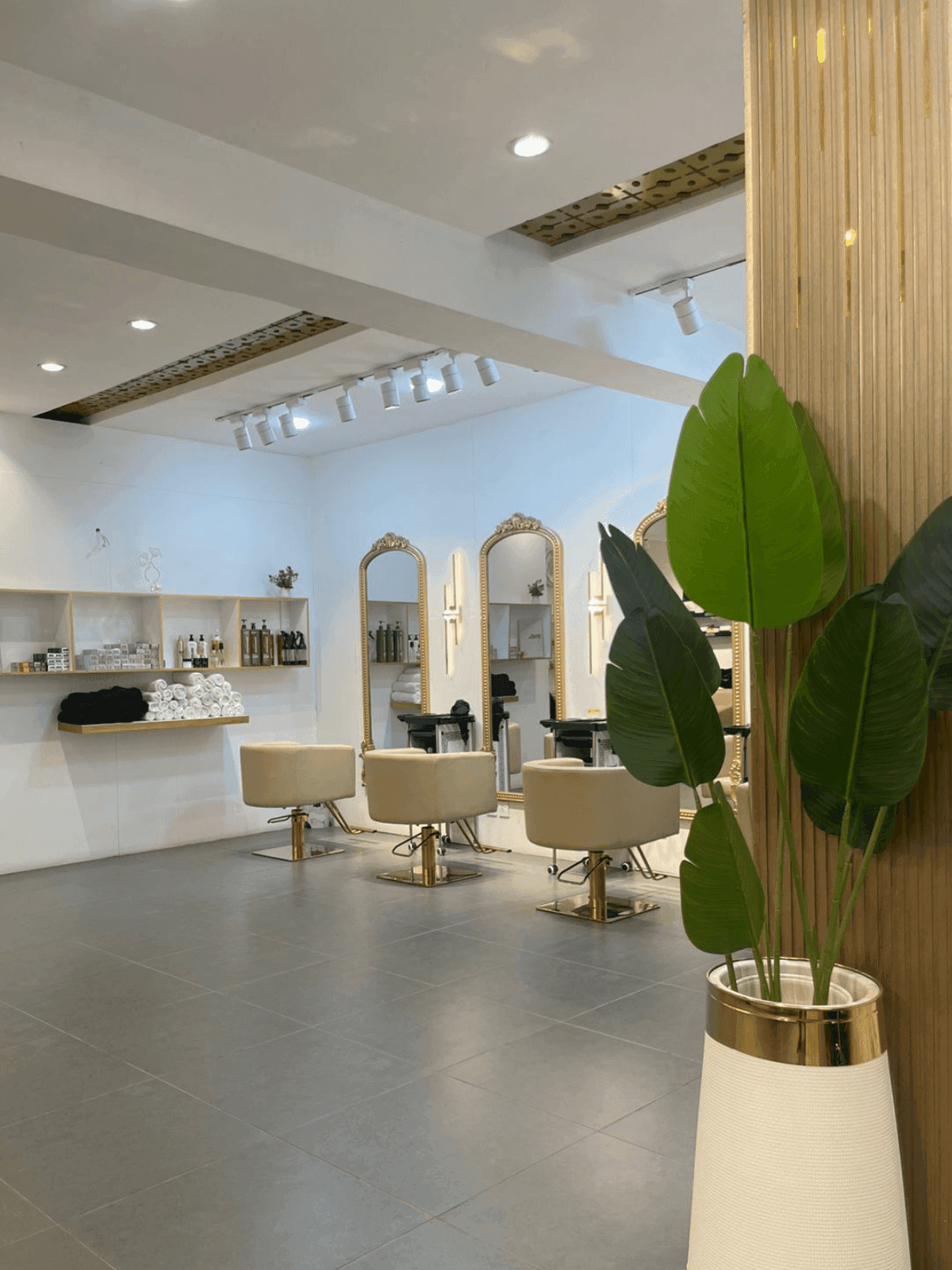
At Rabbiz Salon in DHA Phase 3, we run around 40–50 bridal trials every season, and the brides who get the best results are always the ones who treat the trial like a working meeting, not a photoshoot. Here's exactly how to do that.
Before You Book the Trial
Timing matters more than brides realise. Book your bridal trial 4 to 6 weeks before your first event — not two months out (your skin will shift) and not the week before (no time to adjust anything).
A few things to sort out before you even walk in:
- Finalise your outfit colours first. Trying makeup before you know your Nikkah dupatta shade is guesswork.
- Complete any facials, peels or bleaching cycles at least 10 days prior. Freshly treated skin behaves differently under HD foundation.
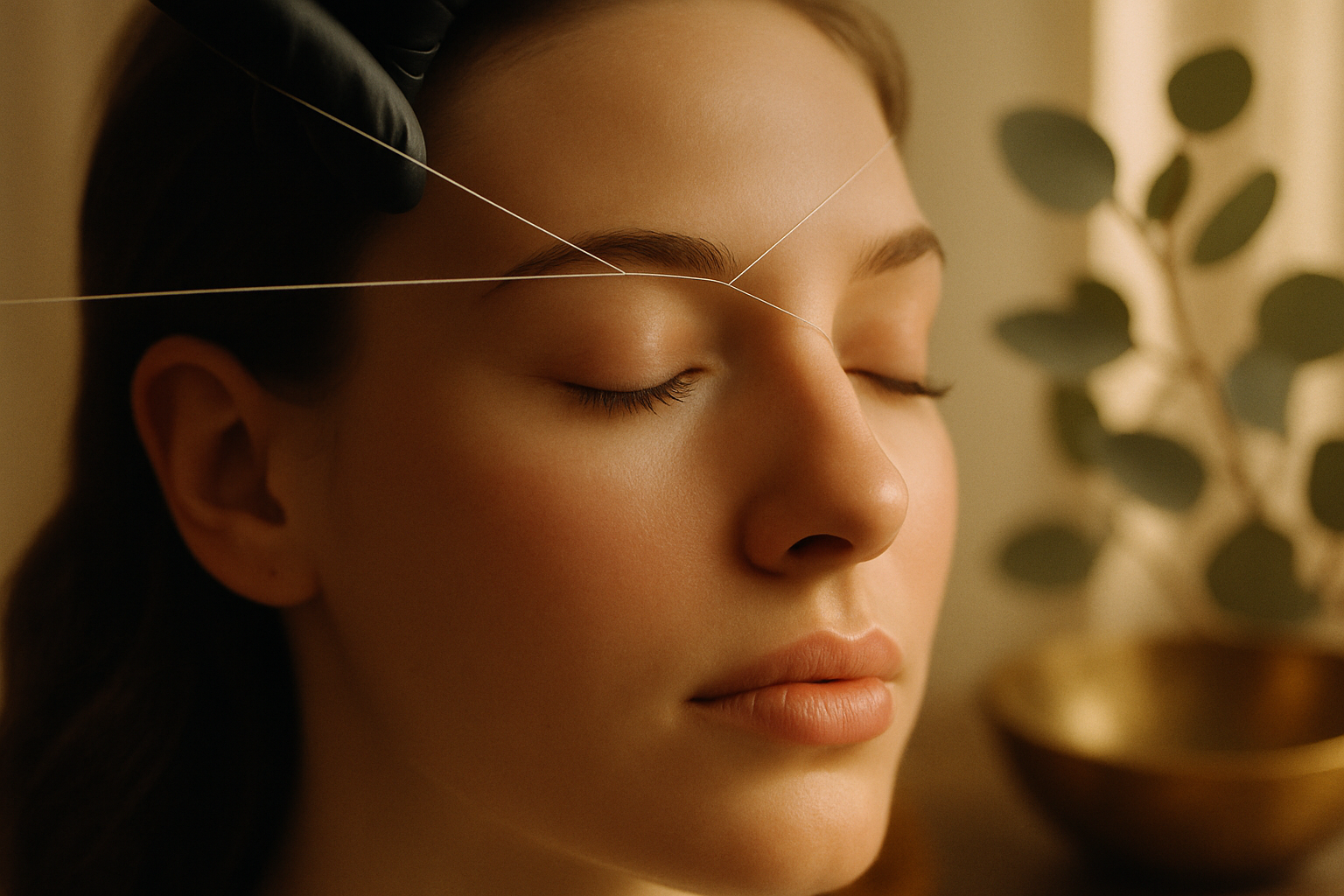
- Do not thread or wax your face on the same day. Redness and open pores will change how base sits.
- Come with clean, product-free skin. No SPF residue, no primer, no tinted moisturiser.
And bring your groom's outfit picture if you can. Sounds silly, but a maroon sherwani next to a peach lehenga changes how bold your lip should read in couple photos.
What to Bring to the Trial
Think of yourself as a mood board on legs. The more visual information your artist has, the closer the first attempt will be to your vision.
- 3–5 reference images you genuinely love — not 40. Too many references confuse the direction.
- 1–2 images of looks you dislike, with a note on why. This is honestly more useful than the inspiration pile.
- Your actual jewellery, or clear photos with the stone colours visible.
- A swatch of your dupatta fabric if possible.
- A photo of yourself from an event where you felt beautiful — it tells the artist what your face already knows how to wear.
- Your everyday foundation if you have a shade you love; useful for undertone matching.
Wear a light-coloured top with a wide neckline so nothing smudges when you change later, and skip heavy earrings — you'll want to try the trial jewellery on cleanly.
The Questions to Actually Ask
Most brides ask "will it last?" and stop there. Go deeper. These are the questions that separate a good trial from a great one:
About the products and skin prep
- What primer are you using on my skin type, and will it work in the season I'm getting married in?
- Are you using an HD or airbrush base — and which one photographs better under our reception lighting?
- How are you handling my under-eyes? (Ask specifically — this is where most bridal looks age the face.)
- What setting spray, and how many layers of powder? Too much powder = flashback in flash photography.
About the look itself
- Can I see the eye look with my eyes open before you finish? Cut-creases can disappear on hooded lids.
- Is this lip colour transfer-proof, or will it need touch-ups after the Nikkah signing and rukhsati?
- How will this contour read from 15 feet away on stage? (It should be sharper than you'd wear at a party.)
- Can we do a quick veil/dupatta drape check before I decide?
About the wedding day itself
- What time will you arrive, and how long do you need per event?
- Do you stay for touch-ups, and until when?
- If I want a completely different vibe for Mehndi vs Barat, do we plan that now?
- What's your policy if I hate something on the day — do we redo, or adjust?
A confident artist welcomes these questions. If yours gets defensive, that's your answer.
The Dos and Don'ts During the Trial
Do speak up in real time. "Slightly less blush," "a touch warmer on the lid," "can we soften the liner?" — say it while the brush is still in hand, not after everything is set.
Do take photos with flash and without, in natural light near a window, and from every angle including from below. Wedding photographers shoot from unexpected heights.
Do wait 30–45 minutes before deciding if you love it. Makeup settles. What looks heavy at minute five often looks perfect at minute forty.
Don't bring your entire family. One trusted opinion — your mother, sister, or best friend — is plenty. Six voices in the room will never agree, and you'll leave more confused than when you walked in.
Don't compare yourself to the reference model mid-trial. Your face is not her face, and a good artist is adapting the look to your bone structure, not copying pixel-for-pixel.
Don't agree to a look you're 70% happy with. A trial exists precisely so you can say, "let's try a rose lip instead of nude next time." Book a second short session if needed — most artists, including our Canadian-certified signature team, would rather do a 30-minute revisit than have an unhappy bride on the day.
After the Trial — Don't Wash It Off Immediately
This is the step 90% of brides skip. Wear the trial look for 4–6 hours before removing it. Sit in different lighting. Eat something (does the lip survive?). Hug someone (does the base transfer?). Take a selfie at hour five.
Write down what you'd change and send it to your artist within 48 hours, while it's fresh. Small tweaks — a lighter contour, a different lash style, a warmer blush — should be locked in on paper, not left to memory.
And don't forget the surrounding services. A bridal face only works if your hair, nails and skin are on the same level. Book your hair treatment and medi-pedi into the same timeline so nothing gets rushed in the last ten days.
A great bridal trial isn't about getting a perfect face on the first go — it's about leaving with a clear, agreed plan you and your artist both feel calm about. Ask the questions, be honest in the chair, and you'll walk into your wedding week already halfway to gorgeous.