· 5 min read
Bridal Makeup Trial Dos and Don'ts: What to Ask Your MUA
A bridal trial is your one honest rehearsal before the big day. Here's exactly how to prepare, what to ask, and the mistakes brides in Lahore make most often.
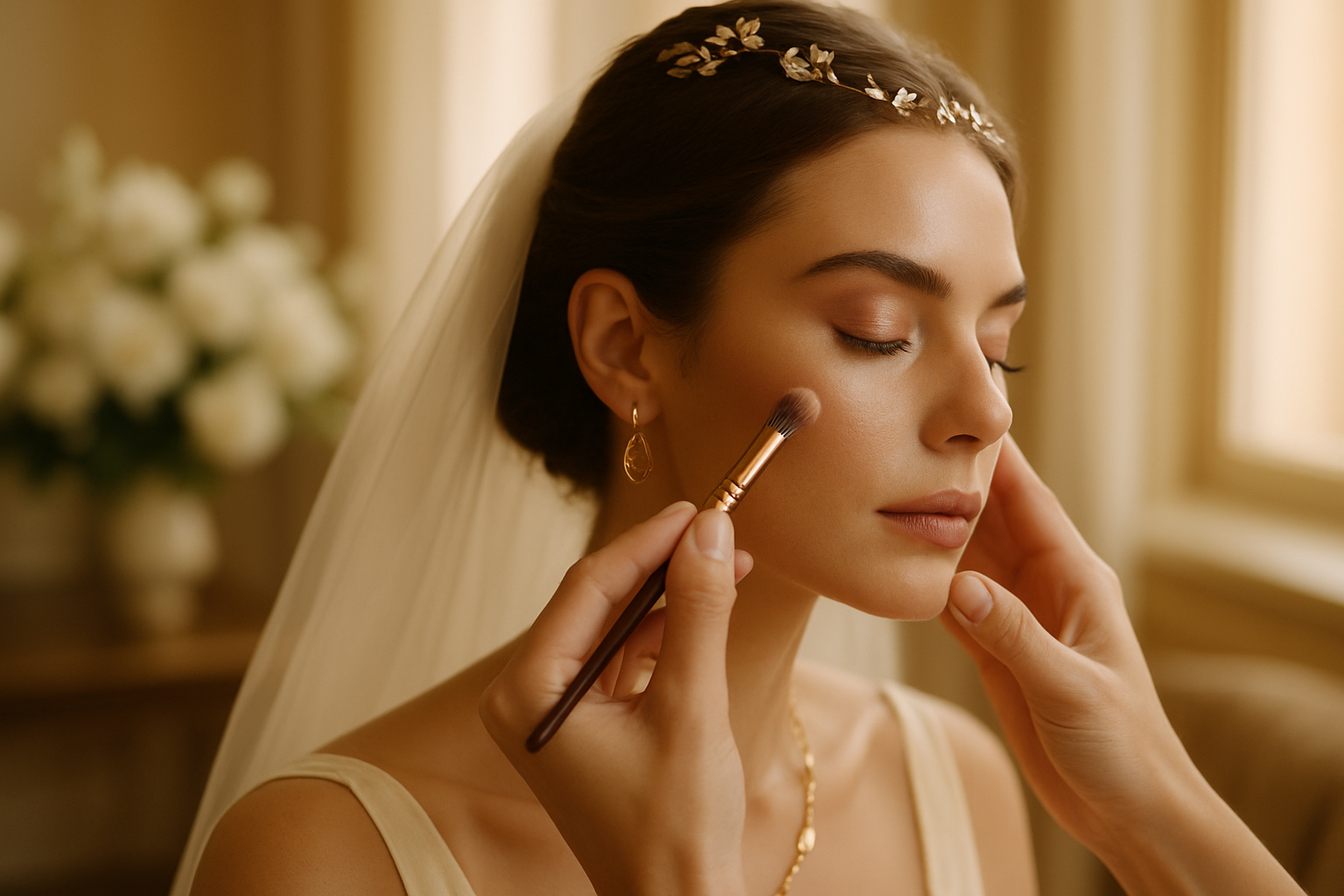
A bridal trial is not a pampering session — it's a rehearsal. It's the one chance you have to see your wedding-day face under real light, on your real skin, with your real hair, before the day itself. And yet most brides walk into their trial with no plan, no questions, and no reference images that actually reflect what suits them. Then they spend the drive home wondering if that shade of blush was quite right.
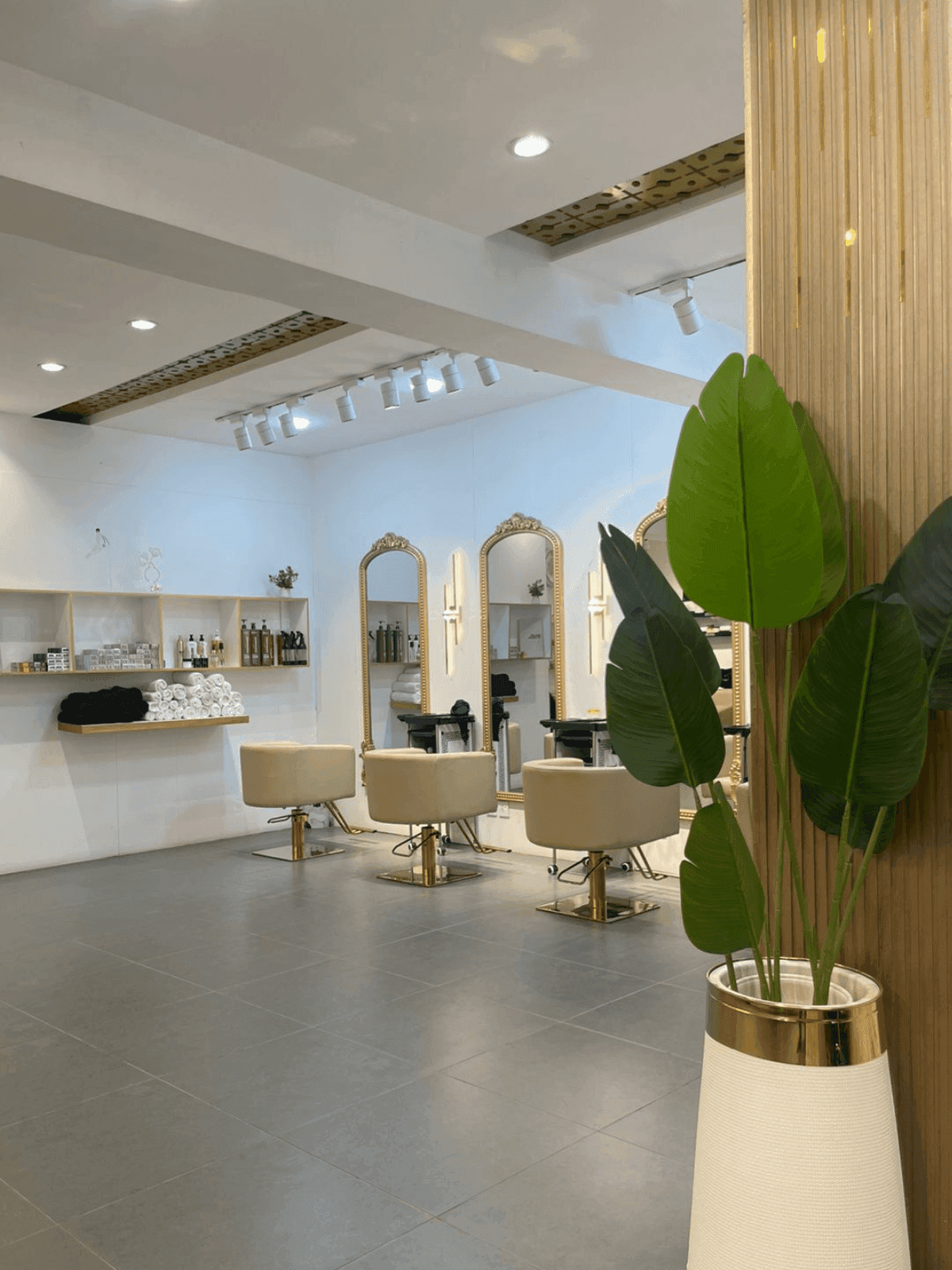
At Rabbiz Salon in DHA Phase 3, we run a lot of trials, and the brides who leave happiest are almost always the ones who came prepared. So here's the honest, senior-stylist version of how to make your trial count — what to do, what to skip, and the specific questions to ask before you leave the chair.
Before the Trial: Prep That Actually Matters
A trial done on neglected skin will not show you the truth. If your face is dehydrated, sunburnt from a recent trip up north, or mid-breakout, you're evaluating makeup against a moving target. Ideally, book a hydrating facial 5–7 days before your trial so your skin is calm, balanced and behaving like it will after your pre-wedding facial routine.
A few days out:
- Don't try a brand-new skincare product the week of your trial. New actives = surprise reactions.
- Do exfoliate gently 2–3 days prior, not the night before.
- Do get any threading or facial hair removal done at least 48 hours ahead so redness settles.
- Don't get a fresh tan, spray tan, or aggressive bleach right before — you want your everyday skin tone in the chair.
- Do come with clean, moisturised skin and no makeup.
Also: eat something. Trials run 90 minutes to two hours. Low blood sugar makes everyone judge their own face too harshly.
What to Bring With You
The more real-world context your artist has, the closer the trial will be to your final look.
- Your actual outfit fabric or a clear photo of it. Not just the colour — the undertone. A gold-based mehendi outfit and a silver-based one call for different eye palettes.
- Your jewellery, or at least sharp photos of it. Polki, kundan, and diamond sets each throw different light onto the face.
- 3–5 reference images of makeup looks you love — and importantly, 1–2 you don't love. Knowing what you want to avoid is often more useful.
- A photo of your venue and time of day. An outdoor mayun in daylight and an indoor hall barat under warm lighting need different finishes.
- Your dupatta, if the setting will involve one draped over your head. It changes hairline and forehead coverage entirely.
Questions to Ask Your Makeup Artist
This is where most brides go quiet. Don't. A good artist welcomes these — it means you're taking your look seriously.
About the products and finish
- What foundation are you using on me, and is it oil-free or hydrating?
- Will this finish look matte, satin or dewy in photos with flash?
- Are the lashes individual or strip, and how are they being secured?
- What's the wear time, and will I need touch-ups between events?
About your specific features
- Are you contouring my nose/jaw, and can I see it softer or stronger?
- Is this brow shape working with my face, or should we adjust the arch?
- Does this lip shade wash me out under warm hall lighting?
About the day itself
- What time do you recommend starting on the wedding morning?
- Do you stay for touch-ups, or send a kit?
- If I cry, what will happen to my eye makeup?
- Can we do a slightly different variation for my valima/mehendi with the same base?
Our signature bridal service with Rabia includes a proper consultation window built into the trial precisely so these questions don't feel rushed.
The Dos
- Do speak up during the trial, not after. If the blush feels heavy at step three, say so at step three — not once the full face is done and you're being polite.
- Do photograph your face in multiple lights: near a window, under white ceiling light, and with flash. Your wedding photographer will use all three.
- Do smile hard, laugh, and check how the makeup moves. A face that only looks good frozen isn't finished.
- Do discuss your hair at the same appointment if possible. Makeup and hair frame each other, and evaluating them separately is misleading. Our hair styling team can run parallel so you see the full picture.
- Do confirm timings, deposit, team size and travel logistics in writing before leaving.
The Don'ts
- Don't bring five opinionated relatives. One trusted person whose taste you respect is enough. A committee will pull the look in five directions.
- Don't ask for a face that looks nothing like yours. The goal is you, elevated — not a filter. Photos from your wedding will outlive every trend.
- Don't judge the look only in the salon mirror. Step outside into natural light before deciding.
- Don't skip the hair trial thinking you'll "figure it out on the day." Hairlines, gajras and dupatta placement need rehearsal too.
- Don't book your trial the same week as the wedding. Leave 2–4 weeks so there's time to tweak, or to switch artists if something feels off.
After the Trial: What to Do in the Next 48 Hours
Wear the makeup for a few hours before removing it. See how it settles, how your skin reacts, how the lashes feel by hour six. Take photos every couple of hours in different lighting. Then, once you've slept on it, send your artist a clear, kind message with specifics: loved the base and lip, want the eye slightly deeper, blush placement a touch higher. Vague feedback like "can it be more fresh" helps no one.
If you're planning multiple events, this is also the moment to lock in supporting services — mani-pedi, body polishing, or hair treatments — on a proper timeline rather than scrambling in the final week.
A good trial should leave you calmer, not more anxious. If you walk out of yours feeling clear about your look, your timing, and your artist — you've done it right.