· 5 min read
Hair Extensions in Lahore: Care, Cost & Longevity Guide
A straight-talking guide to hair extensions in Lahore — the real costs, the method that suits your hair, and exactly how to make them last.
Hair extensions have quietly become one of the most-requested services at our DHA Phase 3 studio — and not just before weddings. Women in Lahore are asking for them to add length after a bad chop, to fill out thinning crowns, to carry heavier colour without actually dyeing their own strands, and sometimes simply because they want the mirror to reflect how they feel inside. But extensions are also one of the most misunderstood services on a salon menu. The wrong method, the wrong hair quality, or the wrong aftercare can turn an expensive treat into a six-month regret. This guide breaks down what actually matters before you book.
The Main Types of Extensions — And Who They Suit
Not every extension method works for every head of hair. South Asian hair is typically dense, slightly coarse and oil-prone at the scalp, which changes what will hold well and what will slip or tangle.
Clip-ins
The lowest-commitment option. You wear them for an evening, a shoot or a mehndi, then take them off at night. Clip-ins are ideal if you want occasional drama without touching your natural hair. They don't damage anything — provided you don't sleep in them.
Tape-ins
Thin wefts sandwiched into small sections of your own hair with medical-grade adhesive. They lie flat, feel natural and are excellent for fine to medium hair. They need to be moved up every 6–8 weeks as your hair grows.
Keratin / fusion bonds
Small keratin-tipped strands individually heat-bonded to your hair. Great for thicker hair that can hide the join points. These give the most seamless result but demand the most meticulous aftercare.
Micro-ring / i-tip
Tiny silicone-lined beads clamp the extension to your natural hair — no heat, no glue. A good middle ground if you dislike adhesives.
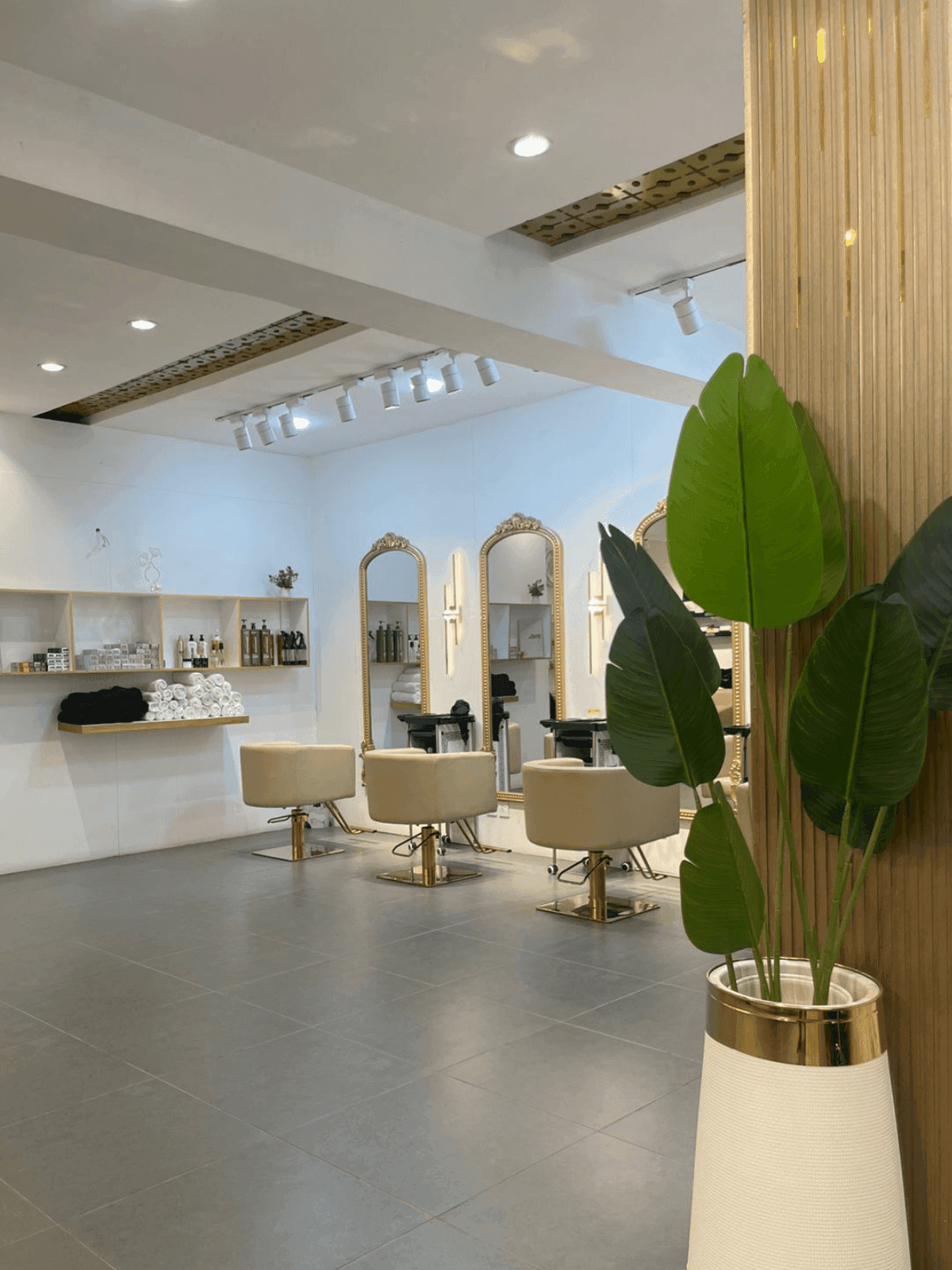
At a proper consultation at our hair extensions studio, we'll feel your hair's density, elasticity and scalp oil pattern before suggesting a method. If anyone offers to install extensions without touching your hair first, treat it as a red flag.
What Actually Drives the Cost
The single biggest line item is the hair itself, not the labour. And this is where most of the confusion in Lahore happens.
- Hair origin and grade. True Remy hair (cuticles aligned, running in one direction) behaves like your own. Non-Remy or processed hair looks beautiful on day one, then matts within weeks.
- Length and weight. A 22-inch install needs significantly more hair than an 18-inch one — often 150–200 grams for a full head. Length doesn't scale linearly in price.
- Method. Keratin bonds take 3–5 hours of skilled hand-work; tape-ins are faster; clip-ins are an off-the-shelf purchase.
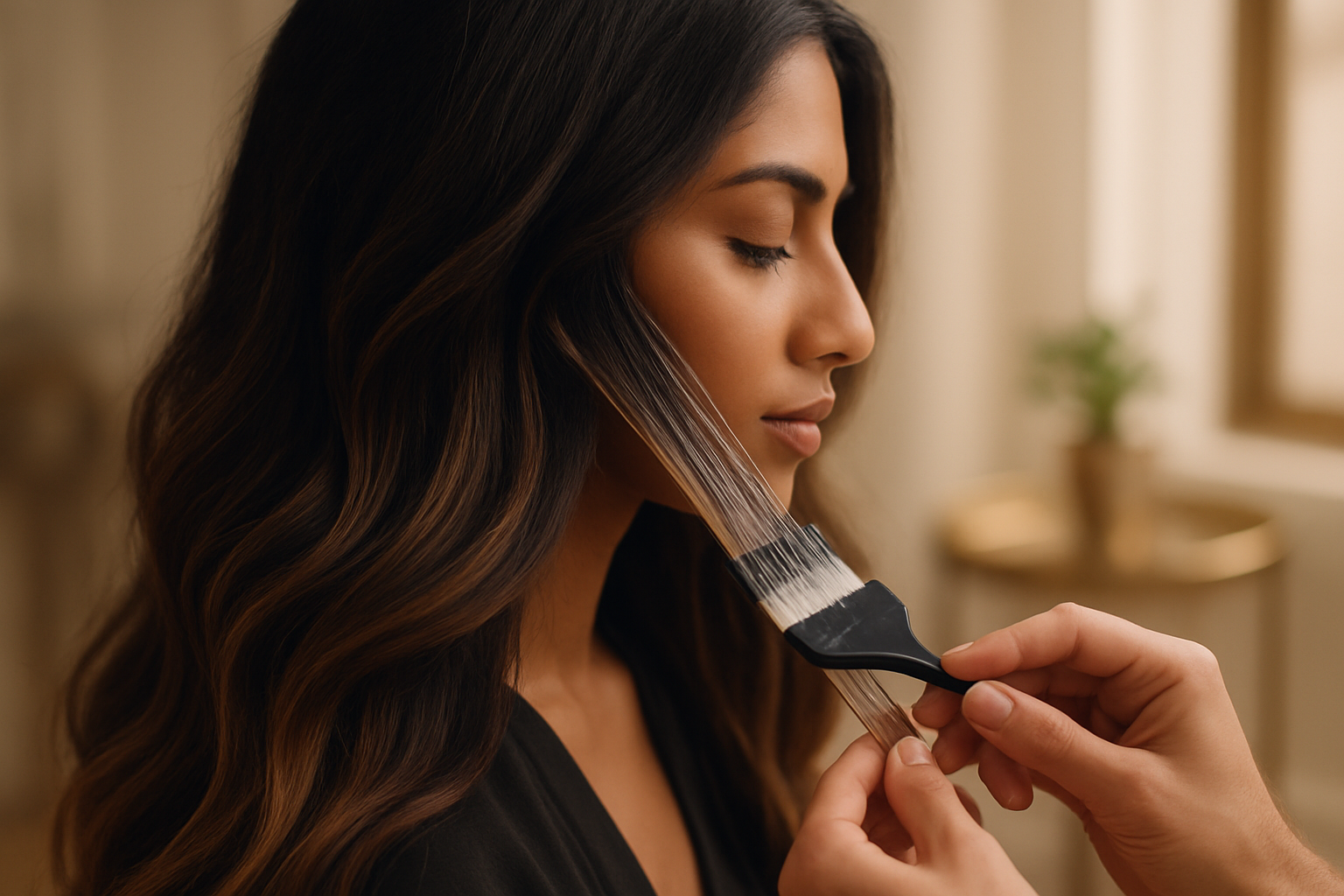
- Colour matching. If your base is a custom balayage, your extensions may need to be hand-tinted to match. That's an extra service, not an afterthought.
- Maintenance appointments. Factor in a move-up every 6–10 weeks for semi-permanent methods.
A realistic Lahore budget for a quality full-head install sits well above what you'll see advertised on Instagram reels promising miracle prices. Cheap extensions almost always mean synthetic blends, non-Remy hair, or inexperienced installation — and you'll pay again in six weeks when you have to redo everything.
Aftercare That Actually Keeps Extensions Beautiful
This is where most clients lose their investment. Extensions are not low-maintenance — they're different-maintenance.
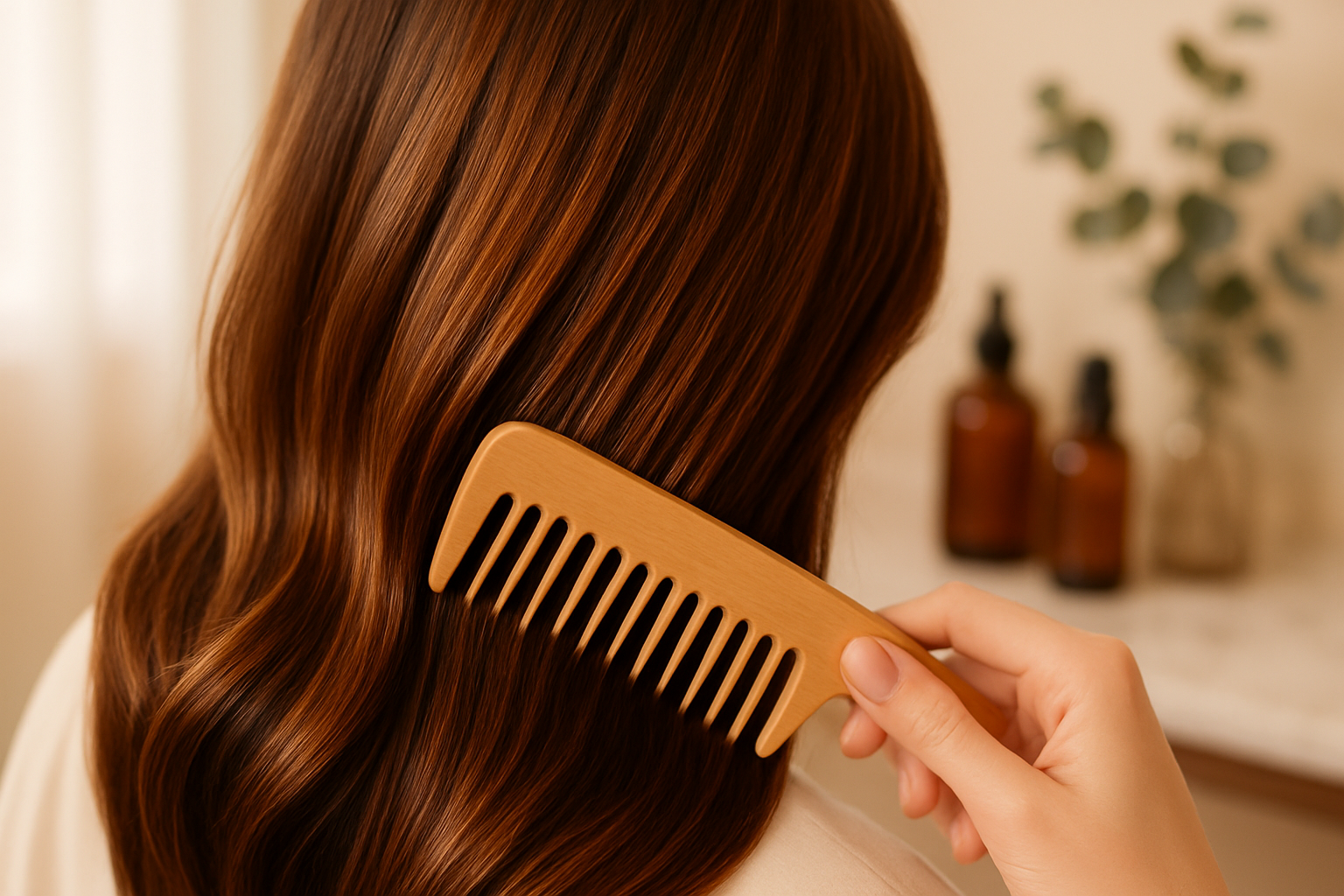
- Brush correctly, and often. Use a looped extension brush or a soft boar bristle. Hold the hair at the root to take tension off the bonds, and work from ends upward.
- Wash less, and smarter. Two to three times a week, maximum. Use a sulphate-free, silicone-free shampoo. Shampoo the scalp only; let the suds rinse through the lengths.
- Condition the mid-lengths and ends — never the bonds. Conditioner on the attachment points will cause slippage.
- Dry roots before bed. Sleeping on damp extensions is the fastest way to matting at the nape.
- Braid at night. A loose side braid or low pony on a silk pillowcase. Non-negotiable.
- Protect from heat and chlorine. Always use a heat protectant. Before swimming, soak extensions in clean water and tie them up — chlorine and salt water dry them out irreversibly.
- Oil the ends, not the roots. A pea-sized drop of argan or almond oil on the ends after washing keeps them silky.
Many clients also pair their install with a gentle in-salon hair treatment every 4–6 weeks to keep both their natural hair and the extensions in top condition.
How Long Each Method Really Lasts in Lahore's Climate
Lahore throws a lot at hair — summer humidity, winter smog, hard water in many areas, and a lot of dust. All of these affect extension longevity.
- Clip-ins: 8–12 months of regular evening wear if well-stored.
- Tape-ins: The tapes themselves hold for 6–8 weeks; the hair can be re-taped and reused for 6–12 months total.
- Keratin bonds: 3–4 months per install; hair typically lasts one install cycle, occasionally two.
- Micro-rings: 8–10 weeks between move-ups; hair lasts 6–12 months with careful handling.
The single biggest longevity killer we see is over-washing with hard water. If your DHA home has borehole water, consider a shower filter — it quietly extends the life of every rupee you've spent.
Who Should Think Twice
Extensions aren't the right answer for everyone, and we'd rather tell you honestly than take the booking.
- If you're actively shedding more than normal, treat the underlying cause first. A proper scalp consultation and targeted hair care will do more than extensions ever could.
- If you're mid-chemical-service — a fresh keratin, a recent rebond — wait at least two weeks before installing bonded extensions.
- If your lifestyle involves daily intense workouts and sweating, tape-ins will struggle. Clip-ins or micro-rings are kinder choices.
- Pregnancy and postpartum shedding phases are tricky — your natural density is shifting, so plan around it with your stylist.
Making the Decision
Before you book anywhere in Lahore, ask three questions: What grade of hair are you installing? Can I see and touch it beforehand? What's the maintenance schedule and cost? Any salon that answers all three clearly is a salon worth trusting. If you'd like a no-pressure consultation — including a colour match and a method recommendation specific to your hair — our team at Rabbiz Salon is happy to walk you through it. Done well, extensions aren't a disguise; they're just an extension of how you already want to look.