· 5 min read
How Often Should You Get a Facial in Lahore's Humid Weather?
Lahore's heat, humidity and pollution change what your skin actually needs. Here's an honest, skin-type-by-skin-type guide to facial frequency that works in our climate.
If you live in Lahore, your skin is dealing with a lot more than just age and genetics. Between April and September, humidity climbs, sweat sits on the skin for hours, sunscreen melts off by noon, and a fine layer of Mall Road dust seems to settle on everything. Come October, the air turns dry, smog rolls in, and suddenly the same skin that was oily and breaking out is flaky and dull. So when clients ask me, "How often should I get a facial?" — my honest answer is: it depends on your skin, the month, and what you're putting on it at home. Let's break it down properly.
Why Lahore's Climate Changes the Rules
Most international skincare advice tells you to get a facial every 4–6 weeks. That's a fine baseline, but it was written for temperate weather — not for a city where summer humidity routinely crosses 60% and winter air is thick with PM2.5.
In humid months, your sebaceous glands go into overdrive. Pores clog faster, blackheads multiply across the nose and chin, and sunscreen plus sweat plus pollution form a sticky film that home cleansing rarely removes completely. In winter, the same skin can become dehydrated and sensitised from smog, leading to dullness and uneven tone.
This is why a fixed monthly schedule isn't always the right answer. Your facial frequency should flex with the season.
The Honest Frequency Guide by Skin Type
Here's how I generally advise clients at the salon — adjust based on what your skin actually does, not what you wish it did.
Oily & Acne-Prone Skin
- Summer (May–September): Every 3 weeks. A proper deep cleansing facial every three weeks keeps sebum and clogged pores under control before they turn into active breakouts.
- Winter (October–February): Every 4–5 weeks. Switch to a hydrating or brightening facial so you don't strip the skin.
Combination Skin
- Summer: Every 4 weeks. Focus on T-zone extractions and a balancing mask.
- Winter: Every 5–6 weeks. Lean into hydration and gentle exfoliation.
Dry & Mature Skin
- Summer: Every 4–5 weeks. Humidity actually helps dry skin, but pollution still dulls it.
- Winter: Every 4 weeks. This is when dry skin needs the most help — barrier-repair facials, rich masks, and lymphatic massage.
Sensitive or Rosacea-Prone Skin
- Every 6–8 weeks, year-round, with gentle, fragrance-free protocols only. More is not more here.
Normal Skin (the lucky few)
- Every 5–6 weeks is plenty. Think of it as maintenance and prevention.
What a Facial Actually Does That Home Care Cannot
A lot of women hesitate to book regularly because they think a good home routine should be enough. It isn't — and here's why.
- Professional extractions. Squeezing blackheads at home in front of a bathroom mirror almost always leaves scarring or post-inflammatory hyperpigmentation. A trained therapist uses steam, proper angle and sterile tools.
- Deeper exfoliation. Salon-grade enzyme peels and AHAs work on a level your over-the-counter toner cannot safely reach.
- Lymphatic drainage. That "de-puffed, lifted" look the morning after a facial isn't magic — it's manual drainage that moves stagnant fluid out of the face.
- Customisation. Your skin in July is not your skin in December. A good therapist reads it each visit.
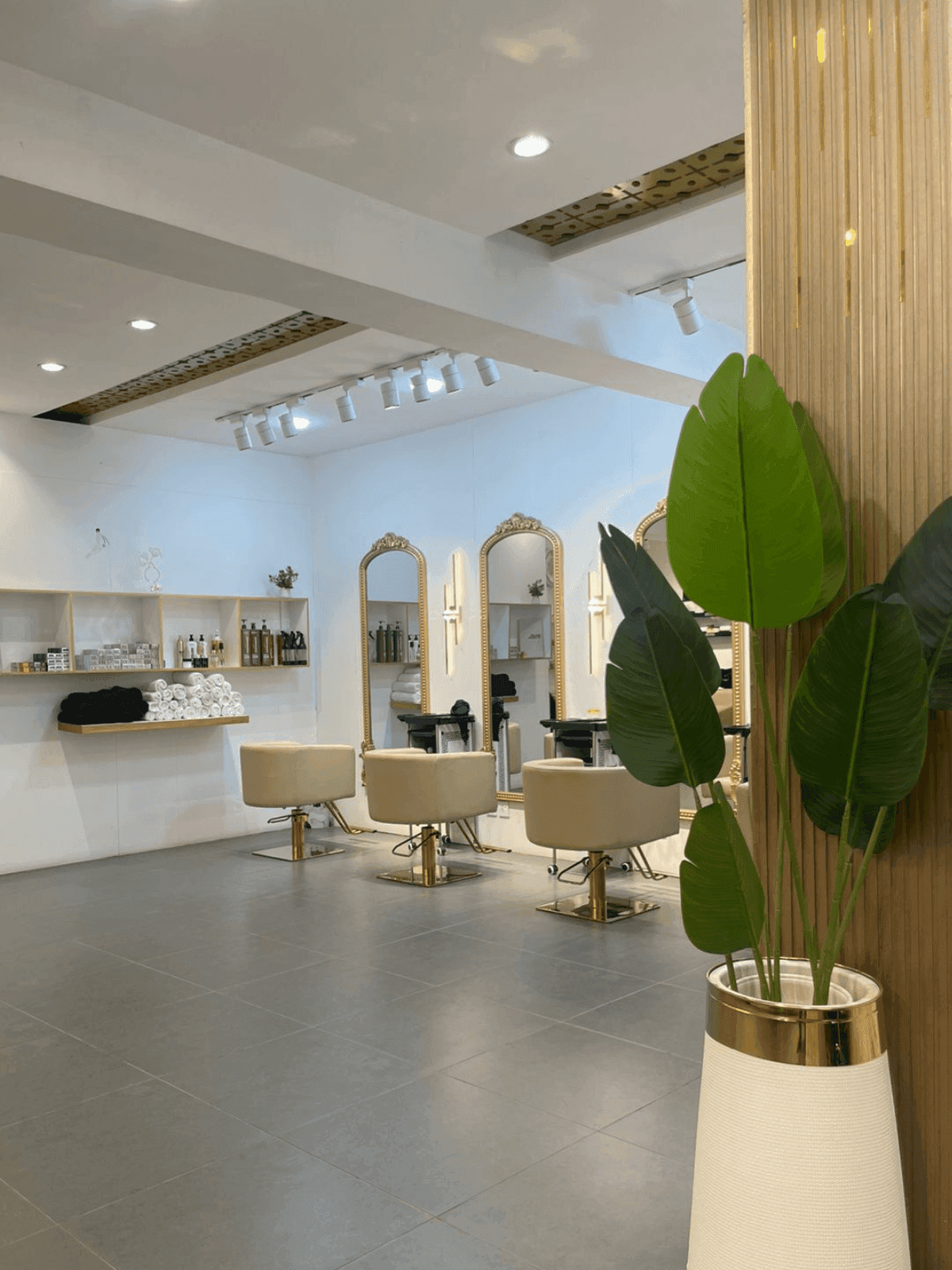
At our DHA Phase 3 studio, every facial begins with a skin analysis under proper lighting because Lahore's seasons genuinely shift what your skin needs from one month to the next.
Signs You're Booking Too Often (or Not Often Enough)
More facials are not better facials. Listen to your skin.
You're overdoing it if:
- Skin feels tight, stings when you apply serum, or looks red for more than 24 hours post-facial.
- You're getting new breakouts within a week of every session.
- Your barrier feels compromised — flakiness, sudden sensitivity, reaction to products you used to tolerate.
You're not doing enough if:
- Blackheads have become a permanent feature on the nose and chin.
- Makeup sits unevenly and your skin looks grey under indoor light.
- Pores look visibly larger than they did six months ago.
- You can feel a rough, bumpy texture across the cheeks or forehead.
Pairing Facials With the Rest of Your Routine
A facial every few weeks is the anchor, but the daily routine is what keeps results visible.
- Double cleanse every night in summer. Oil-based cleanser first, then a gentle gel or foam. Lahore dust does not wash off with one round.
- SPF 50, every single day. Reapply if you're outdoors past noon. Pigmentation in Pakistani skin is stubborn — prevention is far easier than removal.
- Don't over-exfoliate at home. If you're getting professional exfoliation every 3–4 weeks, dial back the acids at home to 2 nights a week maximum.
- Match treatments thoughtfully. If you're doing bleach or threading, schedule them at least 3–4 days before or after your facial so the skin isn't reactive.
A Realistic Yearly Calendar
For most of my Lahore clients with combination-to-oily skin, the rhythm looks like this:
- March–April: Brightening facial to shed winter dullness.
- May–August: Monthly deep cleansing, focused on extractions and oil control.
- September: Hydration reset as the air starts to shift.
- October–November: Anti-pollution and barrier-repair focus during smog season.
- December–February: Nourishing, glow-restoring facials every 4–5 weeks.
When to Upgrade to Something Stronger
If you're dealing with persistent acne, melasma, or pre-event prep, a basic monthly facial may not move the needle fast enough. In those cases we shift to targeted facial treatments — chemical peels, brightening protocols, or a course of treatments spaced 2 weeks apart for a defined period, then back to maintenance.
Brides especially should not start an aggressive new regimen the month of the wedding. Begin at least 12 weeks out, settle into what works, and then let your therapist intensify treatments closer to the date.
The short version? In Lahore, plan your facials around the weather, not the calendar. Your skin in monsoon and your skin in smog season are two different creatures — and treating them the same is the most common mistake I see.