· 5 min read
Lash & Brow Tinting for South Asian Features: Worth It?
Lash and brow tinting sounds like a shortcut to expressive eyes — but does it actually deliver on already-dark South Asian features? A Lahore stylist's honest take.
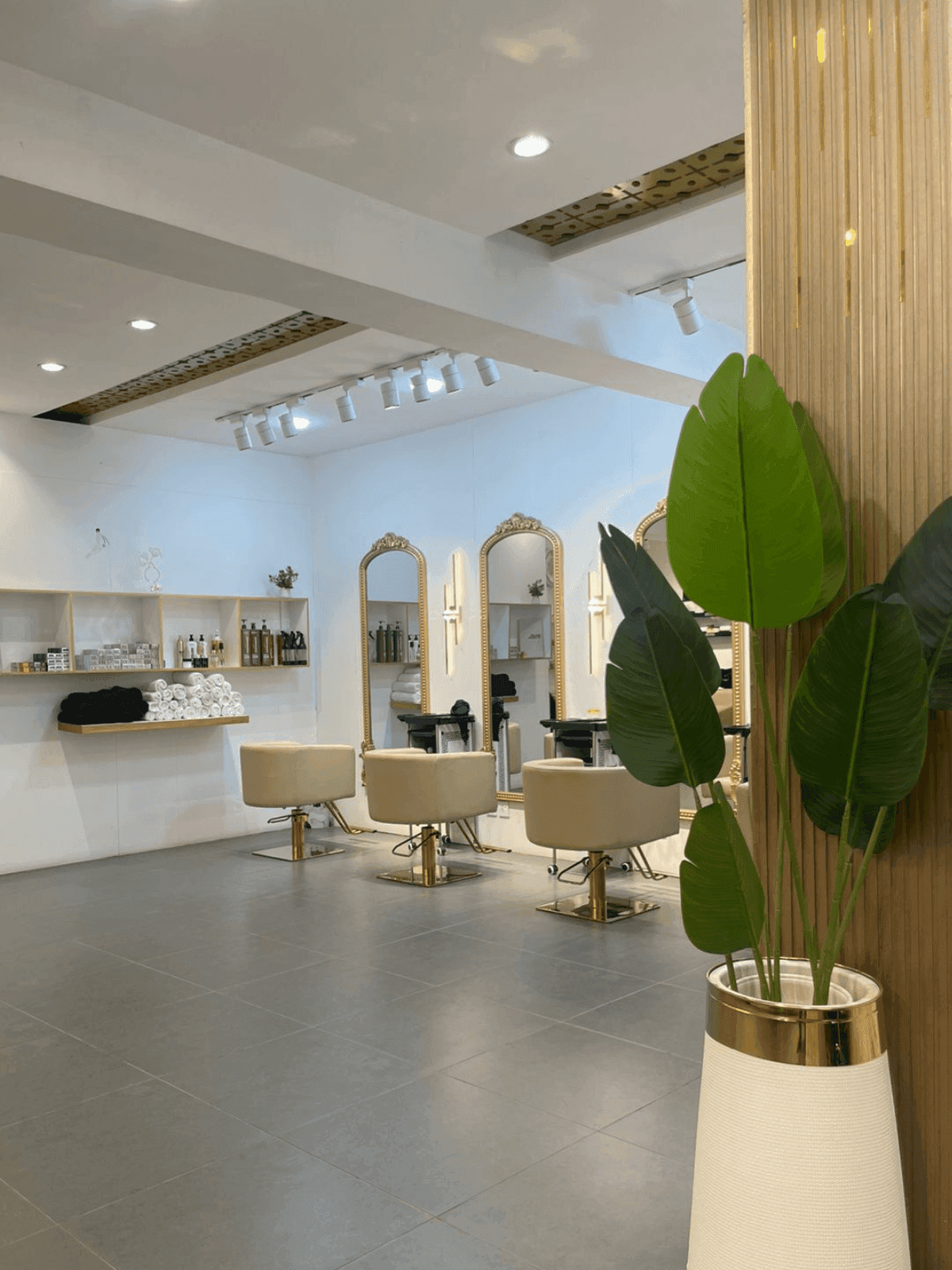
If your lashes are already jet black and your brows have their own opinions about the room, you've probably wondered whether tinting is actually for women like us. It's one of the most common questions I get at the salon in DHA Phase 3 — right after a client sees her friend's tinted brows on Instagram and can't tell whether it's makeup, microblading or just good genetics. The short answer is: tinting can be brilliant for South Asian features, but only for specific problems. For others, you'd be paying for a result you already have. Here's the honest breakdown.
What Lash and Brow Tinting Actually Is
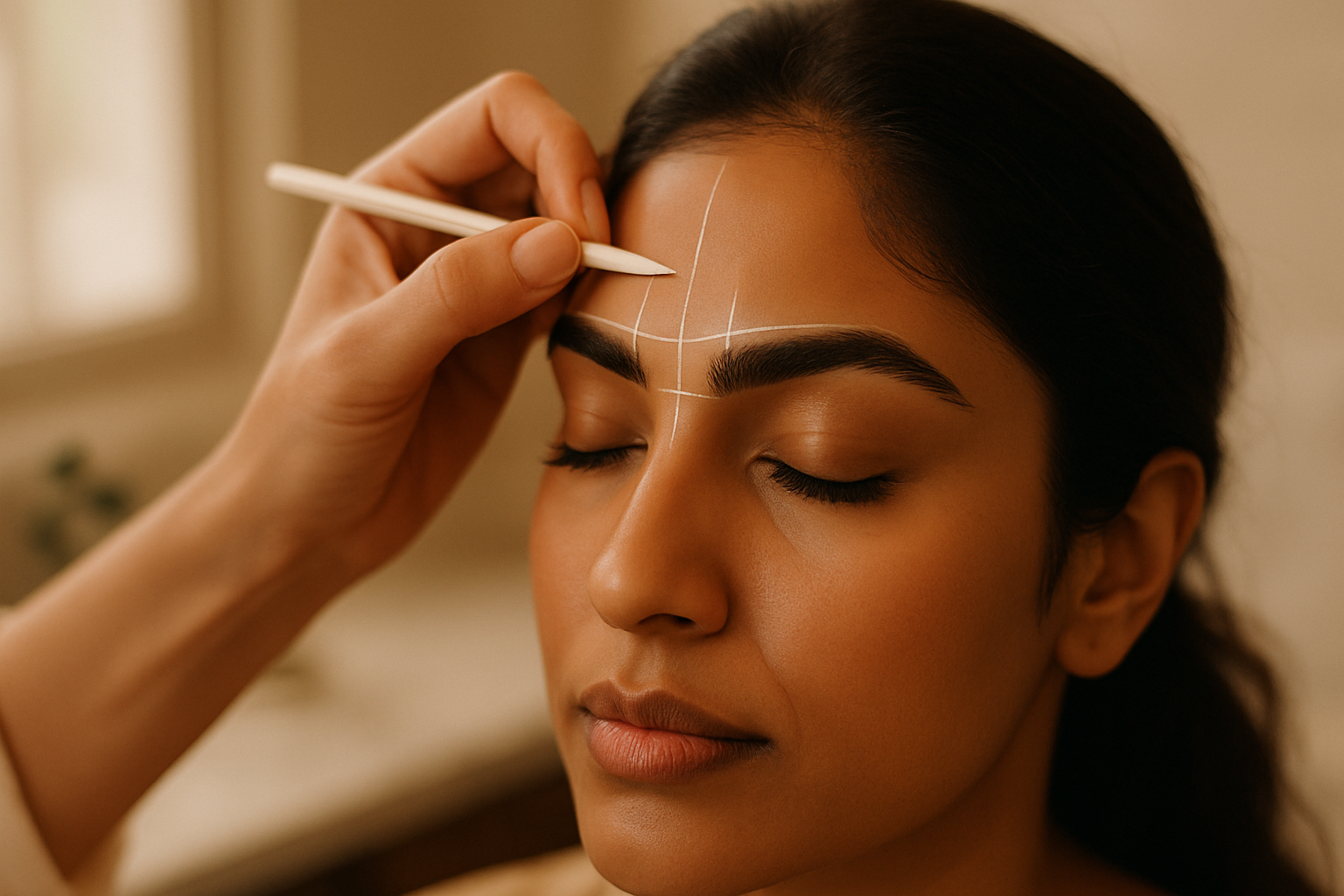
Tinting is a semi-permanent dye applied to the hair of your lashes or brows. It's not makeup, it's not a stain on the skin, and it's not the same as henna brows (which does stain the skin underneath for a fuller look). A cosmetic-grade dye sits on the hair for 5–15 minutes, then rinses off, leaving the hair itself a deeper, more uniform shade.
A good tint should:
- Deepen the natural hair color without looking painted on
- Even out patchy or sun-lightened areas
- Last roughly 3–5 weeks on brows and 4–6 weeks on lashes
- Feel like nothing once it's done — no stiffness, no residue
It will not add hair where there is none, lift a droopy lash, or replace a proper brow shape.
The South Asian Reality Check
Here is where most Pakistani women get confused. Our natural hair is usually a deep brown-black. So a woman walking in asking for "black lash tint" often already has black lashes — the tint won't visibly change much. But that doesn't mean tinting is useless for us. It's just useful for different reasons than it is for a European client with blonde lashes.
You'll benefit from tinting if:
- Your brow tails have thinned or gone lighter from years of threading and plucking. The remaining fine, pale hairs suddenly show up.
- You have grey hairs coming through your brows (very common from mid-30s onwards in Pakistani women, and often earlier around the temples).
- Sun exposure has lightened your brow color — Lahore summers are brutal on brow pigment, especially if you drive without tinted windows.
- Your lashes are dark but sparse-looking because the fine baby lashes at the roots and tips are lighter and disappear against the skin. Tinting these makes the whole lash line look denser.
- You want to skip mascara in this humidity. Tinted lashes photograph better than bare ones and don't smudge in a Lahore July.
You probably don't need tinting if your brows are already dark, full and evenly pigmented, and your lashes look thick without mascara. In that case, a good threading and shaping session will do more for your face than any dye.
Lash Tint vs Lash Lift vs Extensions
This is where clients spend money in the wrong place. Three different treatments, three different results:
- Lash tint — darkens the hair. Best if your tips are light or your lash line looks faded.
- Lash lift — curls the lash upward from the root. Best if your lashes are straight or point downward (very common in South Asian eye shapes with a slight hood).
- Lash extensions — adds length and volume with individual synthetic lashes. Best for events, weddings and holidays.
Most Pakistani women who think they want tinting actually want a lift, because our lashes are often long but straight — they hit the top of the cheekbone rather than opening the eye upward. If that sounds like you, ask about a lash lift instead. For weddings and shoots, extensions still win, and we usually pair them with signature bridal styling rather than tint.
Brow Tinting for Pakistani Face Shapes
Brows frame the whole face, and South Asian faces tend to have strong bone structure — high cheekbones, defined jawlines, expressive eyes. That means a shape-first approach almost always wins over a color-first one. My order of priority for a client is:
1. Shape
Get the shape right with threading before you touch dye. A perfectly shaped brow with no tint looks better than a tinted mess. We do this as part of our threading service and I always insist on shaping first, tinting second.
2. Tint (if needed)
Only after shaping do we assess whether tint will actually change anything. For many women it will — especially in the front of the brow where hairs are naturally finer.
3. Aftercare
Avoid oil-based cleansers on the brow area for the first 24 hours. Don't scrub. Use SPF — pigment fades faster in sun, and Lahore sun is unforgiving. If you're getting regular facials, tell your therapist to avoid steaming directly over tinted brows for the first day.
What It Costs and How Long It Lasts
In Lahore, brow tinting typically runs between PKR 1,500–3,500 and lash tinting a little more, depending on the salon and the dye brand. Longevity in our climate is shorter than what you'll read on international beauty blogs, because heat, sweat and frequent face washing all speed up fading. Realistic expectations:
- Brows: noticeably tinted for 2–3 weeks, softer for another 1–2
- Lashes: 3–4 weeks before you notice the tips lightening again
If you're doing it for a specific event — an engagement, a work trip, a family shaadi — book 3 to 5 days before, not the day before. Tint always looks a shade too dark on day one and settles beautifully by day three.
So — Is It Actually Worth It?
Here's my honest verdict after years of doing this: lash and brow tinting is worth it for a very specific South Asian client. If you're over 30, if greys are creeping in, if threading has thinned your tails, or if you're tired of drawing your brows every morning before work — yes, book it. It's a small, low-commitment upgrade that saves you 10 minutes a day.
If your brows are already thick and dark and you're mostly curious because you saw it trending online, spend your money on a proper shape, a good brow serum, and maybe a lash lift instead. Tinting isn't magic. It's a finishing touch — and on the right face, that finishing touch is exactly what makes the difference between done and polished.