· 5 min read
Mehndi Color: How to Keep Your Henna Deeper, Longer
The science and salon secrets behind rich, long-lasting mehndi — from prep the night before to aftercare that keeps your stain cherry-dark for two weeks.
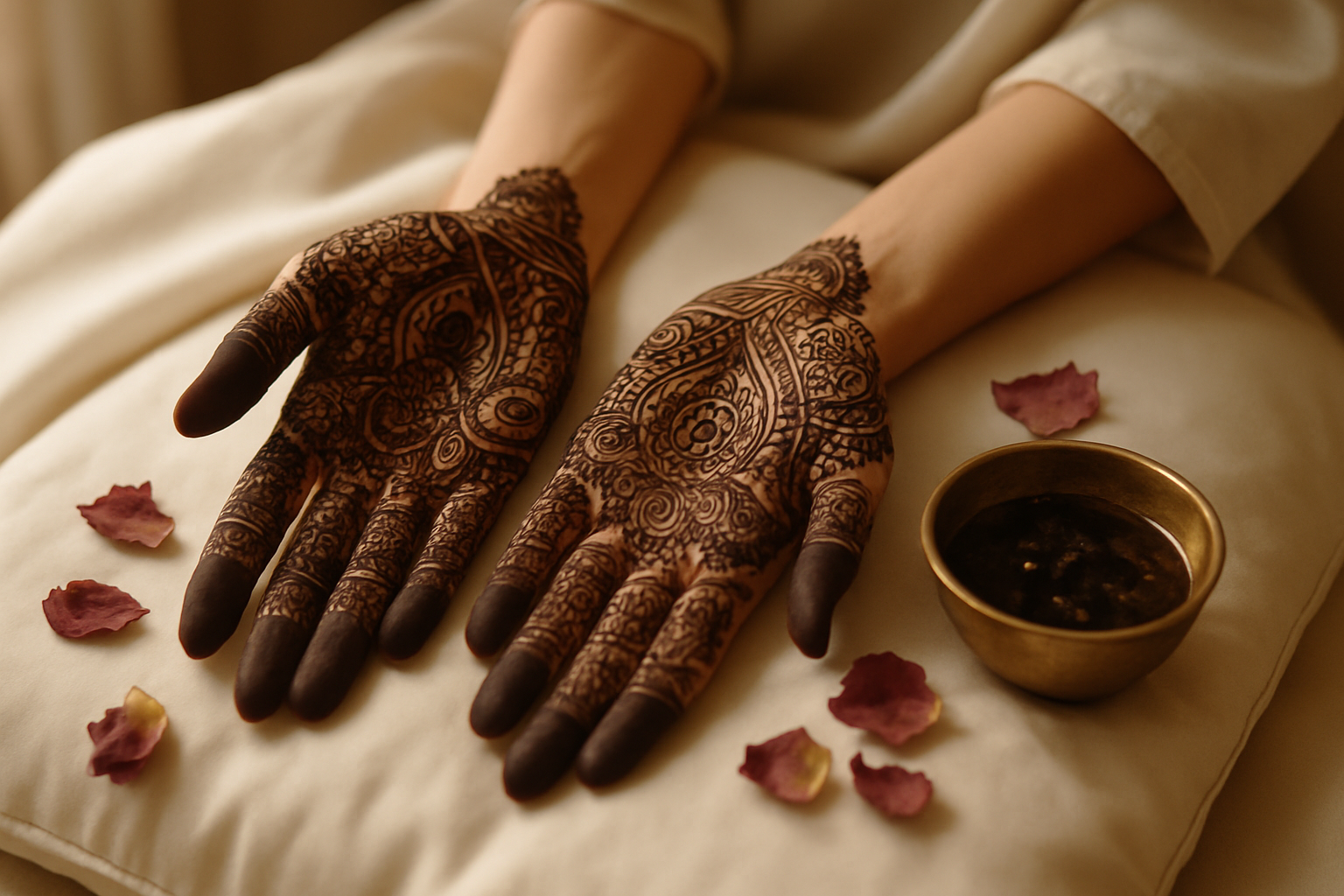
There's a specific heartbreak reserved for women who sit still for four hours getting intricate mehndi done, only to peel it off the next morning and find a disappointing pumpkin-orange stain staring back. In Lahore, where mehndi is woven into every mayun, bridal shower and Eid, the difference between a muddy stain and that deep cherry-maroon everyone compliments comes down to a handful of decisions — most of them made before the cone even touches your skin.
After years of prepping brides and party guests, we've seen exactly what works and what sabotages the color. Here's the honest, practical guide.
Why Henna Stains Dark on Some Hands and Not Others
Henna's active molecule, lawsone, binds to the keratin in your skin. The more keratin exposure, warmth, and time it gets, the deeper the oxidation — which is why your stain actually darkens for 48 hours after you remove the paste.
Three things decide how dark you'll go:
- Skin thickness and body warmth. Palms and soles always stain darkest because the skin is thickest there.
- Paste quality. Fresh, properly rested, essential-oil-activated paste beats any pre-made cone from a general store.
- Contact time. Four hours is the floor. Eight to twelve hours is where real color lives.
You can't change your palm thickness, but you can control the other two.
Prep Your Skin the Day Before
Mehndi sits on your skin, so whatever is already on your skin is your first barrier. The day before application:
- Exfoliate gently. A mild scrub on hands, forearms and feet lifts dead cells so lawsone can reach fresh keratin. If you're getting bridal mehndi, pair this with a proper medi-pedi 2–3 days before — not the same day, you don't want fresh cuticle work under paste.
- Skip the lotion. For 24 hours before application, avoid moisturisers, oils, sunscreens and perfumes on the areas being decorated. These form a film that blocks the stain.
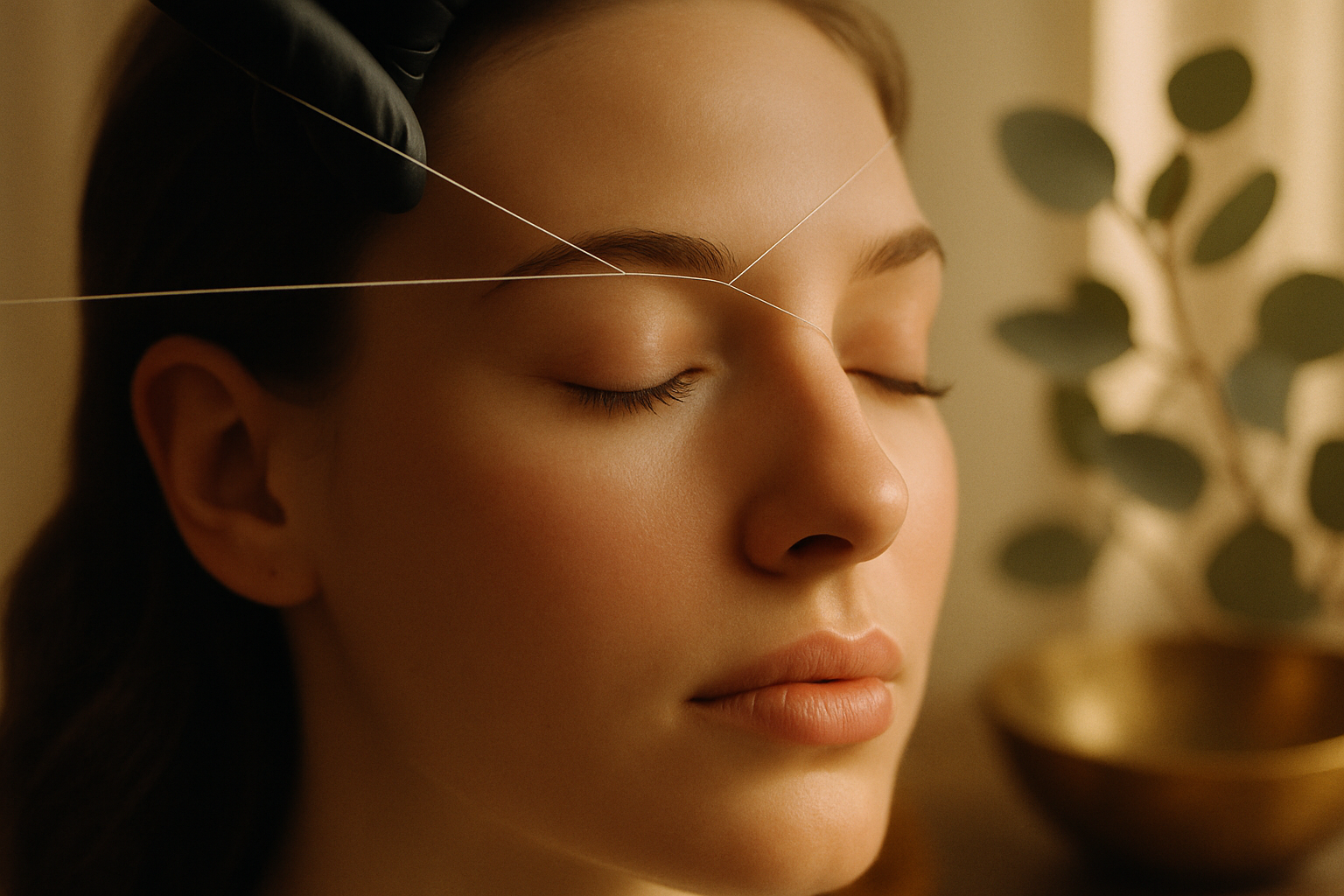
- No waxing or threading on the same areas on application day. Open follicles plus henna equals patchy, irritated color. Schedule your waxing with organic sugar at least 48 hours out.
- Avoid hot water right before. A long hot shower swells the skin; stains land unevenly. Shower a few hours ahead, then let your skin settle.
During Application: The Rules That Actually Matter
Once the artist starts, your job is to not interfere.
Sit warm, not cold
Air conditioning is the silent killer of mehndi color. The warmer your hands and feet stay, the more actively lawsone releases. In Lahore winters especially, keep a shawl around your shoulders and ask for the AC to be dialled back. A hot cup of qehwa in a tray near you is an old bridal trick for a reason.
Let the paste dry naturally, then stay longer
Don't fan it, don't blow-dry it, don't rush it. Natural drying over 30–45 minutes helps the first layer bond. After that, resist the urge to pick at flakes — every piece you knock off is color you're not getting.
Seal with lemon-sugar — sparingly
About an hour in, when the paste starts cracking, dab (do not slather) a cotton ball of lemon-sugar syrup. This rehydrates the paste so it keeps releasing dye, and the sugar helps it stick. Overdoing it makes designs bleed. One or two gentle applications is enough.
Sleep in it, if you can
For bridal mehndi, leaving the paste on overnight is the single biggest factor in a deep, long-lasting stain. Wrap loosely in medical tape or tissue, slip on soft cotton gloves, and commit to one sleepless-ish night. For party mehndi, aim for a minimum of 6 hours.
Removing the Paste the Right Way
Water is the enemy for the first 24 hours — it dilutes the oxidation process when the stain is still developing.
- Scrape, don't wash. Use the back of a butter knife or your nails to flake off dried paste. The initial color underneath will look pale orange — that's normal.
- Oil, don't soap. Rub mustard oil, coconut oil or Vicks (yes, really — the eucalyptus warms the skin) over the stain. Then let it be.
- Wrap in warmth. Hold your hands over the steam of boiled cloves for a minute or two. The heat deepens the color dramatically within the next few hours.
- No water for 12–24 hours. This is the hardest rule and the most important.
Aftercare: Making It Last Two Weeks Instead of Five Days
Once the stain has darkened (usually by day two), your mission shifts to protecting it from exfoliation.
- Moisturise generously. Dry skin flakes faster, and flaking skin takes your stain with it. Rich creams or coconut oil applied twice daily add days to your color.
- Wear gloves for dishes and cleaning. Detergents are brutal on henna. If you cook or wash often, this one habit alone doubles longevity.
- Avoid chlorinated pools and long hot baths. Both strip the stain quickly.
- Skip harsh exfoliants and chemical peels. No scrubs, no glycolic lotions on henna-ed areas for at least a week. If you've booked a facial or body polishing around the event, schedule it before mehndi, not after.
- Mind your manicure. Acetone-based removers near fingertip designs will lighten them visibly. Opt for gentle removers, or get your nails done before mehndi night.
When to Book a Professional Mehndi Artist
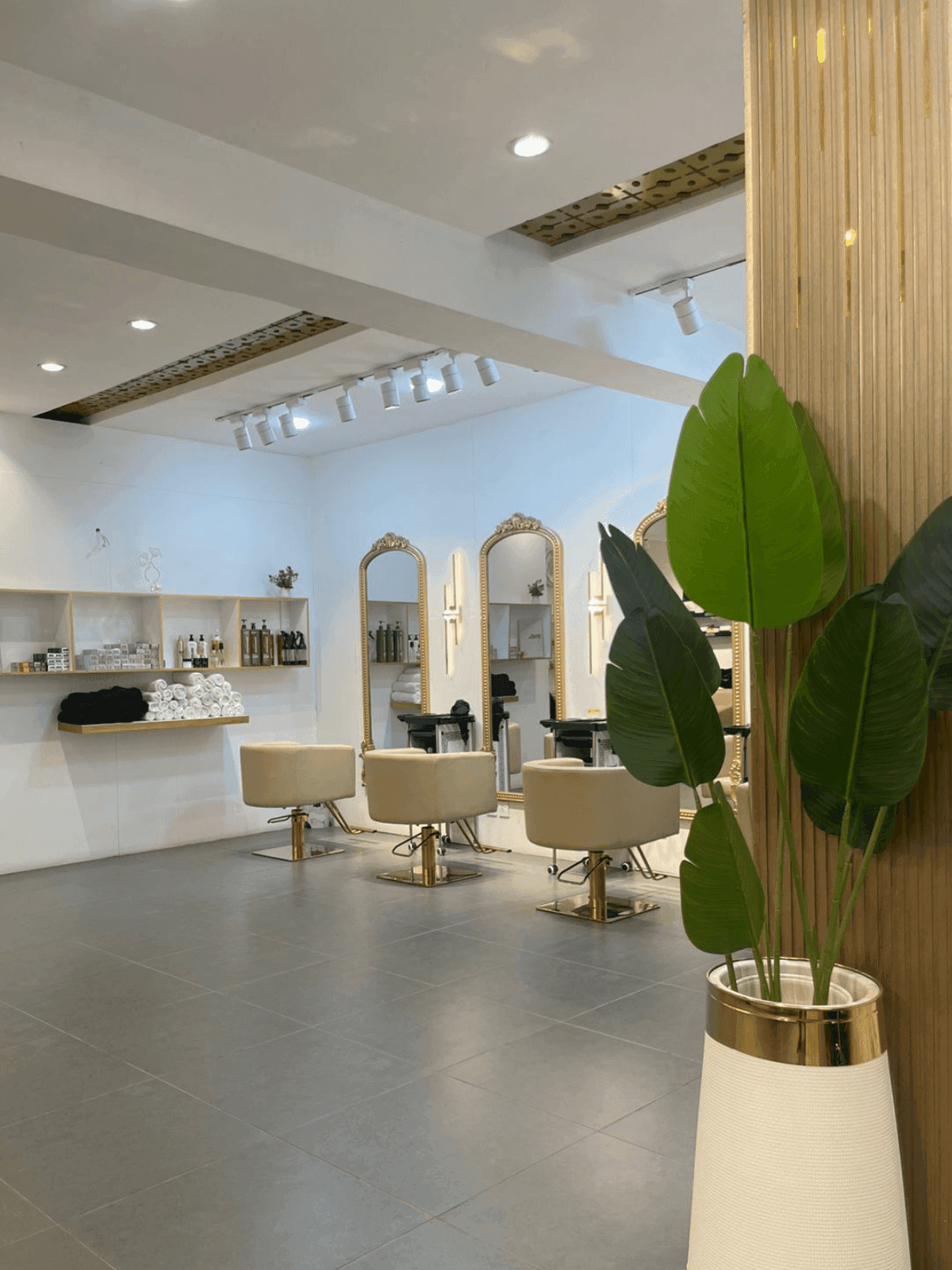
For Eid or a casual dholki, a trusted neighbourhood artist is fine. For your own bridal functions, intricacy, paste quality and timing matter enormously — and so does coordinating with the rest of your look. Many of our brides book mehndi alongside their bridal package so skin prep, hair, and makeup timelines don't clash. If you're also planning the Signature Canadian-certified artist service for your main day, we build the mehndi schedule backwards from your nikkah so the color peaks exactly when the cameras come out.
Good mehndi isn't luck. It's a sequence of small, deliberate choices — and once you know them, you'll never settle for an orange stain again.