· 5 min read
How to Prepare Your Hair for Bridal Week: Lahore Guide
A senior Lahore stylist's realistic timeline for getting your hair wedding-ready — from the 90-day mark down to the morning of your Mayun.
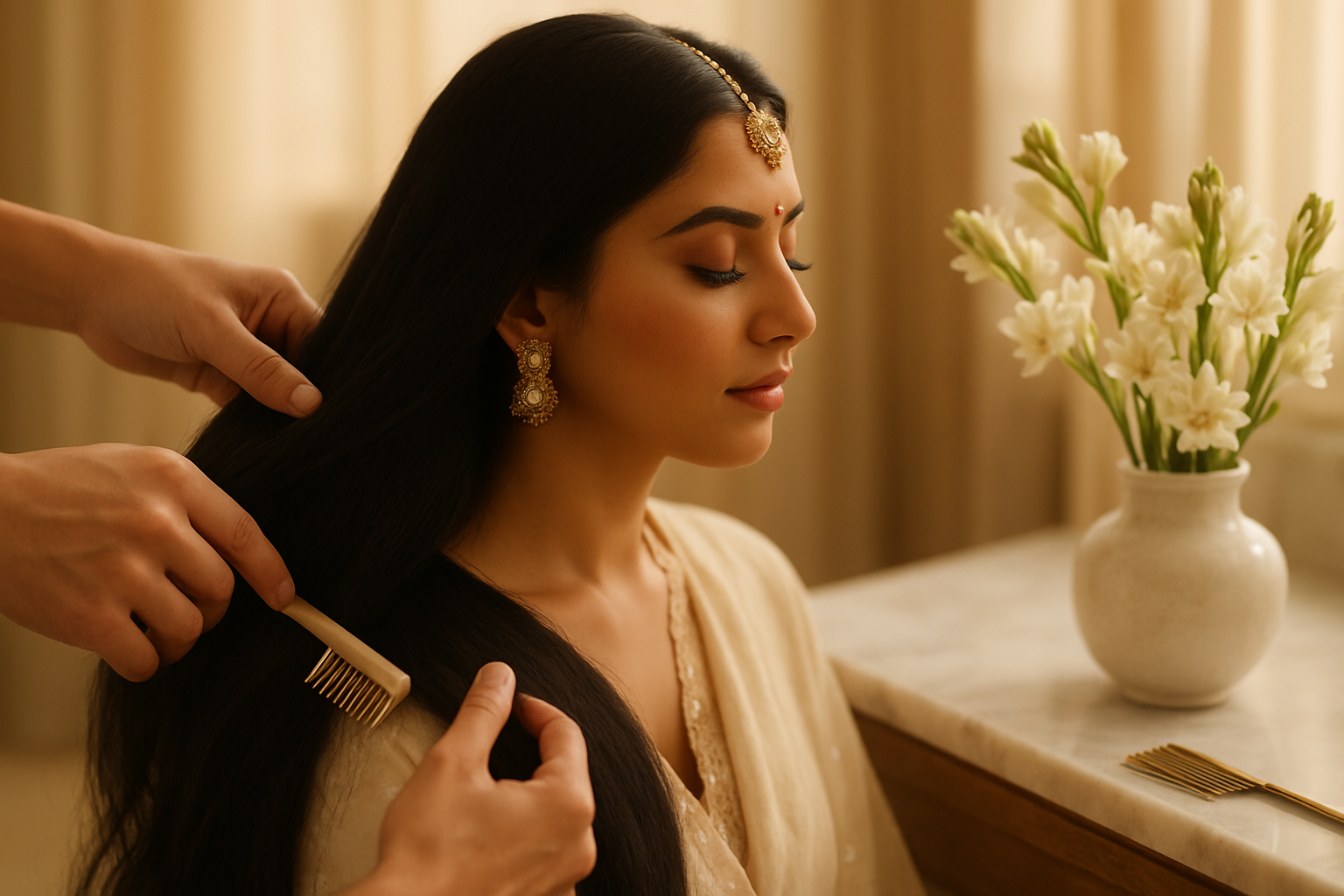
Bridal week in Lahore is not the time to discover that your hair snaps under a curling iron, or that your scalp reacts to a new serum. The brides whose photos you save on Pinterest — the ones with glossy, moving, believable hair — almost always had a plan months before their Mayun. As someone who has prepped hundreds of brides at our DHA Phase 3 studio, I can tell you the difference between good bridal hair and unforgettable bridal hair is rarely the stylist on the day. It's the ninety days before.
Here is the realistic, non-fluffy timeline I give my own clients.
90 Days Out: Diagnose Before You Treat
Before you book a single treatment, get an honest read on what your hair actually needs. Most brides walk in convinced they need keratin when what they really need is a protein-moisture rebalance and a proper trim.
At three months out, do this:
- Book a scalp and hair consultation, not a service. A good stylist will check porosity, elasticity, breakage points and scalp condition.
- Cut the dead weight. A dusting of half an inch every 6–8 weeks between now and the wedding will stop split ends from travelling up the shaft.
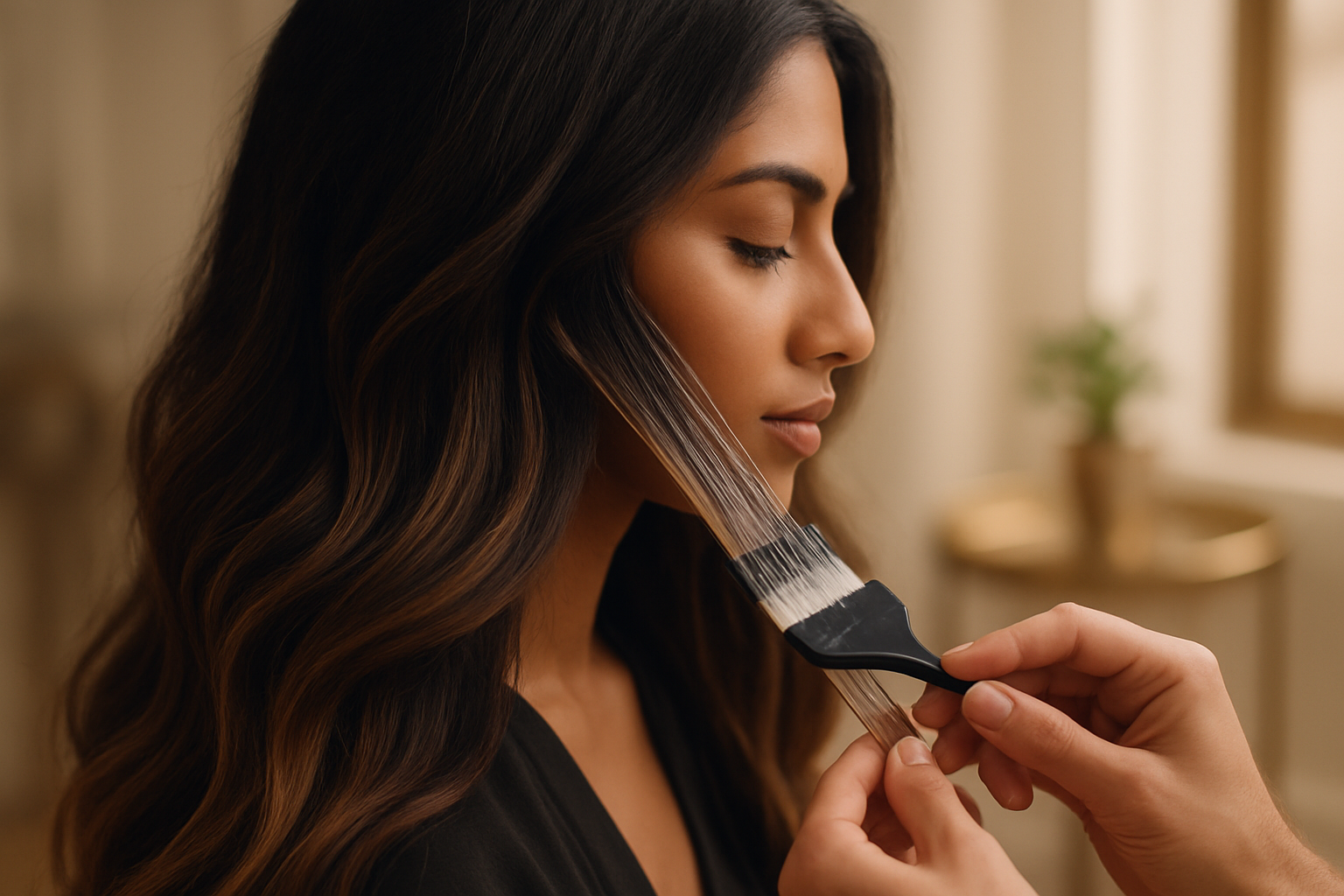
- Decide on colour early. If you're going darker for the wedding, or covering greys, or doing a subtle warm gloss for photos, this is when to plan it with your colourist — not two weeks before.
If your ends are chewed up from years of straightening, this is also the honest window to discuss whether a smoothing service like keratin makes sense for your hair type. Not every bride needs it. Fine, wavy hair often looks better with a bond-building treatment instead. Our team walks brides through the options during a hair treatment consultation so you're not paying for something your hair doesn't want.
60 Days Out: Build Strength, Don't Chase Shine
At two months, shine is not the goal. Strength is. Shiny hair that snaps looks terrible in a jorra.
The at-home routine that actually moves the needle
- Wash twice a week, maximum three. Lahore's water is hard; over-washing strips the cuticle and makes colour fade faster.
- Alternate protein and moisture masks weekly. Protein one week (look for hydrolysed keratin or wheat protein), moisture the next (shea, argan, panthenol). Doing only one causes brittleness or limpness.
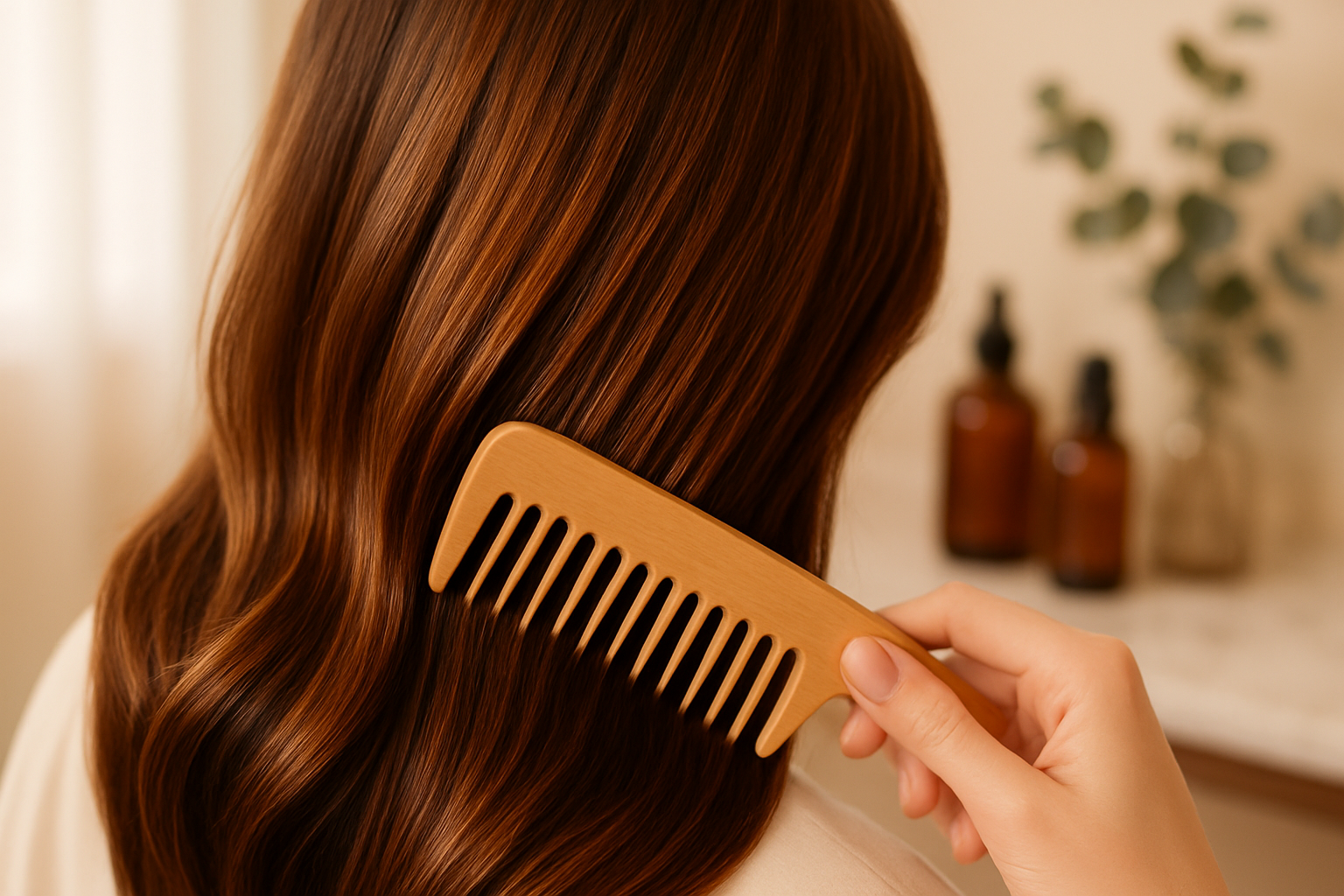
- Oil the mid-lengths and ends, not the scalp, the night before every wash. A light warm oil massage twice a week is enough — more than that weighs hair down and clogs follicles.
- Silk pillowcase, always. This one change reduces morning breakage more than any serum you can buy.
This is also when to introduce a salon-grade bond treatment — the kind that rebuilds the internal disulfide bonds broken by heat and colour. A single session every 3–4 weeks in the run-up is more effective than any drugstore mask you can layer on at home.
45 Days Out: The Extensions Decision
If you're considering length or volume for the Barat, this is your window. Not two weeks before. Not the day of.
Why 45 days? Because:
- You need a colour-matching appointment, then time for the pieces to arrive.
- Your scalp needs to acclimatise to the wefts or tapes before a heavy hairstyle sits on them.
- You'll want at least one trial run under bridal jewellery to check the weight distribution.
Good hair extensions are an investment, and they photograph beautifully when installed with intention. Cheap clip-ins bought online three days before the wedding almost always slide, tangle and look shiny in a bad way under flash photography. If this is on your list, book the consultation now.
30 Days Out: Lock the Look, Stop Experimenting
One month out, stop trying new things. No new shampoo, no new serum, no first-time olaplex-dupe from a friend's cousin, no bleach experiments. Your hair should be settling into a rhythm.
What to do in the final month:
- Trial your bridal hairstyle. For at least the Barat and one other event, do a hair trial with your stylist. Photograph it in daylight and under warm indoor light — Lahore wedding halls are golden, and some styles read very differently on camera.
- Do your last colour refresh 2–3 weeks before the wedding, never in the final week. Fresh colour needs time to soften and for any toner shift to settle.
- Book your final deep conditioning treatment 7–10 days before Mayun. Not the day before — freshly treated hair is often too slippery to hold a set.
- Sleep protection matters more now than ever. Loose braid, silk pillowcase, no wet-hair sleeping.
Many of our brides also book a full hair and scalp care session in this window as a reset before events begin.
The Final Week: Less Is More
Bridal week is a maintenance week, not a transformation week.
Do
- Wash your hair the night before the event you're getting styled for, not the morning of. Day-old hair holds a curl and pins better than freshly washed hair.
- Keep a lightweight leave-in and a boar-bristle brush in your bag between events.
- Drink water. Scalp hydration is real, and stress + AC + late nights will show in your hair by Walima if you don't.
Don't
- Don't oil heavily the night before styling. It sabotages hold.
- Don't try a new hair mask, no matter what a reel promises.
- Don't skip meals — protein deficiency shows in hair texture faster than most brides expect.
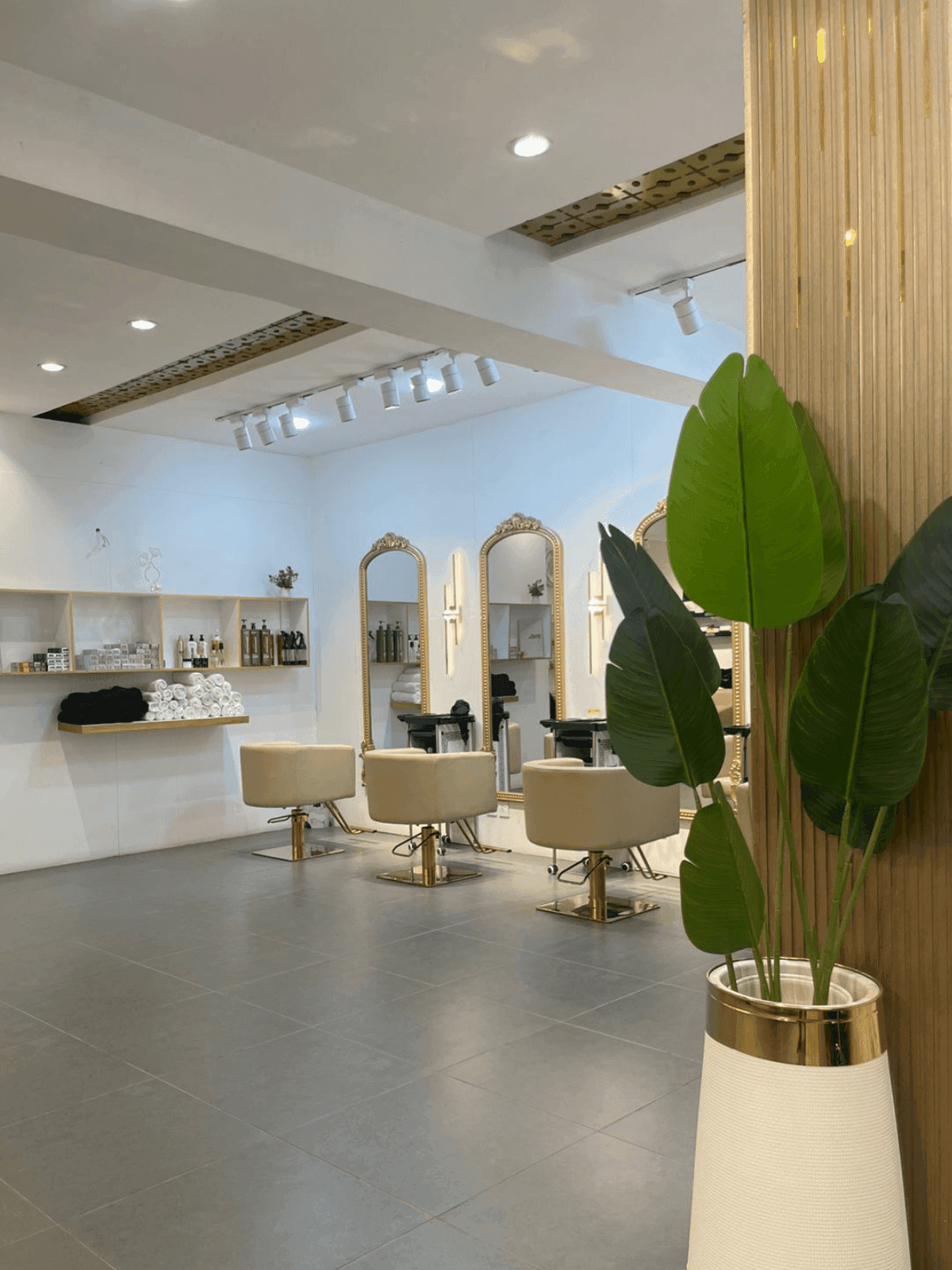
If you're doing all four events, discuss the hair plan for each with your artist in advance. At our DHA studio we build the bridal package around your hair's actual capacity — a heavy jorra for Barat, softer waves for Walima, and enough recovery time in between so the hair doesn't look tortured by day four.
A Word on Stress, Sleep and the Unsexy Stuff
The honest truth: the bride who slept six hours a night and ate real meals will always have better hair on the day than the one who lived on chai and shaadi shopping. Cortisol affects the scalp, iron levels affect shine, and dehydration affects everything. No mask on earth undoes three sleepless weeks.
Prepare your hair like you prepare your skin — early, consistently, and with a plan you can actually stick to. That's what makes the difference between hair that looks done and hair that looks like yours, at its absolute best.