· 5 min read
Self-Care Sundays: The Salon Ritual That Beats Burnout
A thoughtfully planned Sunday at the salon can reset your week, your skin and your nervous system. Here's how to build the ritual that actually works.
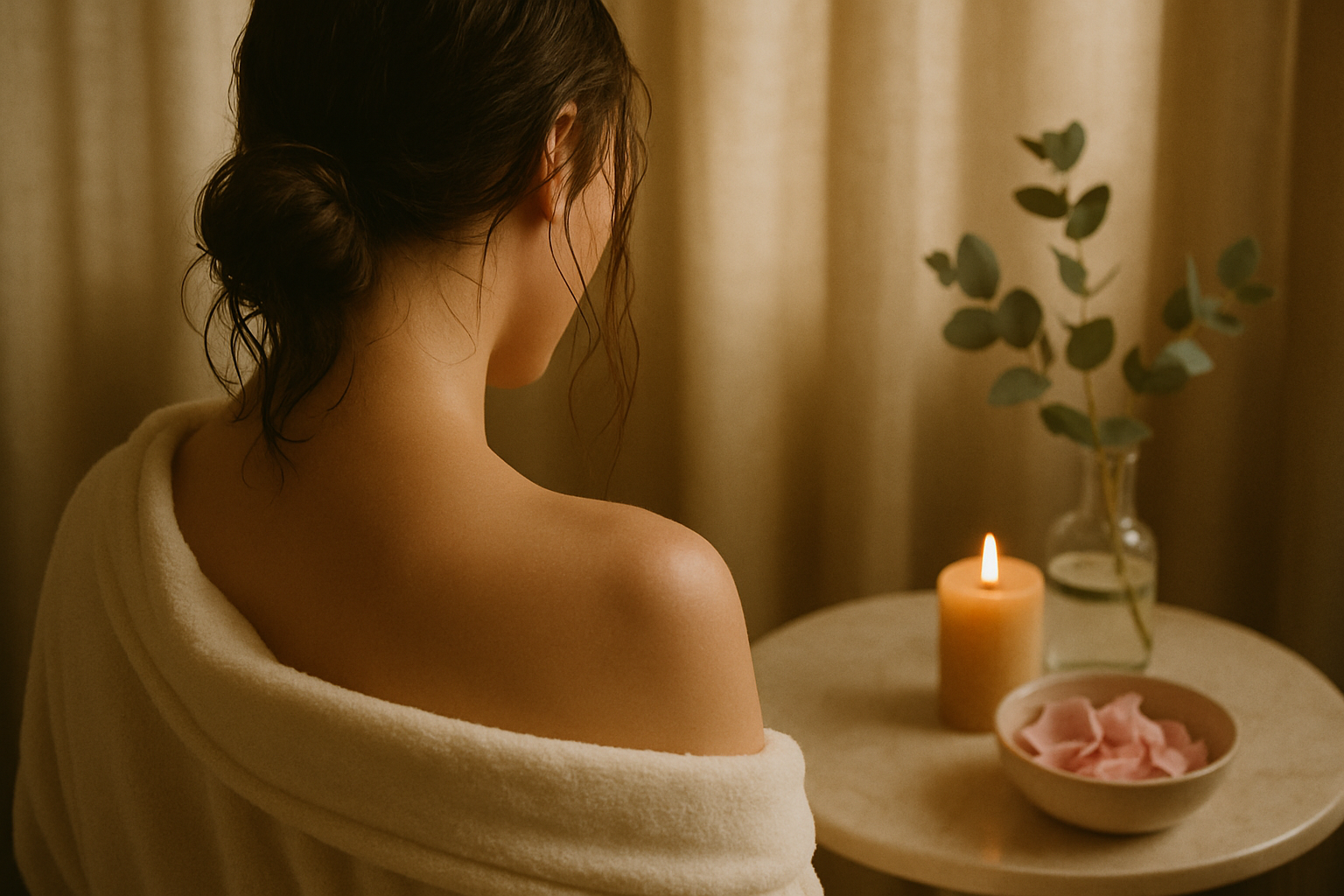
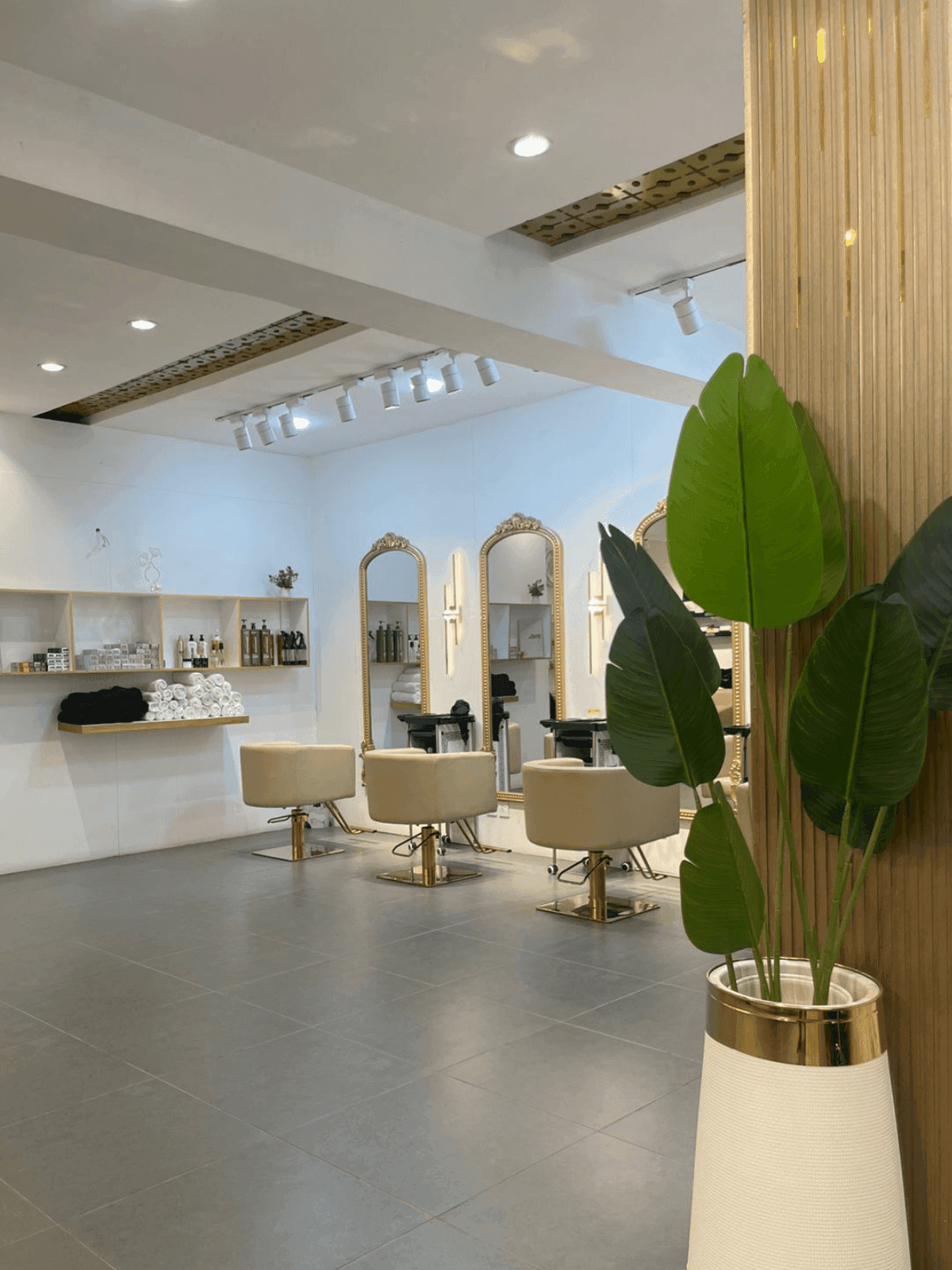
By Friday evening, most of the women who walk into our studio in DHA Phase 3 have the same look in their eyes — a quiet exhaustion that no amount of coffee is fixing. Lahore is a demanding city. Between traffic on Khayaban-e-Jinnah, back-to-back weddings, work calls, children, in-laws and the sheer heat, your nervous system rarely gets a proper exhale. This is exactly why we started recommending a Self-Care Sunday ritual to our regulars. Not a once-a-month pampering splurge — a planned, repeatable weekly reset that treats your body, hair and skin as one connected system. Done right, it genuinely changes how you walk into Monday.
Why Sunday — and Why a Ritual, Not a Random Appointment
Burnout isn't just tiredness. It's your body losing the ability to downshift. When you book treatments randomly — a facial here, nails there — you get moments of relief but never the compounding effect. A ritual works because your mind starts anticipating it. By Thursday you're already breathing easier knowing Sunday is coming.
Sunday also works biologically. It's the day you're most likely to actually be unreachable. Phones can be silenced. Drivers can wait. And the treatments you receive have a full night of sleep to settle in before the week starts.
What a ritual needs to qualify as one
- Consistency — same day, roughly same time, every week or fortnight
- Sequence — treatments ordered so each one amplifies the next
- Protection — no work calls, no scrolling through the massage
- Closure — a small ending gesture (tea, a walk, journaling) so your brain registers the reset
The Ideal 3-Hour Sunday Sequence
After years of trial and client feedback, here's the order we recommend. The logic matters — doing nails before a massage, for example, undoes half the benefit because oils soften fresh polish.
- Start with the body (45–60 min). A full-body massage first. Your cortisol is highest when you walk in; this is what brings it down. Everything after lands on a calmer system.
- Then the face (60–75 min). With your circulation already warmed up, a facial absorbs better. Pores open faster, lymphatic drainage is more effective, and the extractions hurt noticeably less.
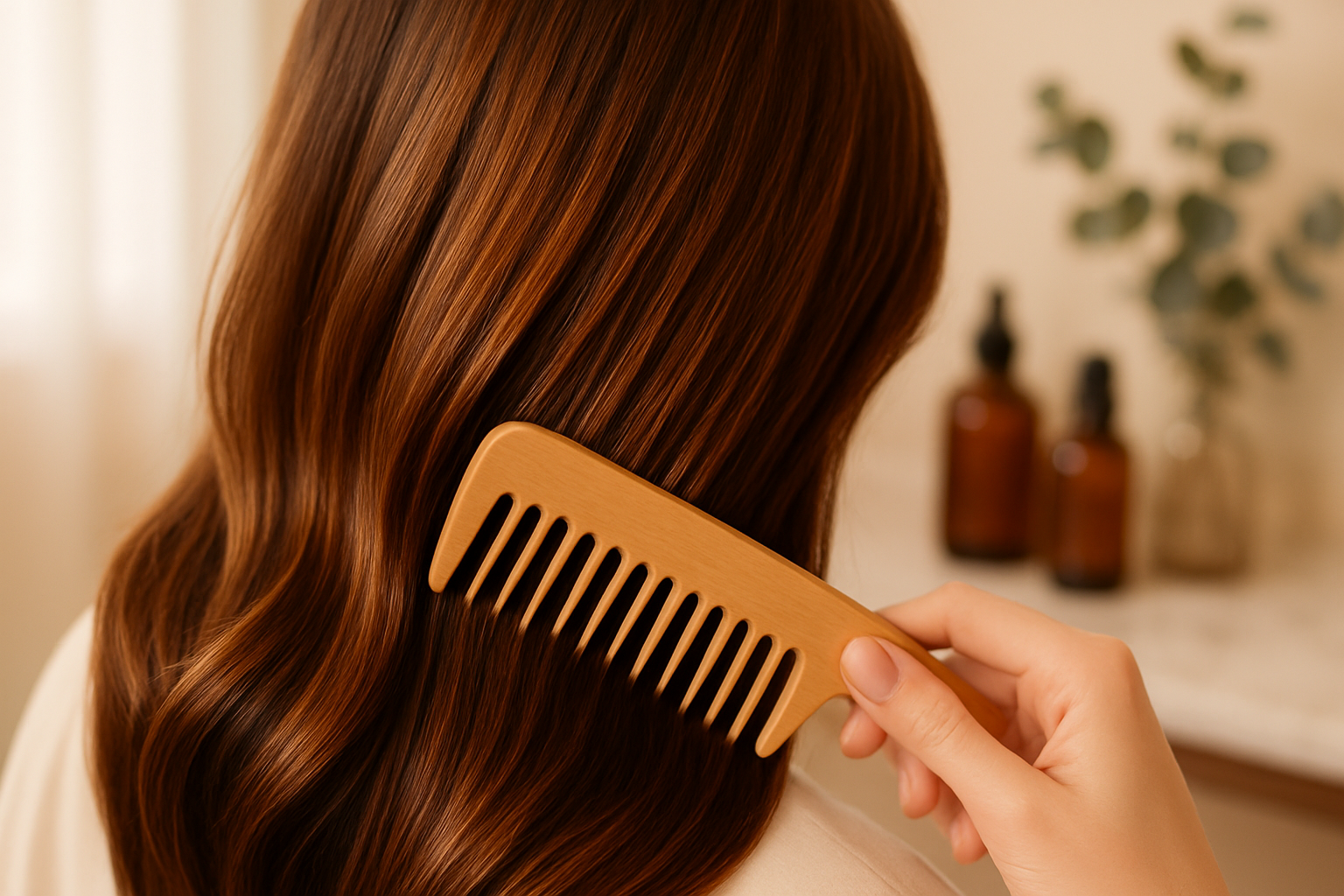
- Hair treatment next (45 min). A deep conditioning or scalp therapy from our hair treatments menu. Scalp massage at this stage feels almost meditative because you're already relaxed.
- Finish with hands and feet (45 min). A medi-pedi closes the ritual. It's the only step where you're sitting upright, slightly alert, which gently transitions you back to the real world.
Total: around three hours. You can trim it to two by alternating weeks — massage + facial one Sunday, hair + medi-pedi the next.
The Case for Massage First (Most Women Skip This)
In Lahore, massage is still treated as a luxury add-on rather than foundational care. It shouldn't be. If you spend eight hours a day hunched over a laptop or steering through Model Town traffic, your trapezius muscles are locked. That tension is why your facial glow fades by Wednesday — fluid isn't moving properly through your face and neck.
A 45-minute body massage with medium pressure, focusing on shoulders, neck and lower back, does three things at once:
- Breaks up fascia so facial drainage works
- Lowers heart rate, which improves sleep that night
- Releases stored tension in the jaw — the single biggest hidden cause of forehead lines in women over 30
If you take nothing else from this article, add a weekly or fortnightly massage before your facial.
Matching the Ritual to Your Life Stage
Not every woman needs the same Sunday. Here's how we tailor it.
The working professional (28–40)
Focus on nervous system recovery. Deep-tissue massage, a hydrating cleansing facial, scalp treatment for stress-related hair fall, and a quick gel manicure that survives a week of typing.
The mother of young children
She needs silence more than any specific treatment. We dim lights, skip conversation unless she wants it, and lean heavier on massage and scalp work. A simple nail refresh beats an elaborate design — she needs low-maintenance for the week ahead.
The bride-to-be
Her Sundays become structured skin and hair prep. Alternating facials, polishing sessions, and consistent hair treatments in the months before the wedding. The ritual doubles as her countdown.
The woman recovering from a hard season
Post-illness, post-grief, post-divorce — go gentle. Massage and scalp care only for the first few Sundays. Introduce facials once her skin isn't reactive. The goal is nervous system repair before anything cosmetic.
Small Details That Make the Ritual Stick
The difference between a nice spa day and a life-changing habit is in the small protective choices.
- Book standing appointments — same slot every Sunday, locked in a month ahead. Decision fatigue is the enemy of consistency.
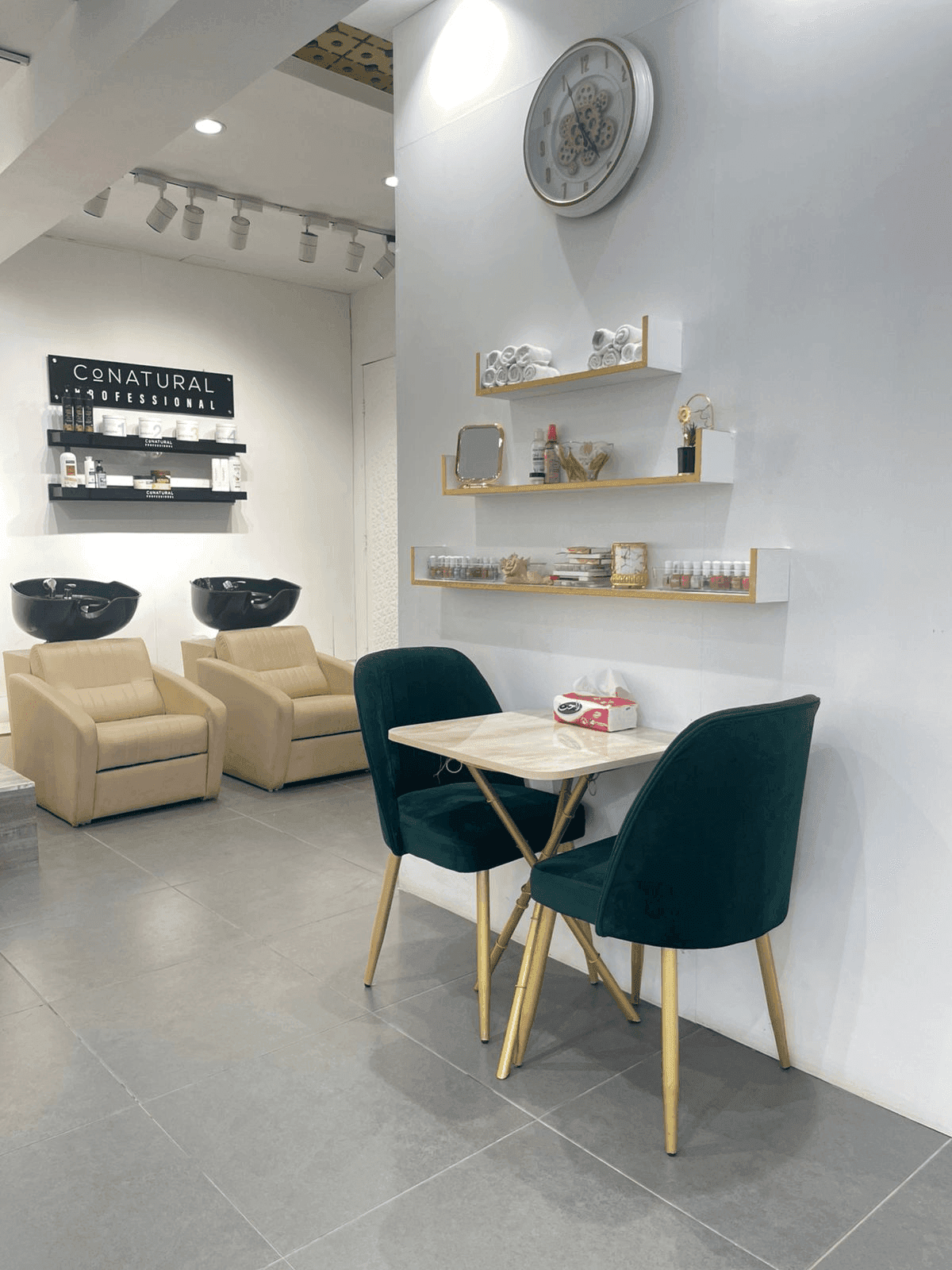
- Arrive 15 minutes early. Sit in the lounge. Drink water. Don't rush in sweating from the car.
- Leave the phone in your bag, face down. Not on the trolley beside you.
- No post-salon errands. Go home. The ritual is unfinished until you've rested.
- End with the same gesture every week — green tea, a bath, ten pages of a book. Your brain learns to associate it with safety.
When to Add, Subtract or Change the Ritual
After about six to eight weeks, you'll know what your body actually needs. Some women drop the facial to monthly and add weekly hair treatments because their scalp was the real issue. Others realise the massage alone has transformed their sleep and keep everything else minimal.
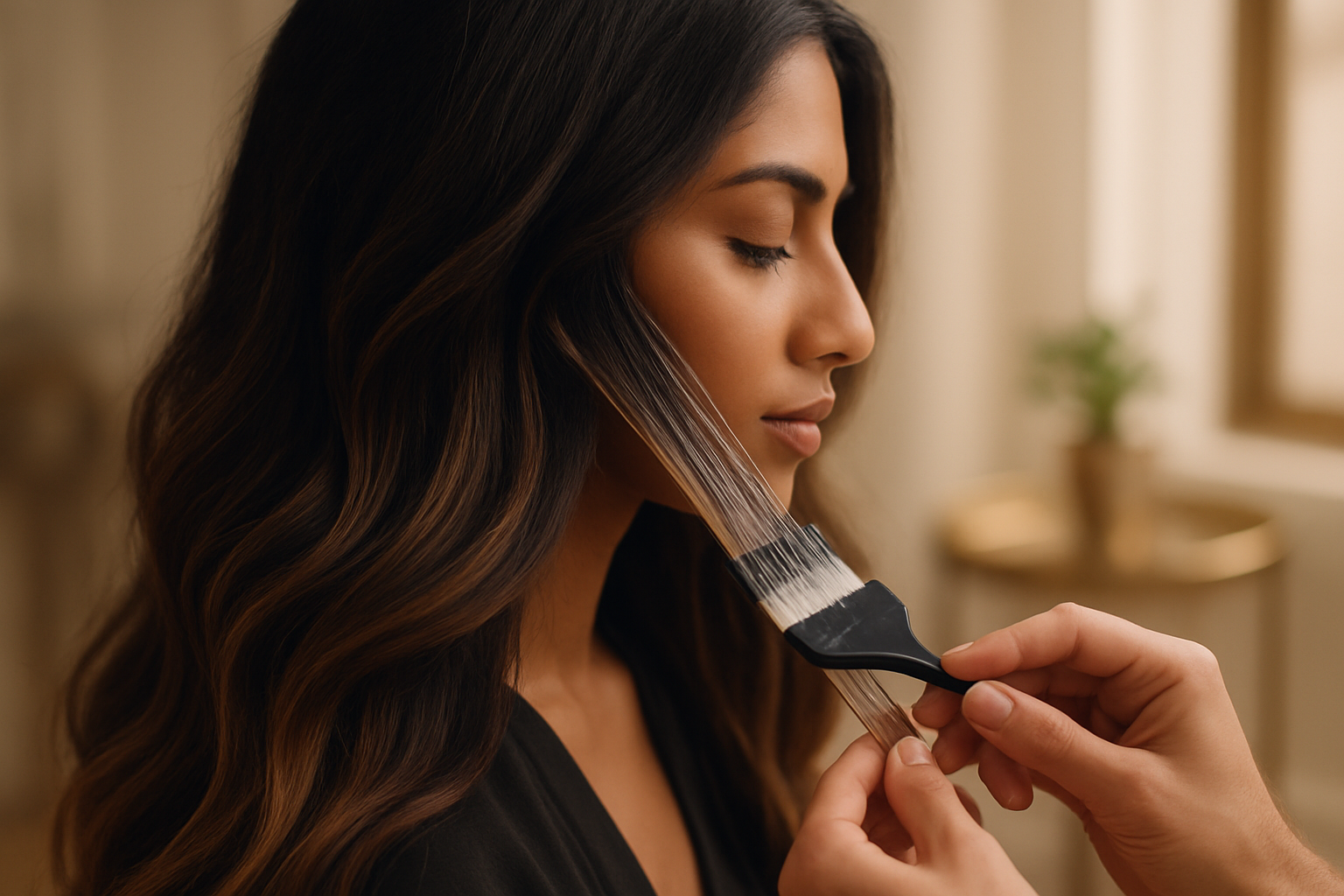
Seasonally, adjust too. Lahore summers call for more cleansing and lighter hair masks. Winter wants richer facials, deeper conditioning, and longer massages with warm oil. Twice a year, upgrade one Sunday into a longer session — add polishing or a colour refresh — to mark the change of season.
The women I see thriving in this city aren't the ones with the most treatments on their calendar. They're the ones who've made one afternoon a week genuinely sacred. Start this Sunday. Keep it small. Let it compound.