· 6 min read
Dandruff in Lahore: Why It Happens & How to Actually Fix It
From smog to hard water to over-washing, Lahore's climate is a perfect storm for flaky scalps. Here's what's really causing your dandruff and the routine that fixes it.
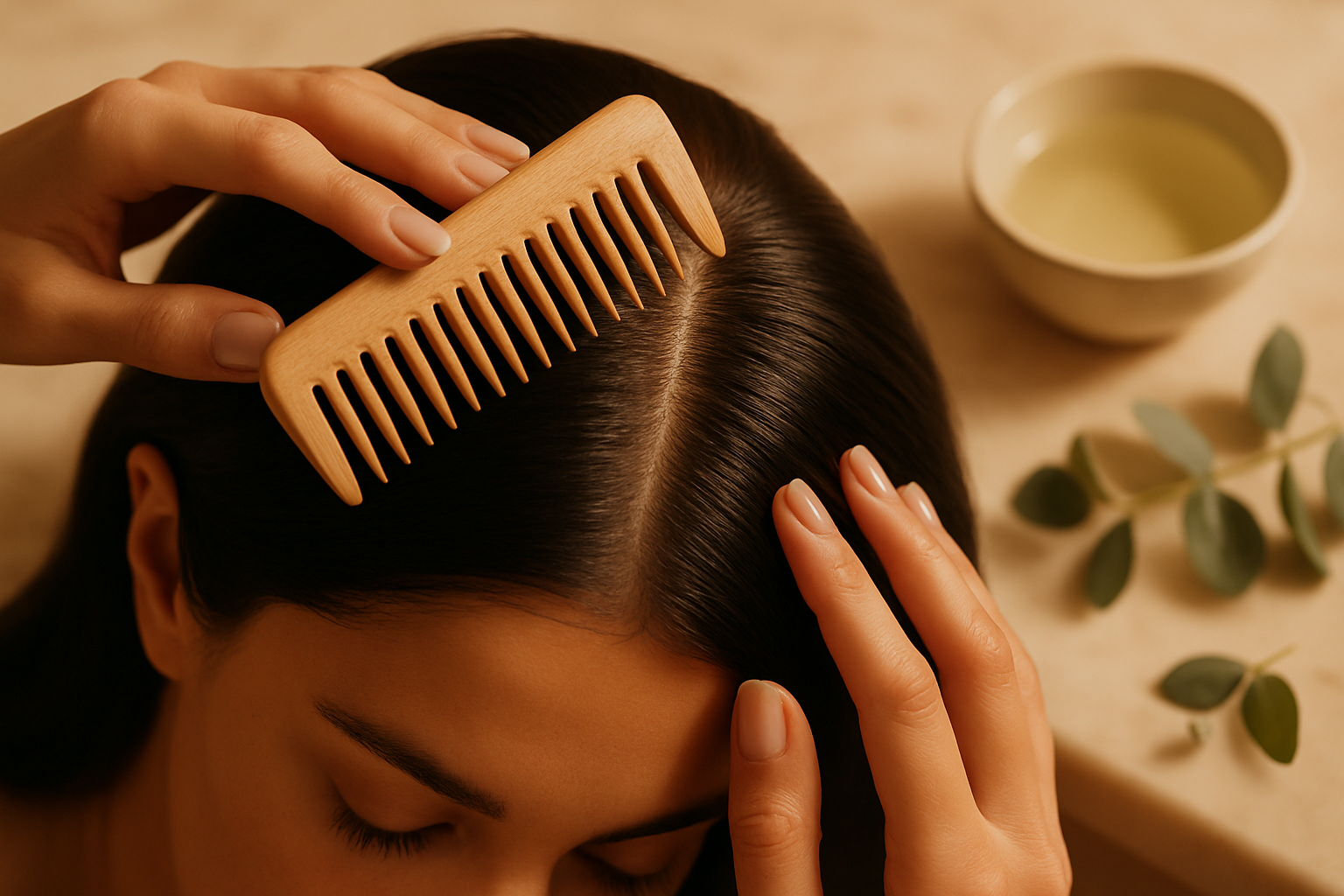
If you have been quietly flicking white flakes off your shoulders before every meeting, you are not alone. Dandruff is one of the most common complaints we hear at the salon, especially between October and February when Lahore's air thickens with smog and homes switch on dry indoor heating. The good news: dandruff is almost always fixable once you understand what is actually feeding it. The bad news: most of the shampoos being sold as "anti-dandruff" in Pakistan either strip your scalp raw or barely touch the real cause. Let's break down what is going on up there and how to fix it properly.
What Dandruff Actually Is (And What It Isn't)
Dandruff is not just "a dry scalp." In most cases it is a mild inflammatory reaction to a yeast called Malassezia that lives naturally on everyone's scalp. When your scalp's oil balance, pH or barrier is disturbed, this yeast overgrows, irritates the skin, and speeds up skin cell turnover — which is why the flakes are larger, oilier and yellow-tinged rather than fine and powdery.
A few quick ways to tell what you are dealing with:
- Classic dandruff: larger, sometimes greasy flakes, itchy scalp, often worse near the crown and hairline.
- Dry scalp: small, dry, white flakes with tight, tingly skin — usually improves the moment you oil.
- Product buildup: flakes that appear a day or two after using heavy serums, dry shampoos or gels.
- Seborrheic dermatitis: redness, thicker yellow scale, sometimes spreading to eyebrows and sides of the nose — this needs medical input, not just a shampoo swap.
If you are itching constantly, seeing bleeding patches, or losing hair in defined spots, please see a dermatologist before spending on treatments.
Why Lahore's Environment Makes Dandruff Worse
Lahore is genuinely a difficult city for scalps, and pretending otherwise doesn't help anyone. A few local factors we see stacking up on clients in DHA and surrounding areas:
- Hard water. Most Lahore taps run hard, leaving mineral residue on the scalp that disrupts pH and irritates the skin barrier.
- Smog and particulate pollution. From November through February, fine particulate matter settles into your scalp the same way it settles on your car. Combined with sebum, it forms a sticky film that feeds Malassezia.
- Temperature swings. Air-conditioned offices, then dusty commutes, then hot showers — your scalp's oil glands never stabilise.
- Over-washing with harsh sulphate shampoos. Many women wash daily with strong clarifying shampoos to feel "clean," which strips protective oils and triggers rebound oiliness within hours.
- Heavy hair oils left on too long. Traditional overnight oiling with coconut or mustard oil can genuinely worsen Malassezia-driven dandruff because the yeast feeds on certain lipids.
- Tight hijabs, dupattas and wet buns. Trapped humidity is a yeast paradise. This is a huge, under-discussed cause in Pakistani women.
None of these are your fault — but they all need to be worked around.
The Actual Routine That Clears Dandruff
Here is the framework we walk clients through. It usually takes three to four weeks to see real change, so please don't judge it after one wash.
1. Wash more strategically, not more often
Aim for two to three washes per week with a targeted anti-dandruff shampoo. Look for one active ingredient at a time:
- Zinc pyrithione or piroctone olamine for oily, itchy scalps.
- Ketoconazole 1–2% (available in Pakistan) for stubborn or recurring dandruff — use twice a week, alternated with a gentle shampoo.
- Salicylic acid if you have thick, stuck-on scale.
Apply the shampoo directly to the scalp, massage for 60 seconds, and leave it on for 3–5 minutes before rinsing. Most women rinse too fast for the actives to work.
2. Fix your water where you can
A basic shower filter attached to your bathroom outlet noticeably reduces mineral load. It won't cure dandruff on its own, but it stops sabotaging everything else you're doing.
3. Rethink oiling
If you have oily, flaky dandruff, stop overnight oiling entirely for a month. Instead, do a pre-wash scalp oil for 30–45 minutes only, then shampoo out. Lighter oils like jojoba or a few drops of tea tree in a carrier are far better than heavy coconut for a dandruff-prone scalp.
4. Treat the scalp like skin, not carpet
Your scalp is facial skin. It needs gentle exfoliation, hydration and protection — not just scrubbing. Once every 10–14 days, use a scalp scrub or a chemical exfoliating scalp serum (salicylic or lactic acid based).
Salon Treatments That Genuinely Help
At-home care handles about 70% of the job. The other 30% — the deep buildup, the pollution grime, the stubborn flakes near the crown you can't reach — is where a proper salon session pulls its weight. A few things we actually recommend at Rabbiz:
- Scalp detox and clarifying wash. A deep hair treatment with a clarifying, anti-fungal focused product lifts weeks of smog, sulphate residue and product buildup in one sitting. This is our most requested service in smog season.
- Scalp massage with targeted serums. Beyond feeling wonderful, a proper 20-minute scalp massage improves microcirculation and helps active ingredients penetrate. Many clients pair it with a full body massage as a monthly reset.
- Professional colour correction and gentler dyeing. If you colour your hair, harsh box dyes can trigger scalp inflammation that mimics dandruff. Switching to salon-applied, ammonia-lower formulas through our hair services makes a visible difference within two cycles.
- Keratin and smoothing treatments — with caution. Done well, they reduce friction and buildup. Done badly, they irritate the scalp. Always ask what is being applied and whether it touches the roots.
Lifestyle Habits That Quietly Feed Dandruff
A few changes that cost nothing and consistently move the needle for our clients:
- Never tie hair up wet. A wet bun for two hours is enough to trigger a flare.
- Wash pillowcases twice a week. They collect sebum, product and yeast.
- Clean your hairbrush weekly with shampoo and warm water.
- Cover your hair during peak smog hours (early morning and after sunset in winter), then wash it off when you get home rather than sleeping on it.
- Watch sugar and dairy spikes. We can't promise a diet cure, but many clients notice flare-ups after heavy sugar weeks — weddings, Eid, exam stress.
- Manage stress sleep. Cortisol genuinely worsens scalp inflammation. This isn't wellness fluff; it's why your scalp flares before big events.
When To Stop Guessing And Get Professional Help
Book a consultation if: your flakes haven't improved after four weeks of consistent care, you're seeing redness or hair thinning along with dandruff, or your scalp itches enough to disturb sleep. A quick scalp assessment at the salon — or a dermatologist visit for prescription-strength ketoconazole or a mild topical steroid — will save you months of trial and error.
Dandruff in Lahore isn't a personal failing. It's the predictable result of a demanding climate meeting a scalp that's being asked to cope with too much. Give it the right routine, cut out the sabotaging habits, and it will settle. Most of our clients see clear improvement within a month — and stay clear as long as they respect the rhythm.