· 5 min read
Hair Care After Coloring: What Really Works in Lahore
Colored hair in Lahore's heat and hard water needs a smarter routine than most women realise. Here's what actually protects your tone, shine and length.
Walking out of the salon with fresh color is a small kind of magic — the shine, the depth, the way it catches light when you turn your head. But by week three, most women in Lahore notice the same thing: the color looks duller, the ends feel straw-like, and the tone has shifted warmer or brassier than they remember. That's rarely the colorist's fault. It's almost always what happens between appointments — the water, the wash schedule, the styling tools, and the products sitting on the shelf.
Here's the honest, practical routine we recommend to our color clients at the salon — the one that keeps tone true, cuticles smooth, and length intact until your next appointment.
The First 72 Hours Are Non-Negotiable
Color molecules need time to fully settle into the cortex of the hair. If you wash too soon, you're literally rinsing pigment down the drain before it has bonded properly.
- Wait at least 72 hours before your first wash. Three full days is the sweet spot. If your scalp feels oily, a light dusting of dry shampoo at the roots is fine.
- Skip the gym sweat sessions if you can. Sweat is acidic and speeds up fade, especially on the crown.
- No swimming pools for a week. Chlorine is the fastest way to turn a warm brunette into an unwelcome copper, and it will pull ash tones green.
- Sleep on a silk or satin pillowcase. Cotton drags on the cuticle and roughs up freshly opened strands.
If you got a lightening service or balayage, ask your colorist about a bond-repair take-home treatment. It's worth every rupee in the first two weeks.
Your New Washing Rules
This is where most colored hair goes wrong in Lahore. Our tap water is hard — full of calcium and iron deposits that oxidise on the hair shaft and shift color tone. Combine that with daily washing and hot showers, and even the most expensive color job will look tired in a fortnight.
Wash less, wash smarter
- Two to three washes per week is ideal. Any more and you're stripping natural oils that keep color sealed in.
- Use lukewarm water, never hot. Heat opens the cuticle; open cuticles bleed color.
- Finish with a cool-water rinse. Even fifteen seconds seals the cuticle and adds shine.
- Invest in a sulphate-free, color-safe shampoo. Sulphates are detergents — they clean well, but they also lift color with every wash.
- If your hair pulls warm or brassy, use a purple or blue shampoo once a week (purple for blondes, blue for brunettes with highlights).
If your water is particularly hard — common across DHA and Cantt areas — consider a shower filter or a monthly clarifying wash followed immediately by a deep mask.
Conditioning and Masks That Actually Do Something
Colored hair is porous hair. It drinks in moisture but also loses it quickly, which is why the ends fray and split faster after coloring.
- Condition every wash, from mid-length to ends only. Root-heavy conditioning weighs hair down and shortens the life of your blowout.
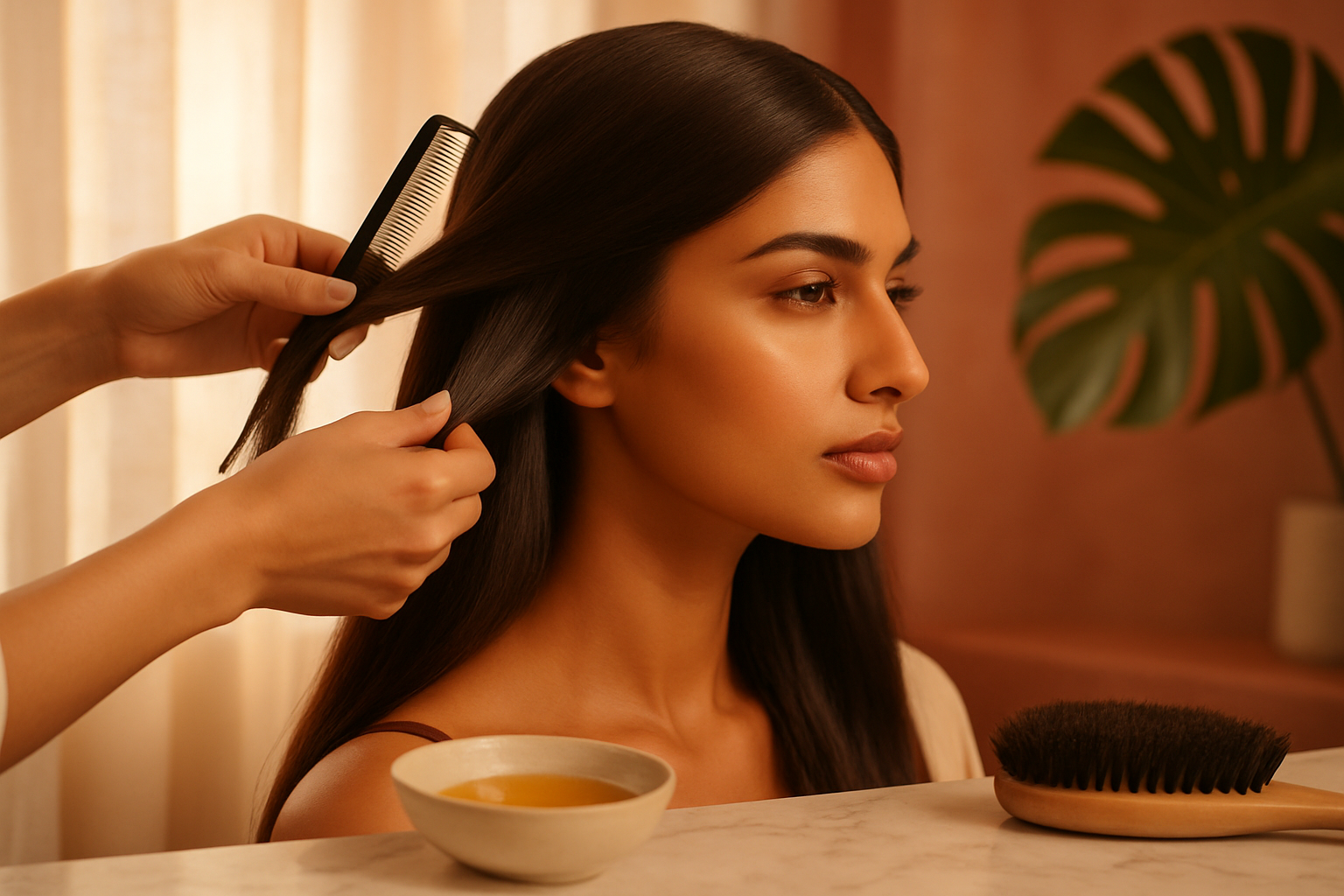
- Use a deep mask once a week. Look for ingredients like hydrolysed keratin, argan oil, shea butter, or ceramides. Leave it on for 10–15 minutes under a warm towel — the heat helps it penetrate.
- Layer a leave-in on damp hair. A lightweight leave-in cream or milk locks moisture in before you style.
- Oil your ends, not your scalp. A drop of argan or camellia oil on the last two inches at night keeps splits at bay without weighing hair down.
Every six to eight weeks, we recommend an in-salon hair treatment — a proper deep-conditioning or gloss service that works far deeper than anything you can do at home. Think of it as maintenance, not indulgence.
Heat Styling Without the Damage
You don't have to give up your blow-dryer or straightener, but you do have to be smarter about them.
- Always use a heat protectant. Not sometimes — always. Apply it to damp hair before drying, and again before any iron work.
- Keep straighteners at 170–180°C, not 220°C. Anything above 200°C is where real protein damage begins on colored hair.
- Rough-dry to 80% before using a round brush. Blasting soaking-wet hair with heat cooks the cuticle.
- Air-dry when you can. Two or three heat-free days a week make a visible difference within a month.
If your hair feels rough, gummy when wet, or won't hold a curl, that's protein damage — book a bond-building treatment before you color again.
Sun, Pollution and the Lahore Factor
Living in Lahore adds two variables most international routines ignore: brutal UV and thick pollution. Both oxidise color faster than anything else.
- Wear a hat or scarf on long outdoor days. UV lifts red and gold tones out of hair the way it fades a car dashboard.
- Use a UV-protectant leave-in in summer. Many color-safe brands make one — it's a lightweight spray you refresh through the day.
- Rinse your hair after a dusty commute. You don't need to shampoo; a plain water rinse followed by conditioner on the ends is enough to lift out particulate matter.
- Tie hair loosely at night. A low braid or silk scrunchie prevents mid-shaft breakage.
When to Come Back to the Salon
At-home care can only do so much. Colored hair needs professional check-ins to stay looking expensive.
- Root touch-ups: every 4–6 weeks if you're covering greys or maintaining a solid base.
- Balayage or highlights: every 10–14 weeks. Balayage is designed to grow out gracefully — don't over-service it.
- Gloss or toner refresh: every 6–8 weeks. This is the single best-value service for keeping color looking fresh without committing to full color again.
- Trim: every 8–10 weeks. Split ends travel up the shaft; skipping trims costs you length in the long run.
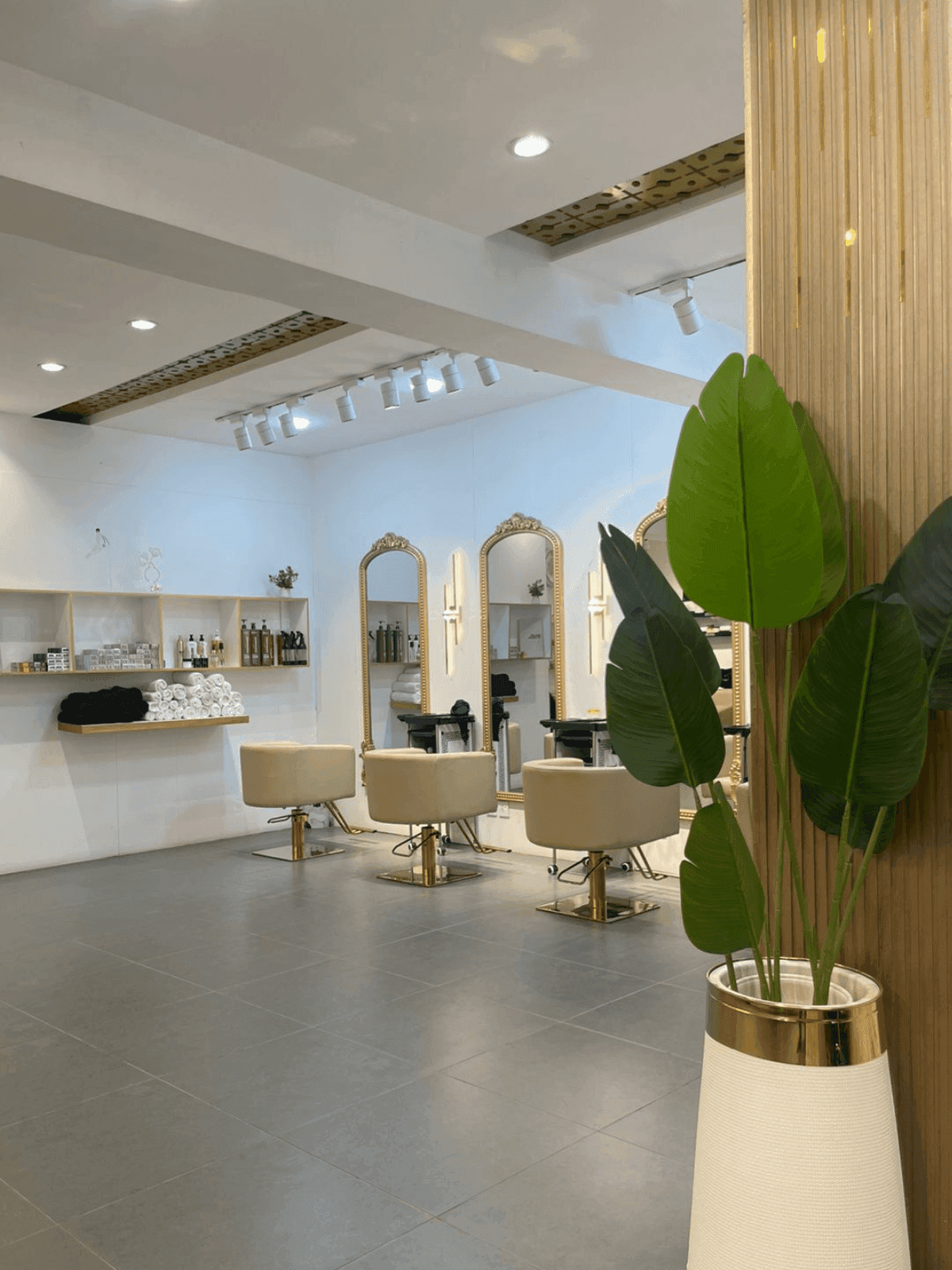
If you're in DHA Phase 3 and unsure what your hair actually needs, book a consultation — sometimes a clarifying wash and a deep mask is all it takes to bring color back to life. For clients who color regularly, we usually build a maintenance calendar that pairs color services with in-between hair care sessions so the tone stays true and the length keeps growing.
Colored hair isn't higher maintenance — it's just different maintenance. Get the fundamentals right and your color will look salon-fresh for weeks longer than you'd expect.