· 5 min read
Hair Fall Reasons & Salon Treatments That Genuinely Help
From Lahore's hard water to postpartum shedding, here's what's really causing your hair fall — and which in-salon treatments make a measurable difference.
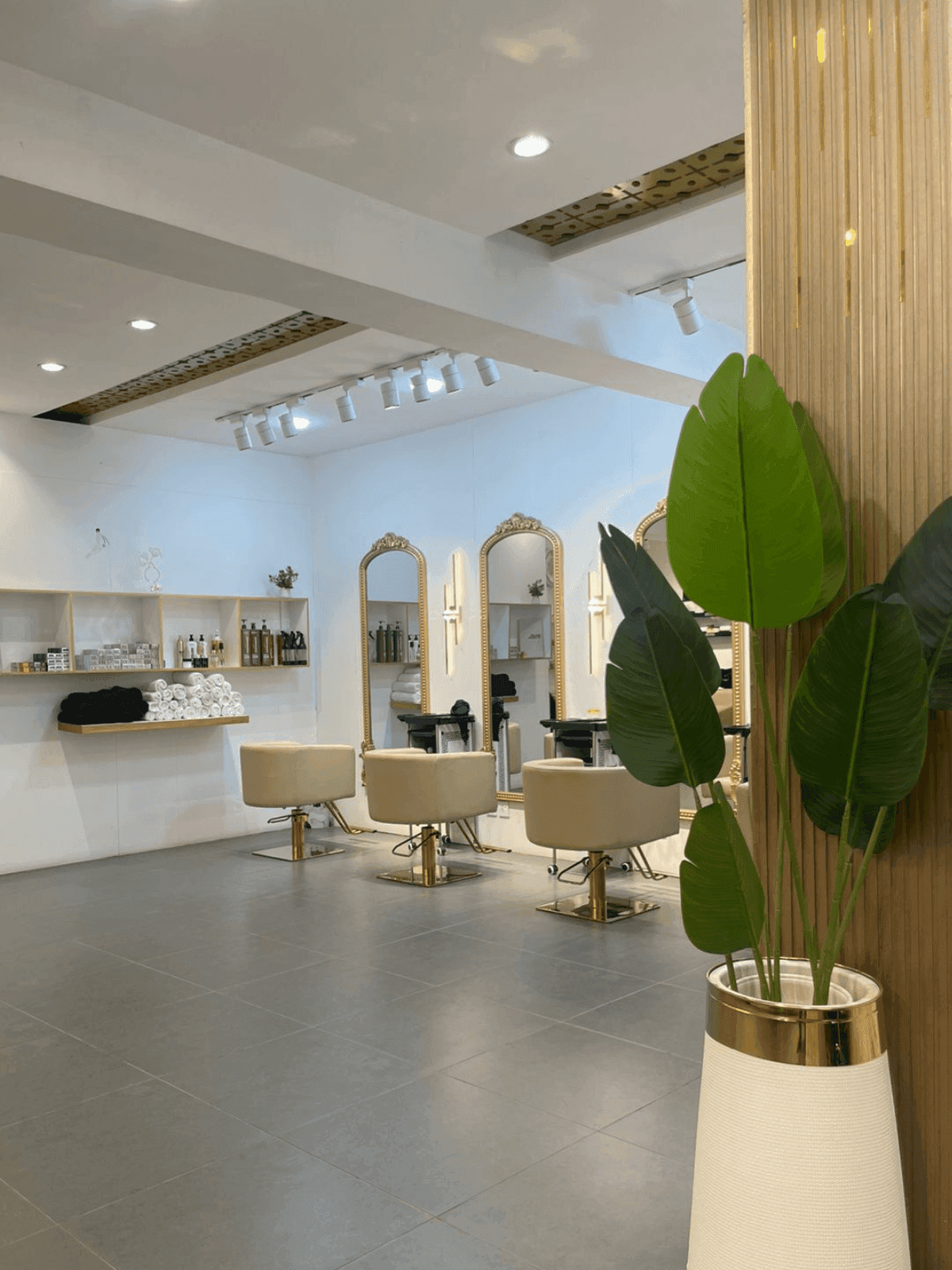
If you're pulling a small handful of hair out of your brush every morning and finding strands on your dupatta by lunchtime, you're not alone. Hair fall is easily the number one concern women walk into our DHA Phase 3 salon with — and it rarely has a single cause. It's usually a stack of small issues: hard water, harsh colour, crash diets, a stressful month, a delivery six months ago, or a scalp that hasn't been properly cleansed in weeks. The good news? Once you know why your hair is falling, the right treatments can slow shedding within a few weeks and rebuild density over a few months. Here's the honest breakdown.
Why Lahori Women Are Losing More Hair Than They Should
Before any treatment can work, the underlying trigger has to be identified. Most cases we see cluster around a few culprits.
1. Hard water and mineral buildup
Lahore's tap water is high in calcium and magnesium. Over months, these minerals coat the hair shaft, dry the scalp, and make roots brittle at the follicle. You'll notice your hair feels straw-like even right after washing, and shedding is worse when you comb wet hair.
2. Postpartum and hormonal shifts
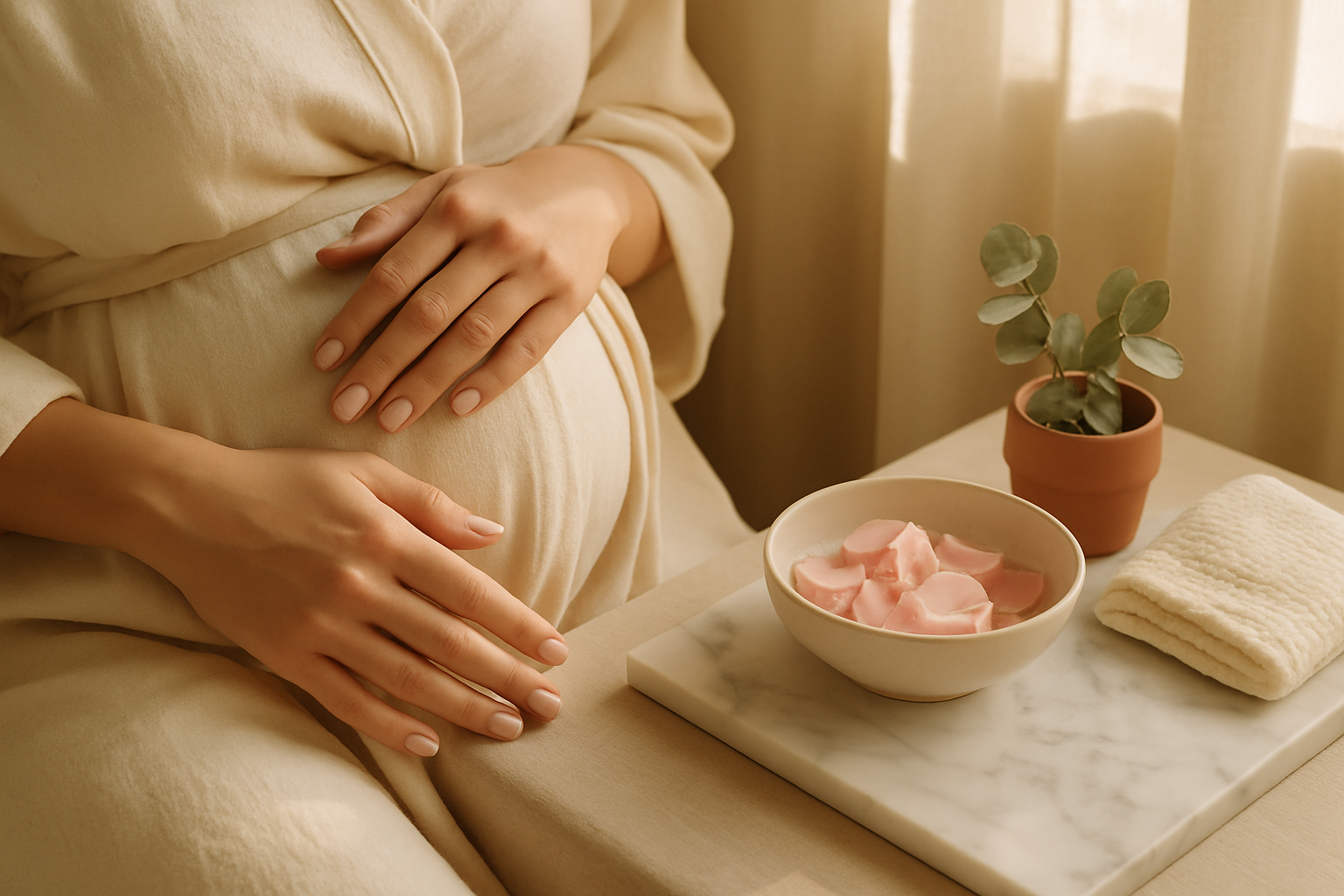
After delivery, oestrogen drops sharply and the hair that stayed in a resting phase during pregnancy sheds all at once. This usually peaks around month 3–6 postpartum. PCOS, thyroid imbalance, and coming off birth control cause similar (but often longer-lasting) shedding patterns.
3. Nutritional gaps
Low iron (very common in Pakistani women), low vitamin D, low B12, and inadequate protein are the four we see repeatedly. A blood panel is worth more than any shampoo here.
4. Traction and heat damage
Tight ponytails, daily straightening, and dupatta friction at the hairline cause traction alopecia — thinning at the temples and crown that many women mistake for genetic hair loss.
5. Product misuse and over-washing
Using keratin shampoo when your hair isn't keratin-treated, oiling and leaving it in for four days, or skipping conditioner entirely — small habits that compound.
6. Stress, sleep and crash dieting
Any sharp calorie drop or emotional stressor shows up on your scalp roughly 8–12 weeks later. This is called telogen effluvium and it's temporary, but it feels alarming.
What Should Happen in a Proper Hair Fall Consultation
At a good salon, you shouldn't be sold a treatment before anyone looks at your scalp. A proper consultation includes:
- Examining the scalp under good light for redness, flaking, or visible thinning patches
- Asking about your last six months — diet, sleep, medication, recent births, colour history
- Checking your hair's porosity and elasticity with a wet strand test
- Discussing what you've already tried (so we don't repeat it)
Only then can a treatment plan be built. If someone recommends the exact same protocol to every client, walk away.
Salon Treatments That Actually Move the Needle
Not every "hair spa" is a hair fall treatment. Here's what genuinely helps, based on what we see working in our chairs.
Deep scalp cleansing (clarifying detox)
Before anything nourishing can penetrate, mineral and product buildup has to come off. A proper clarifying scalp cleanse — done gently, not aggressively — resets the follicle environment. For clients with hard-water damage, this is often the first visible win. Explore our hair treatments menu for the detox options.
Scalp massage with active serums
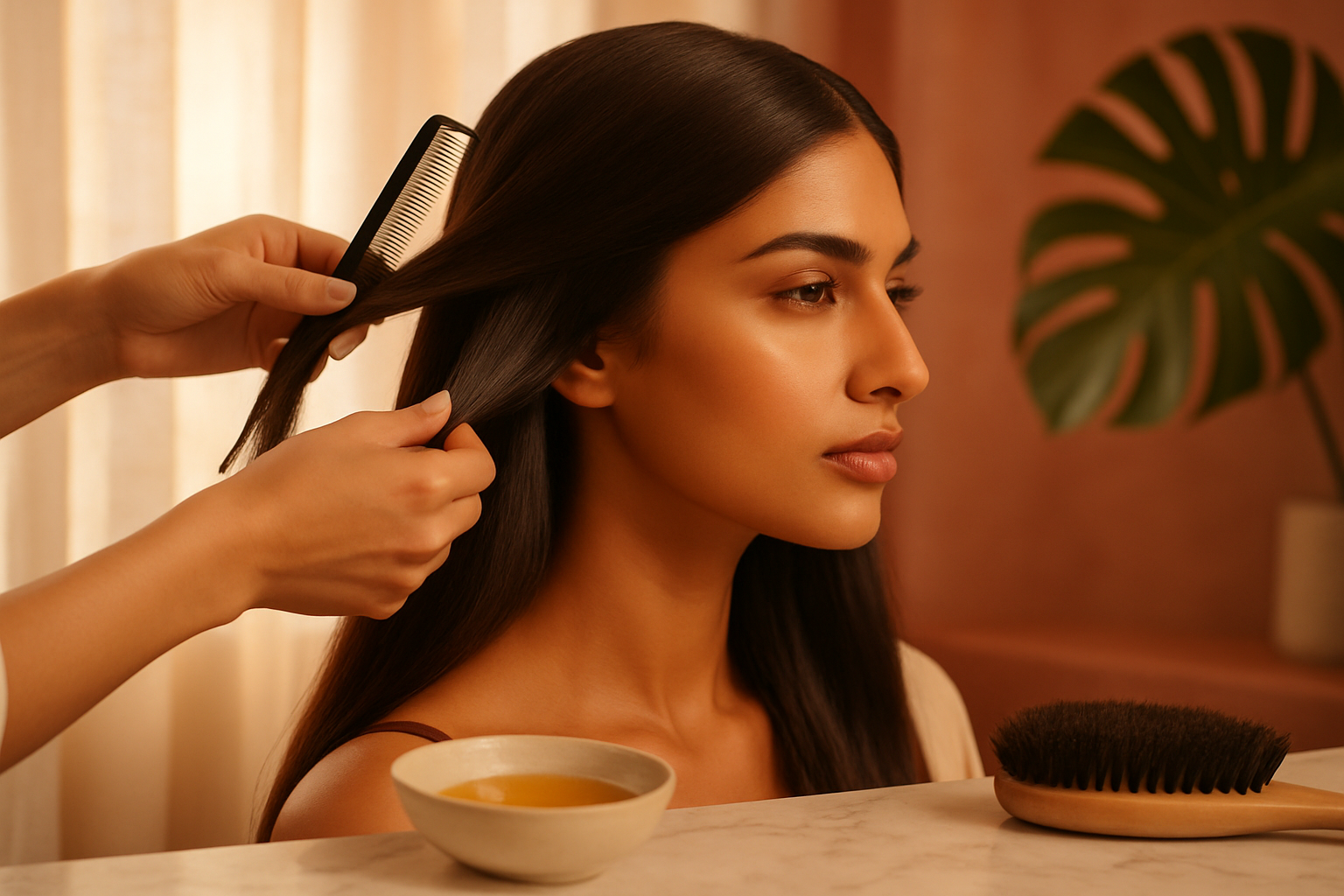
A 20-minute pressure-point scalp massage with peptide- or caffeine-based serums improves microcirculation and helps active ingredients reach the follicle. Doing this every 2–3 weeks for three months produces noticeably less shedding for most clients. Pair it with a monthly body massage if stress is a trigger — cortisol reduction matters more than people realise.
Protein and bond-repair treatments
If your hair is breaking mid-shaft rather than falling from the root, you don't have hair fall — you have hair breakage. Bond-builder treatments (Olaplex-style) and low-dose protein masks are the right call here. Overdoing protein makes hair brittle, so this needs a professional hand.
Keratin — but only when appropriate
Keratin is often mis-sold as a hair fall fix. It isn't. What it does do: reduce daily heat styling (because your hair is already smooth), reduce breakage from brushing tangled hair, and reduce friction shedding. If you straighten your hair four times a week, a well-done keratin can indirectly reduce fall. If your shedding is hormonal, it won't help at all.
Regular trims and styling audits
Split ends travel up the shaft and cause mid-length breakage that looks like hair fall in the shower. A trim every 8–10 weeks in our hair studio genuinely reduces the volume of hair you lose to breakage.
Hair extensions — used carefully
Counter-intuitive, but well-fitted hair extensions can reduce damage during a shedding phase because you stop over-styling your own hair to make it look fuller. The key is a light-weight application and a stylist who checks tension monthly.
What Won't Help (No Matter What Instagram Says)
- Onion juice masks left overnight. They inflame sensitive scalps.
- "Miracle" oils that promise regrowth in 7 days. Follicles don't work that fast.
- Constantly switching shampoos. Your scalp needs 4–6 weeks to adjust to any product.
- Aggressive daily brushing to "stimulate" growth. It causes traction, not growth.
- Ignoring your bloodwork. If iron is at 8, no serum will fix that.
Building a Realistic 90-Day Plan
Hair grows about 1–1.5 cm a month. You will not see dramatic regrowth in two weeks — anyone promising that is selling something. A sensible plan looks like:
- Weeks 1–2: Get bloodwork done. Book a scalp consultation. Do one clarifying detox.
- Weeks 3–8: Bi-weekly scalp massage with actives. Address nutrition. Switch to a gentler wash routine (2–3 times a week, sulphate-free).
- Weeks 9–12: Assess shedding. Add bond repair if breakage is present. Trim mid-lengths.
- Month 3 onward: Maintain monthly scalp treatments and a proper trim schedule.
Most of our DHA clients see visible reduction in daily shedding by week six and new baby hairs along the hairline by month three. It's not magic — it's consistency and treating the right cause.