· 5 min read
Sugar Wax vs Fruit Wax vs Traditional Wax: Which Is Gentlest?
Sugar, fruit and traditional wax all pull hair — but they treat your skin very differently. Here's how each performs on Lahore skin, and which suits sensitive, oily or dry types best.
If you've ever left a waxing appointment with red bumps that lasted three days, you already know: not all wax is created equal. The type of wax your therapist uses matters just as much as her technique — sometimes more. In Lahore, where humidity, pollution and frequent sun exposure already keep skin on edge, choosing the right formula is the difference between smooth, calm skin and a week of irritation.
At the salon we get asked almost daily: sugar, fruit, or the classic hot wax — which is actually the gentlest? The honest answer is that each has a place, and the best choice depends on your skin type, your hair texture, and the area being waxed. Here's the full breakdown.
What each wax actually is
Before comparing comfort, it helps to know what's in the pot.
Traditional wax
This is the classic hot wax or strip wax most of us grew up with — usually a resin-based formula, often scented, applied warm and pulled off either with a cloth strip or as a hard peel-off wax. It grips hair strongly and works fast, which is why it's still the industry workhorse. The trade-off: it can also grip the top layer of your skin, which is where redness and micro-tears come from.
Fruit wax
Fruit wax is a softer, gentler cousin of traditional wax. It's infused with fruit extracts (berries, plum, apricot) plus glycerin and vitamins that condition the skin as they remove hair. It's applied warm but at a lower temperature than resin wax, and it's known for being kinder to sensitive and acne-prone skin. If you've ever left a salon with skin that feels soft rather than raw, chances are fruit wax was involved.
Organic sugar wax
Sugar paste is the oldest hair removal method on this list — literally thousands of years old, rooted in South Asian and Middle Eastern beauty traditions. The formula is beautifully simple: sugar, lemon juice, water. That's it. It's applied at close to body temperature (so no burn risk), it sticks only to hair and dead skin cells rather than living skin, and it's rinsed off with water. For anyone with reactive skin, this is usually the calmest option.
The gentleness ranking (and why)
If we're strictly ranking by skin kindness, here's how they line up for most women:
- Organic sugar wax — gentlest. Room-to-lukewarm temperature, no synthetic resins, water-soluble, and it pulls hair in the direction of growth (opposite to traditional wax), which means less breakage and fewer ingrowns.
- Fruit wax — middle ground. Warmer than sugar but formulated with skin-loving extracts. Great for normal-to-sensitive skin that wants a smoother, faster session than sugaring allows.
- Traditional wax — most effective on coarse hair, but hardest on delicate skin. Best reserved for areas with strong hair growth and resilient skin.
That said, gentle doesn't automatically mean best for you. Read on.
Match the wax to your skin type
Sensitive, reactive or rosacea-prone skin
Go for organic sugar waxing. The low temperature is the key — heat is a major trigger for redness, and sugar paste sidesteps it entirely. Sugar also lifts less of the skin's protective barrier, so post-wax stinging is minimal. Many of our clients with eczema or dermatitis history only tolerate sugar.
Oily or acne-prone skin
Sugar or fruit wax both work well. Traditional wax can clog freshly-opened follicles with resin residue, contributing to those tiny post-wax pimples. Fruit wax has the added benefit of antioxidant fruit extracts that don't overload oily skin.
Dry or mature skin
Fruit wax is often the sweet spot. It removes hair efficiently without the tugging that sugar sometimes requires on very fine hair, and the added glycerin and vitamins leave dry skin feeling nourished rather than stripped.
Very coarse or stubborn hair (underarms, bikini)
This is where traditional hot wax still earns its place. It grips thick hair in one pull, which is actually less traumatic than repeated passes with a gentler formula. If your underarm hair is coarse, a skilled therapist using quality hard wax will give you the cleanest, fastest result.
Pain, ingrowns and regrowth: the real-world differences
Pain: Sugar is usually the least painful because it doesn't adhere to living skin. Fruit wax comes next. Traditional wax is the sharpest sensation, though a good technician minimises this by working in small sections and holding the skin taut.
Ingrown hairs: Sugaring wins here too. Because it pulls hair in the direction of growth, breakage below the surface is rare — and broken hairs are the main culprit behind ingrowns. If you're prone to those little bumps on your legs or bikini line, switching to sugar can genuinely change your skin over a few cycles.
Regrowth: All three methods pull from the root, so regrowth time is similar — roughly 3 to 4 weeks. Over months, consistent waxing (any type) leads to finer, sparser regrowth as the follicle weakens.
Post-wax skin feel: Sugar leaves skin the smoothest and most hydrated. Fruit wax leaves it soft and lightly scented. Traditional wax leaves it clean but often needs a soothing lotion afterward.
What we recommend at Rabbiz Salon
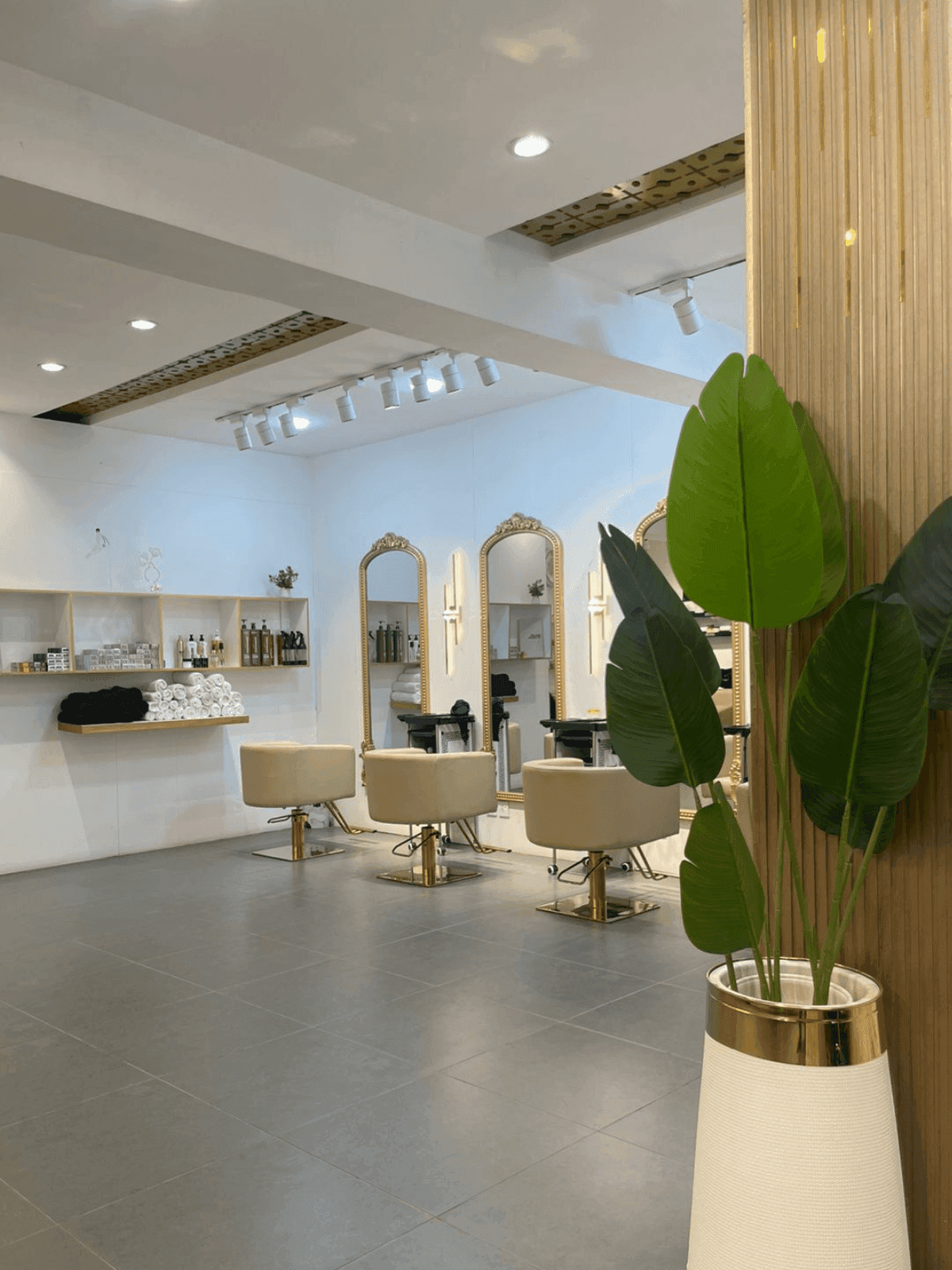
In our DHA Phase 3 studio, we let clients choose, but we also guide. For first-timers, women with sensitive skin, or anyone waxing the face, we usually suggest organic sugar waxing. For full-body sessions where efficiency matters, fruit wax is our most popular choice — it balances speed with comfort beautifully. And for facial hair specifically, many clients prefer threading with fruit wax, which combines the precision of threading with the conditioning benefits of fruit-infused finishing.
A few universal tips from our therapists, regardless of which wax you pick:
- Exfoliate gently 24 hours before your appointment, not the day of
- Skip retinol and AHAs for 48 hours before waxing
- Come with clean, product-free skin — no lotions, no deodorant on underarms
- Avoid hot showers, gym and sun exposure for 24 hours after
- Book waxing when hair is around 5–7mm long for cleanest removal
The bottom line
Organic sugar wax is objectively the gentlest formula on the market, and if your skin has ever reacted to waxing, it's the one to try. Fruit wax is the everyday luxury option — kind, efficient, and lovely on most skin types. Traditional wax still has its role for coarse hair, but it shouldn't be your default if comfort is a priority.
The real secret isn't just the wax — it's the therapist's technique, the room's hygiene standards, and how well the aftercare is explained. Get those three right and any of the three methods can leave you smooth, calm and confident.